

Minimal processing foods are whole, few-ingredient items that look like their original form.
I’ve spent years studying food labels and shopping across farmers markets, supermarkets, and specialty stores. This guide will show you how do you know if a food has minimal processing, step by step. You’ll learn simple signs, label tricks, and real-life tips so you can spot minimally processed items quickly and shop with confidence.
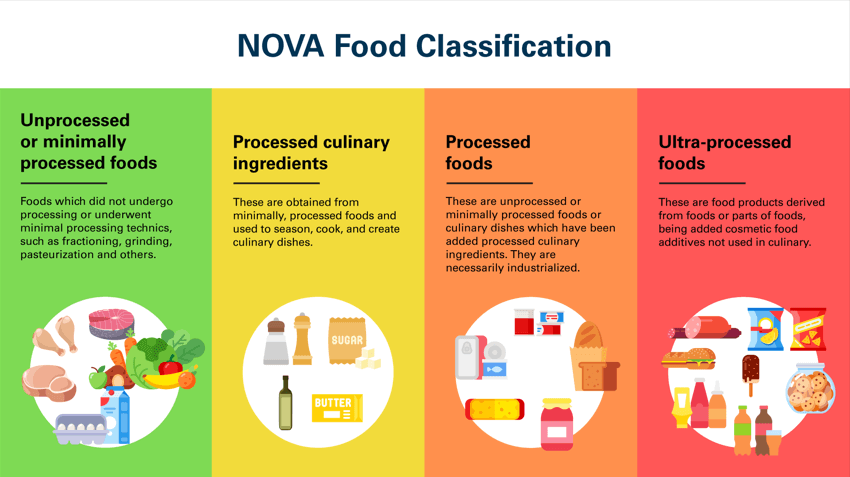
What minimal processing really means
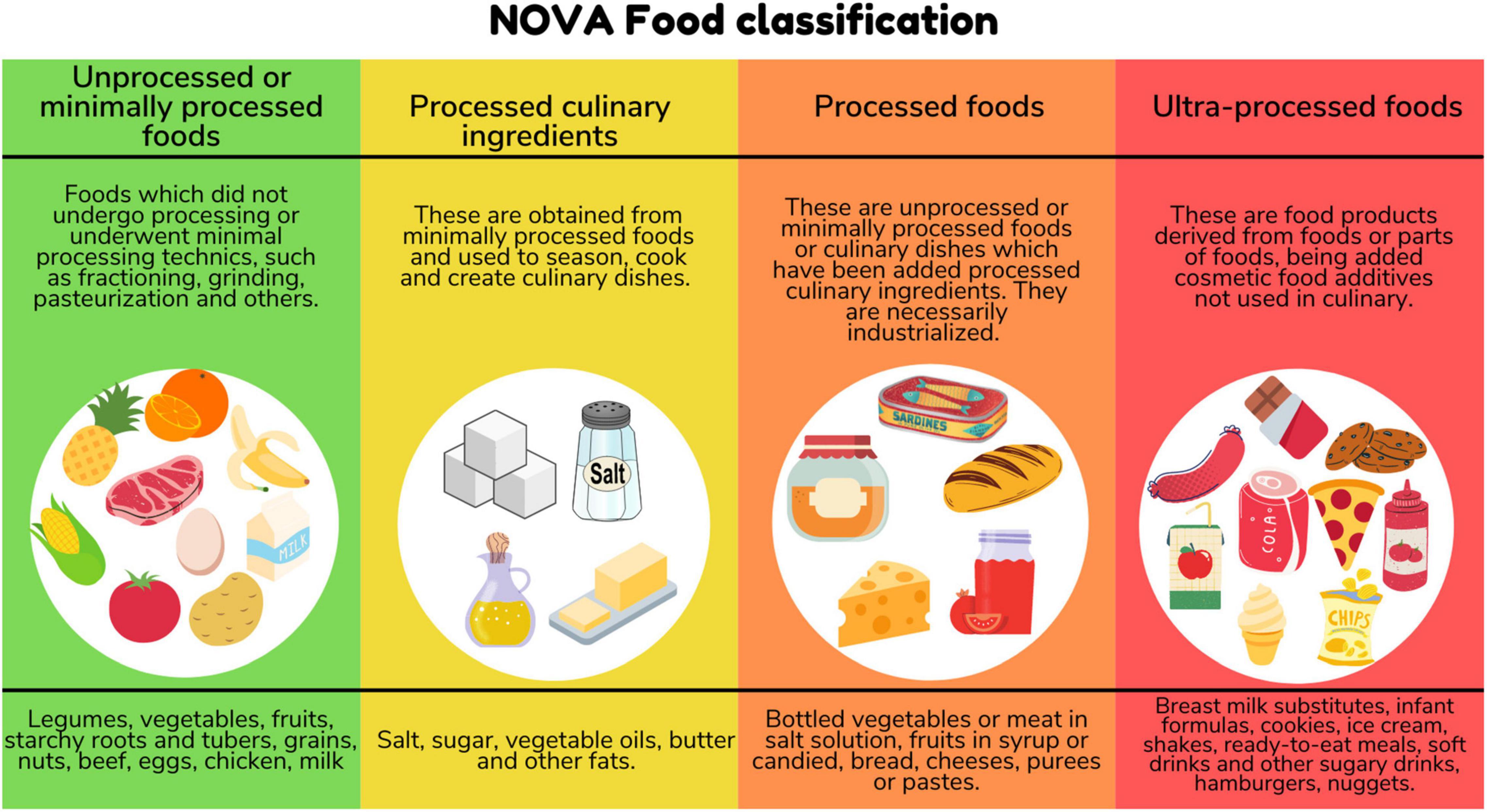
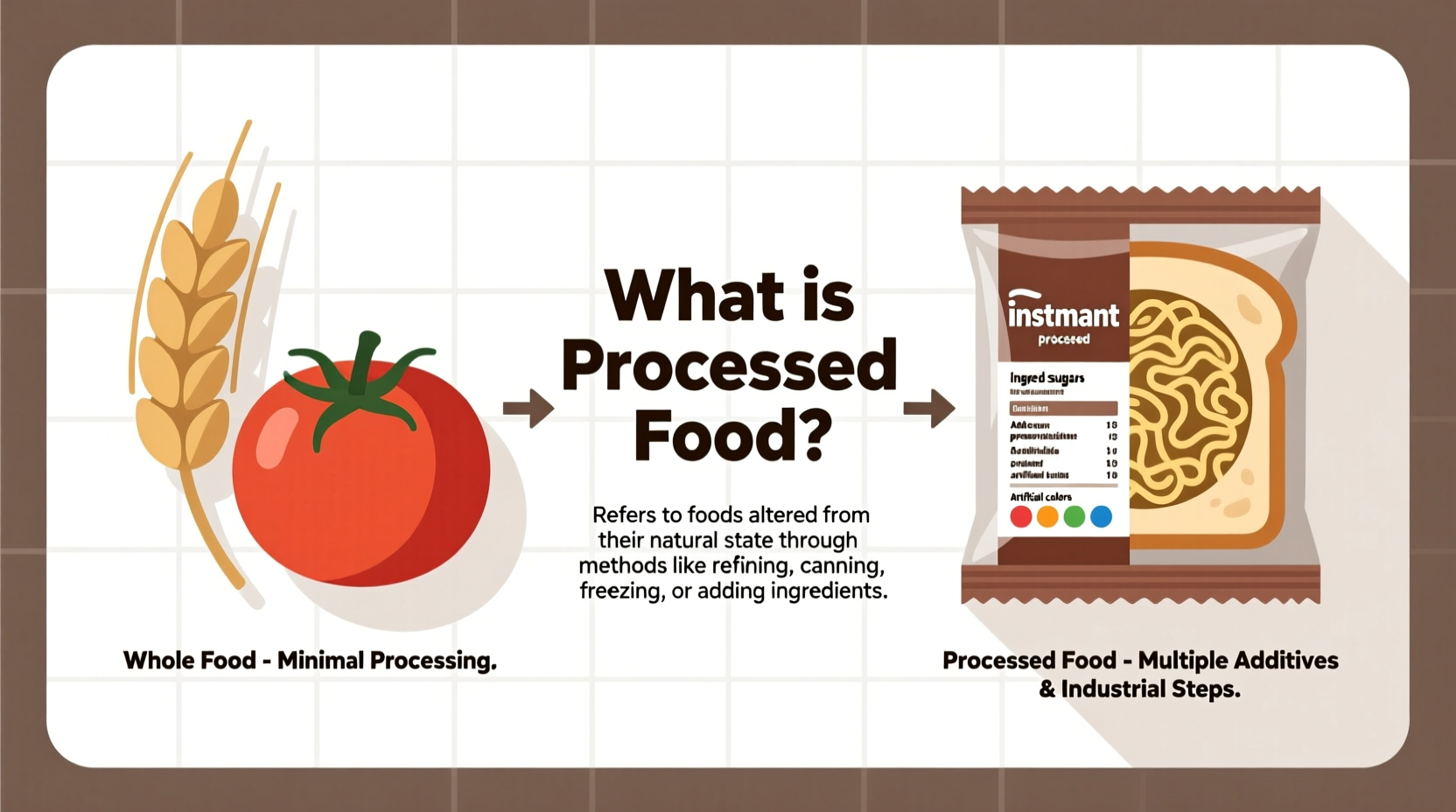
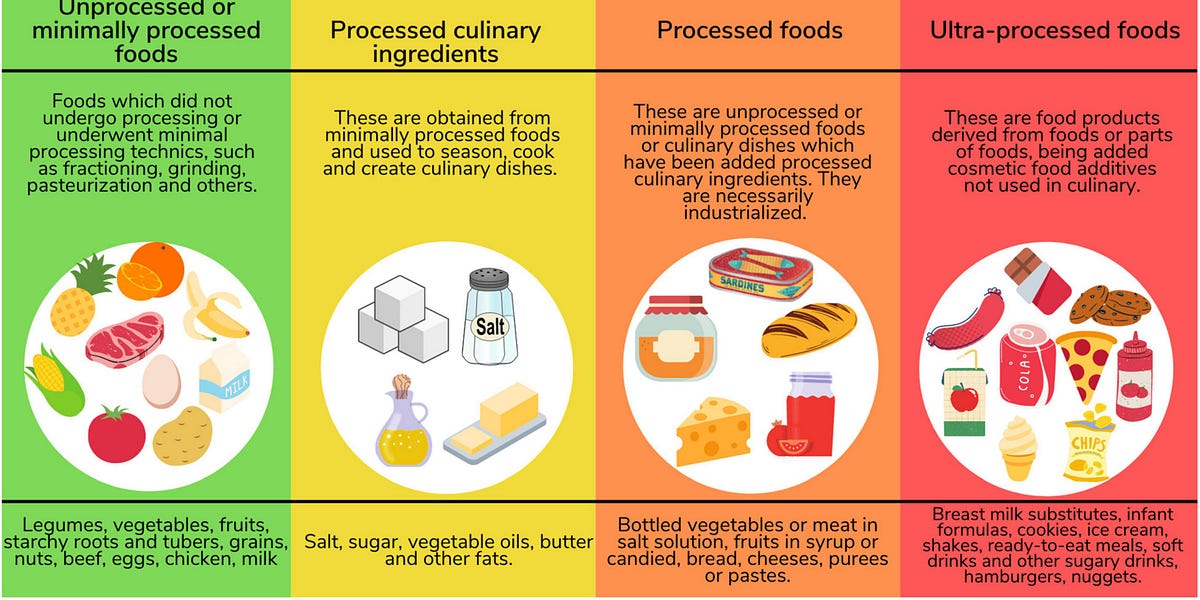
Minimal processing refers to steps that make food safe or convenient while keeping its original nature. Examples include washing, cutting, freezing, pasteurizing, or vacuum-sealing. These actions do not change the food’s basic nutritional profile.
When asking how do you know if a food has minimal processing, look for foods that still resemble their raw state. Whole fruits, plain frozen vegetables, and raw nuts are classic examples. Products like these keep most of their vitamins, fiber, and natural structure.

Clear visual signs that a food is minimally processed
You can spot minimal processing with simple visual checks. These clues are quick and reliable when you’re shopping.
- Appearance: The food looks like the original plant or animal product. For example, apple slices, whole fish, or whole grains.
- Ingredient list: Few items listed, usually one or two ingredients. Often just the food itself and maybe salt or oil.
- Texture and color: Natural texture and color are intact. No bright artificial colors or odd textures.
- Packaging: Simple packaging that focuses on protection, not marketing gimmicks.
- Smell: Fresh or neutral smell, not strong chemical or overly sweet scents.
When you wonder how do you know if a food has minimal processing, these visual cues will give you a fast yes-or-no.
How to read labels to confirm minimal processing
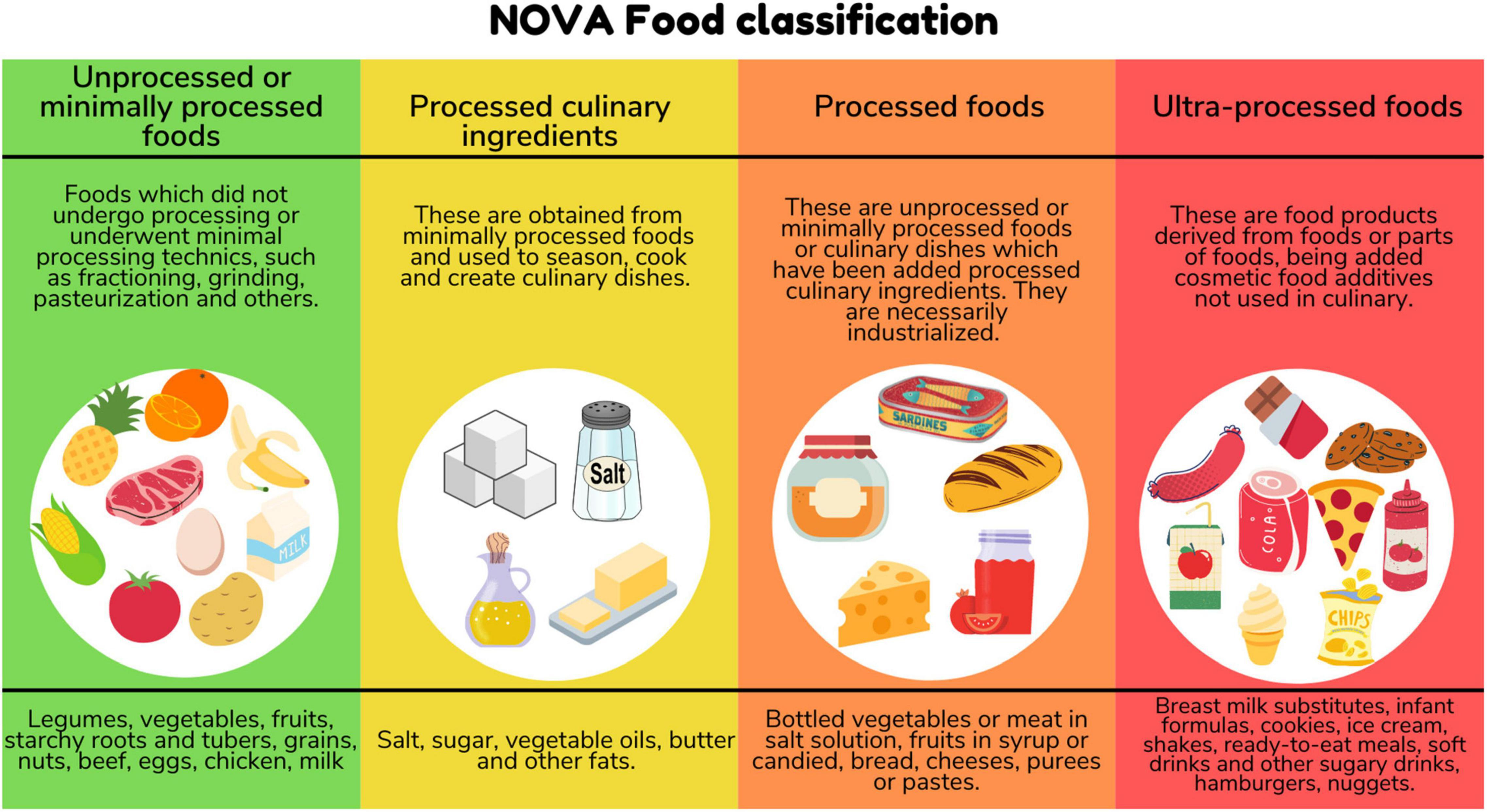
Labels hold the truth. Spend 10–20 seconds reading them and you’ll know how do you know if a food has minimal processing.
- Ingredients list: Short lists usually mean less processing. If you see long words, additives, or preservatives, it’s more processed.
- Nutrition facts: Look for intact fiber and low added sugar. Whole foods usually have fiber and fewer added calories.
- Claims to check: Words like raw, whole, or simply packaged can help. Be cautious with terms like natural or made with real fruit; they can be vague.
- Processing methods: Terms like pasteurized, blanched, or frozen are okay. Terms like hydrogenated, textured vegetable protein, or artificial flavors suggest more processing.
I personally always scan the ingredients first. In busy stores, that step answers how do you know if a food has minimal processing faster than any claim on the front.
Shopping checklist: quick rules to follow
Use a short checklist when shopping so you never doubt how do you know if a food has minimal processing.
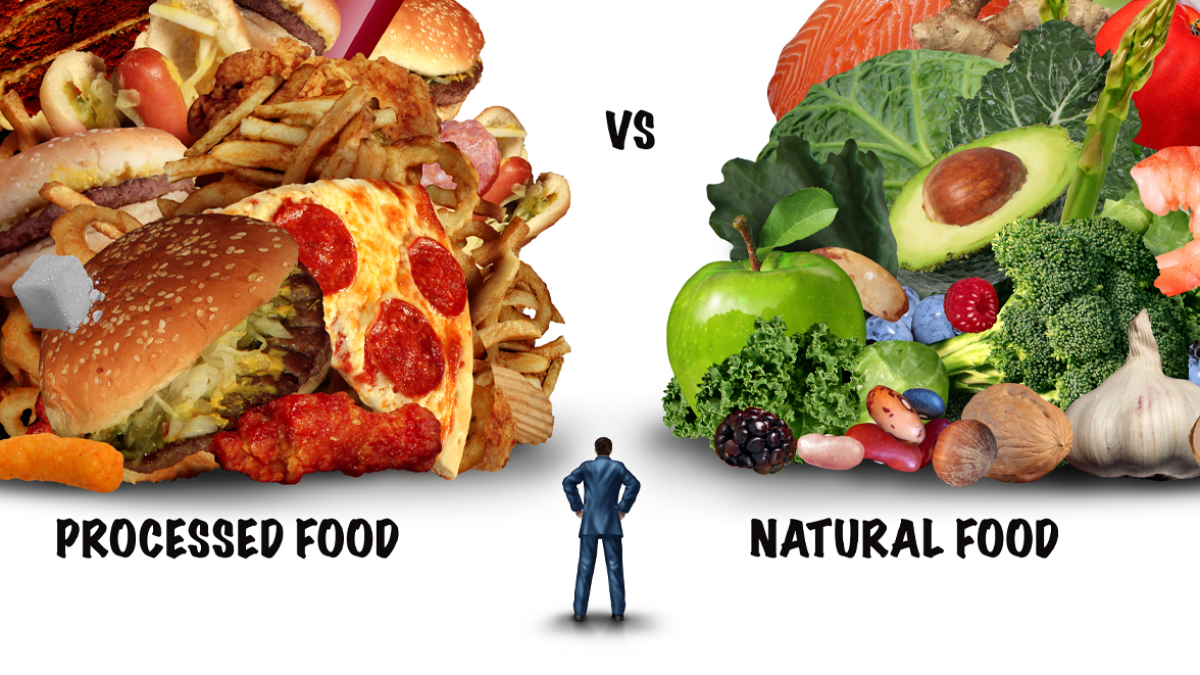
- Buy whole foods first: Fruits, vegetables, whole grains, beans, nuts, eggs, plain dairy.
- Favor short labels: Ingredients you recognize are good signs.
- Avoid long ingredient strings: More than five processed ingredients is often a red flag.
- Watch added sugars and oils: Minimal processing means low or no added sugar and limited added fats.
- Pick frozen plain goods: Plain frozen veggies and fruits are often minimally processed and convenient.
These habits make it easy to choose minimally processed items every week.
Why choosing minimally processed foods matters
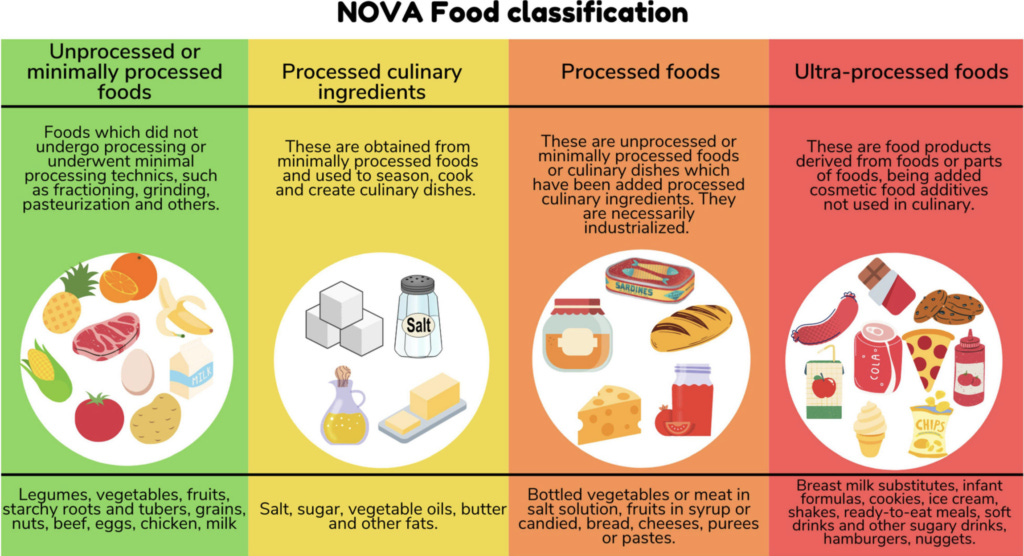
Choosing minimally processed foods helps keep nutrients, natural fiber, and satiety intact. Research links diets high in minimally processed foods with better long-term health outcomes. Processed foods often add sugars, salts, and unhealthy fats that change a food’s impact on your body.
When you ask how do you know if a food has minimal processing, remember the health benefits. Whole-like foods tend to slow digestion, reduce cravings, and support better weight and blood sugar control.
How to prepare and store minimally processed foods
Preparation and storage matter to keep minimal foods fresh and safe. Simple steps preserve taste and nutrition.
- Store whole produce in cool, dry spots or the fridge depending on type.
- Freeze excess fruits or vegetables plain to keep nutrients.
- Cook with minimal added fats and sugars to keep the food’s original benefits.
- Use airtight containers to reduce oxidation and spoilage.
From my kitchen experience, freezing plain chopped vegetables saves time and keeps them minimally processed and ready to use.

Personal experience: what I learned from shopping and testing
I used to buy packaged smoothies and pre-made meals for convenience. After testing labels and tracking how I felt, I shifted to plain frozen fruit and whole yogurt. My energy improved and cravings dropped.
That shift taught me how do you know if a food has minimal processing in real life. Short labels and whole forms changed my meals and mood. Small swaps made a big difference.
Common mistakes and how to avoid them
People often confuse “healthy-sounding” branding with minimal processing. Here’s how to avoid common traps.
- Mistake: Buying items labeled natural or organic without reading the label.
- Fix: Read ingredients for added sugars or long chemical names.
- Mistake: Choosing flavored yogurts and thinking they are minimally processed.
- Fix: Choose plain yogurt and add fresh fruit.
- Mistake: Assuming frozen snacks are minimally processed.
- Fix: Check for added sauces, breading, or sugar.
Understanding how do you know if a food has minimal processing helps you sidestep these mistakes.
Simple swaps to eat more minimally processed foods
Make changes that stick. Small swaps add up quickly.
- Swap sugary cereal for oatmeal with fruit.
- Swap pre-sweetened drinks for water or plain sparkling water with lemon.
- Swap flavored snacks for raw nuts and whole fruit.
- Swap ready-made sauces for simple olive oil, lemon, and herbs.
These swaps show how do you know if a food has minimal processing by replacing long-ingredient items with plain ones.
Frequently Asked Questions of how do you know if a food has minimal processing
What exactly counts as minimal processing?
Minimal processing includes safe and simple steps like washing, cutting, freezing, or pasteurizing that do not change a food’s core nature. It keeps the food close to its original form and nutritional value.
Are canned foods minimally processed?
Some canned foods can be minimally processed if they contain the whole food and water or salt only. Check the ingredient list for added sugars, syrups, or preservatives to be sure.
Is frozen food less processed than packaged snacks?
Plain frozen fruits and vegetables are usually minimally processed, while many packaged snacks have added ingredients and are more processed. Always read labels to confirm.
Can pasteurized dairy be considered minimally processed?
Yes, pasteurization is a minimal process to make dairy safe. Plain milk and yogurt with no added sugars or flavors are still close to minimally processed.
How do ingredient lists signal minimal processing?
Short lists with recognizable items, like "spinach" or "chicken, salt," suggest minimal processing. Long lists with chemical names or many additives point to higher processing.
Conclusion
You can quickly learn how do you know if a food has minimal processing by checking appearance, reading ingredient lists, and choosing whole or plain frozen options. Small habits—like scanning labels and favoring short ingredient lists—make a big difference for health and taste.
Try one swap this week: replace a processed snack with a whole fruit or plain nuts. Comment below with your best label-read trick, subscribe for more practical food guides, or share this article with a friend who wants easier, healthier choices.
