
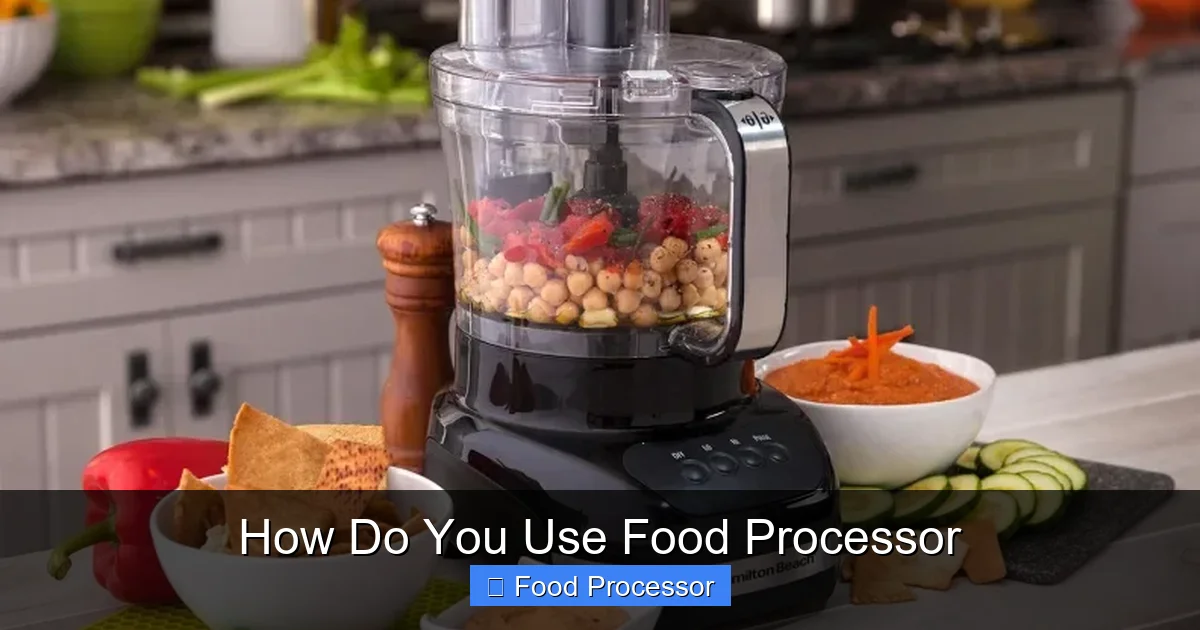
A food processor is a versatile kitchen powerhouse designed to simplify countless cooking tasks. This comprehensive guide will teach you how do you use food processor effectively, covering everything from proper assembly and ingredient preparation to mastering various processing techniques like chopping, shredding, and pureeing. You’ll learn essential tips for safe and efficient operation, empowering you to tackle recipes with confidence and ease.
How Do You Use Food Processor
Welcome to the wonderful world of food processors! If you’ve ever stared at this amazing kitchen gadget, perhaps still in its box or sitting on your counter, and wondered, “How do you use food processor?” then you’ve come to the right place. A food processor is truly a culinary game-changer. It can chop, shred, slice, mince, mix, and even knead dough with incredible speed and efficiency, saving you tons of time and effort in the kitchen. No more endless chopping sessions or sore wrists from grating cheese!
This comprehensive guide will walk you through everything you need to know about operating your food processor, from its basic components to advanced techniques. We’ll cover safety, assembly, preparing ingredients, different processing methods, and even troubleshooting common issues. By the end, you’ll feel confident using your food processor to tackle a wide array of recipes, transforming your cooking experience forever. Let’s dive in and unlock the full potential of your kitchen assistant!
Key Takeaways
- Safety First: Always assemble your food processor correctly, unplug it before handling blades, and never put your hand into the bowl while it’s plugged in.
- Understand Your Attachments: Familiarize yourself with different blades (S-blade, dough blade) and discs (shredding, slicing) to choose the right tool for each task.
- Prep Your Ingredients Properly: Cut food into uniform, manageable pieces that fit the feed tube or bowl to ensure even processing and prevent motor strain.
- Master the Pulse Function: Use short, controlled pulses for chopping and dicing to achieve desired consistency without over-processing. This gives you precision control.
- Don’t Overfill: Process food in batches to avoid overloading the motor and ensure efficient, consistent results every time.
- Clean Promptly: Disassemble and clean your food processor immediately after use to prevent food residue from drying and to maintain hygiene and longevity.
Understanding Your Food Processor: The Basics
Before you start slicing and dicing, it’s helpful to understand the different parts of your food processor and what they do. While models vary, most food processors share similar core components.
The Motor Base
This is the heavy bottom part of your food processor that houses the motor. It provides stability and power for all your processing tasks. It also usually has the control buttons (On/Off, Pulse).
The Work Bowl
This is the clear plastic or glass bowl that sits on the motor base. It holds your ingredients during processing. Work bowls come in various sizes, so consider how to choose the right size food processor for your typical cooking needs.
The Lid
The lid securely covers the work bowl during operation. Most food processors have a safety mechanism that prevents the machine from starting if the lid isn’t properly locked in place.
The Feed Tube and Pusher
The feed tube is an opening in the lid through which you can add ingredients while the machine is running. The pusher fits into the feed tube and is used to guide ingredients down towards the spinning blades or discs, keeping your fingers safely away.
Blades and Discs
These are the workhorses of your food processor.
- S-Blade (or Chopping Blade): This is the most common blade, shaped like an “S.” It’s used for chopping, mincing, pureeing, mixing, and kneading dough.
- Dough Blade (optional): Some models include a plastic dough blade designed specifically for mixing and kneading dough without overworking it.
- Slicing Disc: A flat disc with a single blade for uniformly slicing vegetables like cucumbers, potatoes, or carrots.
- Shredding/Grating Disc: A disc with small holes or raised blades for shredding ingredients like cheese, cabbage, or carrots. These often come in fine and coarse options.
Step 1: Prioritize Safety First
Safety is paramount when using any kitchen appliance, especially one with sharp blades. Always follow these precautions:
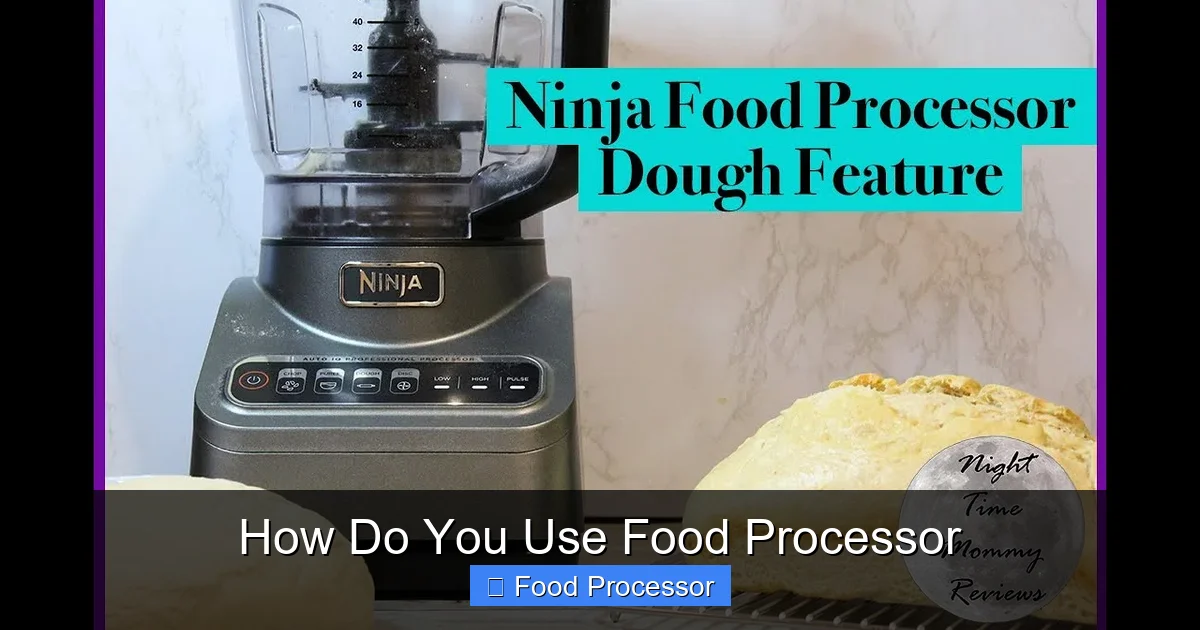
Visual guide about How Do You Use Food Processor
Image source: i.ytimg.com
- Read Your Manual: Each food processor model is slightly different. Your owner’s manual contains specific safety instructions and operational details for your machine.
- Unplug When Handling Blades: Always unplug the food processor before attaching or removing blades and discs, or when cleaning. Those blades are incredibly sharp!
- Never Use Your Hands: Use the pusher to feed ingredients through the feed tube. Never reach into the work bowl with your hands while the machine is plugged in or operating.
- Ensure Proper Assembly: The food processor will not operate if the bowl and lid are not correctly locked into place due to built-in safety features.
Step 2: Assembling Your Food Processor
Assembling your food processor is straightforward, but it’s crucial to do it correctly for safe and effective operation. If you’re wondering how to assemble food processor step by step, follow these general instructions:
Visual guide about How Do You Use Food Processor
Image source: helios-i.mashable.com
Attach the Work Bowl
Place the work bowl onto the motor base. Align the handle with the slot on the base and twist it clockwise until it locks securely in place. You’ll usually hear a click or feel it firmly engage.
Insert the Correct Blade or Disc
For most chopping, mixing, and pureeing tasks, you’ll use the S-blade. Carefully pick it up by the plastic hub (never the blades!) and place it onto the spindle in the center of the work bowl. It should slide down easily and sit snugly. If you’re slicing or shredding, place the desired disc on the spindle after the S-blade (or directly if your model instructs) with the cutting edge facing up.
Add Your Ingredients
This is when you add the food you want to process. For chopping or pureeing with the S-blade, add ingredients directly into the bowl. For slicing or shredding with a disc, you’ll typically add ingredients through the feed tube once the machine is running (more on that later).
Secure the Lid
Place the lid onto the work bowl, aligning it properly. Twist the lid clockwise until it locks into place. Again, listen for a click or feel it engage. Your food processor won’t start if the lid isn’t locked.
Step 3: Preparing Your Ingredients for Processing
Proper ingredient preparation is key to getting consistent results and preventing strain on your machine.
Cut into Uniform Pieces
For most tasks, especially chopping and pureeing, cut larger ingredients into roughly 1-inch uniform pieces. This ensures that all pieces are processed evenly. If you have very large pieces, some might get over-processed while others remain chunky.
Don’t Overfill the Bowl
Never fill the work bowl above the maximum fill line indicated on the bowl (usually halfway or two-thirds full). Overfilling can lead to uneven processing, strain the motor, and cause ingredients to spill out. If you have a large quantity, process in batches.
Adjust Temperature for Certain Foods
For tasks like shredding cheese, using firm, cold cheese works best. Soft or warm cheese can clump and become difficult to shred cleanly.
Step 4: Operating Your Food Processor – Processing Techniques
Now that your food processor is assembled and your ingredients are prepped, let’s talk about how to actually process the food. This is where you learn how do you use a food processor step by step for various culinary tasks.
Pulsing vs. Continuous Run
Most food processors have two main settings: “Pulse” and “On” (or “Continuous”).
- Pulse: This is your best friend for most chopping and mixing tasks. The “Pulse” button activates the blade for short bursts. You press it, release it, press it, release it. This gives you precise control over the consistency of your food, preventing over-processing. Use pulse for chopping nuts, dicing vegetables, or making salsa.
- On/Continuous: This setting keeps the blade spinning constantly. Use it for pureeing smooth soups, making nut butters, or kneading dough, where a consistent, sustained action is needed.
Using the Feed Tube
When slicing or shredding with a disc, turn the food processor on “Continuous” before adding ingredients through the feed tube. Drop ingredients in gradually, using the pusher to guide them gently through. Avoid forcing food down, as this can damage the machine or result in uneven cuts.
Common Food Processor Applications and Techniques:
Chopping and Mincing
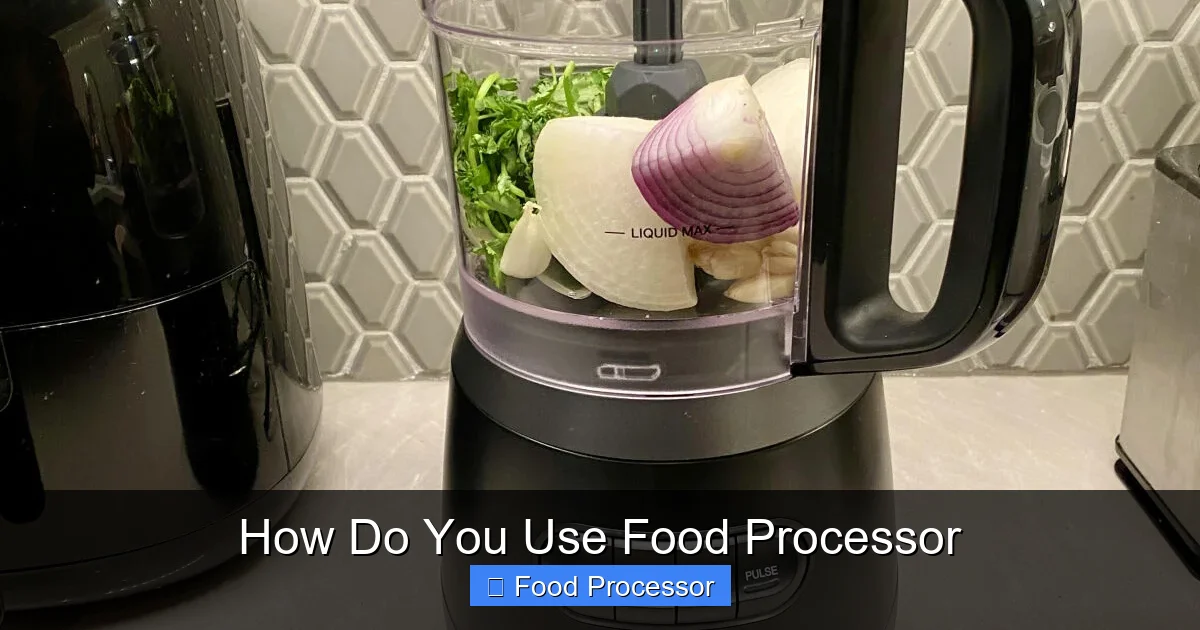
This is arguably the most frequent use for a food processor. Place uniformly cut pieces of vegetables (like onions, carrots, celery) or herbs into the work bowl with the S-blade. Use short, quick pulses. Check the consistency after every few pulses. For perfectly chopped vegetables using a food processor, aim for about 10-15 pulses, depending on the vegetable and desired fineness.
- Example: Chopping onions for a mirepoix, mincing garlic and ginger for a stir-fry, or making breadcrumbs from stale bread.
Shredding and Grating
Attach the shredding disc. Turn the machine to “On” and feed ingredients through the feed tube, using the pusher. This is fantastic for large quantities of firm vegetables or cheese. If you want to shred cheese in a food processor, make sure it’s cold and firm for the best results. For shredding cabbage, cut it into wedges that fit the feed tube.
- Example: Shredding cheddar for tacos, grating carrots for a salad, or shredding cabbage for coleslaw.
Slicing
Attach the slicing disc. Turn the machine to “On” and feed firm vegetables or fruits through the feed tube. The food processor can slice items uniformly and rapidly, which is great for gratins or salads.
- Example: Slicing potatoes for au gratin, cucumbers for a salad, or bell peppers for fajitas.
Pureeing and Blending
For smooth textures like hummus, soups, or sauces, use the S-blade and the “On” setting. Add ingredients to the bowl and run continuously until smooth. For liquids, you can often add them through the feed tube while the machine is running.
- Example: Making creamy hummus, pureeing cooked vegetables for soup, or blending a smooth pesto.
Mixing and Kneading Dough
A food processor can quickly bring together pie crusts, cookie doughs, or even small batches of bread dough. Use the S-blade or a dedicated dough blade. Add dry ingredients, pulse to combine, then add cold butter or liquid gradually through the feed tube while pulsing or running on low. Be careful not to overmix, especially for pie crusts.
- Example: Preparing a flaky pie crust, mixing cookie dough, or kneading a quick pizza dough.
Step 5: Disassembling and Cleaning Your Food Processor
Once you’ve finished your culinary masterpiece, it’s time to clean up. Proper cleaning ensures hygiene and prolongs the life of your appliance.
Unplug the Unit
Always, always unplug your food processor from the power outlet before disassembling or cleaning.
Carefully Remove Blades/Discs
Remove the lid, then carefully lift out the blade or disc by its plastic hub. Be extremely cautious as the blades are very sharp. Place them in a safe spot, away from your immediate reach.
Remove the Work Bowl
Twist the work bowl counter-clockwise to unlock it from the motor base and lift it off.
Clean the Components
Most food processor work bowls, lids, blades, and pushers are dishwasher safe, typically on the top rack. However, always check your owner’s manual for specific cleaning instructions. If handwashing, use warm, soapy water and a brush to clean around sharp blades. Never submerge the motor base in water; wipe it clean with a damp cloth.
Dry Thoroughly
Ensure all parts are completely dry before reassembling or storing to prevent mildew and rust.
Tips for Food Processor Success
- Don’t Overload: We can’t stress this enough. Processing in smaller batches yields better, more consistent results and is gentler on your motor.
- Use the Pulse Button: For most chopping and dicing, pulsing gives you control. A few short pulses are often all you need.
- Add Liquids Gradually: When making dressings, sauces, or purees, add liquids slowly through the feed tube while the machine is running for a smooth emulsion.
- Consider Batch Size: A standard 11-cup food processor is great for many tasks, but smaller models might be better for single servings or small jobs. How to choose the right size food processor depends on your household size and cooking habits.
- Scrape Down the Sides: Sometimes ingredients stick to the sides of the bowl. Periodically stop the machine (unplug if reaching in), scrape down the sides with a spatula, and resume processing.
- Mind the Motor: Pay attention to the sound of your food processor. If the motor sounds strained, you might be overloading it or trying to process something too hard. Avoid running the motor for excessively long periods. Generally, you shouldn’t leave a food processor running for more than a few minutes continuously without a break.
Troubleshooting Common Food Processor Issues
Even with careful use, you might encounter a few minor hiccups. Here are some common problems and their solutions:
Food Processor Won’t Turn On
- Check Power: Ensure it’s firmly plugged into a working outlet.
- Safety Locks: Most food processors have safety interlocks. Make sure the work bowl and lid are securely locked into place. If they aren’t, the machine won’t start.
- Overheat Protection: If you’ve been running the processor for a long time or trying to process something tough, it might have an automatic shut-off due to overheating. Unplug it and let it cool down for 15-30 minutes before trying again.
Blade Not Spinning
- Check Assembly: Ensure the blade is correctly seated on the spindle and that the work bowl and lid are properly locked.
- Overload: Too much food or ingredients that are too hard can prevent the blade from spinning freely. Remove some food and try again in smaller batches.
- Jammed Food: Sometimes a large piece of food can get wedged, preventing the blade from moving. Unplug the unit, carefully remove the obstruction, and then resume.
Food is Unevenly Processed
- Ingredient Size: Make sure your ingredients are cut into uniform pieces before adding them to the bowl.
- Overloading: Too much food can prevent proper circulation and lead to uneven results. Process in smaller batches.
- Not Enough Pulses: For chopping, sometimes you just need a few more pulses to get everything to the desired consistency.
- Too Many Pulses: Conversely, too many pulses can turn some ingredients into puree while others remain chunky. Use short, controlled bursts.
Conclusion
Mastering your food processor is an exciting step in becoming a more efficient and confident cook. From swiftly chopping vegetables to expertly shredding cheese and even whipping up perfect doughs, this versatile appliance truly earns its spot in your kitchen. Remember to prioritize safety, understand your attachments, prepare your ingredients properly, and utilize the pulse function for ultimate control.
We hope this guide has thoroughly answered the question, “How do you use food processor?” and empowered you to explore its many capabilities. Don’t be afraid to experiment with different recipes and techniques. With a little practice, your food processor will become an indispensable tool, transforming your cooking and opening up a world of culinary possibilities. Happy processing!
