
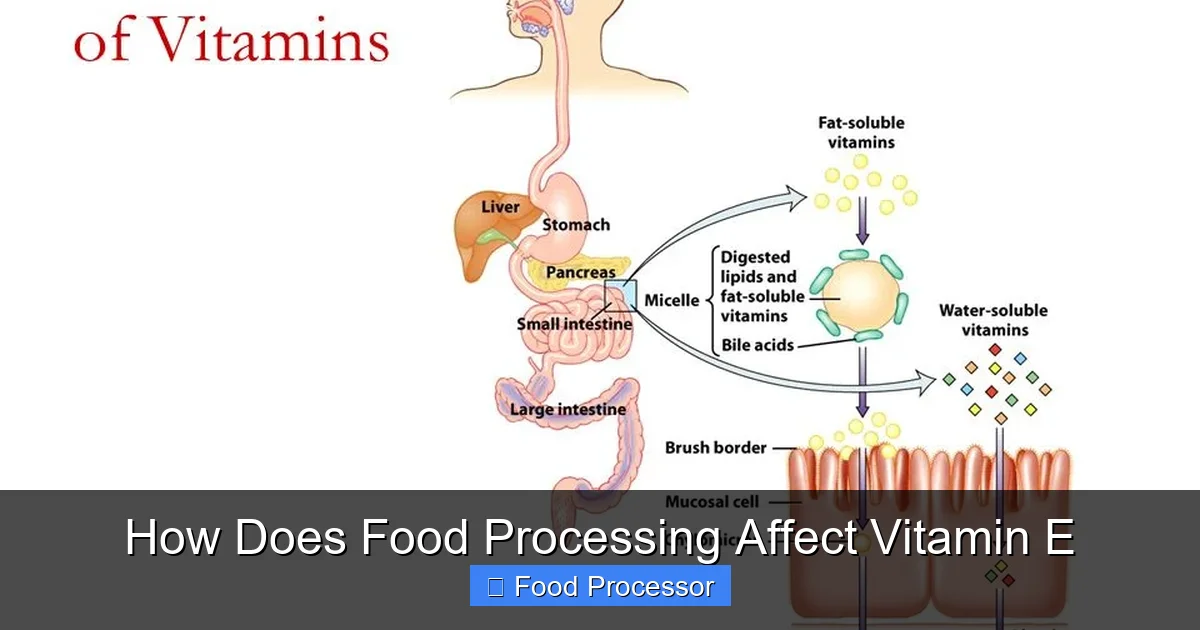
Food processing, while essential for safety and convenience, can significantly impact the vitamin E content of foods. Factors like heat, light, oxygen, and mechanical stress degrade vitamin E, a fat-soluble antioxidant. Understanding various processing methods, from thermal treatments to grinding, reveals how to better preserve this crucial nutrient in your diet. Choosing minimally processed options and smart cooking techniques are key for retaining maximum vitamin E.
How Does Food Processing Affect Vitamin E
Hey there, health-conscious food lover! Have you ever wondered what really happens to the nutrients in your food after it leaves the farm and heads to your plate? Specifically, let’s talk about vitamin E. This amazing nutrient is a powerful antioxidant, vital for protecting your cells from damage, supporting your immune system, and keeping your skin healthy. But here’s the catch: vitamin E is quite delicate. It doesn’t always fare well when foods undergo various processing steps.
In this comprehensive guide, we’re going to dive deep into how food processing affects vitamin E. We’ll explore the different types of processing, how each one impacts this sensitive vitamin, and most importantly, what you can do to ensure you’re getting enough of it in your diet. Understanding this can help you make more informed choices about the foods you eat and how you prepare them. Let’s get started!
Key Takeaways
- Vitamin E is Vulnerable: This essential fat-soluble antioxidant is highly susceptible to degradation by heat, light, oxygen, and certain metals during food processing.
- Thermal Processing is a Major Culprit: High temperatures used in blanching, pasteurization, sterilization (canning), and even extensive cooking can significantly reduce vitamin E content.
- Mechanical and Oxidative Stress Matter: Grinding, milling, cutting, and exposure to air (oxygen) during processing increase surface area and opportunities for oxidation, leading to vitamin E loss.
- Refining Oils Drastically Reduces Vitamin E: Industrial oil refining processes, involving high heat, degumming, bleaching, and deodorization, strip oils of most of their natural vitamin E. Cold-pressed oils are generally richer.
- Smart Choices Can Help: Opting for minimally processed foods, choosing whole grains over refined, selecting cold-pressed oils, and using gentle cooking methods can help preserve vitamin E.
- Packaging and Storage are Crucial: Proper packaging that limits light and oxygen exposure, along with cool, dark storage, helps protect vitamin E after processing.
- Fortification is Common: Some processed foods are fortified with vitamin E to compensate for losses, which is often indicated on the nutrition label.
Understanding Vitamin E and Its Vulnerabilities
First things first, what exactly is vitamin E? It’s a group of eight fat-soluble compounds, primarily tocopherols and tocotrienols. Alpha-tocopherol is the most biologically active form in humans. Being fat-soluble means it’s often found in oily parts of foods, like nuts, seeds, vegetable oils, and leafy green vegetables.
The superpower of vitamin E is its antioxidant ability. It neutralizes harmful free radicals that can damage cells. This protective role is what makes it so important for overall health. However, this very characteristic makes it vulnerable to degradation. Here’s why vitamin E is so sensitive:
- Oxygen: When exposed to air, vitamin E can oxidize, losing its potency.
- Heat: High temperatures can break down the molecular structure of vitamin E.
- Light: Ultraviolet (UV) light, even ambient light, can accelerate its degradation.
- Metals: Trace amounts of certain metals, like iron and copper, can act as catalysts, speeding up oxidation.
- Acidity: Extreme pH levels can also contribute to its breakdown.
Now that we know vitamin E’s Achilles’ heel, let’s see how various food processing methods play into these vulnerabilities.
Exploring Initial Processing Steps and Their Impact
Food processing doesn’t always mean turning something into a highly refined product. It starts right after harvest. Even seemingly simple steps can begin to affect nutrient levels.
Harvesting and Transportation
When crops are harvested, they are still living organisms. The moment they are picked, enzymatic reactions begin, and respiration continues. While vitamin E levels don’t dramatically drop immediately, damage during harvest or prolonged exposure to sunlight and air during transport can initiate oxidative stress. This pre-processing exposure sets the stage for further losses.
Cleaning and Washing
Before foods hit the next stage, they’re usually cleaned. Washing with water generally has minimal impact on vitamin E since it’s fat-soluble and won’t leach out easily. However, if foods are heavily bruised during washing or left exposed to air for extended periods, slight oxidation can occur.
Deep Dive into Key Food Processing Methods
This is where the real impact on vitamin E starts to show. Different methods, designed for preservation, safety, or convenience, have varying effects.
Thermal Processing: The Heat Factor
Heat is perhaps the biggest enemy of vitamin E during food processing. Many methods rely on high temperatures to kill harmful bacteria and extend shelf life.
Blanching
Blanching involves briefly immersing food (often vegetables) in hot water or steam, followed by rapid cooling. It’s done to deactivate enzymes that cause spoilage and quality deterioration. While it helps preserve color and texture, the heat exposure, even brief, can lead to some vitamin E loss, particularly from the surface layers of the food. Think about those frozen peas or green beans – they’ve likely been blanched.
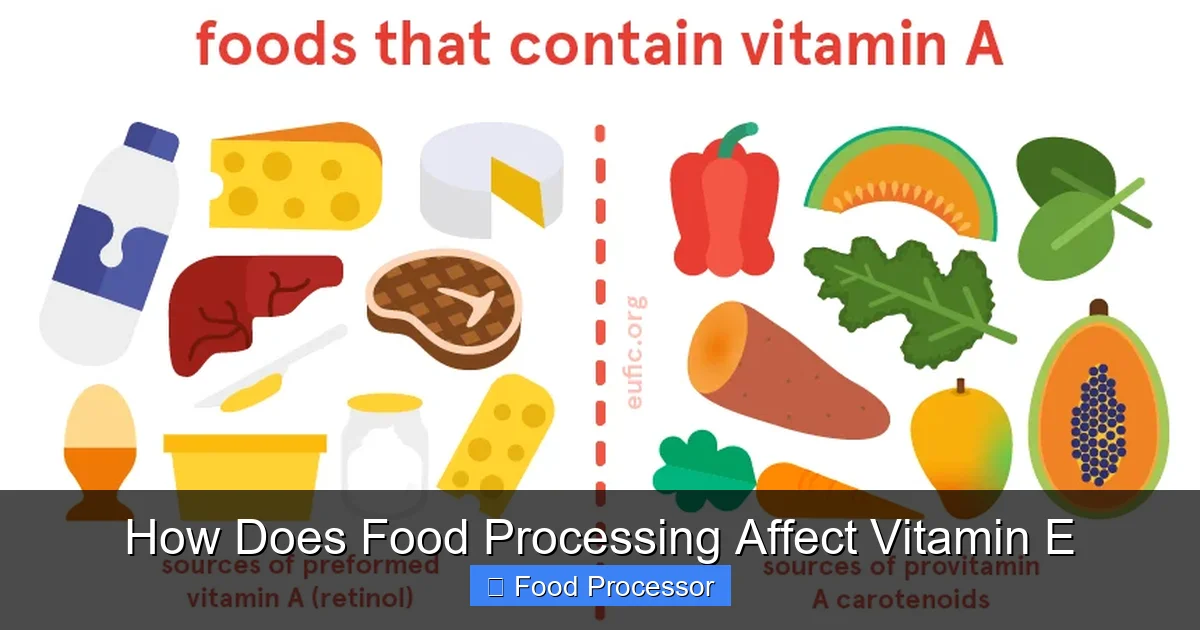
Visual guide about How Does Food Processing Affect Vitamin E
Image source: eufic.org
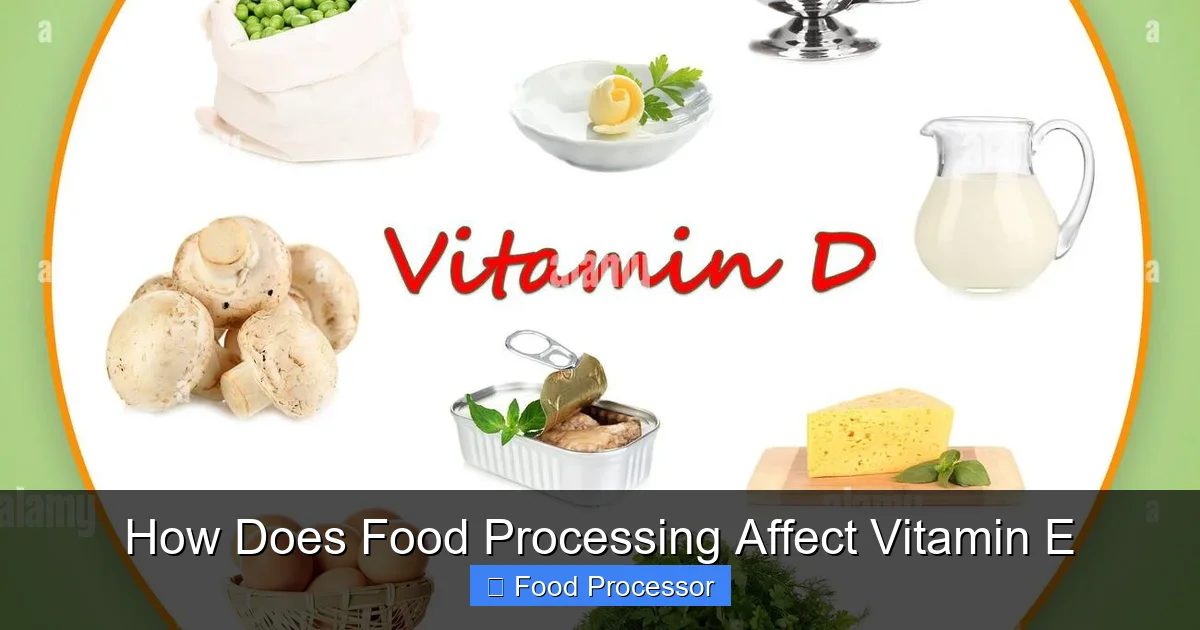
Visual guide about How Does Food Processing Affect Vitamin E
Image source: c8.alamy.com
Pasteurization
Commonly applied to milk, juices, and other liquid foods, pasteurization uses moderate heat for a short period to kill pathogens. The good news is that for products like milk, which isn’t a primary source of vitamin E, the loss is often negligible. However, if applied to foods naturally rich in vitamin E, like certain fortified beverages, some reduction might occur, though typically less severe than sterilization.
Sterilization (Canning)
Canning involves heating food to high temperatures (often above 100°C or 212°F) under pressure in sealed containers to destroy all microorganisms. This process offers excellent long-term preservation, but it’s very harsh on heat-sensitive nutrients like vitamin E. The prolonged high heat, combined with the presence of oxygen within the container before sealing, can lead to substantial vitamin E degradation. Canned vegetables, fruits, and meats will likely have significantly reduced vitamin E compared to their fresh counterparts.
Cooking Methods (Home and Industrial)
Even in your kitchen, how you cook affects vitamin E. Frying, especially deep-frying, uses very high temperatures and prolonged heat, which can severely deplete vitamin E in oils and foods cooked in them. Baking and roasting also involve high heat. Boiling can cause some loss, though less than frying, as vitamin E doesn’t leach into water. Gentle cooking methods like steaming or light sautéing tend to preserve more vitamin E. When why food processing is important, we consider safety and shelf life, but nutrient retention is also key.
Mechanical Processing: Breaking Down Structure
Mechanical processing involves physical manipulation of food, such as grinding, cutting, or mixing. While not always involving heat, these methods introduce other challenges for vitamin E.
Grinding and Milling
Turning whole grains into flour, or nuts into butter, involves grinding and milling. This process breaks down cell walls, exposing more surface area of the food to oxygen. The friction from milling can also generate heat. Both increased oxygen exposure and heat accelerate vitamin E oxidation. This is why refined flours, which have had the vitamin E-rich germ removed and are highly processed, have very little vitamin E compared to whole grains.
Cutting and Dicing (Including Food Processor Use)
Whether done industrially or when using your food processor to chop vegetables at home, cutting increases the surface area of food. This greater exposure to air (oxygen) can kickstart oxidation of vitamin E. While a home cook might use a food processor for a short time, industrial dicing operations might expose food for longer periods, potentially leading to more significant losses.
Homogenization
Common in milk, homogenization breaks down fat globules into smaller, more uniform sizes. This process can slightly increase the surface area of fat, potentially making fat-soluble vitamins like E more susceptible to oxidation if not handled carefully, though overall impact is usually minor compared to heat treatments.
Oxidative Processing: Exposure to Air
Any process that exposes food to air for extended periods can impact vitamin E due to oxidation.
Drying (Dehydration)
Removing water from food, such as in making dried fruits or vegetables, often involves air exposure and sometimes heat. While concentrating nutrients, the combination of air and residual heat can degrade vitamin E. Sun-drying, for example, combines light, heat, and air, making it particularly damaging to vitamin E.
Extraction Methods: Focus on Oils
Vegetable oils are among the richest sources of vitamin E. How they are processed makes a huge difference.
Oil Extraction (Cold-Pressed vs. Refined)
- Cold-pressed oils: These oils are extracted using mechanical pressure with minimal heat. This gentle process helps preserve the natural vitamin E content, along with other beneficial compounds. Examples include extra virgin olive oil and cold-pressed sunflower oil.
- Refined oils: Industrial refining processes are designed to produce oils with neutral flavor, color, and extended shelf life. However, they involve multiple harsh steps:
- Degumming: Removes phospholipids and gums.
- Neutralization: Removes free fatty acids using alkalis.
- Bleaching: Removes pigments and impurities using adsorbents.
- Deodorization: Removes volatile compounds that cause off-flavors, typically using high-temperature steam distillation (200-250°C or 392-482°F) under vacuum. This step is particularly destructive to vitamin E, often removing 50-80% or more of its initial content.
Because of these steps, refined oils like regular soybean, corn, or canola oil, while still containing some vitamin E, have significantly less than their cold-pressed counterparts. Some refined oils are fortified with vitamin E afterward to boost their nutritional profile.
Chemicals and Additives
Sometimes, chemicals are used in processing. Bleaching agents, for instance, can degrade vitamin E. Conversely, food manufacturers might add synthetic vitamin E (often as tocopherol acetate) back into processed foods, especially oils or cereals, to compensate for losses or to enhance their nutritional value. This is known as fortification.
Storage and Packaging: Post-Processing Protection
The journey of food doesn’t end after initial processing. How it’s stored and packaged also plays a critical role in preserving vitamin E.
Light Exposure
Clear packaging, while visually appealing, allows light to penetrate, accelerating vitamin E degradation. Opaque packaging materials (like dark glass bottles for olive oil or cardboard cartons for milk) offer better protection.
Oxygen Exposure
Any packaging that allows air to leak in or is not vacuum-sealed will expose the food to oxygen, leading to oxidation. Nitrogen flushing (replacing air with inert nitrogen gas) or vacuum-sealing are common techniques used to minimize oxygen exposure in packaged foods, thereby protecting vitamin E.
Temperature
Storing foods in cool, dark places is crucial. Higher storage temperatures speed up chemical reactions, including the breakdown of vitamin E. This is why it’s recommended to store oils in a pantry rather than above the stove.
Strategies to Minimize Vitamin E Loss
While food processing inevitably affects vitamin E, there are things you can do to maximize your intake.
1. Choose Minimally Processed Foods
Whenever possible, opt for whole, fresh foods. These have undergone the least amount of processing and are most likely to retain their natural vitamin E content. For example, choose whole nuts over highly processed nut snacks, or fresh spinach over canned. Understanding how to know if a food has minimal processing can guide your grocery choices.
2. Be Mindful of Cooking Methods
When cooking at home, favor gentler methods:
- Steaming or blanching briefly: For vegetables rich in vitamin E.
- Light sautéing: Use minimal heat and cook quickly.
- Roasting/Baking: Keep temperatures moderate and cooking times as short as possible.
- Avoid deep-frying: This method causes significant vitamin E loss in both the food and the oil.
3. Select Cold-Pressed Oils
For cooking and dressings, choose cold-pressed or unrefined vegetable oils (like extra virgin olive oil, unrefined sunflower oil, or almond oil) as they retain more vitamin E. Store them in dark bottles in a cool, dark pantry to protect them from light and heat.
4. Pay Attention to Packaging and Storage
- Look for foods packaged in opaque containers or vacuum-sealed.
- Store vitamin E-rich foods in a cool, dark place.
- Once opened, consume foods relatively quickly to minimize oxygen exposure.
- Consider food purchasing, processing, and preservation techniques to extend shelf life while maintaining nutrient quality.
5. Read Food Labels
Check nutrition labels for vitamin E content. If a processed food claims to be a good source of vitamin E, it might have been fortified. Sometimes, the form of vitamin E used in fortification (e.g., alpha-tocopherol acetate) is more stable than naturally occurring forms during processing.
6. Don’t Discard Cooking Water (Sometimes)
While vitamin E is fat-soluble, if you are boiling vegetables and some fat-soluble vitamins are leached into the water (though this is less common for vitamin E than water-soluble vitamins), consider using that nutrient-rich water for soups or sauces if appropriate.
Troubleshooting and Common Misconceptions
It’s easy to get overwhelmed by all the information on nutrient loss. Let’s clear up a few points.
Is All Processed Food Bad for Vitamin E?
No, not necessarily. Minimal processing, like freezing fruits and vegetables, can actually help preserve vitamin E by stopping enzymatic degradation that occurs in fresh produce over time. The key is the *type* and *extent* of processing. Flash-frozen vegetables often retain excellent nutrient profiles because they are blanched briefly (which has some loss but stabilizes them) and then frozen, preventing further degradation.
Should I Avoid All Cooked Foods?
Absolutely not! Cooking makes many foods safe and digestible, and can even increase the bioavailability of other nutrients. The goal isn’t to avoid cooking, but to be mindful of methods and temperatures. A balanced diet includes both raw and cooked foods.
Can I Rely Solely on Supplements?
While supplements can bridge gaps, a whole-food diet provides a spectrum of nutrients and beneficial compounds that work synergistically. Prioritize getting vitamin E from dietary sources first, then consider supplements if your intake is consistently low. Always consult a healthcare professional before starting any new supplement regimen.
Conclusion
Understanding how food processing affects vitamin E is crucial for anyone looking to maintain a healthy diet. From the gentle handling of harvest to the intense heat of sterilization and the refining of oils, each step can either preserve or degrade this vital antioxidant.
The good news is that you have power in your choices. By opting for minimally processed foods, choosing cold-pressed oils, cooking intelligently, and storing your food properly, you can significantly enhance your vitamin E intake. Remember, balance is key – some processing is necessary for food safety and convenience, but being aware of its impact empowers you to make healthier decisions. Keep enjoying your delicious and nutritious meals, knowing you’re doing your best to protect those precious vitamins!
