
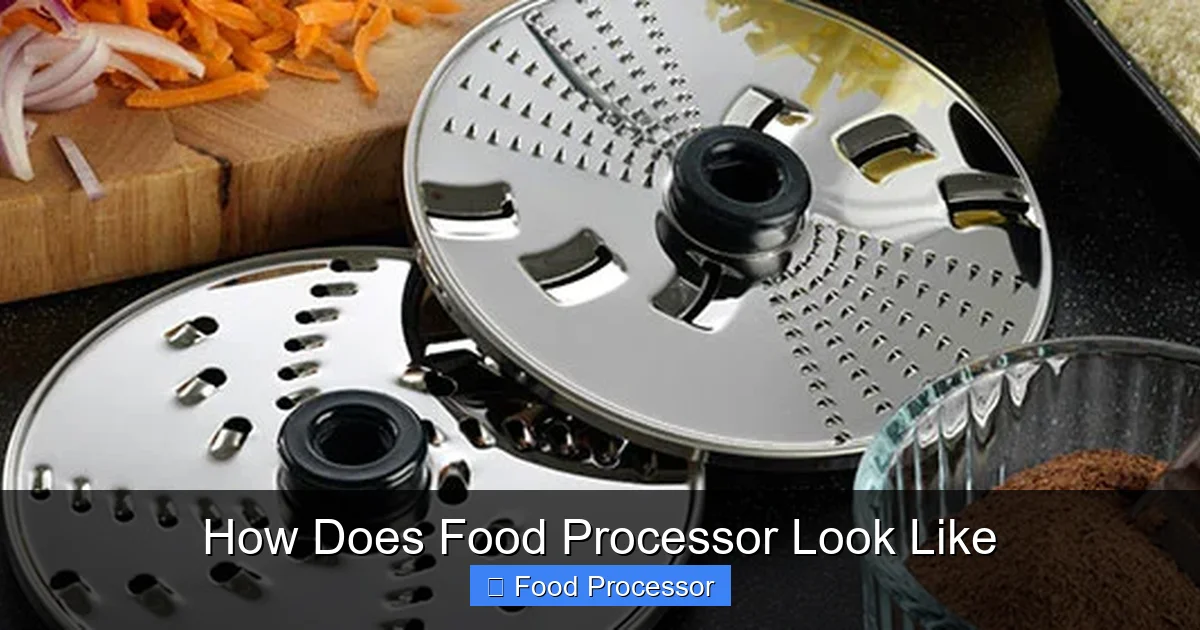
A food processor is a versatile kitchen appliance that makes food prep easier. It typically consists of a sturdy motor base, a transparent work bowl, a secure lid with a feed tube, and various sharp blades and discs. Understanding how these parts look and function together helps you choose the right model and use it effectively for chopping, slicing, shredding, and more.
How Does Food Processor Look Like
Ever wondered what a food processor actually looks like, or perhaps you’re thinking about buying one and want to get a good visual idea of its components? You’re in the right place! A food processor is a truly amazing kitchen appliance that can save you loads of time and effort. From chopping vegetables to kneading dough, it handles a remarkable variety of tasks. But before you dive into all its functionalities, it’s really helpful to understand its physical appearance and the purpose of each part.
This guide will walk you through the typical anatomy of a food processor. We’ll explore its core components, discuss the variations you might encounter, and even touch on how its design impacts its use and maintenance. By the end, you’ll have a clear picture in your mind of what a food processor looks like, inside and out!
Key Takeaways
- Motor Base: This is the heavy bottom part, usually made of plastic or metal, housing the powerful motor that drives the blades. It’s the core of the food processor.
- Work Bowl: A clear, sturdy plastic bowl that sits on the motor base, designed to hold ingredients during processing. Its transparency lets you monitor progress.
- Lid with Feed Tube and Pusher: The lid locks onto the work bowl for safety and features a cylindrical feed tube where ingredients are added. A pusher helps guide food into the blades.
- Blades and Discs: The food processor comes with various attachments, most notably an S-shaped chopping blade and several flat discs for slicing, shredding, and grating.
- Control Panel: Usually located on the motor base, it has buttons or a dial for “on,” “off,” and “pulse” settings, allowing precise control over processing.
- Safety Mechanisms: Modern food processors are designed with interlocking safety features, meaning the appliance won’t operate unless the bowl and lid are correctly secured.
- Variety in Size and Style: Food processors range from compact mini-choppers to large, full-size models, differing in capacity, power, and aesthetic design to suit various kitchen needs.
Understanding the Basics: What is a Food Processor?
Before we get into the nitty-gritty details of its appearance, let’s quickly define what a food processor is. In simple terms, it’s an electric kitchen appliance used to facilitate repetitive tasks in the preparation of food. Think chopping, slicing, shredding, grating, pureeing, and mixing. It’s distinct from a blender, which is primarily designed for liquids and creating smooth concoctions. A food processor, on the other hand, excels at processing solids and semi-solids.
Visually, most food processors share a common core design, even if specific models or brands have their unique stylistic twists. They are generally compact enough to sit on a kitchen counter and are built for stability and safety. Now, let’s break down exactly what a food processor looks like, piece by piece.
Step-by-Step Guide to a Food Processor’s Appearance
A typical food processor is made up of several key components that work together seamlessly. Let’s look at each one.
1. The Motor Base
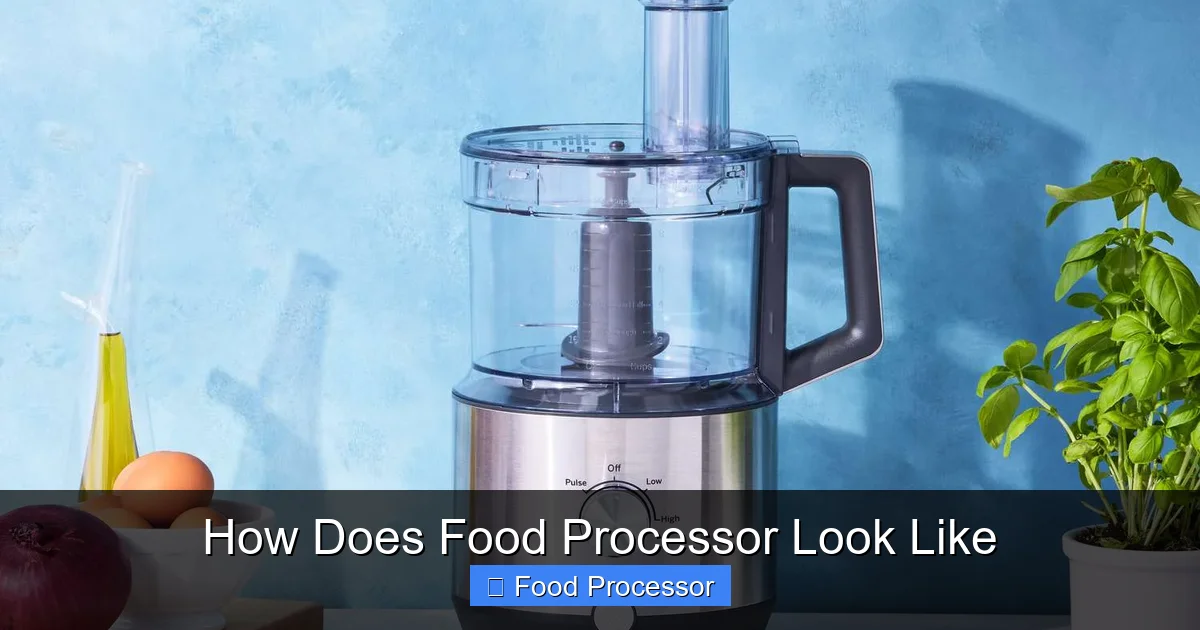
The motor base is the foundation of your food processor. It’s the heaviest part of the appliance and sits directly on your kitchen counter. Its primary function is to house the powerful electric motor that drives the blades and discs. When you consider what to look for when buying a food processor, the motor base’s stability and power are often key factors.
Visual guide about How Does Food Processor Look Like
Image source: realsimple.com
- Appearance: It typically has a sturdy, blocky, or slightly rounded shape. Most motor bases are made from durable plastic, often in white, black, silver, or sometimes vibrant colors. Higher-end models might feature brushed stainless steel finishes, giving them a more premium and sleek look.
- Weight: You’ll notice it feels quite heavy. This weight is intentional, as it helps stabilize the machine during operation, preventing it from “walking” across your counter when processing tough ingredients.
- Underside: On the bottom, you’ll usually find rubber feet or suction cups. These are there to grip the countertop securely, further enhancing stability and reducing vibration.
- Control Panel: The front or side of the motor base features the control panel. This usually consists of a few buttons (e.g., “On,” “Off,” “Pulse”) or a rotary dial. “Pulse” is a very common feature, allowing for short bursts of power for better control over the texture of your food.
2. The Work Bowl
Sitting directly on top of the motor base is the work bowl. This is where all the processing action happens.
- Appearance: The work bowl is almost always made from clear, heavy-duty plastic, usually Tritan or a similar shatter-resistant material. This transparency is crucial because it allows you to see the food as it’s being processed, so you can stop exactly when you achieve your desired consistency.
- Shape and Size: It’s generally cylindrical or slightly tapered, with a wide opening at the top. The size varies significantly between models. You can find small 3-cup choppers, mid-sized 7-12 cup models, and large 14-cup or even 20-cup commercial-grade processors. When thinking about how to choose the right size food processor, the work bowl capacity is the primary consideration.
- Handle: Most work bowls have a sturdy handle on one side, making it easy to lift, attach, and remove from the motor base.
- Spout: Some work bowls might have a small pouring spout, especially on larger models, to help transfer liquids or purees more easily.
- Locking Mechanism: The bottom of the work bowl has a mechanism that securely locks it onto the motor base. This is a critical safety feature; the food processor won’t turn on unless the bowl is properly attached and locked.
3. The Lid with Feed Tube and Pusher
The lid is perhaps one of the most distinctive and important parts of a food processor’s appearance and functionality.
- Appearance: Like the work bowl, the lid is typically made of clear, durable plastic, allowing you to see into the feed tube. It has a rounded or oval shape, designed to perfectly fit and seal the top of the work bowl.
- Locking Tabs: The lid has tabs or clips that securely lock it onto the work bowl. This is another essential safety interlock; the machine won’t operate unless the lid is correctly twisted and locked into place.
- Feed Tube: A prominent feature of the lid is the feed tube, a cylindrical opening. This is where you introduce ingredients into the work bowl while the food processor is running. Feed tubes can vary in size; some are wide enough to accommodate whole potatoes, while others are narrower.
- Pusher: Accompanying the feed tube is a pusher, sometimes called a food pusher or plunger. This is a smaller, usually tapered plastic cylinder that fits snugly inside the feed tube. You use it to push ingredients down towards the spinning blades or discs. It prevents your hands from getting too close to the blades and ensures even processing. Some pushers even have a small opening at the bottom to drizzle in liquids like oil while the machine runs.
4. Blades and Discs (Attachments)
This is where the food processor truly shines in versatility. A food processor comes with various sharp attachments, each designed for specific tasks.
- The S-Blade (Chopping/Mixing Blade): This is the most common and recognizable blade.
- Appearance: It’s a two-pronged, S-shaped metal blade with very sharp edges. It typically sits on a plastic hub that fits over a spindle in the work bowl.
- Function: It’s used for chopping, mincing, pureeing, mixing batters, and even kneading dough in some models. Its design ensures that food is constantly circulated and chopped evenly.
- Slicing/Shredding Discs: These are flat, round discs with specialized holes or blades.
- Appearance: They are usually made of stainless steel for sharpness and durability. They sit on top of the work bowl’s spindle, just under the lid. You’ll see different patterns: a series of razor-sharp slots for slicing (e.g., for cucumbers or potatoes), or rough, raised holes for shredding (e.g., for cheese or carrots). Some models offer reversible discs, with a slicing blade on one side and a shredding surface on the other.
- Function: These are fantastic for uniformly slicing vegetables, shredding cheese, or grating ingredients.
- Other Specialty Blades/Discs (Optional): Depending on the model, you might also find:
- Grating Disc: For fine grating of hard cheeses or zest.
- Julienne Disc: To create thin, matchstick-like strips.
- French Fry Disc: For making perfect homemade fries.
- Dough Blade: A blunt plastic S-blade designed for mixing and kneading dough without overworking it.
- Whisk/Emulsifying Disc: For whipping cream or creating emulsions like mayonnaise.
5. Accessories and Storage
Many food processors come with a range of accessories and may include storage solutions.
- Accessory Storage: Some larger food processors include a dedicated storage box or caddy for keeping the various blades and discs organized and safely put away. This often looks like a clear plastic box with slots for each attachment.
- Cleaning Tools: You might find a small spatula or brush designed to help clean the work bowl and blades, especially for removing sticky ingredients.
Variations in Food Processor Appearance
While the core components remain consistent, food processors come in various sizes and styles to suit different needs and kitchen aesthetics.
1. Full-Size Food Processors
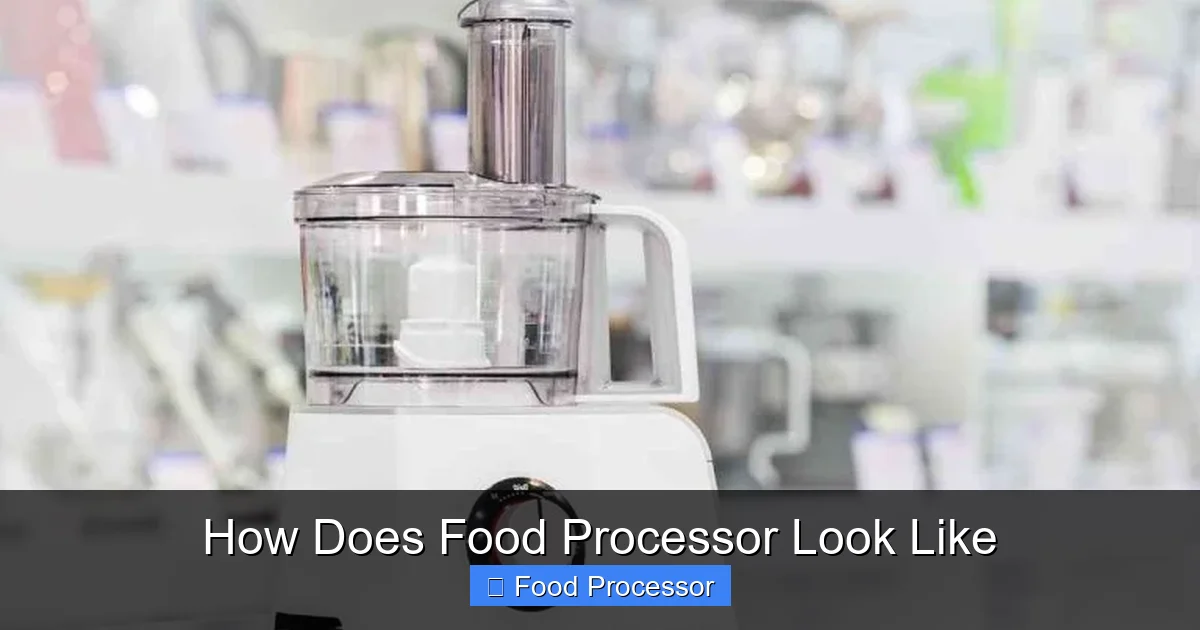
These are the workhorses of the kitchen. They typically have a capacity of 9 cups and above, with 12-14 cups being very common.
- Appearance: They are robust and often have a more substantial motor base. The work bowls are large, capable of handling significant quantities of food. They usually come with a wider array of blades and discs. These are what most people envision when they think of a food processor.
Visual guide about How Does Food Processor Look Like
Image source: foodiesfamily.com
2. Compact and Mini Food Processors
Perfect for smaller households or limited counter space.
- Appearance: These are scaled-down versions of their full-size counterparts. Capacity usually ranges from 3 to 7 cups. The motor base is smaller and lighter, and the work bowl and lid are proportionally reduced. They often have fewer attachments, sometimes just the S-blade and a reversible slicing/shredding disc. If you’re looking for a best compact food processor for small cabinets, these are your go-to.
- Food Choppers: Even smaller, usually 1-3 cup capacity, these are often just a motor unit that sits on top of a small work bowl with an S-blade. They are designed for quick, small chopping tasks like garlic or nuts and don’t typically include slicing/shredding discs.
3. All-in-One Systems
Some kitchen machines combine multiple functions.
- Appearance: These might look like a food processor but also include blender attachments, juicers, or even immersion blender components. They often have a more complex base or interchangeable power units.
Materials and Aesthetics
Beyond the functional design, the materials and aesthetics play a role in how a food processor looks and feels.
- Plastics: High-quality, BPA-free plastics (like Tritan) are standard for work bowls, lids, and pushers. The motor base housing is often ABS plastic. These materials are chosen for their durability, light weight, and ease of cleaning.
- Stainless Steel: Blades and discs are almost exclusively made of stainless steel for sharpness, hygiene, and rust resistance. Some motor bases feature stainless steel accents or a full stainless steel casing for a more premium look.
- Glass (Rare): While clear plastic is dominant for work bowls, a few premium models might offer glass work bowls. These are heavier and more fragile but offer excellent scratch resistance and can look quite elegant.
- Color and Finish: Common colors include black, white, silver, and red. Finishes can range from matte to glossy, or brushed metal. These aesthetic choices allow a food processor to blend in or stand out in various kitchen decors.
Understanding Your Food Processor’s Design for Use and Maintenance
The “look” of a food processor is not just about aesthetics; it’s deeply tied to its usability and safety.
1. Safety Interlocks
Notice how the work bowl and lid have specific notches and tabs? These are not just for alignment. They’re part of an intricate safety interlocking system. The food processor is designed not to power on unless the bowl is correctly seated on the base AND the lid is securely locked onto the bowl. This visual cue – seeing the bowl and lid aligned and clicked into place – tells you the machine is ready and safe to operate. This also highlights why it’s important to know how to assemble food processor step by step correctly.
2. Easy Assembly and Disassembly
The clear distinction of each part means a food processor is generally straightforward to assemble and disassemble for cleaning. You can easily see how the work bowl fits onto the base, how the spindle goes in, how the blade slides on, and how the lid locks into place. This modular design is key to its user-friendliness.
3. Cleaning Considerations
The smooth surfaces of the plastic work bowl and lid, along with the stainless steel blades, make most components relatively easy to clean. Many parts are dishwasher-safe, which is a huge convenience. The motor base, however, should only be wiped clean with a damp cloth, as it contains electrical components.
Tips for Choosing a Food Processor Based on Appearance and Functionality
When you’re looking to buy a food processor, its appearance can tell you a lot about its potential performance and how it might fit into your kitchen.
- Size: Visually assess the work bowl size. A larger bowl means more capacity for bulk cooking but also takes up more counter and storage space. A smaller one is nimble but limits batch sizes.
- Motor Base: A heavier, more substantial motor base often indicates a more powerful and durable motor, which is crucial for tackling tough ingredients like dough or hard vegetables.
- Materials: Look for clear, thick, high-quality plastic for the work bowl and lid. Stainless steel blades should look sharp and well-constructed.
- Control Panel: Consider if the control panel (buttons/dial) looks intuitive and easy to clean.
- Feed Tube: A wider feed tube can be a big advantage, as it reduces the need to pre-cut ingredients extensively.
Troubleshooting: Appearance Clues
Sometimes, a food processor might not turn on. Often, the visual setup can give you clues. If your food processor isn’t turning on, double-check that the work bowl is fully seated and locked onto the motor base, and that the lid is securely locked onto the work bowl. If any part looks misaligned or not fully engaged, the safety interlocks prevent operation. This is a common visual troubleshooting step before assuming a deeper electrical issue.
Conclusion
So, what does a food processor look like? It’s a thoughtfully designed kitchen appliance composed of a powerful motor base, a clear work bowl, a secure lid with a feed tube and pusher, and an assortment of sharp blades and discs. Its appearance speaks volumes about its functionality: sturdy, transparent for visibility, and equipped with safety features to ensure smooth and secure operation.
Understanding the visual elements of a food processor empowers you to choose the right model for your needs, use it safely and efficiently, and even troubleshoot minor issues by simply checking if all its components are correctly assembled. This versatile tool is a true game-changer for anyone who loves to cook, making tedious prep tasks a thing of the past and allowing you more time to enjoy your culinary creations.
