
The Ninja Food Processor simplifies meal prep with its powerful motor and versatile attachments. Understanding its components and proper assembly is key to unlocking its full potential, from chopping and slicing to pureeing and dough making. This guide will walk you through every step to master your Ninja Food Processor efficiently and safely, ensuring delicious results for all your culinary adventures.
How Does Ninja Food Processor Work
Welcome to the ultimate guide on how your Ninja Food Processor works! If you’ve recently added this powerful kitchen appliance to your countertop or are simply curious about unlocking its full potential, you’re in the right place. A Ninja Food Processor isn’t just another gadget; it’s a versatile workhorse designed to significantly cut down your meal prep time, making cooking more enjoyable and efficient.
Ninja food processors are known for their robust motors, sharp blades, and intuitive designs. They can handle a wide array of tasks, from finely chopping vegetables and shredding cheese to mixing dough and pureeing ingredients for sauces and dips. Understanding how each component works together and how to use it safely and effectively is key to mastering this culinary tool.
In this comprehensive guide, we’ll walk you through everything you need to know. We’ll cover its core components, step-by-step assembly, how to prepare your ingredients, choose the right attachments, and operate your Ninja Food Processor like a pro. We’ll also dive into practical tips, common tasks, and a troubleshooting section to help you overcome any hurdles. By the end of this article, you’ll be confidently creating culinary masterpieces with your Ninja Food Processor. Let’s get chopping!
Key Takeaways
- Understanding Components is Crucial: Familiarize yourself with the motor base, work bowl, lid, and blade assemblies to operate your Ninja Food Processor safely and effectively.
- Safety First, Always: Before operating, ensure proper assembly, secure locking, and always keep hands clear of blades. Disconnect power before cleaning or disassembling.
- Blade Selection Matters: Choose the correct blade (chopping, dough, slicing/shredding disc) for your specific task to achieve desired results and prevent damage to the appliance or ingredients.
- Master the Pulse Function: Use the pulse setting for controlled chopping and to avoid over-processing. Continuous settings are best for pureeing or mixing dough.
- Proper Loading Techniques: Cut ingredients into manageable, uniform pieces and avoid overfilling the work bowl for optimal performance and consistent results.
- Regular Cleaning and Maintenance: Disassemble and clean all removable parts promptly after each use. Proper care extends the lifespan of your Ninja Food Processor.
- Troubleshooting Simple Issues: If your Ninja Food Processor isn’t working, check the power connection, lid security, and blade assembly before assuming a major fault.
Understanding the Core Components of Your Ninja Food Processor
Before you begin, it’s helpful to know the basic parts that make up your Ninja Food Processor. While specific models may vary slightly, the core components remain consistent:
-
Motor Base
This is the heart of your Ninja Food Processor. It houses the powerful motor that drives the blades and attachments. Most Ninja bases are designed for stability and feature intuitive controls like “Pulse,” “Low,” “Medium,” or “High” speed settings, and sometimes specialized functions like “Dough” or “Chop.” It’s crucial to ensure this base is always on a stable, flat surface before operation.
-
Work Bowl (or Processing Bowl)
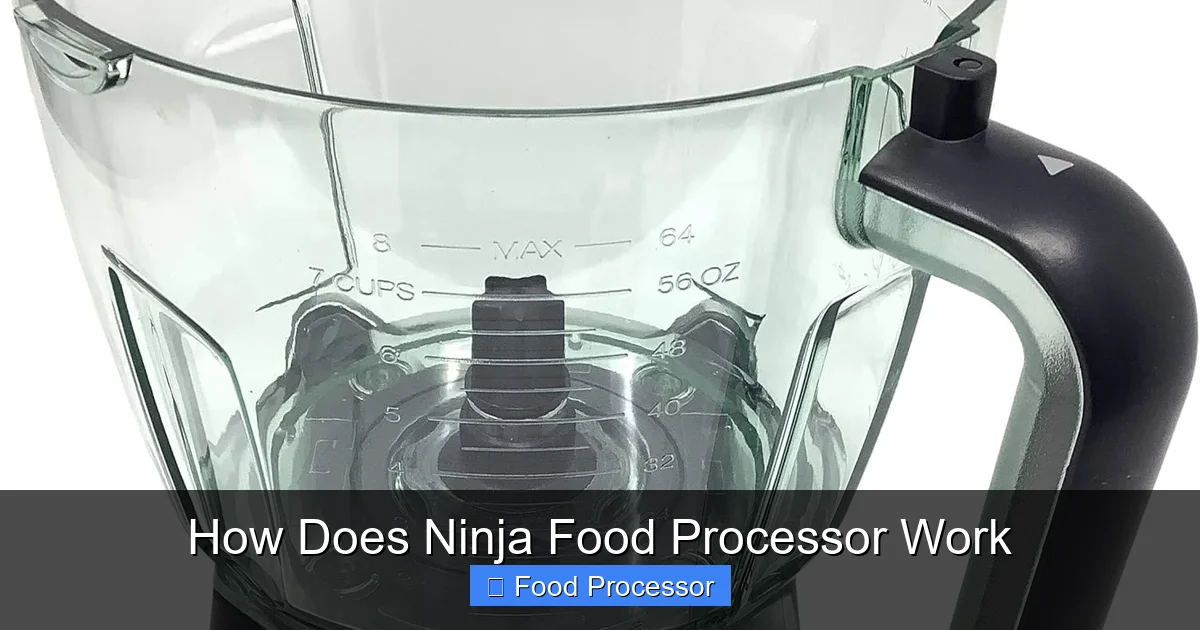
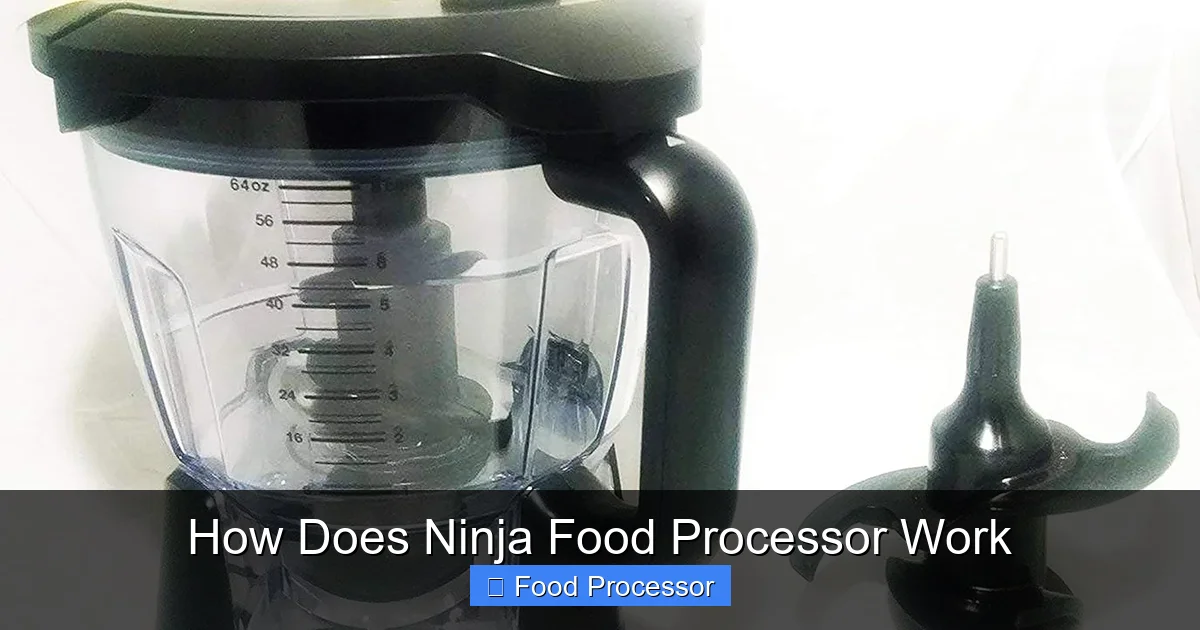
This is where all the action happens. The work bowl, typically made of durable plastic, fits onto the motor base and holds your ingredients. Ninja Food Processor bowls come in various sizes, often indicated in cups, suitable for different batch sizes. They feature a central spindle onto which the blade assemblies or discs are placed.
-
Lid with Feed Chute
The lid is essential for safety and function. It locks securely onto the work bowl, engaging a safety mechanism that prevents the motor from starting if not properly secured. The feed chute, a wide opening on the lid, allows you to add ingredients while the machine is running, which is particularly useful for continuous processing like slicing or shredding.
-
Blade Assemblies
This is where Ninja truly shines. Unlike many traditional food processors that use a single S-blade at the bottom, many Ninja Food Processor models often feature stacked blade assemblies. These blades extend up the center spindle, providing more thorough and even processing. Common blade types include:
- Chopping/S-Blade: The most common blade, used for chopping, mincing, pureeing, and mixing. It’s an S-shaped blade with very sharp edges.
- Dough Blade: Typically a plastic blade designed for mixing and kneading dough without overworking it.
- Slicing/Shredding Discs: Some Ninja Food Processors come with reversible discs for slicing and shredding. These fit onto the central spindle, just below the lid, allowing you to slice or shred ingredients that are fed through the chute.
Safety First: Essential Precautions for Your Ninja Food Processor
Operating any powerful kitchen appliance requires a focus on safety. Your Ninja Food Processor is no exception. Always remember these crucial safety tips:
- Read Your Manual: Before first use, always read the specific user manual for your Ninja Food Processor model. It contains vital safety instructions and operational details.
- Unplug When Not In Use: Always ensure the appliance is unplugged when assembling, disassembling, cleaning, or when reaching into the work bowl.
- Keep Hands Clear: Never put your hands or utensils into the work bowl while the appliance is plugged in or operating. Use the provided food pusher for the feed chute.
- Secure the Lid: The Ninja Food Processor has a safety interlock system. The motor will not start unless the work bowl and lid are correctly assembled and locked into place. Always ensure they click securely.
- Stable Surface: Always operate your Ninja Food Processor on a clean, dry, and stable countertop to prevent it from moving or tipping during use.
- Handle Blades Carefully: The blades are extremely sharp. Always handle them by the central hub or plastic gripping area, never by the cutting edges.
- Avoid Overloading: Do not exceed the maximum fill lines indicated on your work bowl. Overloading can strain the motor and lead to inconsistent results.
Assembling Your Ninja Food Processor Step-by-Step
Proper assembly is crucial for both safety and performance. Here’s a general guide on how to assemble your Ninja Food Processor:
H3 Place the Motor Base
Set the motor base securely on a clean, dry, and flat countertop. Ensure it’s plugged into a grounded electrical outlet.
Visual guide about How Does Ninja Food Processor Work
Image source: m.media-amazon.com
Visual guide about How Does Ninja Food Processor Work
Image source: ninjafoodtech.com
H3 Position the Work Bowl
Place the work bowl onto the motor base. Depending on your model, you might need to align an arrow on the bowl with one on the base and then twist it clockwise until it clicks into place. You can find more detailed visual instructions on how to assemble a food processor step by step in other resources.
H3 Insert the Blade Assembly
Carefully lower your chosen blade assembly onto the central spindle inside the work bowl. Hold it by the plastic hub, not the blades. Ensure it sits firmly down.
- Tip: For slicing/shredding discs, place the disc onto the spindle *after* the chopping blade (if applicable) or directly on the spindle, ensuring it’s oriented correctly (slicing side up or shredding side up).
H3 Add Your Ingredients
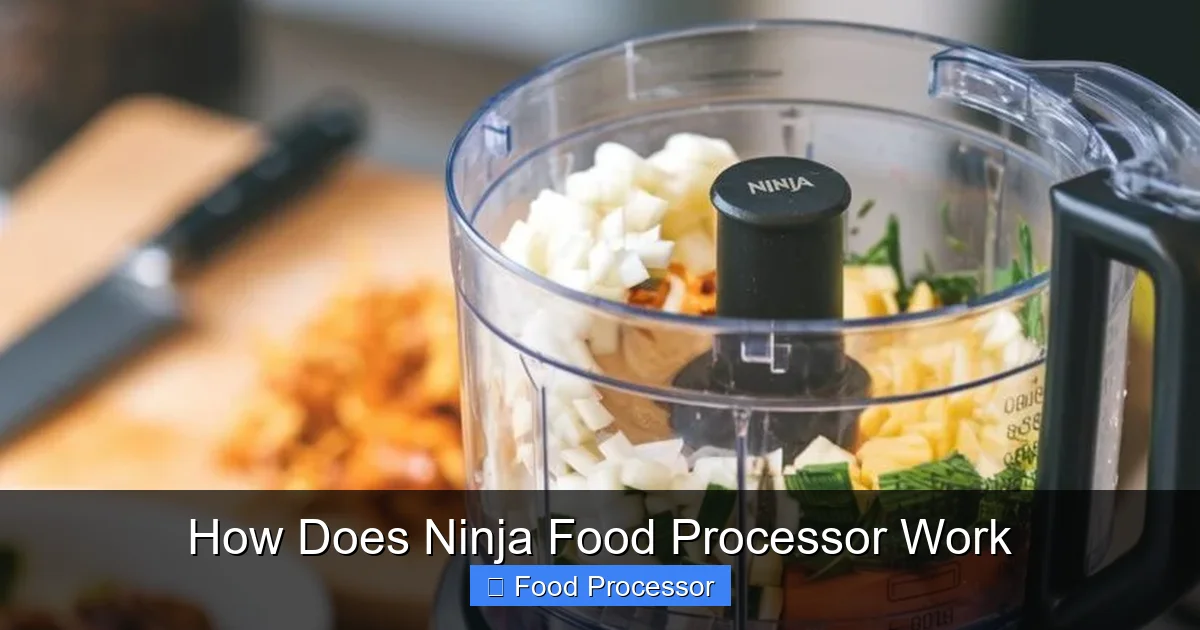
Place your prepped ingredients into the work bowl, being mindful not to exceed the “MAX FILL” line. For the best results, process smaller batches rather than overfilling.
H3 Secure the Lid
Place the lid onto the work bowl. Align the locking tabs on the lid with the handles or slots on the work bowl. Twist the lid clockwise until it locks securely into place. You’ll often hear an audible click, and sometimes an arrow on the lid will align with one on the bowl or handle. The appliance will not operate if the lid is not correctly locked.
Preparing Your Ingredients for Optimal Processing
The way you prepare your ingredients directly impacts the efficiency and results of your Ninja Food Processor.
-
Cut Uniformly
For consistent results, cut larger ingredients into roughly uniform sizes. For example, if you’re chopping carrots, cut them into 1-inch pieces. This allows the blades to process them evenly.
-
Remove Skins and Pits
Unless a recipe specifically calls for it, remove tough skins, seeds, and pits from fruits and vegetables. These can dull blades or create unwanted textures.
-
Don’t Overfill
Always respect the “MAX FILL” line on your work bowl. Overfilling can strain the motor, lead to inconsistent chopping (some pieces are mush, others are whole), and potentially damage your appliance.
-
Chill Soft Ingredients
For items like soft cheese or some fruits, chilling them slightly before processing can make them firmer and easier to shred or chop without turning mushy.
Choosing the Right Blade or Attachment
Your Ninja Food Processor is versatile because of its different attachments. Selecting the correct one is crucial for your task:
-
Chopping/S-Blade
This is your go-to for most tasks: chopping onions, mincing garlic, making breadcrumbs, pureeing soups, making pestos, or even chopping vegetables like bell peppers and celery for a mirepoix. It’s designed for rapid, efficient processing of various textures.
-
Dough Blade
If your Ninja Food Processor comes with a plastic dough blade, use it for kneading bread dough, mixing cookie dough, or making pastry crusts. It’s gentler than the S-blade, preventing gluten development from becoming too tough.
-
Slicing/Shredding Discs
These are fantastic for uniformly slicing vegetables like cucumbers, potatoes, or carrots, or for shredding cheese or cabbage. For example, to shred cabbage, you’d insert the shredding disc, lock the lid, and feed the cabbage wedges through the feed chute using the food pusher.
- Important: Always use the food pusher when using slicing/shredding discs. Never use your fingers.
Operating Your Ninja Food Processor
Once assembled and ingredients are prepped, it’s time to put your Ninja Food Processor to work!
H3 Plugging In and Powering On
Ensure the Ninja Food Processor is securely plugged into an outlet. Most models will have indicator lights if powered on. The motor will only engage once the work bowl and lid are properly locked.
H3 Selecting Speed and Function
Your Ninja Food Processor will have various buttons or a dial for speed control:
- Pulse: This is your most important control. It provides short bursts of power. Use it for controlled chopping, mincing, or when you need varying textures. A quick pulse followed by a pause allows ingredients to fall back down to the blades for even processing.
- Low/1, Medium/2, High/3: These settings provide continuous power at different speeds. Use lower speeds for mixing or lighter ingredients, and higher speeds for pureeing, blending, or tougher ingredients.
- Specific Functions (e.g., Dough, Chop, Puree): Some advanced Ninja Food Processor models offer pre-programmed settings for specific tasks. These optimize speed and duration for best results.
H3 Processing Techniques
-
Pulsing for Control
For most chopping tasks, use short, quick pulses (1-2 seconds each) rather than continuous running. This gives you control over the texture and prevents over-processing, which can turn ingredients into a paste or liquid.
-
Continuous Processing
When making purees, sauces, nut butters, or mixing dough, a continuous run might be more appropriate. Start on a lower speed and gradually increase if needed, always keeping an eye on the consistency.
-
Using the Feed Chute
When slicing or shredding, or when adding liquids like oil for emulsifying (e.g., mayonnaise), use the feed chute. Slowly add ingredients through the opening while the machine is running, using the food pusher to guide them down.
Cleaning and Maintenance
Proper cleaning and maintenance will extend the life of your Ninja Food Processor and keep it hygienic.
- Unplug First: Always unplug the appliance from the power outlet before cleaning or disassembling.
- Disassemble: Carefully remove the lid, blade assembly, and work bowl from the motor base.
- Hand Wash or Dishwasher: Most Ninja Food Processor work bowls, lids, and blade assemblies are dishwasher safe (top rack recommended). However, hand washing with warm, soapy water is often preferred for blades to maintain their sharpness. Be extremely careful when handling sharp blades.
- Clean the Motor Base: Wipe the motor base with a damp cloth. Never immerse the motor base in water or any other liquid.
- Dry Thoroughly: Ensure all parts are completely dry before reassembling or storing to prevent mildew or rust.
- Store Safely: Store blades in a safe place, ideally within the work bowl to prevent accidental cuts.
Troubleshooting Common Ninja Food Processor Issues
Sometimes, your Ninja Food Processor might not cooperate. Here are a few common issues and their solutions:
-
Ninja Food Processor Not Turning On
Check Power: Ensure the power cord is firmly plugged into a working electrical outlet. Test the outlet with another appliance if unsure.
Check Assembly: The most common reason for this is improper assembly. The Ninja Food Processor has a safety interlock system. Ensure the work bowl is twisted securely onto the motor base, and the lid is fully locked onto the work bowl. You should hear a click or feel it snap into place.
Overheating: If the unit has been running for a long time or processing tough ingredients, it might have an automatic shut-off due to overheating. Unplug it and let it cool down for at least 15-30 minutes before trying again.
-
Blade Not Spinning
Check Assembly: Ensure the blade assembly is correctly seated on the central spindle of the work bowl. It should slide all the way down. Also, double-check that the lid is locked securely, as this can affect blade engagement.
Overfilling: Too many ingredients or ingredients that are too large or dense can jam the blades. Remove some ingredients and try again with smaller batches. If you encounter a situation where the blade isn’t spinning, you might find specific solutions in our guide on how to fix food processor blade not spinning.
Motor Issue: If the motor runs but the blade doesn’t spin, the drive coupling (the part that connects the motor to the blade) might be stripped or damaged. This usually requires professional service or replacement parts.
-
Inconsistent Chopping/Processing
Ingredient Size: Ensure ingredients are cut into uniform, manageable pieces before adding them to the bowl.
Overfilling: Reduce the quantity of ingredients. Process in smaller batches.
Pulsing Technique: Use short pulses and allow ingredients to settle between pulses for more even results. This allows the ingredients at the top to fall down to the blades.
Tips for Best Results with Your Ninja Food Processor
- Process in Batches: Don’t overload. Processing smaller quantities yields more consistent results and is gentler on your motor.
- Start Slow: Especially for delicate ingredients or when you’re unsure, start with the pulse function or a low speed.
- Add Liquids Slowly: When making dressings or sauces, drizzle liquids like oil through the feed chute while the machine is running for better emulsification.
- Use the Food Pusher: Always use the food pusher when feeding ingredients through the chute for slicing or shredding. Never use your fingers!
- Chop Dry Ingredients First: If a recipe calls for both wet and dry ingredients, process the dry ones first, remove them, then process the wet ones to avoid a clumpy mess.
- Freeze Soft Cheeses: For easier shredding of soft cheeses like mozzarella, pop them in the freezer for 15-20 minutes beforehand to firm them up.
Conclusion
Your Ninja Food Processor is a powerful and versatile kitchen companion, designed to simplify countless cooking tasks. By understanding its components, practicing safe operation, and utilizing the right techniques and attachments, you can transform your meal prep experience. From quick weeknight meals to elaborate culinary projects, mastering your Ninja Food Processor will save you time, effort, and inspire creativity in the kitchen.
Remember, practice makes perfect. Don’t be afraid to experiment with different ingredients and functions. With this guide, you’re well-equipped to get the most out of your appliance and enjoy delicious, homemade results every time. Happy processing!
