

Clean an ice cream maker without disassembly using warm water, mild soap, and soft brushes.
I have cleaned dozens of machines and taught others easy, safe ways to clean an ice cream maker without disassembly. This guide shows step-by-step methods, fast tricks, and safe cleaners you can use when you cannot or do not want to take your machine apart. I explain what works, what to avoid, and how to remove stubborn residue while protecting seals and motors.

Why cleaning without disassembly matters
Many home makers are sealed or hard to take apart. You may not want to void a warranty. Cleaning without disassembly keeps seals intact and reduces risk to delicate parts. It also saves time on busy days when you just need a quick clean between batches. I’ve used these techniques on both electric and manual machines with good results.

Tools and supplies you need
Use safe, household items you likely have on hand. Keep tools simple and food-safe.
- Warm tap water for rinsing and loosening residue.
- Mild dish soap that cuts fat but is gentle on parts.
- Soft bristle brush or small bottle brush to reach nooks.
- Microfiber cloths or soft sponge to wipe surfaces.
- White vinegar for deodorizing and mild sanitizing.
- Baking soda for gentle scrubbing on sticky spots.
- Food-safe sanitizing solution or diluted bleach for occasional deep sanitize (follow label).
- Spray bottle to apply cleaner to tight spots.
- Paper towels for drying small crevices.

Step-by-step: how to clean ice cream maker without disassembly
Follow this clear routine after each use for the best results. The aim is to remove dairy and sugar that feed bacteria and create odors.
- Turn off and unplug the machine. Wait until the bowl and churn stop moving and cool slightly.
- Scoop out leftover ice cream. Use a silicone spatula to avoid scratching coating.
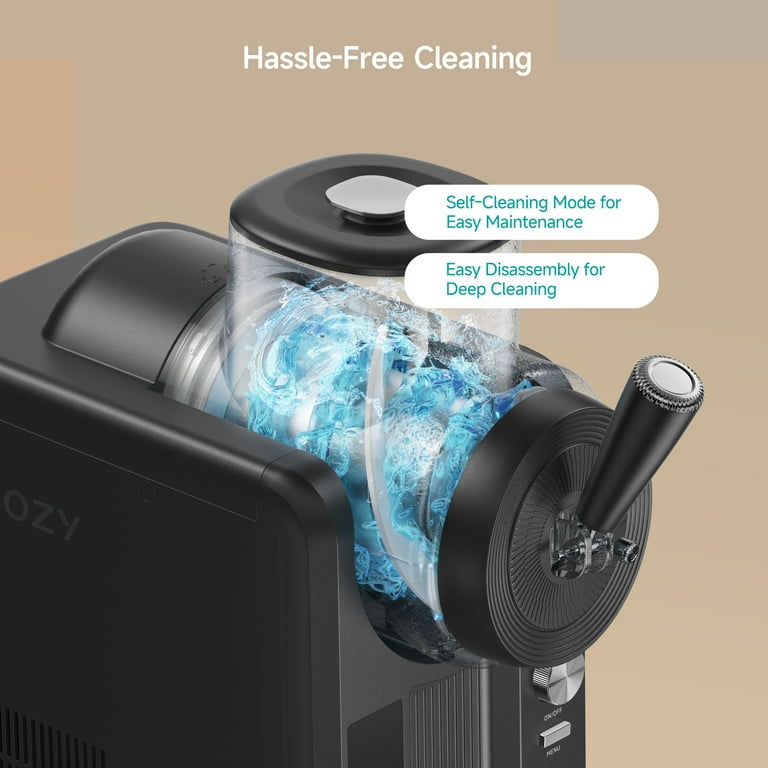
- Rinse the bowl and paddle area with warm water. Fill the bowl about one-third with warm water and run a short churn cycle for 1–2 minutes to loosen residue.
- Drain and add warm soapy water. Use mild dish soap in a bowl of warm water and run another short cycle to clean inner surfaces.
- Stop, drain, and scrub accessible areas with a soft brush. Focus on the seam between paddle and bowl, spouts, and the lid lip.
- Rinse thoroughly. Run a final cycle with plain warm water to remove soap.
- Wipe external parts and rims with a damp cloth. Dry with a microfiber towel to prevent water spots and mold.
- Air dry with lid off for at least one hour to ensure all moisture evaporates.
I often run a warm-water rinse cycle immediately after use. It takes two minutes and prevents hardened residue. This small habit saves a lot of deep cleaning later.
Deep cleaning tips for stubborn residue
If sugar or fat has baked on, try these safe methods before disassembly.
- Use warm vinegar soak cycles. Mix one part white vinegar to three parts water. Run a short cycle to loosen mineral and milk scale.
- Apply a paste of baking soda and water to sticky spots. Let sit five to ten minutes, then brush gently.
- Use a soft-bristled toothbrush to clean tight seams and the paddle shaft without removing parts.
- For chocolate or fruit stains, add a few drops of lemon juice to warm water to help break down pigments.
- Avoid abrasive pads or metal tools. They can scratch non-stick surfaces and trap bacteria.
From experience, vinegar cycles plus a soft brush remove most stubborn buildup. When residue persists, repeat the warm-soak cycle before trying stronger chemicals.

How to sanitize and deodorize safely
Sanitizing is key when you make ice cream often. Do this periodically.
- Use a food-safe sanitizer according to the label for quick, safe sanitation.
- For a household option, mix 1 tablespoon of unscented bleach in 1 gallon of water. Wipe or run a short rinse cycle, then rinse thoroughly with plain water.
- To remove odors, run a cycle with 1 cup of white vinegar diluted in warm water. Follow with a plain water rinse.
- For mild deodorizing, place a small bowl of baking soda inside the bowl overnight (with the lid on) after wiping dry.
Always rinse well after any sanitizer. Residual chemicals can affect flavor and safety.
Maintenance and prevention tips
Small habits prevent big cleaning jobs. Try these tips.
- Clean right after use. Warm residue comes off much easier.
- Run a rinse cycle between flavors to avoid cross-flavoring.
- Dry parts well. Moisture invites mold and odors.
- Store with the lid open or slightly ajar to let air circulate.
- Check seals and gaskets for cracks. Replace worn parts promptly.
- Read the manual. Some bowls or lids are dishwasher safe—only skip disassembly if the manual allows it.
I learned the hard way that leaving the lid closed traps moisture and creates a sour smell. Now I always dry and prop the lid open.

Troubleshooting common problems
Short fixes for frequent issues keep your maker running.
- Problem: Lingering odor after cleaning.
- Solution: Run a vinegar rinse cycle and let air dry. Repeat if needed.
- Problem: Sticky residue remains after soapy cycles.
- Solution: Use baking soda paste and a soft brush. Repeat warm rinse cycles.
- Problem: Motor slows after cleaning.
- Solution: Ensure no water got into the motor housing. Let the unit dry fully for 24 hours before reuse.
- Problem: Milky film on lid or rim.
- Solution: Clean with a vinegar solution and rinse well.
- Problem: Scratches from cleaning.
- Solution: Avoid abrasive tools and use only soft brushes or cloths.
Personal tips and mistakes to avoid
Here are real lessons I picked up from years of kitchen use.
- Tip: Run short rinse cycles often. It saves time overall.
- Tip: Use silicone spatulas; they are gentle and lift hidden residue.
- Mistake to avoid: Don’t spray water directly into motor vents. I once caused a short by hosing the motor area.
- Mistake to avoid: Don’t use strong bleach frequently. It can degrade seals over time.
- Tip: Keep a small brush set near the machine for quick touch-ups.
These small practices keep your maker clean and extend its life.

How to clean different types of machines without disassembly
Different designs need slight tweaks, but the core idea is the same.
- Compressor machines: Focus on the bowl and paddle. Avoid spraying the compressor housing. Run rinse cycles and wipe the base.
- Freezer-bowl machines: Soak and run rinse cycles after the bowl warms slightly. Do not put the frozen bowl in hot water suddenly.
- Ice-and-salt churns: Remove salt remnants from the base rim and lid using a damp cloth. Avoid getting salt into moving parts.
- Manual hand-crank makers: Clean with warm, soapy water and a brush. Dry gears carefully to prevent rust.
When in doubt, consult the manual. It will often list parts safe for hand cleaning and parts that need special care.
When you must disassemble
Sometimes disassembly is unavoidable. Signs you need to open the unit:
- Persistent mold in hidden seams.
- Hard, thick crusts that soak cycles cannot remove.
- Rod or shaft buildup that prevents movement.
- Manufacturer guidance for deep cleaning.
If you must disassemble, follow the manual. Take photos as you remove parts to help reassembly. If the unit is under warranty, check whether disassembly voids coverage.
Frequently Asked Questions of how to clean ice cream maker without disassembly
How often should I clean my ice cream maker without disassembly?
Clean after every use if possible. A quick rinse and short cycle remove most residue and stop odors.
Is vinegar safe to use inside my ice cream maker?
Yes, white vinegar is safe and mild. Use diluted vinegar and follow with a plain water rinse.
Can I use the dishwasher for parts if I don't disassemble?
Only if the manual states parts are dishwasher-safe. If unsure, stick to hand cleaning to avoid damage.
Will running a warm water cycle damage the machine?
No, running short warm water cycles is safe and helpful. Avoid very hot water on sealed plastic parts.
What cleaner removes sticky fruit or chocolate best?
A baking soda paste and warm soapy water work well. Let the paste sit, then brush gently and rinse.
Conclusion
Cleaning an ice cream maker without disassembly is simple, safe, and effective when you use warm water, mild soap, and soft tools. Regular rinse cycles, targeted scrubbing with a soft brush, and occasional vinegar or baking soda treatments prevent buildup and odors. Start rinsing right after use, dry parts well, and follow the manual for special care. Try these steps today to keep your maker ready for the next scoop, and leave a comment or subscribe for more easy kitchen care tips.
