

Convert a propane grill to natural gas using a certified conversion kit and a hardline hookup.
I’ve converted several grills and written this clear guide on how to convert propane grill to natural gas. I will walk you through parts, safety checks, step-by-step instructions, and common problems. Read on to learn practical tips from real experience so you can decide if a DIY conversion or hiring a pro is right for you.

Why convert a propane grill to natural gas?
Many homeowners want steady fuel and lower long-term costs. Converting lets you skip heavy tanks and refill trips. Learning how to convert propane grill to natural gas saves time and often money over years.
Natural gas gives a constant flow and runs from the house line. For frequent grillers, the convenience pays off fast.

Is converting safe and legal?
Rules vary by city and state. Some areas allow DIY conversions only if the grill manufacturer offers a conversion kit and instructions. Check local codes and your grill warranty before you start.
If local law or your grill manual requires a licensed gas fitter, hire one. Safety matters: gas leaks can be dangerous and require certified testing.

What you need before converting
Prepare tools and parts before you begin. Here’s a simple checklist to follow when you learn how to convert propane grill to natural gas.
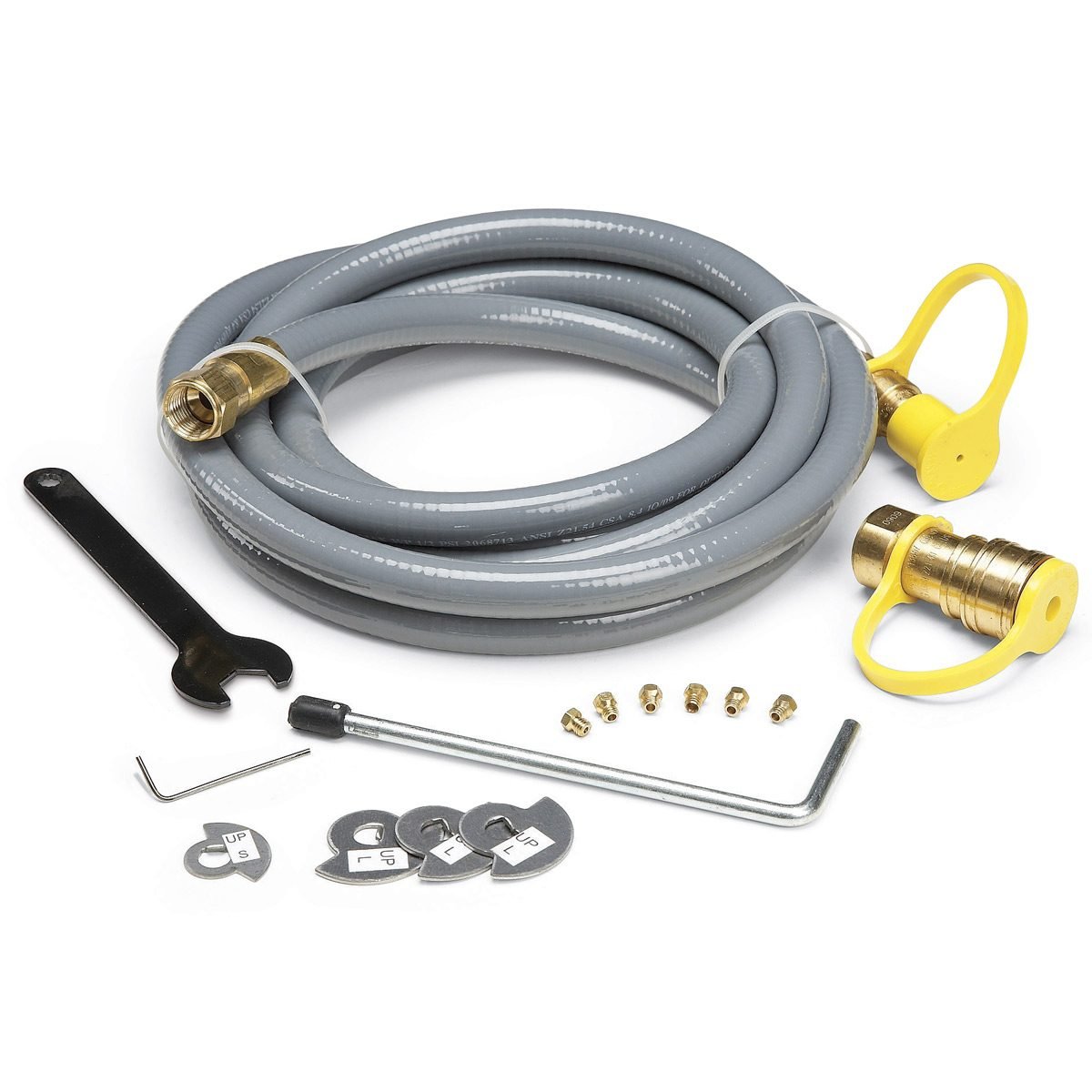
- Conversion kit designed for your grill model, including jets and fittings.
- Natural gas hose or hard pipe, and a shut-off valve.
- Pipe tape (gas-rated), wrench set, and leak test solution or soapy water.
- A manometer or gas leak detector if available.
- Personal protective gear: gloves and safety glasses.
- Manufacturer instructions and local code information.
Double-check the kit fits your grill model. Using the wrong parts can cause poor performance or safety risks.

Step-by-step guide to convert propane grill to natural gas
Follow these clear steps to learn how to convert propane grill to natural gas safely. Read each step fully before acting.
- Read the manual and confirm compatibility.
- Find your grill model number and confirm the manufacturer offers a conversion kit. Do not proceed if the manual forbids conversion.
- Turn off and disconnect the propane tank.
- Close the valve, remove the tank, and let the grill cool fully.
- Remove the regulator and LP fittings.
- Unscrew the propane regulator and any LP hoses attached to the grill.
- Install the natural gas orifice and parts from the kit.
- Replace LP jets with natural gas jets as the kit instructs. Tighten fittings securely but avoid over-torquing.
- Connect the natural gas line.
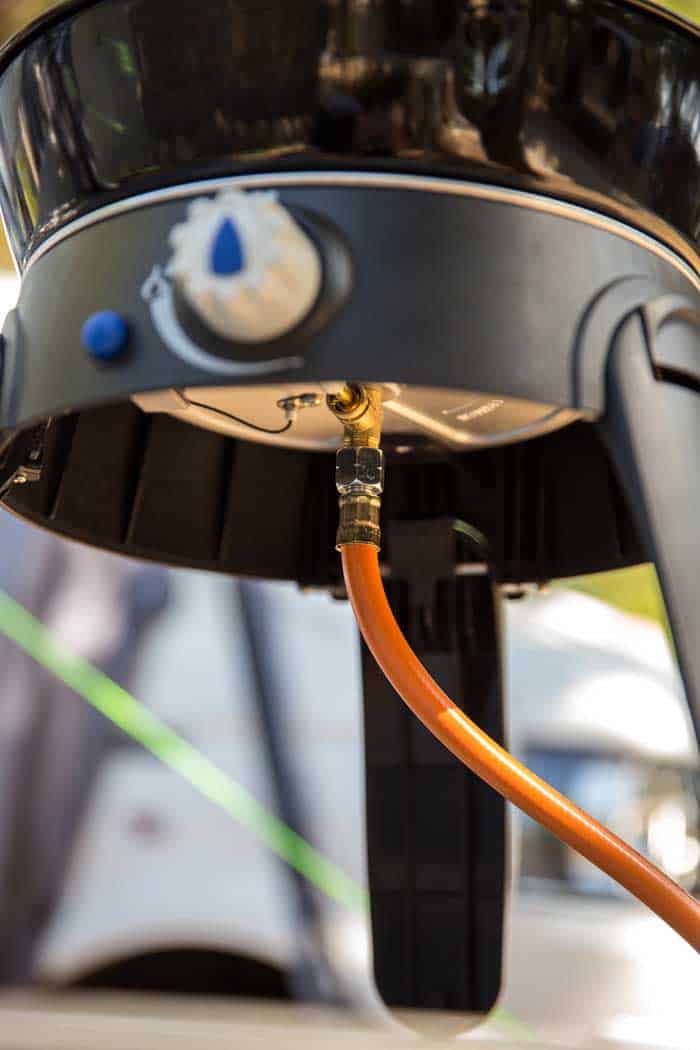
- Attach the natural gas hose or hard pipe to the grill inlet using gas-rated fittings and tape. If using a flexible hose, ensure it’s certified for outdoor natural gas use.
- Add a shut-off valve and test point.
- Install a manual shut-off near the grill. This helps isolate the grill for maintenance and emergency shutoff.
- Perform a leak test.
- With gas turned on at low pressure, apply soapy water to connections. Watch for bubbles. Fix any leaks and retest.
- Light burners and check flame patterns.
- Burn each burner one at a time. Natural gas flames should be steady and mostly blue with small yellow tips.
- Adjust air shutters or pressure if needed.
- If flames are loud, uneven, or yellow, adjust air shutters or consult a pro to check line pressure.
- Final safety check.
- Recheck all connections and verify the grill works well on high and low settings.
If you feel uncomfortable at any step, stop and call a licensed gas technician. Safety is more important than saving a few dollars.
Common issues and troubleshooting
Problems can happen after you convert propane grill to natural gas. Here are simple fixes I’ve used firsthand.
- Low flame or weak heat: Check orifices are correct and clean. Ensure house gas pressure is sufficient.
- Yellow or sooty flame: Increase primary air by opening the air shutter slightly. If problem persists, have line pressure tested.
- Hissing at high speed: Loose fitting or damaged hose—tighten or replace the part and retest with soapy water.
- Burners not lighting: Clear clogged ports with a soft wire brush. Verify correct jet size and orientation.
- Grill backfires: Turn off gas and let it sit. Inspect for blockages or incorrect orifice installation.
When in doubt, call a pro to test pressure and inspect piping. I once spent extra time chasing a leak that a pro found quickly.

Maintenance and safety after conversion
Keep your converted grill safe and efficient with regular care. These routines helped me avoid trouble after multiple conversions.
- Inspect connections monthly for wear and leaks using soapy water.
- Clean burners and ports at least twice a season to keep flames stable.
- Verify the shut-off valve works before each season.
- Protect the natural gas hose from heat and physical damage.
- Schedule an annual inspection by a licensed professional if required by local code.
Document the conversion and keep the kit instructions with your grill. This helps future owners and inspectors.

Cost comparison and benefits
Knowing costs helps decide if learning how to convert propane grill to natural gas is worth it. Here’s a simple view.
- Upfront cost: Conversion kit $20–$150, parts and tools $50–$200, or pro labor $100–$300.
- Ongoing cost: Natural gas cents per therm are often cheaper than propane per BTU. Savings vary by region.
- Benefits: No tank swaps, steady fuel, cleaner burn, and lower long-term cost for frequent use.
- Drawbacks: Initial setup, possible permit costs, and limited portability after hardline hookup.
For heavy grillers, break-even often occurs within a year or two. I saw the value when I stopped running out of gas mid-cookout.
Frequently Asked Questions of how to convert propane grill to natural gas
Do all grills allow conversion?
Some grills are designed for conversion and include kits. Others are not safe to convert. Always check the manufacturer manual before attempting how to convert propane grill to natural gas.
Can I use a flexible hose or do I need hard pipe?
Both options exist. Flexible, certified natural gas hoses are common for grills, but some local codes require hard pipe and a licensed installer for how to convert propane grill to natural gas.
Is it cheaper to run natural gas than propane?
Often yes, natural gas can cost less per BTU. Savings depend on local fuel prices and how often you grill, which influences the value of how to convert propane grill to natural gas.
Will conversion void my grill warranty?
It can. Some manufacturers void warranties unless an approved kit and installer are used. Check your warranty before learning how to convert propane grill to natural gas.
How long does a DIY conversion take?
A confident DIYer can finish in 1–2 hours if parts fit and no complications arise. If you need permits or a pro, plan more time for how to convert propane grill to natural gas.
Conclusion
Converting a propane grill to natural gas can bring steady fuel, cleaner burning, and long-term savings. Follow manufacturer rules, check local codes, use the right conversion kit, and test for leaks carefully. If you ever feel unsure, hire a licensed technician to ensure safety and code compliance.
Take action: review your grill manual, decide if a DIY conversion fits your comfort level, and make a plan to convert or hire a pro. Share your experience or questions below to help others with how to convert propane grill to natural gas.
