
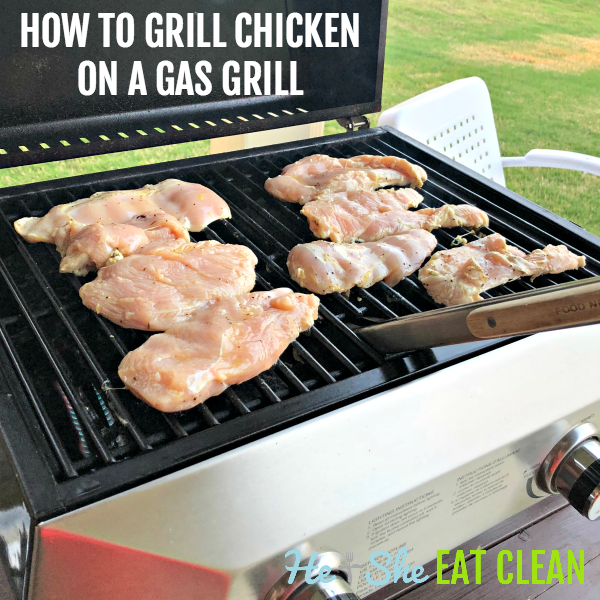
Grill on medium heat, oil and season breasts, cook to 165°F, then rest before slicing.
I have spent years grilling for friends and family and testing methods until they were simple and reliable. This guide shows exactly how to gas grill chicken breasts so they turn out juicy, safe, and full of flavor every time. You will get step‑by‑step instructions, smart tips from real experience, and clear troubleshooting so you succeed on your first try.
Why gas grilling chicken breasts works and when to use it
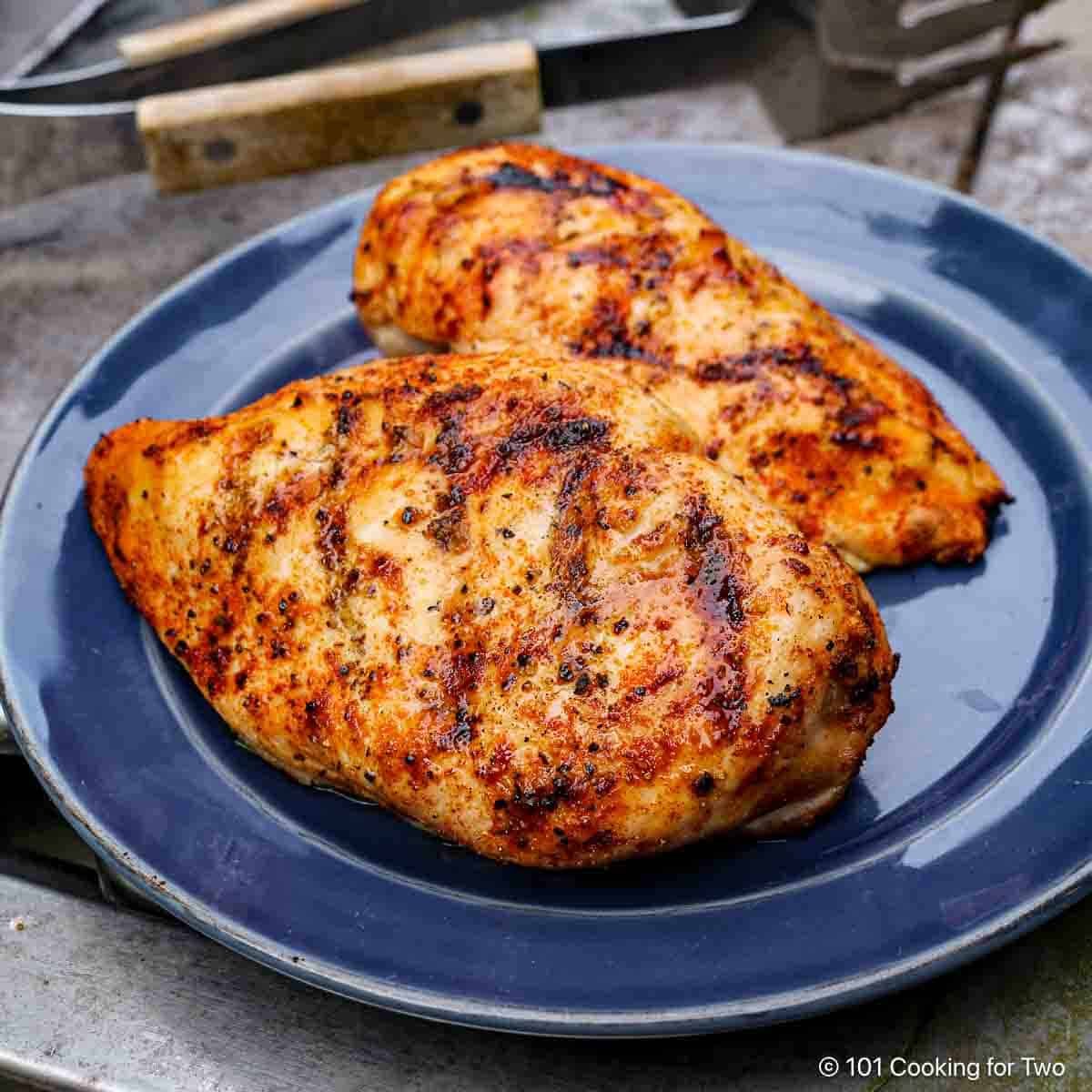
Gas grills give steady heat and fast startup. They make it easy to control temperature. That control helps avoid dry, overcooked chicken. Grilling gives good smoke flavor when you add wood chips or a flavored marinade. Knowing how to gas grill chicken breasts lets you cook meals that are fast, healthy, and crowd-pleasing.
Equipment and safety essentials for how to gas grill chicken breasts
You need a clean, well-kept grill. A good instant-read thermometer is essential. Use tongs and a spatula with long handles. Have a spray bottle of water for flare-ups. Keep a meat thermometer close and a tray to rest the chicken. Follow gas safety steps every time: check hoses, open lid before lighting, and shut off burners and tank when done.
Choosing and prepping chicken breasts for gas grilling
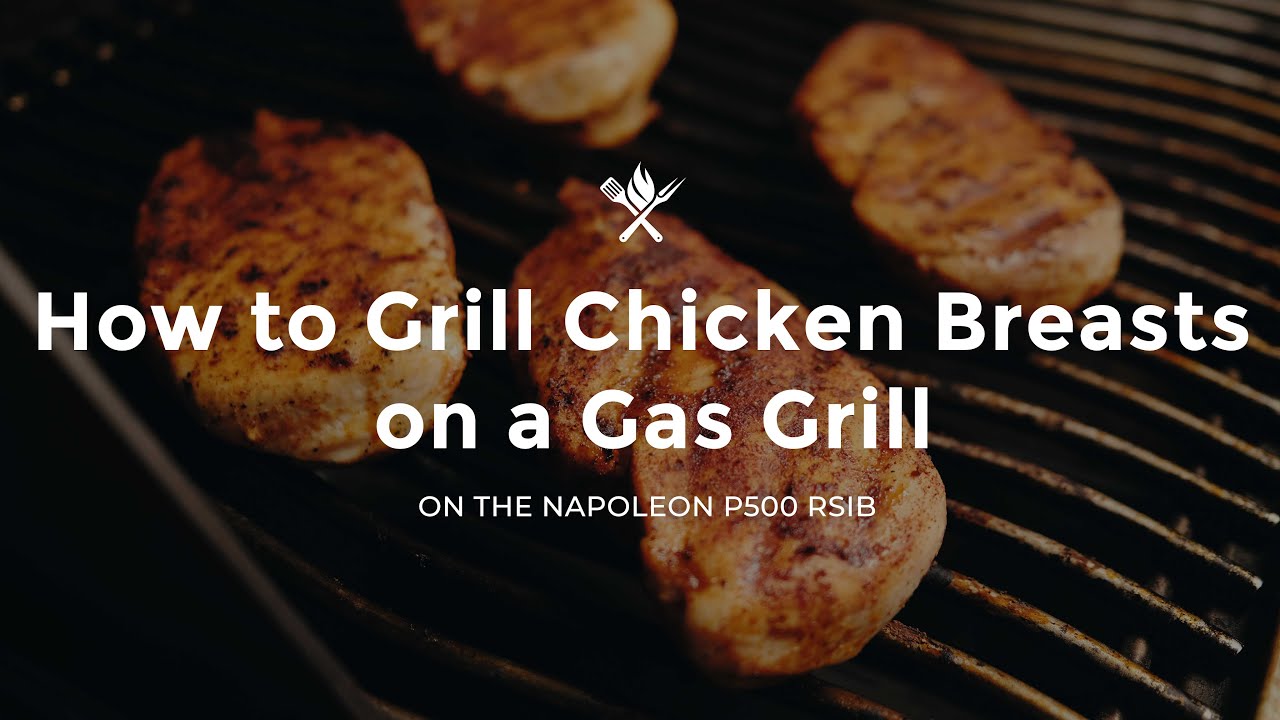
Buy fresh or fully thawed breasts. Choose even-sized pieces for even cooking. Pound thicker parts gently to a uniform thickness if needed. Trim visible fat and excess skin. Brine or marinate for at least 30 minutes when you want extra juiciness. Pat the chicken dry before seasoning to help sear and prevent sticking. Using the phrase how to gas grill chicken breasts in your prep notes keeps your focus on the goal of juicy results.
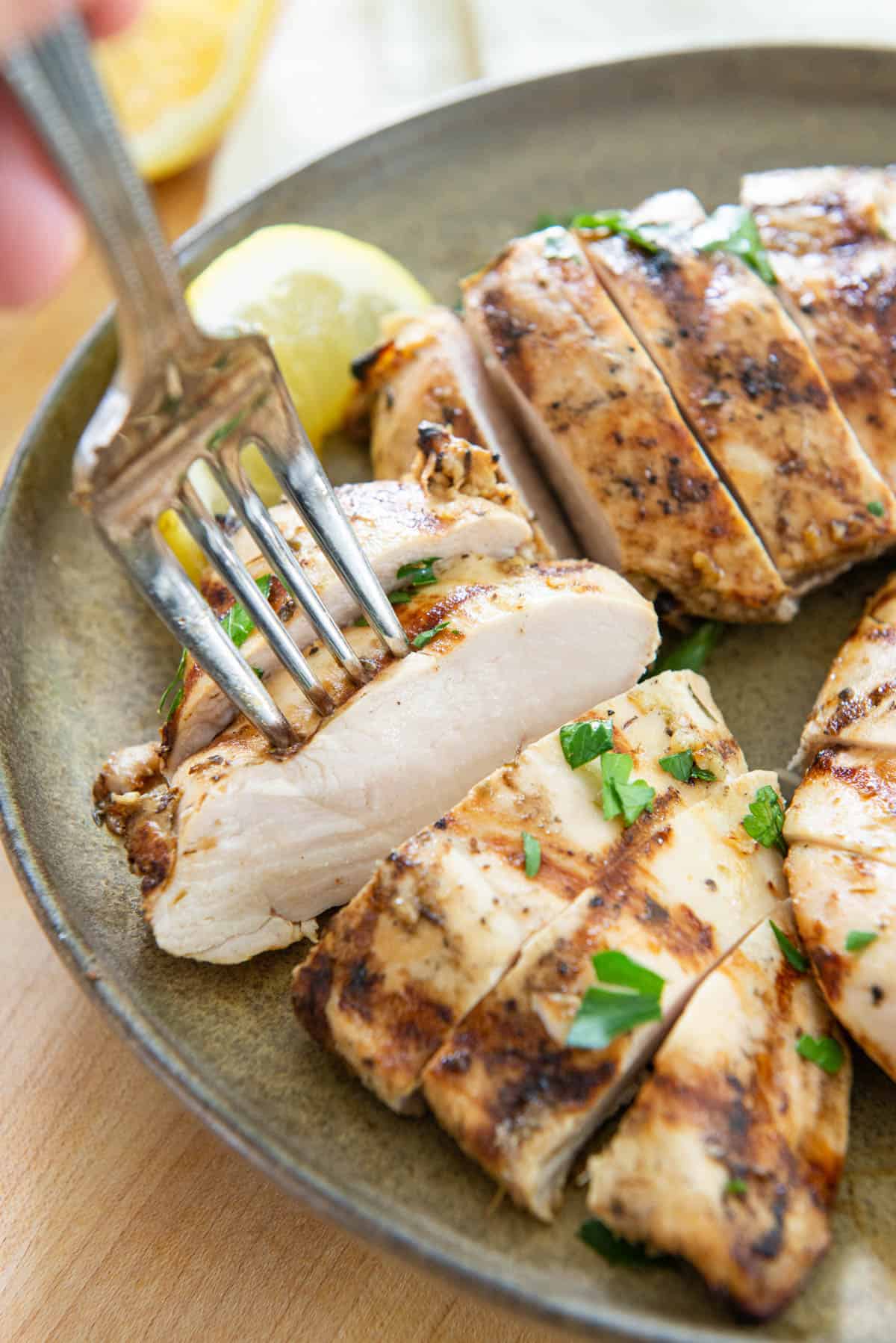
Marinades, brines, and rubs: flavor and moisture tips
Brine for 30 minutes to 2 hours for a plain but juicy result. Use 1/4 cup salt per quart of water for a basic brine. Marinades add flavor fast; include acid, oil, and aromatics. Dry rubs give a quick crust if you skip wet steps. Avoid heavy sugars in direct high heat or move chicken to indirect heat later. Rotate techniques to match your schedule and taste.
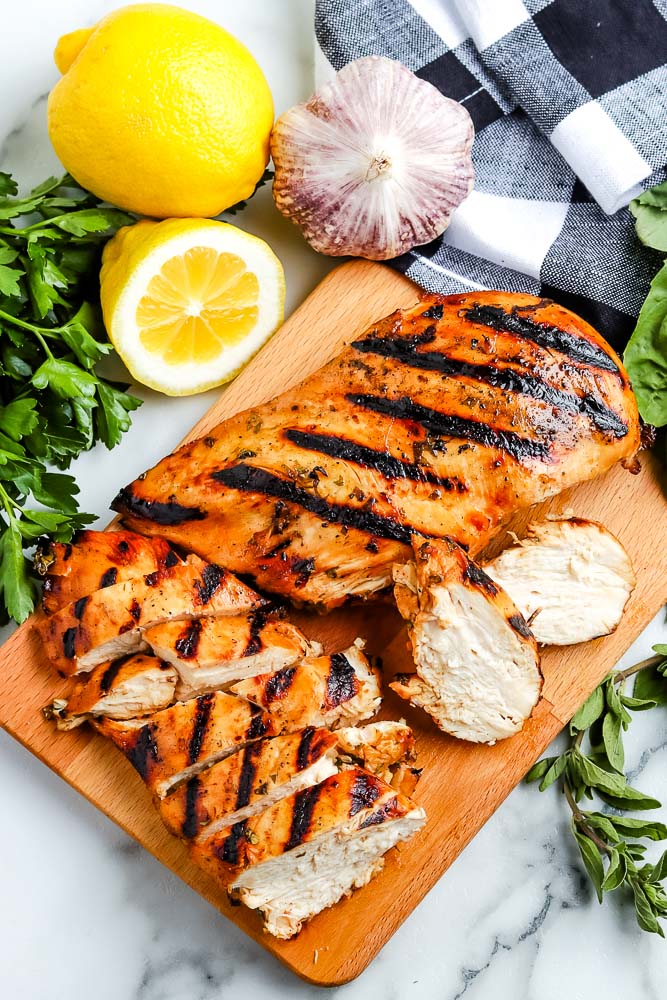
Step-by-step method: how to gas grill chicken breasts
- Preheat grill to medium heat, about 350°F to 400°F.
- Oil the grates and oil the chicken lightly to prevent sticking.
- Place breasts over direct heat. Cook 4 to 6 minutes per side for 1/2‑inch thin pieces.
- For thicker breasts, sear 3 to 4 minutes per side, then move to indirect heat to finish.
- Use an instant-read thermometer. Pull at 160°F and rest to reach 165°F, or pull at 165°F for safety.
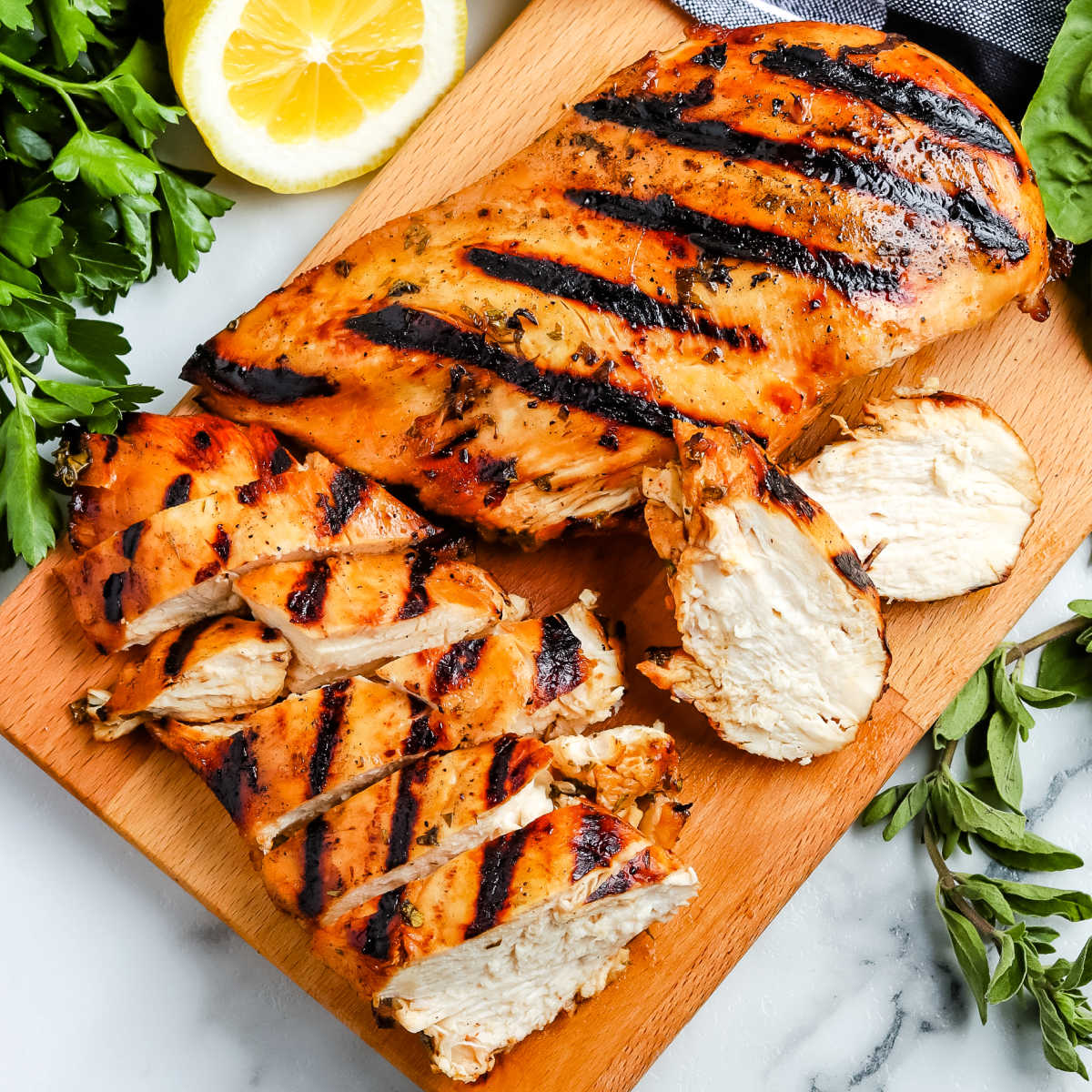
- Rest chicken 5 to 7 minutes before slicing to keep juices locked in.
This step list shows practical actions for how to gas grill chicken breasts. Testing this routine on many cooks taught me the timing and temp that work best.
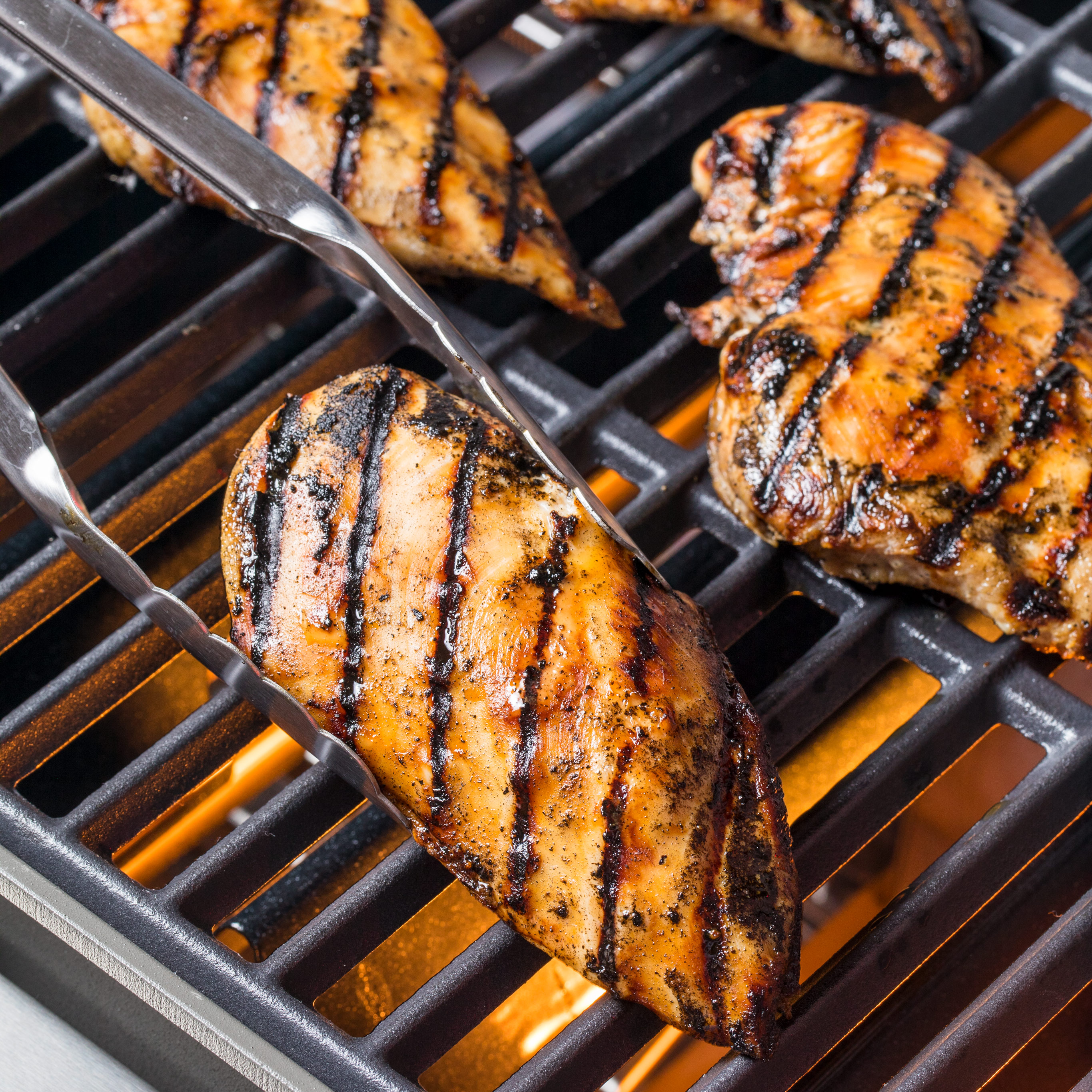
Temperature targets and timing details
Safe internal temp is 165°F (74°C). Thin breasts cook fast. Thick breasts need indirect heat after searing. Expect 10 to 20 minutes total depending on thickness. Rely on the thermometer, not color alone. Consistent temps make how to gas grill chicken breasts repeatable and safe.

Common mistakes when learning how to gas grill chicken breasts
- Overcooking by trusting time alone instead of checking temp. Use a thermometer.
- Grilling straight from the fridge. Bring chicken to near room temp for even cook.
- Using too much direct high heat with sugary marinades. Move to indirect heat.
- Not resting the meat. Resting keeps juices from running out.
I once skipped resting and the meat felt dry. After that I always wait five minutes. That one change made a big difference.
Troubleshooting: fixes for dry, raw, or sticky chicken
If dry: slice thin and serve with sauce or make a salad to stretch the meat. If raw in center: move to indirect heat and cover with the lid until done. If sticky or charred: lower the heat and clean the grill. If flavor is weak: add a quick glaze or finishing salt. These fixes come from trial and error and will rescue most mistakes when you practice how to gas grill chicken breasts.
Serving ideas, storage, and reheating tips
Serve sliced on salads, in sandwiches, or with sides like grilled veggies. Store cooked chicken in the fridge up to 4 days in an airtight container. Reheat gently at low oven temp or in a skillet with a splash of stock to keep it moist. Freeze cooked breasts for up to 3 months. Label containers with date so you use them safely.
Frequently Asked Questions of how to gas grill chicken breasts
How long should I grill chicken breasts on a gas grill?
Thin breasts can take 8 to 12 minutes total. Thicker breasts need 12 to 20 minutes. Always use an instant-read thermometer to confirm doneness.
Should I brine chicken breasts before grilling?
Brining adds moisture and improves texture. A short brine of 30 minutes to 2 hours is enough for most breasts.
What temperature is best for how to gas grill chicken breasts?
Aim for medium heat, 350°F to 400°F. Sear on direct heat then move to indirect if needed for thicker pieces.
Can I grill frozen chicken breasts on a gas grill?
It is best to thaw fully before grilling for even cooking and food safety. If you must cook from frozen, use low heat and cover until the center cooks through.
How do I prevent chicken breasts from sticking to the grill?
Oil the grates and the chicken. Let the chicken form a sear and then flip once. Clean grates before cooking to reduce sticking.
Is it safe to cut into chicken to check doneness?
Cutting releases juices and can dry the meat. Use a thermometer instead to keep the chicken juicy and safe.
Conclusion
You can learn how to gas grill chicken breasts with simple steps, a good thermometer, and a little practice. Follow the prep tips, watch the temp, and rest the meat to get juicy, tasty results every time. Try one method this week and tweak it to your taste. Share your favorite marinades or questions below and subscribe for more easy grilling guides.
