
Navigating the world of food processing regulations can feel overwhelming, but securing your food processing licence is a crucial step for any aspiring food business. This guide breaks down the complex process into simple, actionable steps, from understanding your specific requirements to successfully submitting your application and maintaining compliance. You’ll learn how to meet health and safety standards, prepare necessary documentation, and ensure your food processing operation runs smoothly and legally.
How to Get Food Processing Licence
Starting a food processing business is an exciting venture. Whether you dream of creating artisanal jams, healthy snack bars, or innovative plant-based meals, you’re stepping into an industry that nourishes people. However, before your delicious products can reach consumers, there’s a vital hurdle to clear: obtaining a food processing licence.
This isn’t just a formality. A food processing licence ensures your products are safe, meet quality standards, and protect public health. It’s a testament to your commitment to responsible business practices. Navigating the regulatory landscape can seem daunting, but it’s entirely manageable with the right approach.
In this comprehensive guide, we’ll walk you through every step of how to get a food processing licence. We’ll break down the complex requirements into clear, actionable instructions, from understanding your specific needs to submitting your application and maintaining ongoing compliance. By the end, you’ll have a clear roadmap to secure your licence and confidently launch your food processing operation. Let’s get started!
Key Takeaways
- Understand Your Scope: Before starting, clearly define your food products, processing methods, and business scale. This dictates the specific type of food processing licence and regulations you’ll need to follow.
- Identify Regulatory Authorities: Research the relevant federal, state/provincial, and local bodies responsible for food safety and licensing in your area. Requirements vary significantly by jurisdiction.
- Prioritize Food Safety Systems: Implement robust Food Safety Management Systems (FSMS) like HACCP or GMP from the outset. These are often mandatory and demonstrate your commitment to safe food production.
- Detailed Documentation is Key: Be prepared to compile extensive paperwork, including business plans, facility layouts, equipment specifications, process flows, and sanitation plans. Accuracy and completeness are vital.
- Prepare for Inspections: Your facility will likely undergo an inspection. Ensure your premises, equipment, and processes meet all health and safety standards before the inspector arrives.
- Compliance is Ongoing: Obtaining the licence isn’t the end. Continuous adherence to regulations, regular monitoring, record-keeping, and timely renewals are essential for maintaining your food processing licence.
- Seek Professional Guidance: Don’t hesitate to consult with food safety consultants, legal experts, or your local regulatory agency if you encounter complex challenges or need clarity on specific requirements.
Step 1: Understand Your Business and Scope of Processing
Before you can apply for a food processing licence, you need a crystal-clear understanding of your business. The type of licence, the specific regulations, and the paperwork required all depend on what you plan to do.
Define Your Products
What exactly will you be making? Are you producing baked goods, beverages, dairy products, meat products, or something entirely different? The category of food dictates which regulatory bodies will be involved and what specific standards apply. For example, processing meat has different requirements than processing vegetables.
Determine Your Processing Methods
How will you transform raw ingredients into finished products? Will you be cooking, canning, freezing, drying, fermenting, packaging, or a combination of these? Each method carries its own set of safety considerations and regulatory guidelines. For instance, thermal processing (like canning) requires strict adherence to critical control points to prevent botulism. You might even consider how specific processing methods affect whether a food is considered minimally processed.
Assess Your Business Scale and Location
Are you starting a small home-based operation, a medium-sized commercial facility, or a large industrial plant? The scale impacts everything from facility requirements to the depth of your food safety plan. Your physical location (city, state/province, country) is also crucial, as regulations vary significantly by jurisdiction.
Step 2: Identify the Relevant Regulatory Bodies
Food safety is a shared responsibility, involving multiple levels of government. Identifying the correct authorities for your food processing licence is one of the most critical first steps.
Federal Oversight
In most countries, a primary federal agency oversees national food safety. For example:
- In the United States, it’s primarily the Food and Drug Administration (FDA) for most foods and the U.S. Department of Agriculture (USDA) for meat, poultry, and some egg products.
- In Canada, the Canadian Food Inspection Agency (CFIA) is responsible.
- In the United Kingdom, it’s the Food Standards Agency (FSA).
- In India, it’s the Food Safety and Standards Authority of India (FSSAI).
These agencies set broad standards for food safety, labeling, and facility requirements that apply across the country.
State/Provincial and Local Health Departments
Beyond federal regulations, you’ll also need to comply with state, provincial, and local health department rules. These often cover aspects like general sanitation, water quality, waste disposal, and specific building codes. They are usually the primary agencies issuing your food processing licence for smaller operations or overseeing local compliance.
Contacting the Agencies
Don’t hesitate to reach out to these bodies directly. Their websites are usually a treasure trove of information, including application forms, checklists, and guides. Many even have dedicated departments or helplines for new businesses seeking a food processing licence. Early communication can save you a lot of time and effort down the line.
Step 3: Research Specific Licence Requirements and Regulations
Once you know who to talk to, it’s time to dive into the specifics. This is where you gather all the detailed information needed for your food processing licence application.
General Requirements
Most food processing licences will require:
- Business Registration: Proof that your business is legally registered (e.g., as a sole proprietorship, LLC, corporation).
- Facility Requirements: Details on your processing location, including blueprints, zoning compliance, and proof of ownership or lease.
- Food Safety Management System (FSMS): A documented system outlining how you control food safety hazards. This often involves HACCP (Hazard Analysis and Critical Control Points) principles.
- Good Manufacturing Practices (GMPs): Standards for hygienic operations, personnel hygiene, pest control, and facility maintenance.
- Labeling Requirements: How your products must be labeled, including ingredients, allergens, nutritional information, and best-by dates.
- Water and Waste Management: Plans for safe water supply and proper disposal of wastewater and other waste products.
- Pest Control Plan: Strategies to prevent and manage pests in your facility.
Specific Product Regulations
Certain food categories have additional, specialized requirements. For example:
- Acidified Foods/Low-Acid Canned Foods: Require specific thermal processing and pH controls, often with process filing and trained supervisors.
- Dairy Products: Involve regulations on milk sourcing, pasteurization, and storage.
- Meat and Poultry: Have stringent inspection, sanitation, and processing rules overseen by specific agencies (e.g., USDA in the US).
Be thorough in your research. Missing a single regulation can delay or derail your food processing licence application.
Step 4: Develop Your Business Plan and Facility Layout
A well-thought-out plan and facility design are not just good business practice; they are often mandatory components of your food processing licence application.
The Business Plan
Even if not explicitly requested by the licensing body, a solid business plan will guide your entire operation. It should cover:
- Product Descriptions: Detailed information about each food item you plan to produce.
- Operational Procedures: How you will source ingredients, process, package, store, and distribute your products.
- Market Analysis: Who are your customers? How will you reach them?
- Financial Projections: Startup costs, operating expenses, and revenue forecasts.
Facility Design and Layout
This is where safety and efficiency meet. Your facility layout must be designed to prevent contamination and facilitate hygienic operations.
- Flow of Production: Design a layout that minimizes cross-contamination. Raw ingredients should flow cleanly through processing to finished products without intersecting paths.
- Material Specifications: Use food-grade, easily cleanable, non-porous materials for surfaces, walls, and floors.
- Equipment Placement: Position equipment to allow for thorough cleaning and maintenance. Consider factors like what to consider when buying a food processor and other necessary machinery for your specific needs, ensuring it meets commercial standards.
- Sanitation Areas: Designate specific areas for handwashing, equipment cleaning, and waste disposal.
- Ventilation and Lighting: Ensure adequate ventilation to control humidity and fumes, and sufficient lighting for safe operations and inspections.
You might need professional architects or engineers experienced in food facility design to create these plans, especially for larger operations.
Step 5: Implement Food Safety Management Systems (FSMS)
This is the backbone of your food processing licence. An FSMS demonstrates how you proactively control hazards to ensure food safety.
Hazard Analysis and Critical Control Points (HACCP)
HACCP is a globally recognized system that identifies, evaluates, and controls food safety hazards. Most food processing licences, especially for commercial operations, will require a robust HACCP plan.
- Conduct a Hazard Analysis: Identify biological (bacteria, viruses), chemical (allergens, cleaning chemicals), and physical (glass, metal) hazards.
- Determine Critical Control Points (CCPs): Identify steps in your process where control can be applied to prevent or eliminate a food safety hazard or reduce it to an acceptable level.
- Establish Critical Limits: Set maximum or minimum values that must be met at each CCP (e.g., cooking temperature, pH level).
- Monitor CCPs: Implement procedures for routine testing or observation to ensure critical limits are met.
- Establish Corrective Actions: Define actions to take when monitoring indicates a deviation from a critical limit.
- Verification Procedures: Regularly review your HACCP system to ensure it’s effective.
- Record-Keeping: Maintain detailed records of your HACCP plan, monitoring, deviations, and corrective actions.
Good Manufacturing Practices (GMPs) and Standard Operating Procedures (SOPs)
GMPs are the foundational operational and environmental conditions required to produce safe food. Your SOPs detail *how* specific tasks are performed.
- Sanitation Standard Operating Procedures (SSOPs): Detailed instructions for cleaning and sanitizing all equipment and the facility.
- Personnel Hygiene: Rules for handwashing, protective clothing, health policies, and visitor protocols.
- Allergen Control: Procedures to prevent cross-contact of allergens.
- Traceability and Recall Plan: Systems to track ingredients and finished products (from farm to fork) and a plan for how to execute a product recall if necessary.
Training your staff thoroughly on these systems is crucial. Your team is your first line of defense in maintaining food safety.
Step 6: Prepare All Necessary Documentation
This step is all about gathering and organizing the paperwork. Thorough and accurate documentation is key to a smooth food processing licence application.
Application Forms
Obtain the specific application forms from the relevant federal, state/provincial, and local agencies. Fill them out completely and accurately.
Business Documentation
- Business registration certificates.
- Employer Identification Number (EIN) or equivalent tax ID.
- Articles of incorporation or partnership agreements.
- Proof of address (utility bills, lease agreement).
Facility Documentation
- Detailed blueprints or floor plans of your facility, showing processing areas, storage, restrooms, and waste disposal.
- Zoning compliance certificates.
- Water testing reports.
- Waste management plans and permits.
Food Safety Documentation
- Your complete HACCP plan.
- Detailed GMPs and SSOPs.
- Records of employee training on food safety.
- Product specifications, including ingredient lists, nutritional information, and intended shelf life.
- Labeling proofs/mock-ups.
- Allergen control program.
- Traceability and recall plan.
Equipment Documentation
- List of all processing equipment, including specifications and maintenance records. This could include manuals for any complex machinery, and information on how to get the most out of your food processor if it’s part of your commercial setup.
- Calibration records for critical monitoring devices (thermometers, pH meters).
Organize everything clearly in binders or digital folders. A well-presented application makes a good impression.
Step 7: Schedule and Prepare for Facility Inspection/Audit
Once your application is submitted (or sometimes as a prerequisite), an inspector will visit your facility. This is a crucial step for securing your food processing licence.
What Inspectors Look For
Inspectors will verify that your facility and practices comply with all applicable regulations, including:
- Facility Cleanliness and Maintenance: Spotless conditions, no signs of pests, good structural repair.
- Operational Sanitation: Proper cleaning and sanitizing procedures for equipment and surfaces.
- Personnel Hygiene: Staff adherence to handwashing, protective clothing, and health policies.
- Equipment Functionality: All equipment (including any commercial food processors you use) is in good working order and properly maintained.
- Temperature Control: Proper refrigeration, freezer temperatures, and cooking temperatures.
- Storage Practices: Safe storage of raw materials, finished products, and chemicals.
- Documentation Review: Verification of your HACCP plan, SOPs, training records, and monitoring logs.
Tips for a Successful Inspection
- Be Prepared: Don’t wait for the inspection date to start preparing. Maintain high standards every day.
- Conduct Self-Audits: Regularly perform your own internal inspections using the official checklist (if available) to identify and correct issues beforehand.
- Train Your Staff: Ensure every employee understands their role in food safety and can answer basic questions about your procedures.
- Have Documents Ready: Have all your food safety plans, records, and permits easily accessible for review.
- Be Cooperative and Transparent: Answer questions honestly and provide all requested information. If you don’t know an answer, say so and offer to find it.
Step 8: Submit Your Application and Pay Fees
With all your documentation prepared and your facility ready, it’s time to formally submit your application for the food processing licence.
Submission Methods
Many agencies now allow online submissions, which can be faster and more convenient. Others may require physical mail or in-person delivery. Confirm the preferred method with each agency.
Application Fees
Be prepared to pay application fees, which can vary widely depending on the type of licence, scale of operation, and jurisdiction. These fees are typically non-refundable.
Review and Double-Check
Before clicking submit or sending your package, review everything one last time. Ensure all forms are signed, all required documents are attached, and all information is accurate. Even a small omission can lead to delays.
Step 9: Follow-Up and Approval
After submission, there’s often a waiting period while the agencies review your application and inspection reports.
Communication from Regulators
You may receive requests for additional information or clarification. Respond promptly and thoroughly to keep the process moving.
Provisional Licences
Some jurisdictions might issue a provisional or temporary food processing licence, allowing you to operate while they finalize your full approval, provided you meet certain basic standards.
Receiving Your Licence
Once everything is approved, you will officially receive your food processing licence. Congratulations! Display it prominently in your facility as required.
Step 10: Maintain Ongoing Compliance and Renewals
Obtaining your food processing licence is a significant achievement, but it’s not a one-time event. Maintaining ongoing compliance is crucial for the continued success and legality of your business.
Regular Monitoring and Record-Keeping
Continue to diligently follow your HACCP plan, GMPs, and SOPs. Maintain accurate and up-to-date records of all monitoring activities, corrective actions, and employee training. These records are vital during future inspections.
Staff Training and Refreshers
Food safety is dynamic. Regularly train new staff and provide refresher courses for existing employees on food safety protocols, new regulations, and changes in your operational procedures.
Adapt to New Regulations
Food safety laws and guidelines can change. Stay informed by subscribing to updates from your regulatory agencies and industry associations. Be prepared to adapt your processes as needed to remain compliant.
Timely Renewals
Your food processing licence will have an expiration date. Mark it on your calendar and initiate the renewal process well in advance to avoid any lapse in your operating authority. Renewal typically involves an updated application and sometimes another inspection.
Troubleshooting Common Hurdles
Even with careful planning, you might encounter challenges. Here are a few common issues and how to address them:
Denied Application or Failed Inspection
Don’t panic! This is often a setback, not a permanent roadblock. Review the inspection report or denial letter carefully. It will clearly state the reasons for the failure. Develop a corrective action plan to address each identified issue, implement the changes, and then request a re-inspection or resubmit your application with the corrected information. Consider seeking advice from a food safety consultant to help you resolve complex issues.

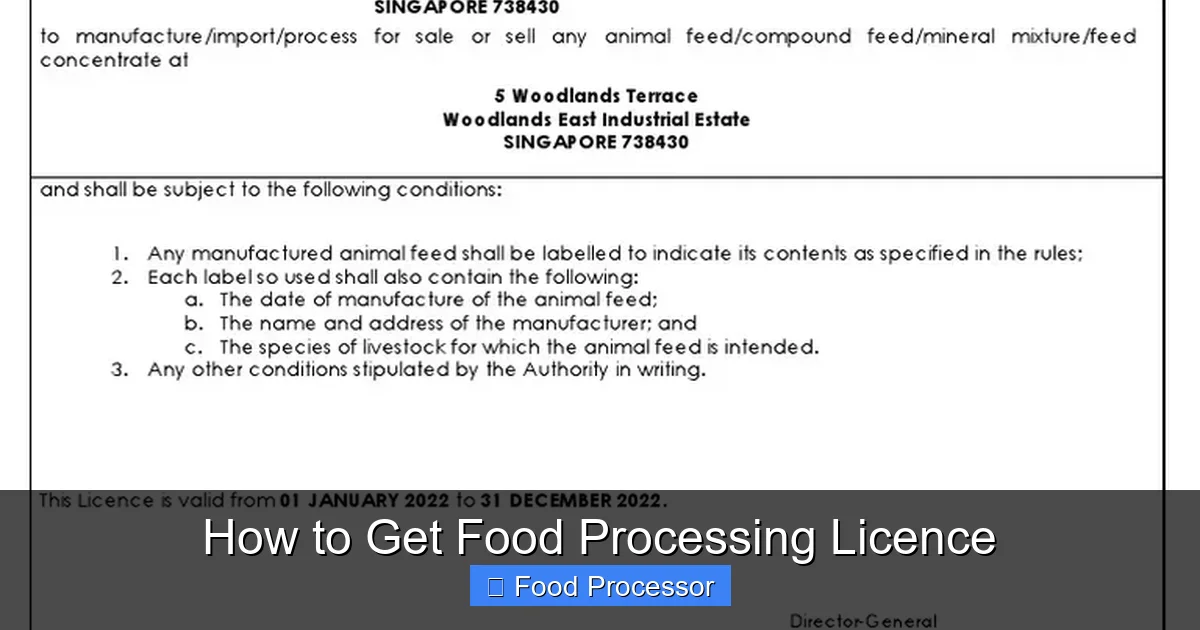
Visual guide about How to Get Food Processing Licence
Image source: primesafe.vic.gov.au
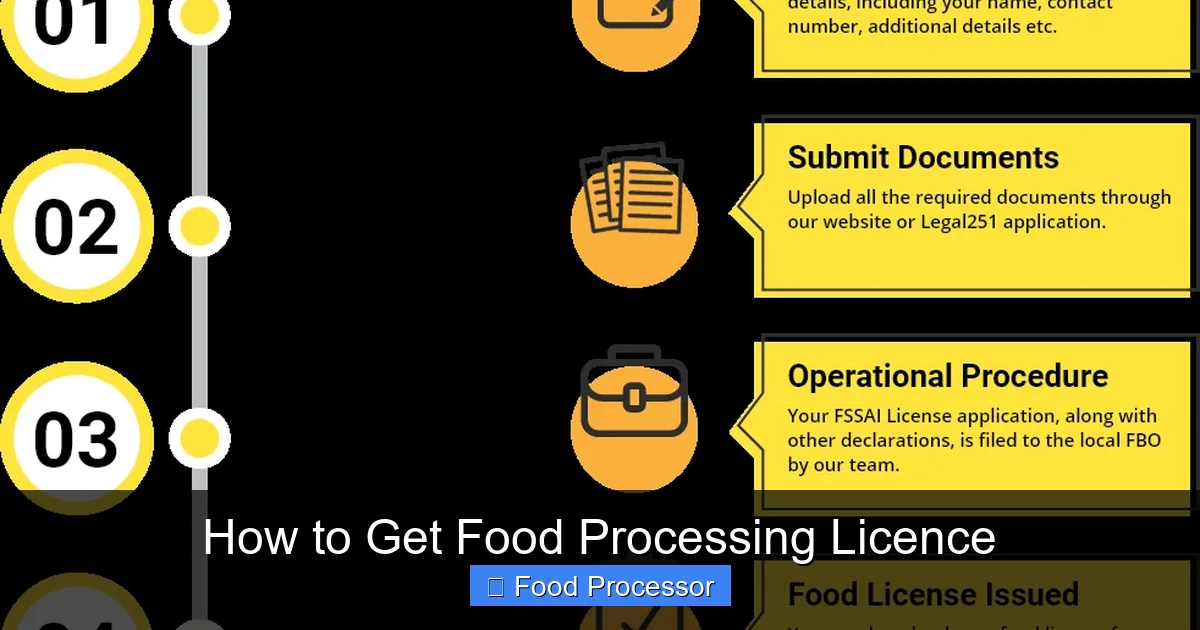
Visual guide about How to Get Food Processing Licence
Image source: legal251.com
Confusing or Conflicting Regulations
Sometimes, local and federal requirements might seem to overlap or conflict. In such cases, always default to the stricter requirement. If confusion persists, contact the specific regulatory agencies involved for clarification. They are there to help you understand and comply.
High Startup Costs for Compliance
Meeting all the standards for a food processing licence can be expensive, especially for facility upgrades or specialized equipment. Explore options for small business loans, grants for food safety improvements, or phased implementation plans (if allowable) to manage costs. Prioritize critical safety measures first.
Staff Resistance to New Procedures
Implementing new food safety protocols can sometimes be met with resistance. Emphasize the importance of food safety for consumer health and business success. Provide comprehensive training, explain the “why” behind each procedure, and make compliance easy and intuitive. Involve staff in developing SOPs to foster ownership.
Conclusion
Obtaining a food processing licence is a significant and necessary step for any food business aiming for success and longevity. It’s a journey that demands diligence, attention to detail, and a steadfast commitment to food safety. While the process may seem complex at first, by breaking it down into manageable steps, you can navigate the regulatory landscape with confidence.
Remember, your food processing licence isn’t just a piece of paper; it’s a symbol of trust between your business and your consumers. By following this guide, implementing robust food safety practices, and maintaining ongoing compliance, you’ll not only secure your licence but also build a reputable, thriving food processing enterprise that provides safe and delicious products for years to come. Good luck on your delicious adventure!
