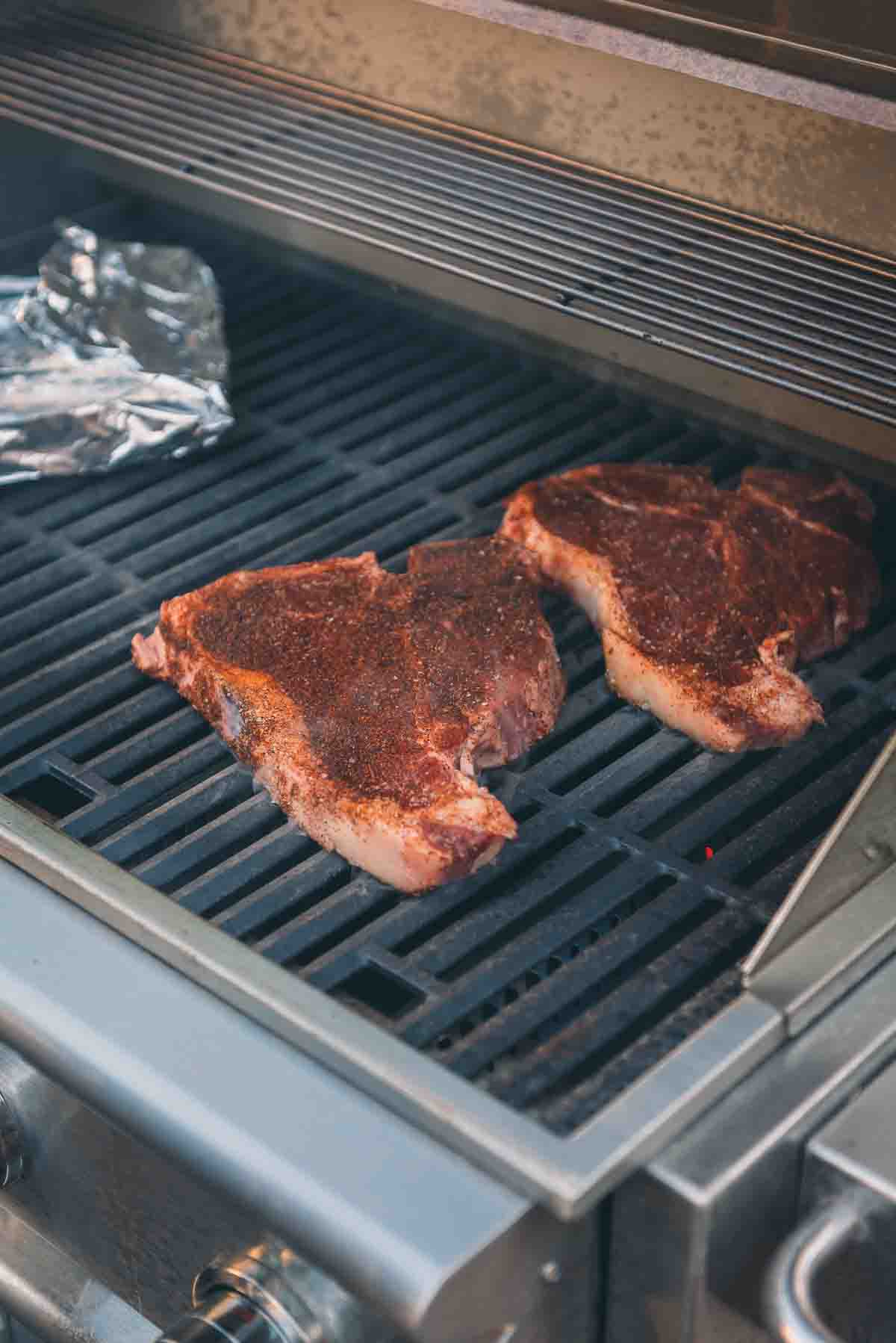
Sear hot, finish indirect, rest five minutes for a perfect ribeye on a gas grill.
I’ve grilled ribeyes for years and taught friends and family the craft. I will show you how to grill a ribeye on a gas grill with clear steps, safety tips, and tricks that work every time. Read on for a practical, tested plan that turns a good steak into a great one.
Why ribeye and why a gas grill
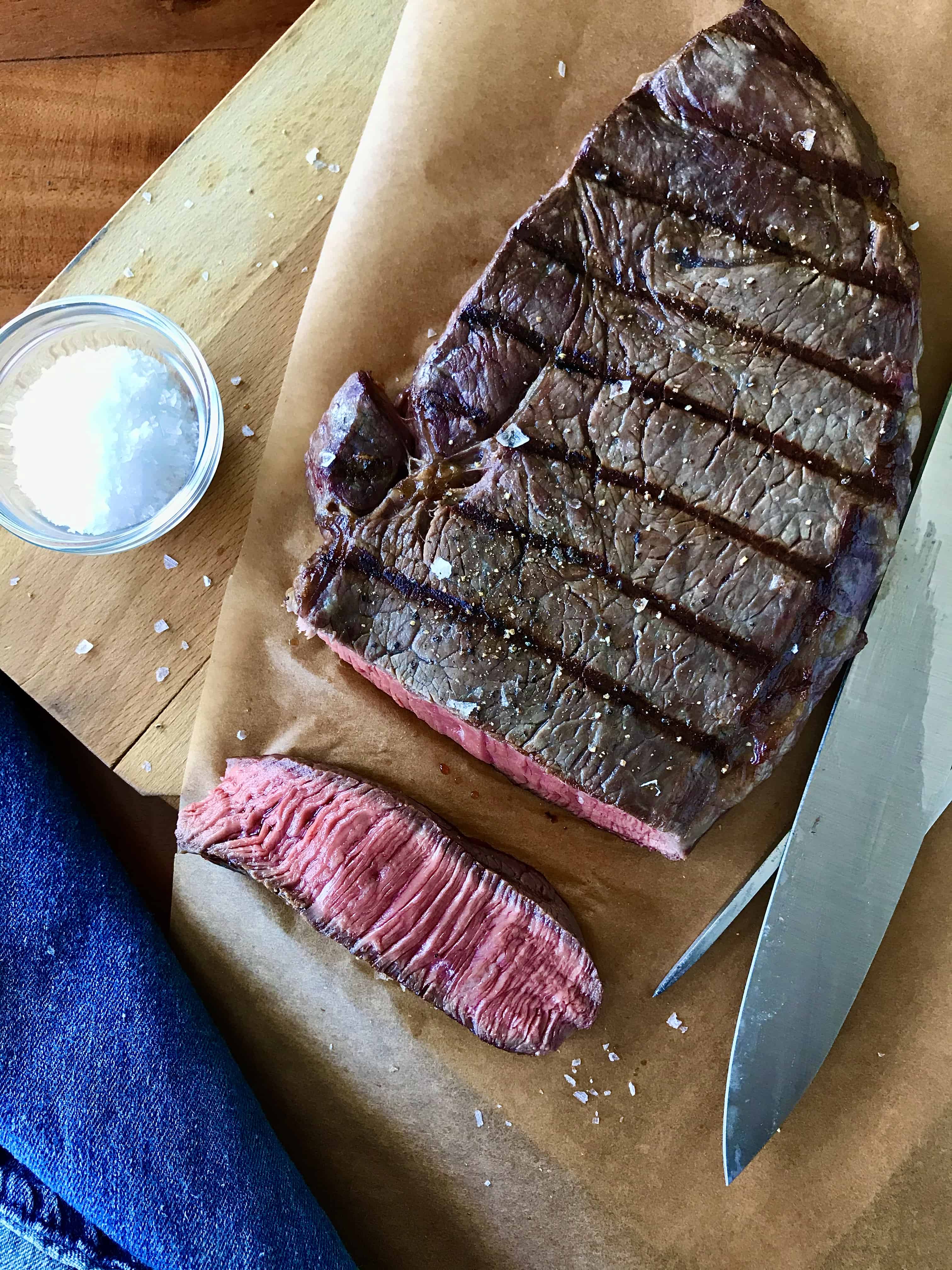
Ribeye is rich, tender, and forgiving thanks to its marbling. A gas grill gives fast, steady heat and precise control. Knowing how to grill a ribeye on a gas grill helps you get a reliable sear and a juicy interior every time.

Tools, ingredients, and prep checklist
Simple gear makes a big difference. Gather these items before you start.
- Heavy ribeye steak, 1 to 1.5 inches thick or thicker for best results.
- Kosher salt and freshly ground black pepper or your favorite steak rub.
- Oil with a high smoke point, like canola, grapeseed, or avocado oil.
- Instant-read meat thermometer to nail doneness.
- Tongs, long-handled spatula, grill brush, and a clean plate for resting.
- Two-zone setup: one burner high for searing and one burner low or off for indirect finish.
A little planning saves time. Let the steak sit at room temperature for 30 to 45 minutes before cooking. Pat it dry with paper towels so it sears instead of steams. Use coarse salt for flavor and crust.
:max_bytes(150000):strip_icc()/Mistakes-To-Avoid-When-Grilling-Steak-FT-BLOG0622-2000-9470d6138120449885c7b91524c51cc4.jpg)
Step-by-step: How to grill a ribeye on a gas grill
Follow these straightforward steps for a consistent result. I use this method for home cookouts and small crowds.
-
Preheat and set zones.
- Turn on one side of the grill to high and the other side to low or off. Aim for 500–550°F over the hot zone.
- Clean and oil the grates lightly.
-
Season just before grilling.
- Brush steak with a thin coat of high-heat oil.
- Season generously with salt and pepper. Salt early if you like deeper seasoning, or salt right before for better crust.
-
Sear over direct heat.
- Place the ribeye on the hot side. Press gently so the meat makes full contact with the grate.
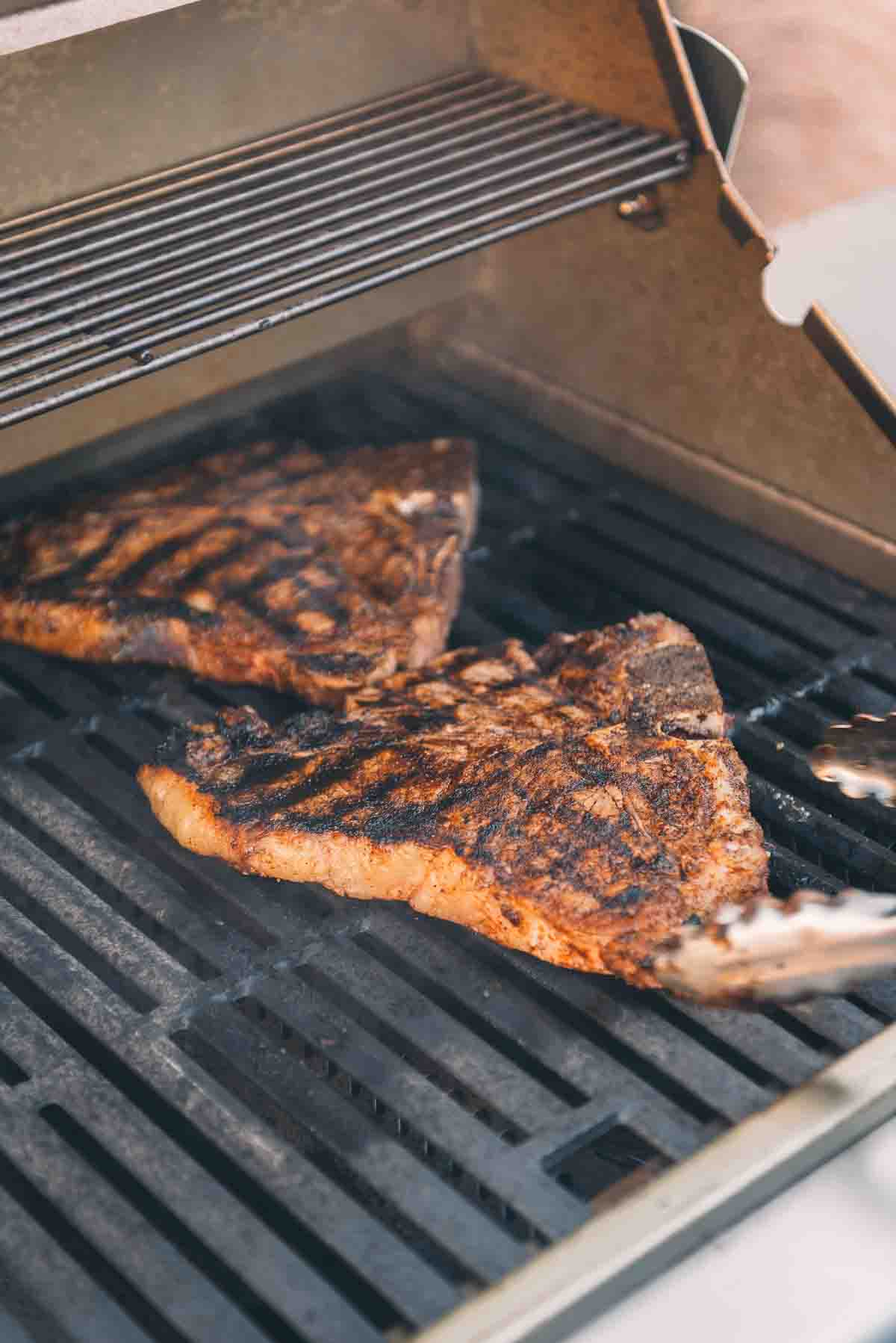
- Sear 2 to 3 minutes per side for a 1–1.5 inch steak. Rotate 45 degrees after the first minute on each side for crosshatch marks.
-
Finish over indirect heat.
- Move the steak to the cooler side of the grill.
- Close the lid and cook until the target internal temperature is reached (see temperature chart below).
-
Rest before slicing.
- Transfer to a warm plate and tent loosely with foil.
- Rest 5 to 10 minutes to let juices redistribute.
This routine—sear, finish, rest—is the core of how to grill a ribeye on a gas grill. It works for both thick and thinner steaks if you adjust times.
Target internal temperatures and timing
Use an instant-read thermometer. These temp ranges keep food safe and let you hit your preferred doneness.
- Rare: 120–125°F, remove at 115–120°F.
- Medium-rare: 130–135°F, remove at 125–130°F.
- Medium: 140–145°F, remove at 135–140°F.
- Medium-well: 150–155°F, remove at 145–150°F.
Carryover heat raises the steak temp 5–10°F while resting. For thick steaks, finishing time on indirect heat can be 6–12 minutes depending on thickness. I learned to pull steaks a few degrees early to match guest preferences.

Flavor builds and seasoning tips
Simple salt and pepper often beat heavy sauces. Let the meat shine.
- Salt timing: Salt 40 minutes before cooking for deeper penetration, or salt just before searing for a crisper crust.
- Herbs and butter: Add a pat of butter and a sprig of thyme or rosemary on the steak after searing while it rests.
- Marinades: Ribeye needs less marinating because of its fat. Use a quick marinade only if you want a different flavor profile.
- Rubs: Use coarse, low-sugar rubs. Sugar burns quickly on a hot gas grill.
From my experience, less is often more. Heavy sugar rubs char too fast on gas flames. Keep flavors balanced and let the meat speak.
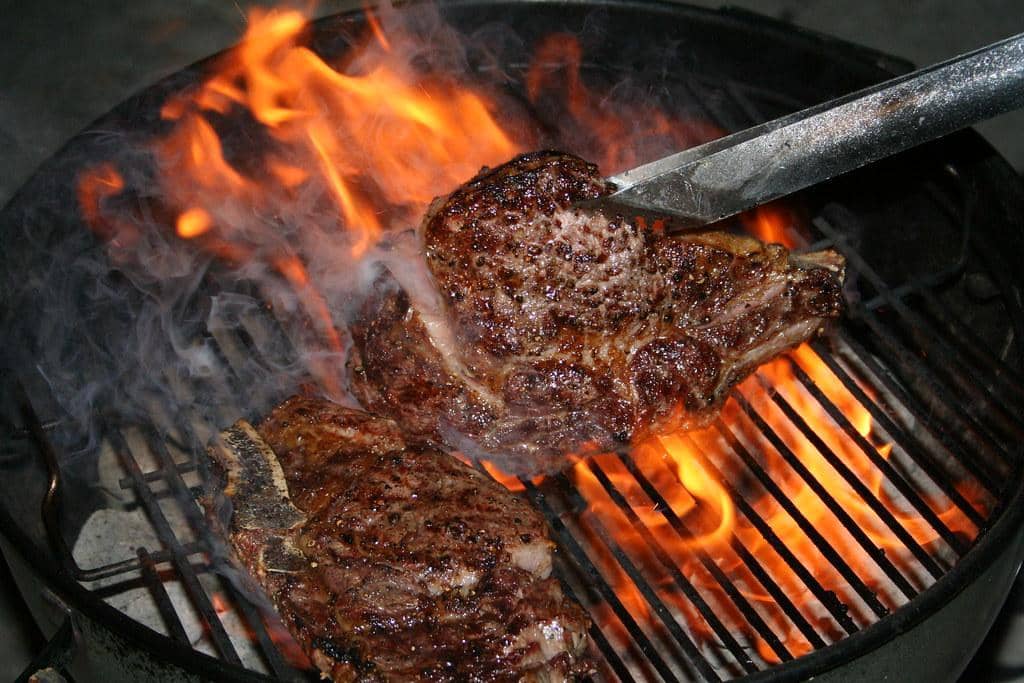
Common problems and fixes
Fixes are simple if you know the signs.
- Steak burns on the outside but is raw inside
- Move to indirect heat after a fast sear. Reduce hot-zone temperature slightly.
- Flat, pale crust
- Make sure steaks are dry and the grill is fully preheated. Sear on very hot grates.
- Meat sticks to the grate
- Ensure grates are clean and oiled. Use tongs to lift and check; a well-seared steak releases naturally.
- Overcooked center
- Pull steaks a few degrees below target and let carryover finish them while resting.
I once ruined a ribeye by flipping too soon. Patience is key. Let the sear form before you flip.

Serving, slicing, and presentation
How you slice affects taste and texture.
- Slice against the grain to shorten muscle fibers and improve tenderness.
- Rest 5 minutes for thinner steaks and 8–10 minutes for thick cuts.
- Finish with coarse salt or a small herb butter for shine and aroma.
Serve simply. A good steak does not need heavy sauces. I serve ribeye with roasted veggies or a crisp salad for balance.
How to grill a ribeye on a gas grill — special techniques
Small moves can elevate the result.
- Reverse sear method: Cook on low indirect first, then sear hot for 60–90 seconds per side for better edge-to-center consistency.
- Two-zone temperature control: Use a thermometer probe in the grill to watch ambient temp for better finish.
- Smoke box or wood chips: Add mild wood chips in a smoker box for a hint of smoke without a charcoal grill.
I favor the reverse sear for very thick steaks. It gives consistent doneness and a great crust when seared at the end.
Frequently Asked Questions of how to grill a ribeye on a gas grill
How long should I grill a 1-inch ribeye on a gas grill?
A 1-inch ribeye usually takes 8–12 minutes total with a hot sear then indirect finish. Use an instant-read thermometer to confirm doneness rather than time alone.
Should I oil the ribeye or the grill?
Lightly oil the steak and wipe the grates clean and oiled before cooking. This combination prevents sticking and helps form a crust.
Can I use a gas grill for a reverse sear?
Yes. Set one zone low for the initial cook and one zone high for the final sear. This works well for thicker ribeyes.
Is it better to cook with the lid open or closed?
Sear with the lid open for control, then close the lid when finishing over indirect heat to create even cooking. This balances crust development and internal cook time.
How do I get good grill marks on my ribeye?
Preheat the grill until very hot, place the steak without moving it, and rotate 45 degrees after one minute per side for crosshatch marks. Then move to indirect heat to finish.
Conclusion
Grilling ribeye on a gas grill is simple once you learn the rhythm: preheat, sear, finish, and rest. Focus on temperature control, dry steaks, and a short rest for the best texture and flavor. Try the reverse sear for thick cuts and always use an instant-read thermometer for accuracy. Now grill with confidence—try this method this weekend, share your results, and leave a comment about what worked for you.