

Make fruit sorbet in a blender using frozen fruit, a simple syrup, and a quick pulse-and-freeze method.
I’ve made fruit sorbet in a blender dozens of times for friends, family, and summer parties. I write from hands-on experience and tested techniques to show you exactly how to make fruit sorbet in blender fast, creamy, and scoopable. Read on for step-by-step instructions, smart tips, flavor ideas, troubleshooting, and storage advice so you can confidently make fruit sorbet in blender at home.

Why choose a blender for sorbet
Making sorbet in a blender is fast, low-mess, and needs no ice-cream maker. If you want to know how to make fruit sorbet in blender for busy weeknights or simple entertaining, a blender is the best tool. I prefer the blender method when I want a light, fruity dessert without dairy or long churning times. Blenders puree frozen fruit smoothly and give control over texture with short pulses and scrapes.
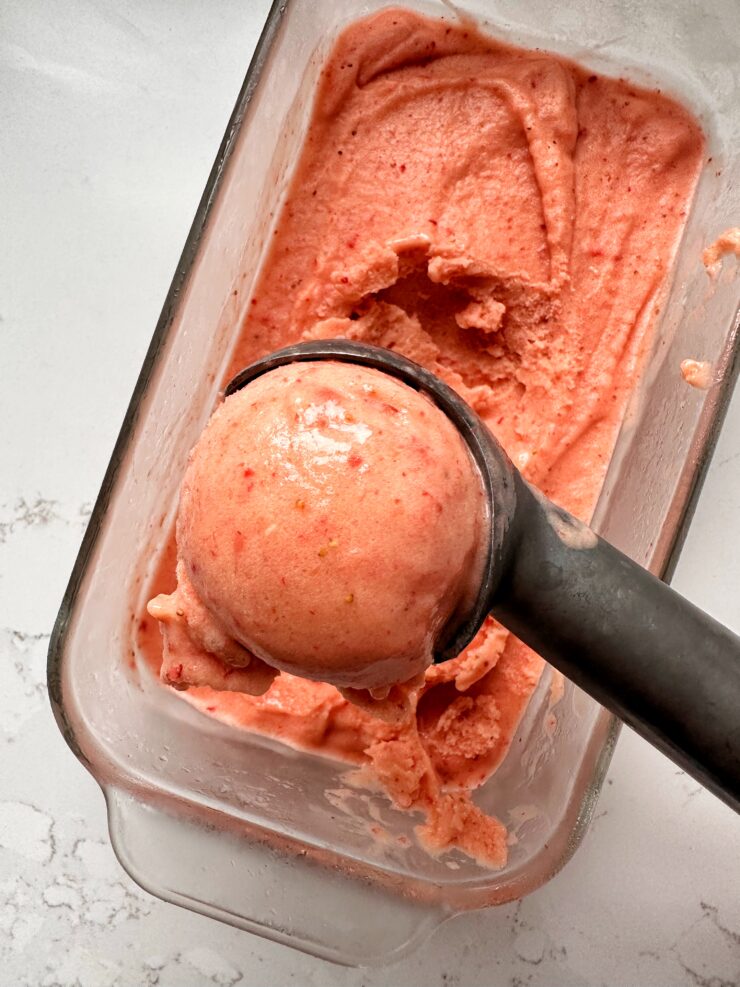
Ingredients and ratios for success
A few good ingredients make a perfect sorbet. Here’s what I use and why when I teach people how to make fruit sorbet in blender.
- Fruit: 2 to 3 cups frozen ripe fruit (berries, mango, peach, or pineapple).
- Sweetener: 1/4 to 1/2 cup simple syrup or honey, adjust to taste.
- Acid: 1 tablespoon lemon or lime juice to brighten flavors.
- Liquid: 1 to 3 tablespoons water, fruit juice, or alcohol to help blending.
- Optional: pinch of salt or 1 teaspoon vanilla, herbs like basil or mint.
Basic ratio: about 2 cups frozen fruit to 1/4 cup sweetener and 1 tablespoon acid. For tart fruit, add more syrup. For very sweet fruit, reduce syrup. Knowing these ratios helps you adapt any fruit into sorbet and is central to how to make fruit sorbet in blender well.
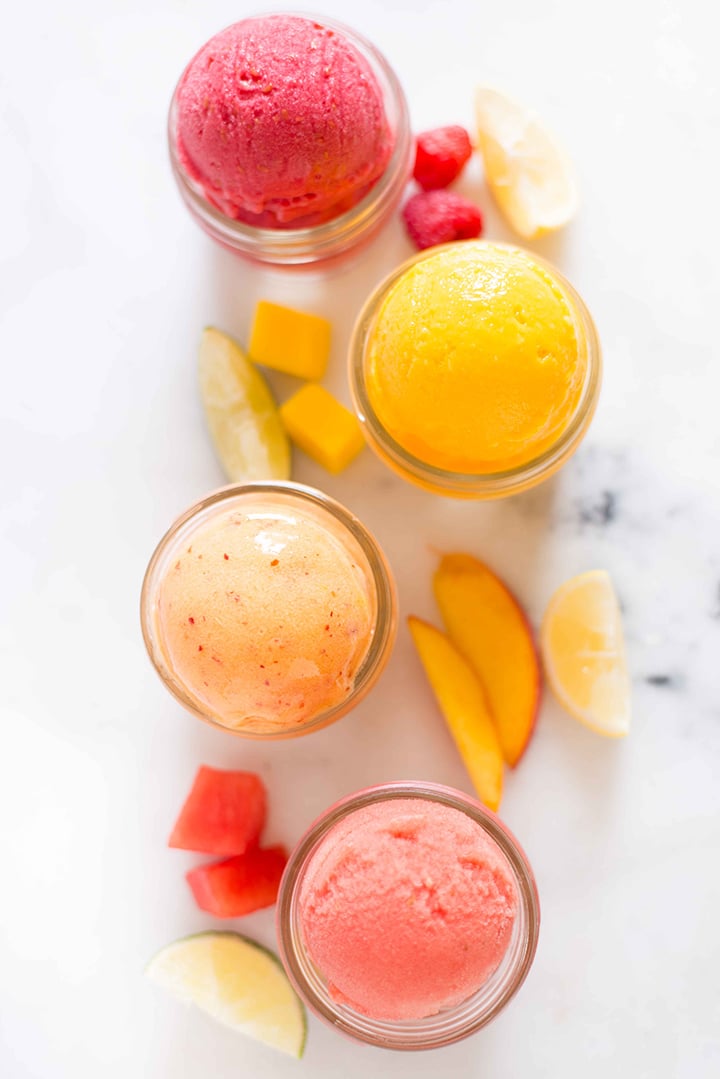
Equipment and prep tips
You don’t need special tools beyond a good blender and a freezer. Knowing which blender to use matters for texture when you learn how to make fruit sorbet in blender.
- Blender type: High-speed blenders work best, but many standard blenders handle frozen fruit with small additions of liquid.
- Freezing prep: Freeze fruit in a single layer on a sheet for quicker blending.
- Containers: Use a shallow airtight container for quick freezing and easy scooping.
- Tools: Rubber spatula for scraping, ice cream scoop for serving.
From experience, I learned to pulse first, then blend. That protects motors and prevents overheating when you try to make fruit sorbet in blender at home.
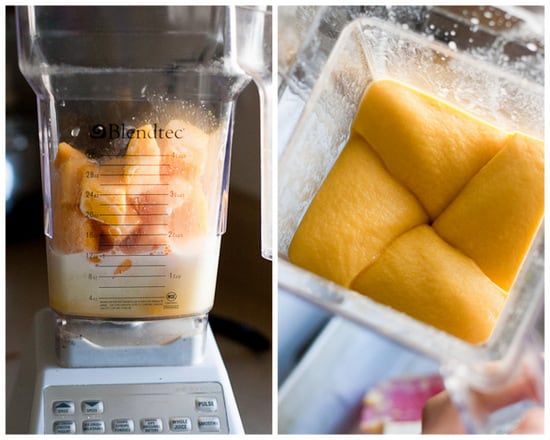
Step-by-step: how to make fruit sorbet in blender
Follow these steps to make a smooth sorbet in about 15–30 minutes (excluding final freeze).
- Prepare fruit
- Wash, peel, and chop fresh fruit. Freeze in a single layer for 2–4 hours or use store-bought frozen fruit.
- Make simple syrup
- Heat equal parts sugar and water until sugar dissolves. Cool. Or use honey or agave for flavor.
- Add to blender
- Combine 2 cups frozen fruit, 1/4 cup cooled syrup, 1 tablespoon lemon juice, and 1 tablespoon water or liqueur.
- Pulse, then blend
- Pulse 6–10 times to break fruit up. Then blend on medium-high, stopping to scrape sides. Add small amounts of liquid if needed.
- Adjust and chill
- Taste. Add more syrup or acid if needed. For scoopable texture, transfer to a shallow container and freeze 30–60 minutes.
- Serve
- Let sorbet sit 2–3 minutes at room temperature for easier scooping, then serve with garnish.
I once overblended a batch and it warmed too much; short bursts and scraping are keys to learning how to make fruit sorbet in blender without turning it to mush.
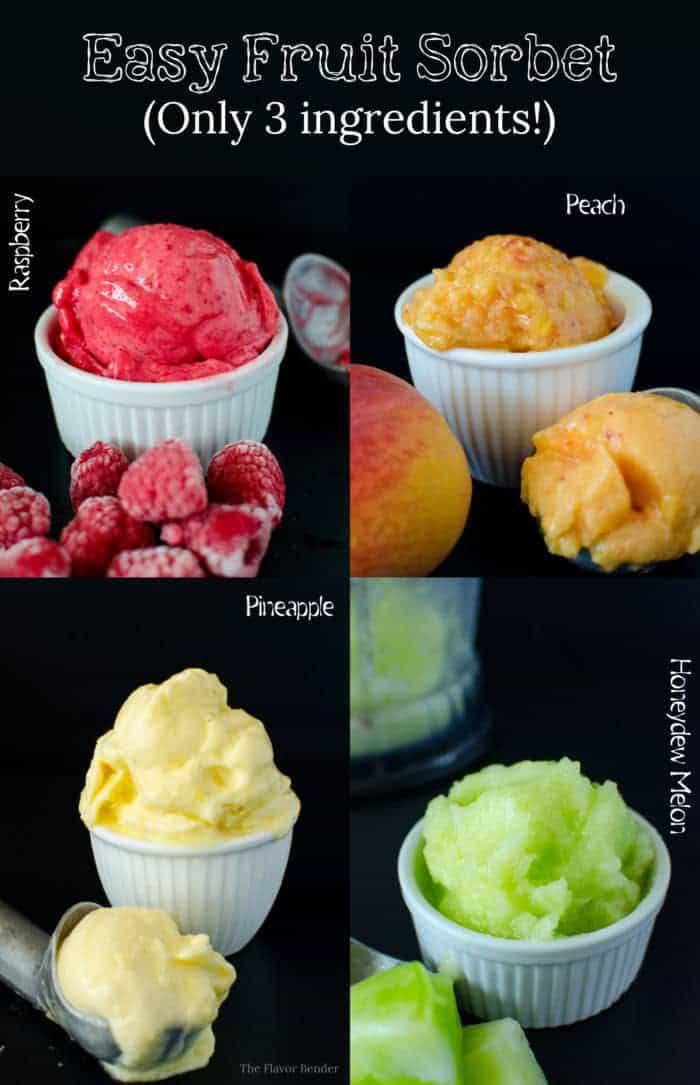
Troubleshooting and common mistakes
When learning how to make fruit sorbet in blender, problems are normal. Here are quick fixes.
- Sorbet too icy
- Use a bit more simple syrup or add a tablespoon of neutral alcohol to lower freezing point.
- Sorbet too soft
- Freeze longer in a shallow container. Chill blades and bowl beforehand if needed.
- Blender struggling
- Add a splash of liquid and pulse. Work in small batches for thick fruit like mango.
- Too sweet or bland
- Balance with acid. A little lemon or lime brightens flavors and reduces perceived sweetness.
From trial and error, I now always taste and tweak before the final freeze. That habit taught me how to make fruit sorbet in blender that people actually enjoy eating.

Flavor ideas and variations
Once you know how to make fruit sorbet in blender, creativity is easy. Try these combos and tips.
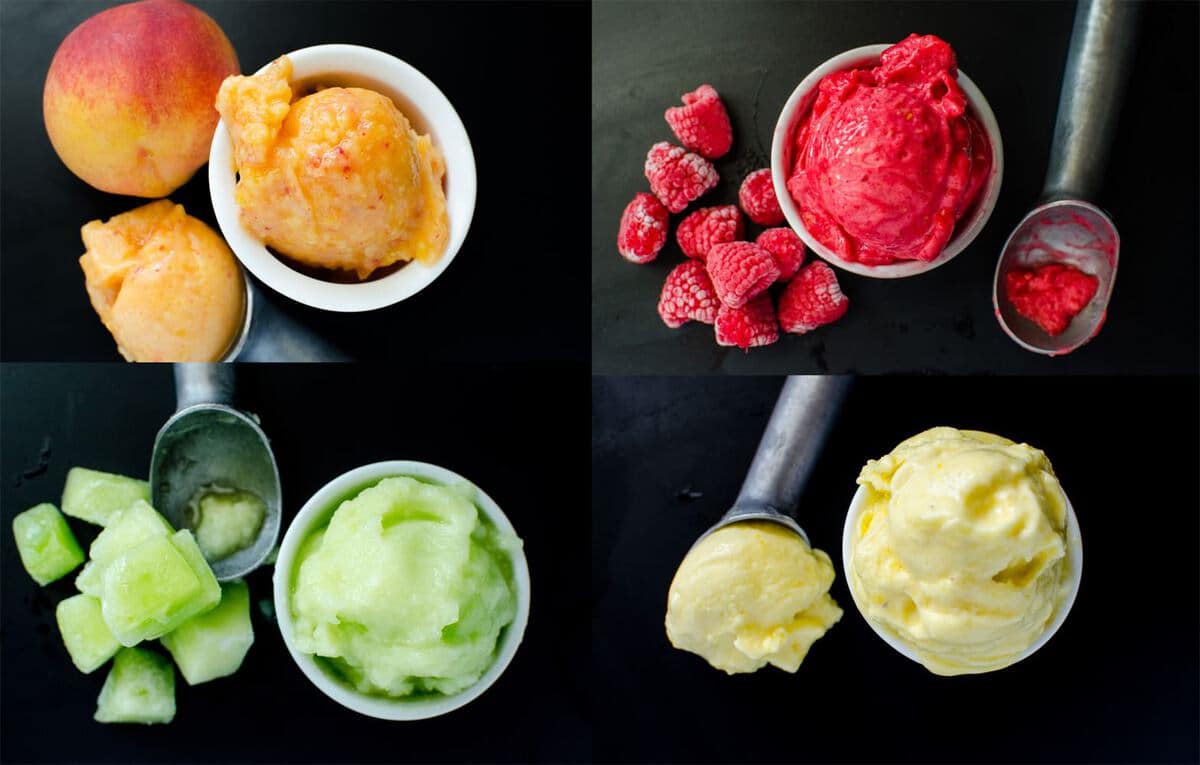
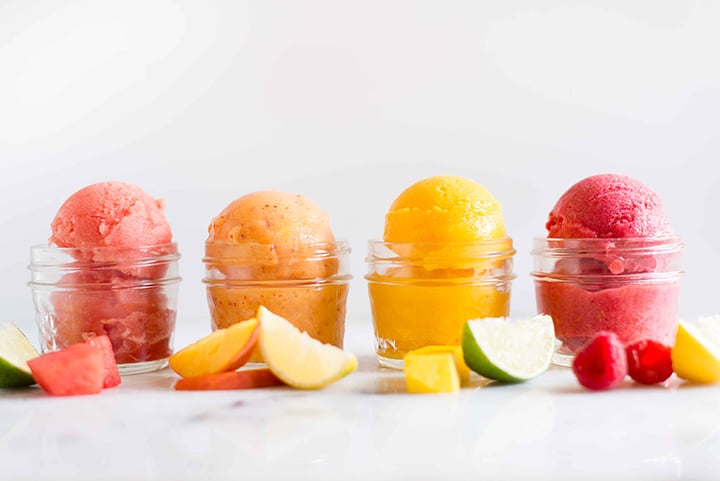
- Classic mango: frozen mango, lime juice, 3 tablespoons simple syrup.
- Strawberry-basil: frozen strawberries, lemon, 1/4 cup honey, handful of fresh basil.
- Tropical mix: pineapple, mango, coconut water, lime juice.
- Boozy twist: add 1 tablespoon rum or vodka to prevent hard freezing.
- Creamy hybrid: add 2 tablespoons coconut cream for a richer texture.
I love making a mango-lime sorbet after grilling. The bright finish shows how to make fruit sorbet in blender that pairs well with savory dishes.
Storage, serving, and presentation
Proper handling keeps sorbet fresh and scoopable.
- Freezing: Store in a shallow airtight container. Press plastic wrap on surface before sealing to prevent ice crystals.
- Shelf life: Best within 1–2 weeks for fresh flavor. Longer storage leads to ice crystals.
- Serving: Dip scoop in warm water and shake off before scooping. Let sit 2–3 minutes if too firm.
- Presentation: Garnish with mint, citrus zest, or a drizzle of syrup.
I label containers with date. That small habit helped me avoid freezer-burned batches while I continued to perfect how to make fruit sorbet in blender.
Nutrition and quick facts
Sorbet is mostly fruit and sugar, so its nutrition varies by recipe. Here are general points when you make fruit sorbet in blender.
- Calories: Typically 80–150 calories per 1/2 cup depending on sugar.
- Fat: Normally fat-free unless you add coconut cream or a similar ingredient.
- Fiber: Contains fruit fiber but less than whole fruit due to blending.
- Sugar: Control with the amount and type of sweetener you use.
If you want a lower-sugar version when you make fruit sorbet in blender, choose very ripe sweet fruit and reduce added syrup.
The science behind smooth sorbet
Understanding a little science helps you make sorbet reliably. Key ideas when you learn how to make fruit sorbet in blender:
- Freezing point depression: Sugar and alcohol lower freezing point and keep sorbet soft.
- Ice crystal control: Quick freezing in a shallow container makes small crystals and a smooth texture.
- Stabilizers: Natural pectin in fruit helps texture. Some recipes use small amounts of corn syrup or honey.
Knowing these basics makes it easier to troubleshoot and improve the next time you make fruit sorbet in blender.
Frequently Asked Questions of how to make fruit sorbet in blender
How long should I freeze fruit before blending?
Freeze fruit for at least 2–4 hours on a tray for best results. Smaller pieces freeze faster and blend more evenly.
Can I use fresh fruit instead of frozen?
Yes, but freeze fresh fruit beforehand or add ice. Blending fresh fruit with ice can water down flavor.
Do I need to use sugar or syrup?
You need some sweetener to balance tartness and control texture, but amounts can be reduced for very ripe fruit. Alternatives like honey or agave work too.
Will my blender handle frozen fruit?
High-speed blenders handle frozen fruit best. If your blender struggles, let fruit soften slightly or work in small batches with a splash of liquid.
How do I keep sorbet from becoming too hard in the freezer?
Add a little alcohol or extra simple syrup, and store sorbet in a shallow container with plastic wrap pressed to the surface. That prevents large ice crystals.
Conclusion
You now have clear, tested steps to make fruit sorbet in blender that is flavorful, scoopable, and simple to adapt. Start with ripe fruit, balance sweetness and acid, pulse instead of overblending, and freeze briefly for the best texture. Try one small batch this week and tweak flavors to your taste — the quicker you practice, the better your sorbet will get. If you enjoyed these tips, leave a comment with your favorite fruit combo or subscribe for more simple dessert guides.
