
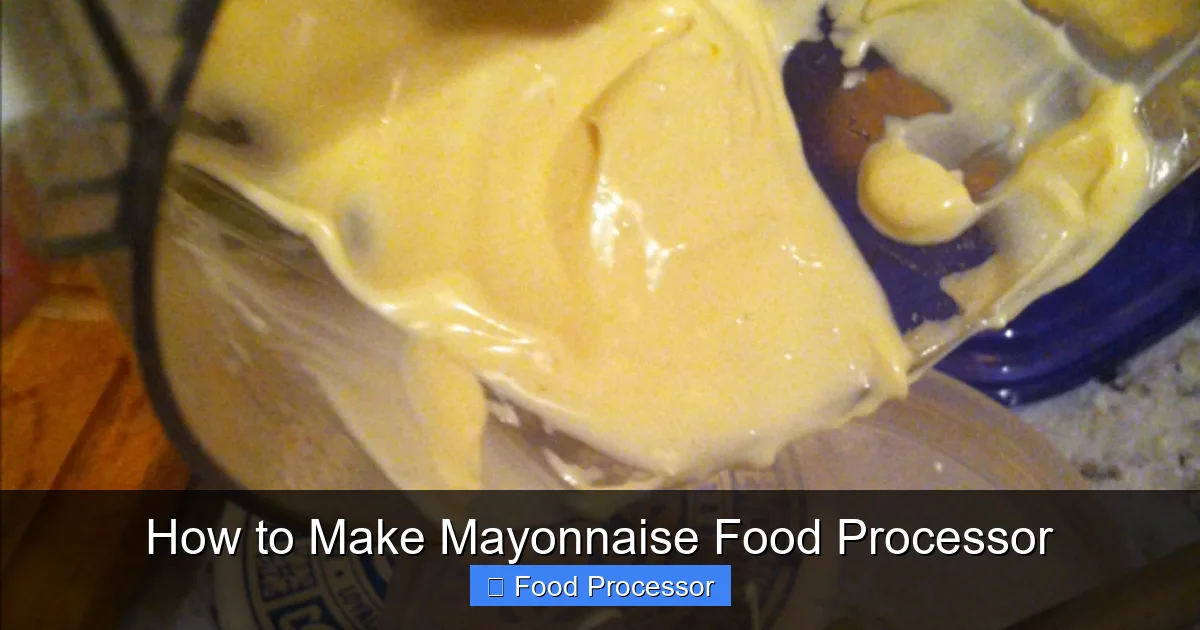
Making mayonnaise in a food processor is incredibly simple and yields a far superior product to store-bought versions. With just a few basic ingredients like eggs, oil, and acid, you can create creamy, delicious homemade mayonnaise in minutes. This comprehensive guide will walk you through every step, ensuring a successful batch of perfectly emulsified food processor mayonnaise.
How to Make Mayonnaise Food Processor
Welcome, fellow food enthusiasts! Are you ready to elevate your culinary game with the freshest, most delicious mayonnaise you’ve ever tasted? Forget those bland, store-bought jars. Today, we’re going to dive into the wonderful world of making mayonnaise right in your own kitchen, using the magical convenience of a food processor. Yes, you read that right! Making mayonnaise food processor style is not only incredibly easy but also remarkably fast.
You might be thinking, “Isn’t mayonnaise difficult to make?” Many people imagine hours of whisking and delicate balancing acts. But with a food processor, those days are long gone. This powerful kitchen tool takes all the guesswork and arm-ache out of the equation. In just minutes, you’ll have a creamy, rich, and utterly customizable condiment that will revolutionize your sandwiches, salads, and dips.
In this comprehensive guide, we’ll walk you through every single step of how to make mayonnaise food processor. We’ll cover everything from gathering your ingredients and setting up your machine to troubleshooting common issues and offering creative flavor variations. By the end, you’ll be a mayonnaise master, ready to impress friends and family with your homemade creations. So, let’s get started on your journey to perfect, homemade food processor mayonnaise!
Key Takeaways
- Use Room Temperature Ingredients: Ensuring your egg yolk and any other liquid ingredients are at room temperature is crucial for a stable, successful emulsion when you make mayonnaise food processor.
- Slow, Steady Oil Stream is Key: The most critical step is to drizzle the oil in a very slow, thin stream through the food processor’s feed tube while the machine is running. This allows the fat to emulsify properly.
- Choose a Neutral Oil: Opt for neutral-flavored oils like canola, grapeseed, or light olive oil to let the true flavor of the mayonnaise shine. Stronger oils can be used for specific flavor profiles but may overpower.
- Season to Taste: Mayonnaise is a versatile base. Adjust salt, acid (lemon juice or vinegar), and add optional seasonings like mustard, garlic, or herbs to personalize your homemade food processor mayonnaise.
- Troubleshooting is Simple: Don’t panic if your mayonnaise doesn’t emulsify or breaks; common issues like curdling or thinness can often be fixed with simple techniques outlined in the guide.
- Store Properly for Longevity: Homemade mayonnaise contains raw egg and should be stored in an airtight container in the refrigerator and consumed within 1-2 weeks for best freshness and safety.
- Food Processor Efficiency: The food processor’s powerful motor and controlled feed tube make it the ideal tool for effortlessly making mayonnaise, ensuring a smooth and consistent texture every time.
Why Make Mayonnaise Food Processor?
Before we get our hands (and food processor) dirty, let’s talk about why making mayonnaise food processor style is such a game-changer.
First and foremost, flavor. Homemade mayonnaise tastes infinitely better than anything you can buy at the store. It’s fresher, more vibrant, and has a richer, creamier texture that’s simply unmatched. When you make mayonnaise food processor, you control the quality of your ingredients, which directly impacts the final taste.
Secondly, it’s about control. You can adjust the seasoning, the tanginess, and even the type of oil to suit your personal preferences. Want a little more lemon? Go for it. Prefer a hint of garlic? Add it in! This level of customization is impossible with pre-made mayonnaise.
Finally, it’s incredibly satisfying and easy. The food processor does most of the hard work for you. It emulsifies the ingredients quickly and efficiently, giving you a perfect batch of mayonnaise with minimal effort. Plus, knowing you made such a fundamental condiment from scratch is a real accomplishment!
Equipment You’ll Need
To successfully make mayonnaise food processor, you’ll need a few essential items. Good news is, you likely already have most of them in your kitchen.
- Food Processor: This is the star of our show! Any standard food processor with a S-blade attachment will work. If you’re wondering how to choose the right size food processor, a medium to large one (8-14 cup capacity) is ideal for making a decent batch of mayonnaise. Ensure it’s clean and properly assembled before you begin.
- Measuring Cups and Spoons: For accurate ingredient proportions.
- Rubber Spatula: To scrape down the sides of the bowl and transfer your finished mayonnaise.
- Airtight Container: For storing your delicious homemade mayonnaise in the refrigerator.
Ingredients for Perfect Food Processor Mayonnaise
The beauty of homemade mayonnaise lies in its simplicity. You only need a few high-quality ingredients to create a truly spectacular product. Remember, quality matters here, so use the freshest ingredients you can find.
Here’s what you’ll need:
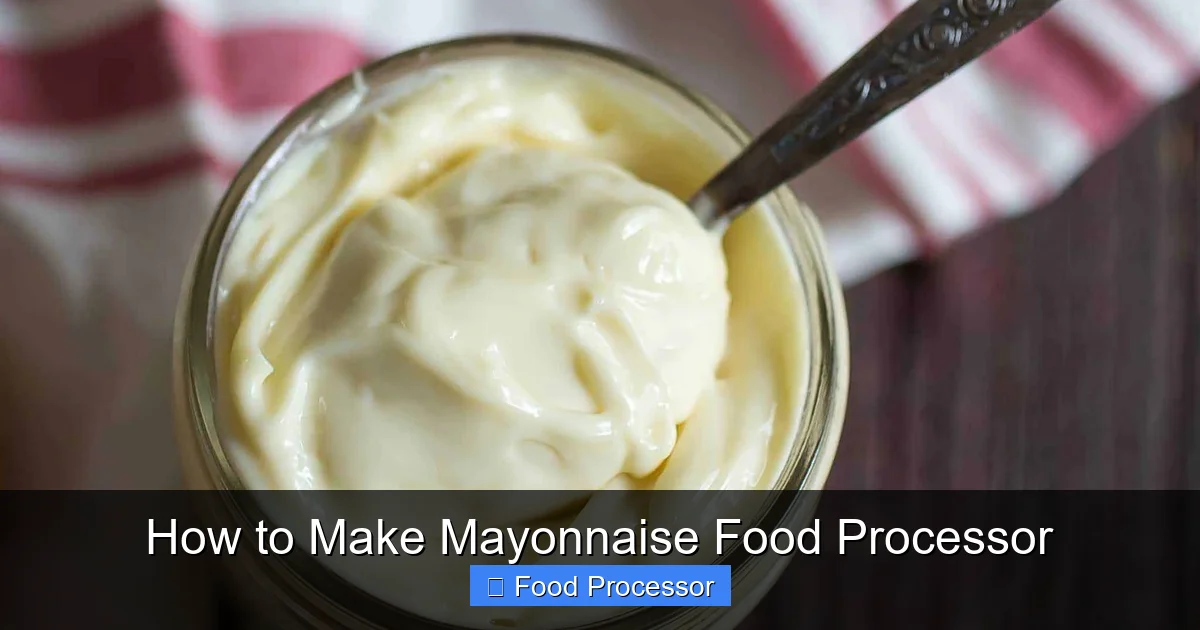
Visual guide about How to Make Mayonnaise Food Processor
Image source: themovementmenu.com
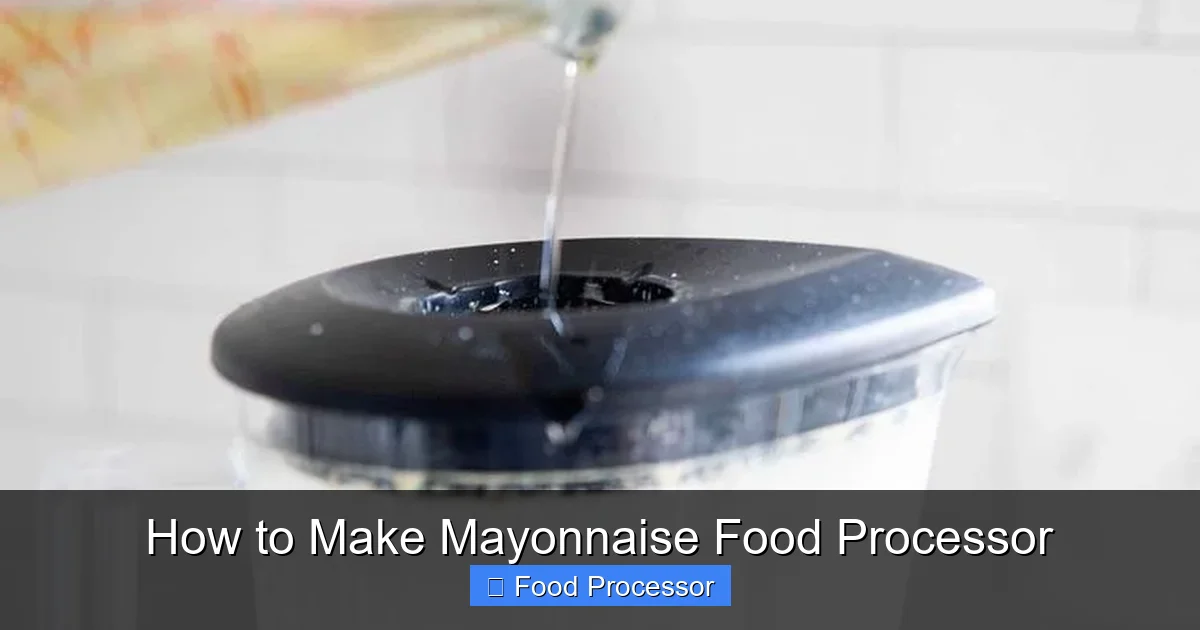
Visual guide about How to Make Mayonnaise Food Processor
Image source: simplyrecipes.com
- 1 Large Egg Yolk: This is the emulsifier. It’s crucial that your egg yolk is at room temperature. Cold yolks are harder to emulsify, increasing the chance of your mayonnaise breaking.
- 1 Teaspoon Dijon Mustard (or other prepared mustard): Mustard isn’t just for flavor; it contains compounds that help stabilize the emulsion. It’s an insurance policy for your mayonnaise.
- 1 Tablespoon Fresh Lemon Juice or White Vinegar: The acid brightens the flavor and also aids in emulsification. Again, room temperature is best.
- 1/2 Teaspoon Salt: To enhance flavor. Adjust to your taste.
- 1/4 Teaspoon White Pepper (optional): For a subtle kick.
- 1 Cup Neutral-Flavored Oil: This is the bulk of your mayonnaise. Examples include canola oil, grapeseed oil, sunflower oil, or a very light olive oil. Avoid extra virgin olive oil if you want a classic, neutral flavor, as it can be quite bitter in mayonnaise. Some people like to blend oils, for example, half canola and half a milder olive oil. It is also very important that your oil is at room temperature.
A Note on Raw Eggs
Since homemade mayonnaise uses raw egg yolks, there’s a small risk of salmonella. If you’re concerned, use pasteurized eggs, which are available in most grocery stores. Pregnant women, young children, the elderly, and those with weakened immune systems should consult their doctor before consuming raw eggs.
Step-by-Step Guide: How to Make Mayonnaise Food Processor
Now for the main event! Follow these simple steps to make mayonnaise food processor like a pro.
Step 1: Gather and Prep Your Ingredients
This is arguably the most important preparatory step for making mayonnaise food processor. Ensure all your ingredients, especially the egg yolk, lemon juice/vinegar, and oil, are at room temperature. If they are cold, the emulsion is more likely to break.
- Bring to Room Temperature: Take your egg out of the fridge at least 30 minutes to an hour before you plan to start. You can quickly warm the lemon juice or vinegar by placing the bottle in a bowl of warm water for a few minutes.
- Measure Accurately: Measure out all your ingredients. Having everything ready to go will make the process smoother.
Step 2: Assemble Your Food Processor
Make sure your food processor is properly assembled. Place the S-blade into the work bowl and securely attach the lid. If you’re unsure how to assemble food processor step by step, check your appliance’s manual or our guide on it.
Step 3: Combine Initial Ingredients
Add the room temperature egg yolk, Dijon mustard, lemon juice or vinegar, salt, and optional white pepper to the food processor work bowl.
- Pulse to Combine: Secure the lid and pulse the mixture a few times until everything is well combined and slightly frothy. This usually takes about 10-15 seconds. Scrape down the sides with a rubber spatula if needed to ensure all ingredients are incorporated.
Step 4: The Slow Oil Drizzle (The Most Important Step!)
This is where the magic happens and the emulsion forms. Success in making mayonnaise food processor hinges on this step.
- Start Processing: Turn the food processor on and let it run continuously.
- Begin Drizzling: With the food processor running, very slowly and steadily begin to drizzle the oil through the small feed tube in the lid. The key here is slow and steady. Think of it as a thin stream, not a pour.
- Observe the Emulsion: As you add the oil, you’ll notice the mixture in the food processor starting to thicken and change color, becoming pale yellow and opaque. This means the emulsion is forming.
- Continue Drizzling: Keep adding the oil in a thin stream. This process should take at least 2-3 minutes for 1 cup of oil. Do not rush this step, as adding the oil too quickly is the most common reason for mayonnaise to break.
Step 5: Process Until Thick and Creamy
Once all the oil has been added, continue to process the mayonnaise for another 30-60 seconds. This ensures a stable and thick emulsion.
- Check Consistency: The mayonnaise should be thick, creamy, and hold its shape. If it’s too thin, you can try adding a tiny bit more oil (1-2 tablespoons) very slowly while processing.
- Taste and Adjust: Turn off the food processor, remove the blade, and taste your homemade mayonnaise. Adjust salt, pepper, or lemon juice/vinegar as needed. You can always add more, but you can’t take it out!
Step 6: Transfer and Store
Scrape the finished mayonnaise into an airtight container using your rubber spatula.
- Refrigerate: Store your homemade mayonnaise in the refrigerator. It will continue to firm up slightly as it chills.
Tips for Success When Making Mayonnaise Food Processor
Want to ensure your homemade food processor mayonnaise is perfect every time? Here are some expert tips:
- Room Temperature is Non-Negotiable: We’ve said it before, but it bears repeating. Cold ingredients inhibit emulsion.
- Don’t Rush the Oil: Seriously, this is the number one rule. Patience is a virtue when adding the oil.
- Use a Drip Hole (if available): Some food processors have a feed tube with a small drip hole at the bottom. This is ideal for mayonnaise, as it automatically controls the oil flow. If yours doesn’t, just pour carefully.
- Experiment with Acids: While lemon juice and white vinegar are classics, try apple cider vinegar for a different subtle tang.
- Get the Most Out of Your Food Processor: Learning how to get the most out of your food processor includes mastering techniques like this, which can save you a lot of time and effort in the kitchen.
Flavor Variations for Your Homemade Food Processor Mayonnaise
Once you’ve mastered the basic recipe, you can get creative! Here are some ideas to customize your food processor mayonnaise:
- Garlic Aioli: Add 1-2 cloves of minced garlic (or roasted garlic) with the initial ingredients.
- Herb Mayonnaise: Blend in 1-2 tablespoons of fresh, finely chopped herbs like dill, chives, parsley, or tarragon at the end.
- Spicy Mayonnaise: Add a dash of sriracha, chipotle powder, or your favorite hot sauce to taste.
- Caper Mayonnaise: Blend in a tablespoon of drained, chopped capers for a briny kick.
- Smoked Paprika Mayonnaise: Add 1/2-1 teaspoon of smoked paprika for a smoky, earthy flavor.
Troubleshooting Common Mayonnaise Issues
Even with the best intentions, sometimes things go wrong. Don’t worry! Most mayonnaise issues are fixable.
My Mayonnaise Is Too Thin/Didn’t Emulsify (It Broke!)
This is the most common problem. It usually means the oil was added too quickly or your ingredients were too cold.
How to Fix It:
- Method 1 (Simple Restart): In a clean bowl (or a clean food processor if you want to reuse it, just make sure to wash out the broken mayo first), add another fresh egg yolk and 1 teaspoon of Dijon mustard. Turn the food processor on. Slowly, *very slowly*, drizzle your broken mayonnaise into this new mixture. It should emulsify and thicken.
- Method 2 (Using Hot Water): If it’s just a little thin, try adding a teaspoon of hot water or even a few ice cubes while the processor is running. Sometimes the temperature shock can help bring it together.
My Mayonnaise Is Too Thick
This is an easy fix!
How to Fix It: Stir in a teaspoon of warm water, lemon juice, or vinegar at a time until you reach your desired consistency. Be gentle and stir it in by hand.
My Mayonnaise Tastes Bland
This is a matter of personal preference and can be easily adjusted.
How to Fix It: While the food processor is running (or by hand, if it’s already transferred), add a pinch more salt, a squeeze more lemon juice, or another touch of Dijon mustard. Taste, adjust, repeat until perfect!
My Mayonnaise Tastes Bitter
This often happens when using extra virgin olive oil. Its strong flavor can become bitter when emulsified.
How to Fix It: There’s not much to fully “fix” the bitterness once it’s there. You can try to mask it by adding more lemon juice, mustard, or fresh herbs. For your next batch, stick to neutral oils or use a blend with milder olive oil.
Storage
Store your homemade food processor mayonnaise in an airtight container in the refrigerator. Due to the raw egg, it’s best to consume it within 1-2 weeks. Always trust your nose and eyes; if it smells off or looks discolored, it’s best to discard it.
Conclusion
Congratulations! You’ve just mastered how to make mayonnaise food processor. This simple yet profound skill opens up a world of fresh, vibrant flavors that store-bought versions simply can’t compete with. From now on, you’ll be able to whip up a batch of creamy, delicious mayonnaise whenever the craving strikes, knowing exactly what ingredients went into it.
Whether you’re slathering it on a sandwich, making a batch of deviled eggs, or creating a sensational potato salad, your homemade food processor mayonnaise will be the star ingredient. Embrace the ease and versatility of your food processor, and enjoy the incredible taste of truly homemade condiments. Happy cooking!
