
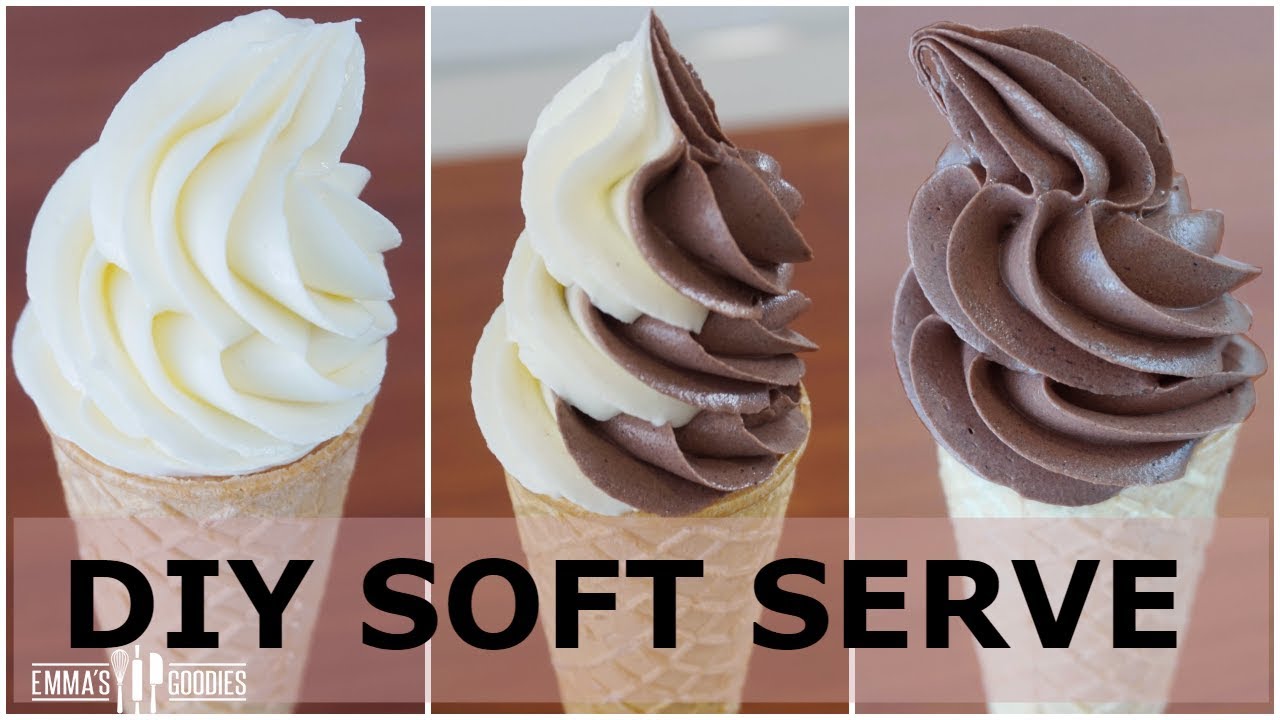
Make creamy soft serve at home with a chilled custard base and a simple churn method.
I’ve taught home cooks and made dozens of batches myself, so I know what works and what fails when learning how to make soft serve ice cream at home. This guide walks you through equipment choices, easy recipes, step-by-step methods, flavor ideas, and troubleshooting. Read on and you’ll learn practical tips I used to turn a freezer and a mixer into perfect, scoopable soft serve.

Why soft serve is different from scoopable ice cream
Soft serve has a lighter texture. It contains more air and melts faster. Temperature and churning are the keys to soft serve.
How to make soft serve ice cream at home starts with understanding texture. You will control overrun (air) and serving temperature. I learned early that small changes in freezing time make a big difference.

Equipment options for home soft serve
You do not need a commercial machine to make soft serve at home. Choose tools that match your budget and patience.
- Ice cream maker with dasher
- Best for consistent churning and air incorporation.
- Hand mixer or stand mixer with a chilled bowl
- Works well for small batches if you freeze the mix quickly.
- Freezer-only method (no churn)
- Use a shallow pan and manual aeration for soft serve-style texture.
- Optional: whipped-cream dispenser with nitrous
- Gives very light texture fast, though it tastes different.
From my tests, an ice cream maker is easiest to control. If you don’t own one, the mixer-plus-freeze trick gives great results.

Basic soft serve base recipes
A good base is simple. Use milk, cream, sugar, and a stabilizer for smoothness.
Vanilla soft serve base (single batch)
- 2 cups whole milk
- 1 cup heavy cream
- 3/4 cup sugar
- 2 tablespoons powdered milk (optional, for body)
- 1 teaspoon vanilla extract
- 1/4 teaspoon salt
Custard-style base (richer)
- 2 cups whole milk
- 1 cup heavy cream
- 3/4 cup sugar
- 3 large egg yolks
- 1 teaspoon vanilla
- Pinch of salt
Mix the ingredients. Heat for egg yolk recipes to 170°F while stirring. Cool quickly in an ice bath. Chill in the fridge at least 4 hours. I prefer the custard base for creamier soft serve, but the milk-only base is lighter and faster.
Step-by-step: making soft serve at home
Follow these steps when you are ready to churn and serve.
- Prepare the base
- Combine milk, cream, sugar, and salt. Whisk until sugar dissolves.
- For custard, temper eggs and cook to thicken, then cool.
- Chill the base
- Cool fast in an ice bath.
- Refrigerate 4 to 24 hours to let flavors meld.
- Chill your equipment
- If using a stand mixer or chilled bowl, freeze it well first.
- Cold tools help form smooth crystals.
- Churn
- Follow your ice cream maker’s instructions.
- Churn until the mix is soft-serve consistency, usually 15–25 minutes.
- Serve immediately or hold
- For classic soft serve texture, serve right away at about 18–22°F.
- To hold, store in a shallow container and return briefly to the machine or use a quick whisk before serving.
How to make soft serve ice cream at home often rests on timing. I learned to watch texture, not time. When the mix thickens but still flows slowly, it’s ready.

Flavor ideas and mix-ins
Soft serve is a great canvas. Keep add-ins simple and small so texture stays smooth.
- Classic flavors
- Vanilla, chocolate, strawberry.
- Fruit swirls
- Puree fruit and fold gently after churning.
- Mix-ins to fold in
- Minced cookie pieces, small candy bits, or nut crumbs.
- Sauces and toppings
- Hot fudge, caramel, toasted nuts, and sprinkles.
When I make chocolate soft serve, I add melted chocolate to warm milk first so it blends smoothly. For fruit, I macerate berries with a little sugar and fold in after churning.

Troubleshooting and tips
Common problems are icy texture, too soft to serve, or grainy feel. Here are focused fixes.
- Icy texture
- Use more fat (add cream) or a stabilizer like powdered milk or gelatin.
- Too soft
- Chill your machine and base longer. Slightly shorten churning time.
- Grainy or icy after freezing
- Re-churn briefly or add a small amount of alcohol or invert sugar to lower freezing point.
- Runny base
- Increase stabilizer or cook custard longer for more body.
I once made a batch that turned icy overnight. Re-churning for five minutes in the machine fixed it. Small fixes like that save a batch.
:max_bytes(150000):strip_icc()/Carly-Diaz-for-Wiz-Bang-Bar-381076fe80e745a499eb27348ca181aa.jpg)
Storage, food safety, and serving temperature
Safe handling keeps soft serve tasty and safe. Store and serve at the right temperatures.
- Cooling and chilling
- Chill base thoroughly before churning.
- Serving temperature
- Soft serve tastes best between 18°F and 22°F.
- Holding and storage
- Short-term hold in shallow containers. Freeze for longer storage at 0°F.
- Food safety
- Use pasteurized milk and handle eggs carefully. Keep clean tools and chill promptly.
I avoid raw eggs unless I use pasteurized yolks or a cooked custard. That reduces risk and still yields great texture.

Frequently Asked Questions of how to make soft serve ice cream at home
What is the simplest way to make soft serve at home?
Use a high-fat milk and cream mix, chill it well, then churn in an ice cream maker until soft. Serve immediately for classic texture.
Can I make soft serve without an ice cream maker?
Yes. Freeze the base in a shallow pan and stir or whip every 15 to 20 minutes until soft and smooth. It takes more work but the result can be very close.
How long can I store homemade soft serve?
Store in an airtight container in the freezer for up to two weeks, but texture will change over time. Re-whip briefly before serving to restore creaminess.
How do I make soft serve that stays soft longer?
Add stabilizers like powdered milk, gelatin, or commercial stabilizer and use a bit more fat in the base. These slow crystallization and help texture.
Is custard base better than milk base for soft serve?
Custard base is richer and creamier because of egg yolks and higher fat. Milk-based recipes are lighter and faster but less stable.
Conclusion
You can make restaurant-style soft serve at home with a chilled base, the right tools, and careful timing. Start simple, use cold equipment, and taste as you go. Try one recipe, tweak it, and keep notes so you learn what your family likes.
Ready to try? Make a small batch tonight, experiment with one flavor, and leave a comment below with your results or questions.
