
Leaving your slow cooker unattended can be safe if you follow proper precautions. This guide covers essential safety tips, best practices, and troubleshooting advice to ensure your cooking experience remains worry-free and secure. With these tips, you can enjoy delicious meals without constantly monitoring your slow cooker.
Key Takeaways
- Use the Right Settings: Always set your slow cooker to the appropriate temperature to prevent overcooking or undercooking.
- Ensure Proper Placement: Place your slow cooker on a stable, heat-resistant surface away from flammable materials.
- Never Overfill: Fill your slow cooker only up to the recommended level to ensure safe operation and even cooking.
- Use a Timer or Smart Plug: Utilize timers or smart plugs to control cooking times and turn off the device automatically.
- Inspect Your Slow Cooker: Regularly check for damaged cords or malfunctioning parts before leaving it unattended.
- Practice Food Safety: Use fresh ingredients and avoid leaving perishable food at room temperature before cooking.
- Follow Manufacturer Guidelines: Always adhere to your slow cooker’s safety instructions and recommendations.
How to Safely Leave Your Slow Cooker Unattended
Slow cookers are a fantastic way to prepare delicious meals with minimal effort. They allow you to cook food slowly over hours, making meal prep easy and convenient. However, many people wonder if it’s safe to leave their slow cooker unattended, especially when they’re away from home or busy with other tasks. The good news is, with proper safety measures, you can confidently leave your slow cooker unattended without worry. This guide will walk you through the essential steps to ensure your slow cooker is used safely and effectively, giving you peace of mind while your meal cooks.
1. Choosing the Right Slow Cooker
Pick a Reliable Model
Start with a reputable slow cooker brand known for safety and durability. Modern slow cookers often come with built-in safety features like automatic shut-off, locking lids, and cool-touch handles. Investing in a quality appliance reduces the risk of accidents and malfunctions.
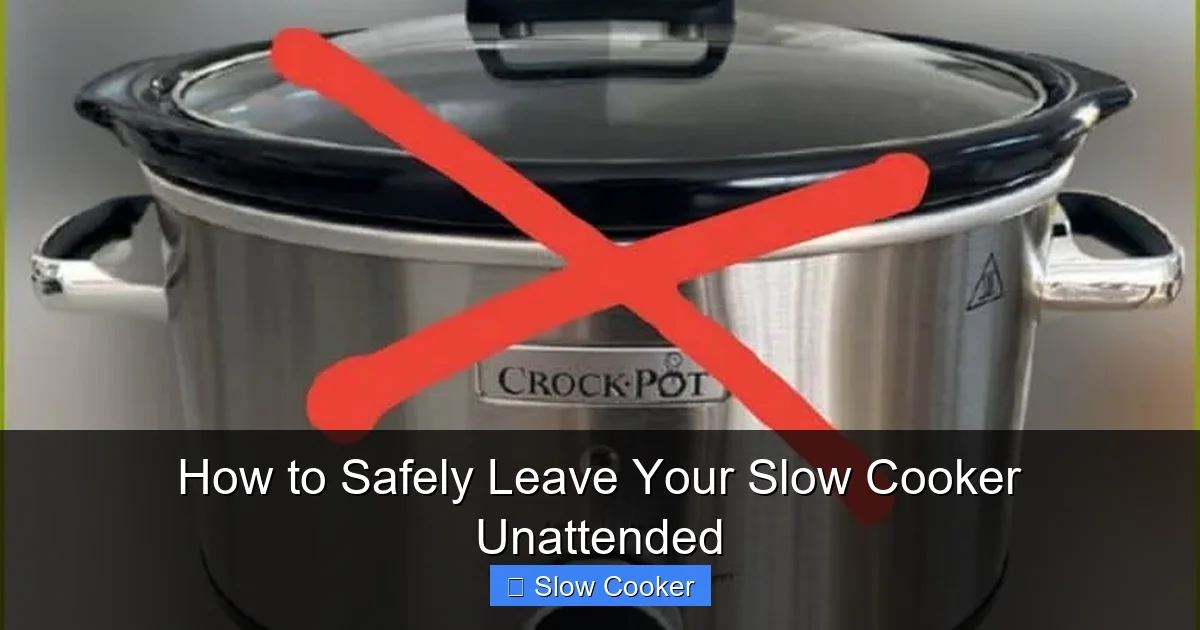
Visual guide about How to Safely Leave Your Slow Cooker Unattended
Image source: ovenspot.com
Check for Safety Certifications
Look for certifications such as UL (Underwriters Laboratories) or ETL (Intertek) on your slow cooker. These indicate the device has been tested for safety standards. Never use a slow cooker that lacks proper certification or shows signs of damage.
2. Preparing Your Slow Cooker for Unattended Use
Read the Manufacturer’s Instructions
Always carefully read the user manual before use. It provides crucial safety guidelines and specific instructions for your model. Follow all recommended settings and precautions.
Inspect the Appliance
Before each use, check the power cord, plug, and electrical components for damage or fraying. Do not use the slow cooker if you notice exposed wires or other damage. Ensure the lid seals tightly and the insert is clean.
Place on a Stable, Heat-Resistant Surface
Set your slow cooker on a flat, stable surface that can withstand heat. Keep it away from curtains, paper, or other flammable materials. An area with good ventilation is ideal.
3. Proper Usage and Settings
Select the Correct Cooking Mode
Most slow cookers have settings like Low, High, and Keep Warm. Use the recommended setting based on your recipe. For unattended cooking, the Low setting is usually safer and more energy-efficient.
Set the Timer or Use a Smart Plug
If your slow cooker has a built-in timer, set it according to your recipe. Alternatively, connect it to a smart plug with timer functionality. This allows you to control and automate turn-off times, preventing overcooking or potential hazards.
Avoid Overfilling
Fill your slow cooker between one-half and two-thirds full. Overfilling can cause spills and uneven cooking, while underfilling may lead to burning or dry food.
4. Food Safety and Preparation
Use Fresh Ingredients
Always start with fresh, high-quality ingredients. Do not leave raw meat or perishable items at room temperature for extended periods before cooking.
Preheat When Necessary
Some recipes benefit from preheating the slow cooker or starting with hot ingredients, especially when leaving it unattended for long hours. This reduces the risk of bacterial growth.
Monitor Cooking Times
Follow recipe guidelines for cooking durations. Using a timer helps prevent food from overcooking or becoming unsafe to eat.
5. Safety Tips for Leaving Your Slow Cooker Unattended
Use Safety Features
Modern slow cookers with automatic shut-off or locking lids are ideal for unattended cooking. These features prevent accidents and spills.
Keep the Area Clear
Avoid clutter around the slow cooker. Keep flammable objects and liquids away from the appliance.
Stay Nearby During Initial Use
If you’re new to slow cooking or using a new device, stay nearby during the first few times. Observe how the appliance functions and ensure it operates correctly.
6. Troubleshooting and Precautions
- Slow Cooker Not Heating: Check the power source, cord, and plug. Replace if damaged. Ensure the lid is properly closed.
- Food Not Cooking Properly: Verify the temperature setting. Ensure ingredients are in the correct order and the cooker isn’t overfilled.
- Smell or Smoke Coming From the Cooker: Turn it off immediately. Unplug and inspect for burned or damaged parts.
- Overflows or Spills: Avoid overfilling. Use a larger capacity if needed.
7. Final Tips for Safe Unattended Slow Cooking
- Plan Your Cooking Time: Know exactly when your food will be ready and set timers accordingly.
- Regularly Maintain Your Appliance: Clean the slow cooker after each use. Remove food residues to prevent odors and malfunctions.
- Stay Informed: Keep up with manufacturer updates or recalls that affect your slow cooker model.
Conclusion
With the right precautions, leaving your slow cooker unattended can be safe and stress-free. Always choose a reliable model, prepare it properly, and follow safety guidelines. Using timers or smart plugs adds an extra layer of security. Remember, safety first — your delicious meal is worth the extra effort to ensure everything runs smoothly. Happy slow cooking!
