
Cooking with a slow cooker is a great way to save electricity and lower energy costs. This guide teaches you practical tips to make your slow cooker meals more energy-efficient, helping you save money and reduce your carbon footprint. Whether you’re a beginner or an experienced home cook, you’ll find simple strategies to optimize your slow cooker use and enjoy tasty, budget-friendly meals.
Key Takeaways
- Use the right size slow cooker: Choosing a smaller cooker for small meals reduces energy consumption.
- Plan your cooking times: Cooking during off-peak hours can save on energy costs.
- Opt for energy-efficient settings: Use low or warm settings instead of high whenever possible.
- Prepare ingredients in advance: Cutting and pre-measuring ingredients can reduce cooking time.
- Keep the lid on: Avoid lifting the lid during cooking to prevent heat loss and conserve energy.
- Maintain your slow cooker: Regular cleaning and proper maintenance ensure efficient operation.
- Combine cooking methods: Use a combination of slow cooking and other energy-saving appliances for meal prep.
Introduction
Slow cookers are popular for their convenience and ability to make flavorful meals with minimal effort. But did you know that they can also help you save electricity? By following some simple tips, you can make your slow cooker more energy-efficient, which means lower energy bills and a smaller carbon footprint. In this guide, you’ll learn how to optimize your slow cooker use and cook delicious meals while saving electricity.
Understanding How Slow Cookers Use Electricity
Slow cookers typically operate on low wattage, usually between 70 to 200 watts, depending on the model and setting. Because they cook food slowly over several hours, they consume less energy than traditional ovens or stovetops. However, there are ways to make even better use of this appliance to maximize energy savings.
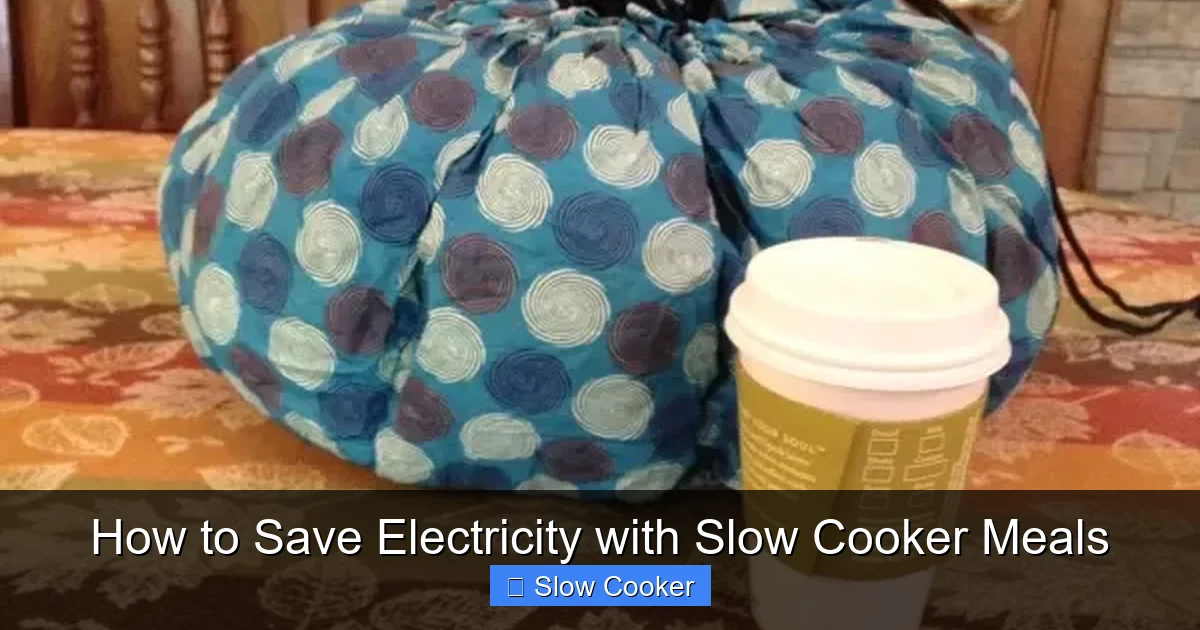
Visual guide about How to Save Electricity with Slow Cooker Meals
Image source: mashupmom.com
1. Choose the Right Size Slow Cooker
Select the Appropriate Capacity
Using a slow cooker that matches your meal size helps avoid unnecessary energy use. For small meals, opt for a 3-4 quart cooker. Larger pots (6-8 quarts) are perfect for big batches but can waste energy if you’re only cooking for one or two people.
Tip: If you frequently cook small portions, consider purchasing a smaller slow cooker or using a multi-cooker with adjustable sizes.
Benefits of Using the Correct Size
- Reduces energy waste
- Ensures efficient heat transfer
- Shortens cooking times slightly, saving energy
2. Plan and Prepare Your Meals Effectively
Prep Ingredients in Advance
Pre-chopping vegetables and measuring ingredients beforehand reduces the cooking time, saving energy. The less time your slow cooker needs to be on, the less electricity it uses.
Use Cold or Room Temperature Ingredients
Starting with ingredients at room temperature helps the slow cooker reach cooking temperature faster, decreasing overall energy consumption.
Batch Cooking
Prepare multiple meals at once. This way, you can fill the slow cooker fully, making the most of its energy use per meal.
3. Optimize Cooking Settings and Times
Use Low or Warm Settings
Most recipes can be cooked on the low setting, which uses less energy than high. The warm setting is ideal for keeping food hot without additional energy use.
Adjust Cooking Times
If your schedule allows, cook meals for longer on low rather than high. The extended low setting uses less power over time.
Cook During Off-Peak Hours
Electricity rates are often lower at night or on weekends. Schedule your slow cooker to run during these times if your utility provider offers time-of-use billing.
4. Keep the Lid On
One of the simplest ways to save energy is to avoid lifting the lid during cooking. Each time you do, heat escapes, and the slow cooker has to work harder to maintain temperature.
Practical tip: Use the lid’s glass window if available, so you can check on your food without lifting it.
5. Maintain and Care for Your Slow Cooker
Regular Cleaning
Food residue and mineral build-up can affect heat transfer efficiency. Clean the stoneware and lid regularly with gentle soap and water.
Check for Wear and Tear
Replace worn-out seals or damaged parts to ensure your slow cooker operates at optimal efficiency.
Proper Storage
Store your slow cooker in a dry place to prevent damage and maintain performance.
6. Combine Slow Cooking with Other Energy-Saving Methods
While slow cookers are energy-friendly, you can further reduce energy use by pairing them with energy-efficient appliances or cooking methods.
- Use a pressure cooker: For quick meals, switch to a pressure cooker to save even more energy.
- Batch cooking on weekends: Prepare multiple meals in one session to cut down on daily cooking energy.
- Utilize microwave ovens: For reheating or small tasks, microwave use consumes less electricity than the oven or stovetop.
7. Troubleshooting Common Issues
- Food isn’t cooking evenly: Ensure your slow cooker is on a flat, stable surface. Check the heating element if it’s an older model.
- Slow cooker isn’t heating properly: Test the outlet with another device. If faulty, consider repairing or replacing the appliance.
- Food takes too long to cook: Preheat ingredients and use the appropriate size cooker for your meal.
Conclusion
Cooking with a slow cooker is an excellent way to prepare tasty meals while saving electricity. By choosing the right size, planning your meals, using energy-efficient settings, and maintaining your appliance, you can cut down on energy costs and help protect the environment. Simple adjustments like keeping the lid on and cooking during off-peak hours can make a significant difference. Embrace these tips, and enjoy delicious, budget-friendly meals that won’t break the bank or deplete your energy resources.
Remember:
Efficiency is all about smart choices. With a little planning and care, your slow cooker can be a powerhouse of energy savings.
