

Season gas grill grates by cleaning, heating, and coating with a high-smoke-point oil.
I have seasoned hundreds of grates over the years and I know what works. This guide explains how to season gas grill grates step by step. I mix hands-on tips, safety notes, and short troubleshooting cues. Read on to learn simple methods that keep food from sticking and extend grate life.
Why season gas grill grates?
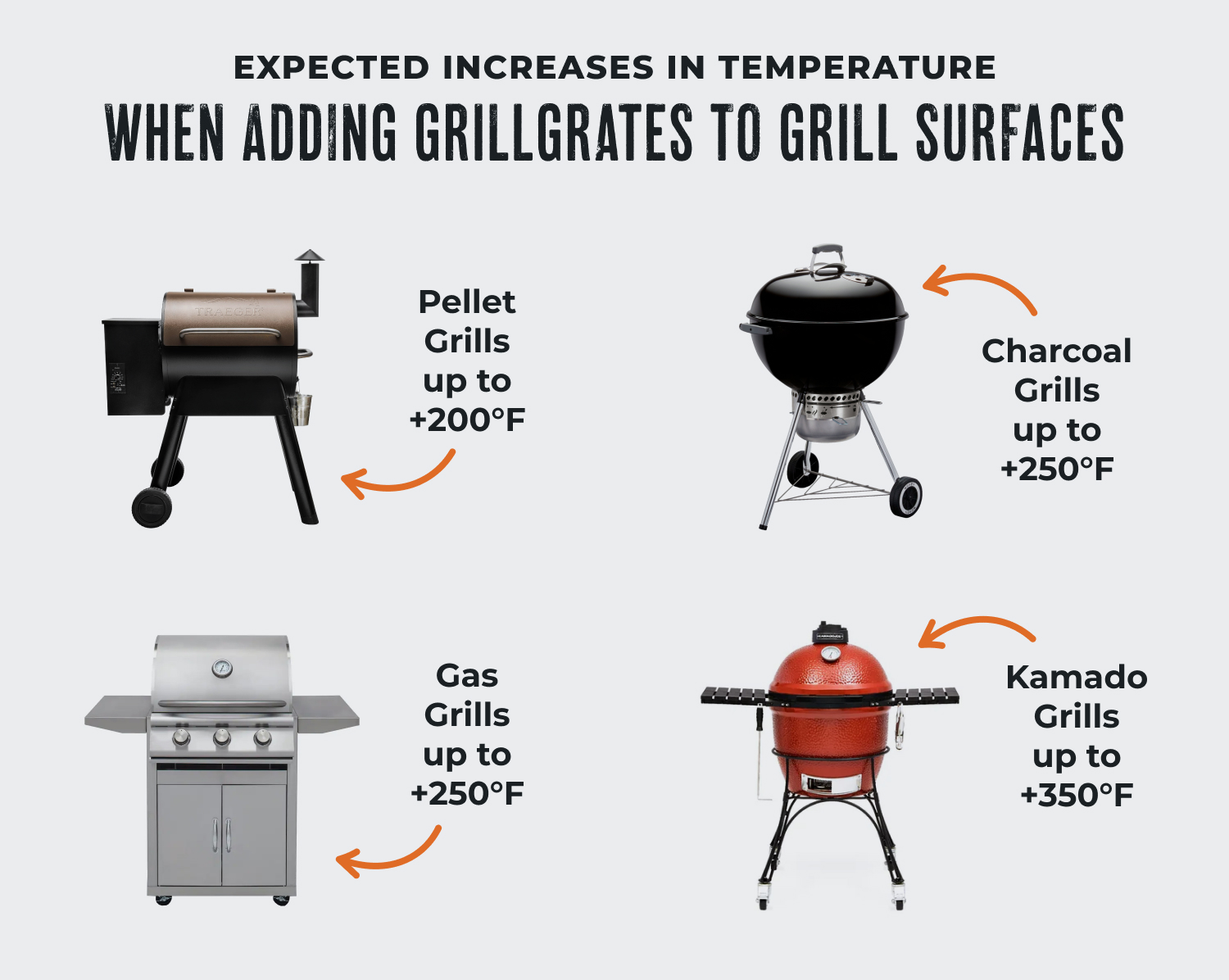
Seasoning creates a thin, nonstick layer on metal. It helps food release and prevents rust. Seasoned grates also cut flare-ups and add a subtle protective coat. Learning how to season gas grill grates saves money and makes grilling easier.
Which grate materials need seasoning?
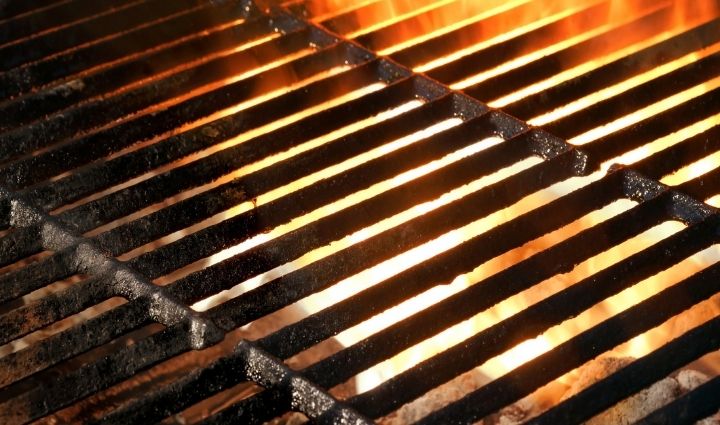
Different materials react differently to oil and heat. Know your grate type before you start.
- Cast iron grates
- Cast iron benefits most from seasoning. It is porous and rust-prone.
- If you skip seasoning, cast iron will flake and stick.
- Porcelain-coated grates
- Porcelain needs gentle care. It does not need heavy seasoning.
- Avoid abrasive scrubbing that chips the coating.
- Stainless steel grates
- Stainless tolerates heat and is less prone to rust.
- Light seasoning helps food release and adds protection.
No matter the material, learning how to season gas grill grates will improve results.
Tools and oils you need
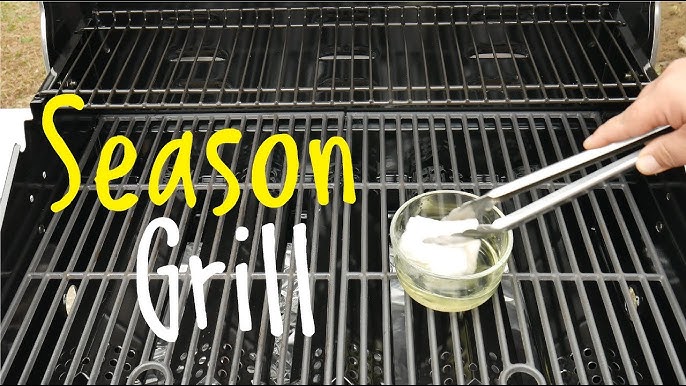
Gather a few simple items before you begin. Use safe tools and oils with a high smoke point.
- Tools
- Grill brush with brass or nylon bristles and a scraper.
- Clean cloths or paper towels.
- Heat-resistant gloves.
- Tongs for handling grates.
- Oils
- Canola oil, vegetable oil, or grapeseed oil — all have high smoke points.
- Flaxseed oil can form a hard coating but needs careful heat cycles.
- Avoid butter, olive oil, or low-smoke-point fats.
Choosing the right oil is part of learning how to season gas grill grates safely.
Step-by-step: How to season gas grill grates
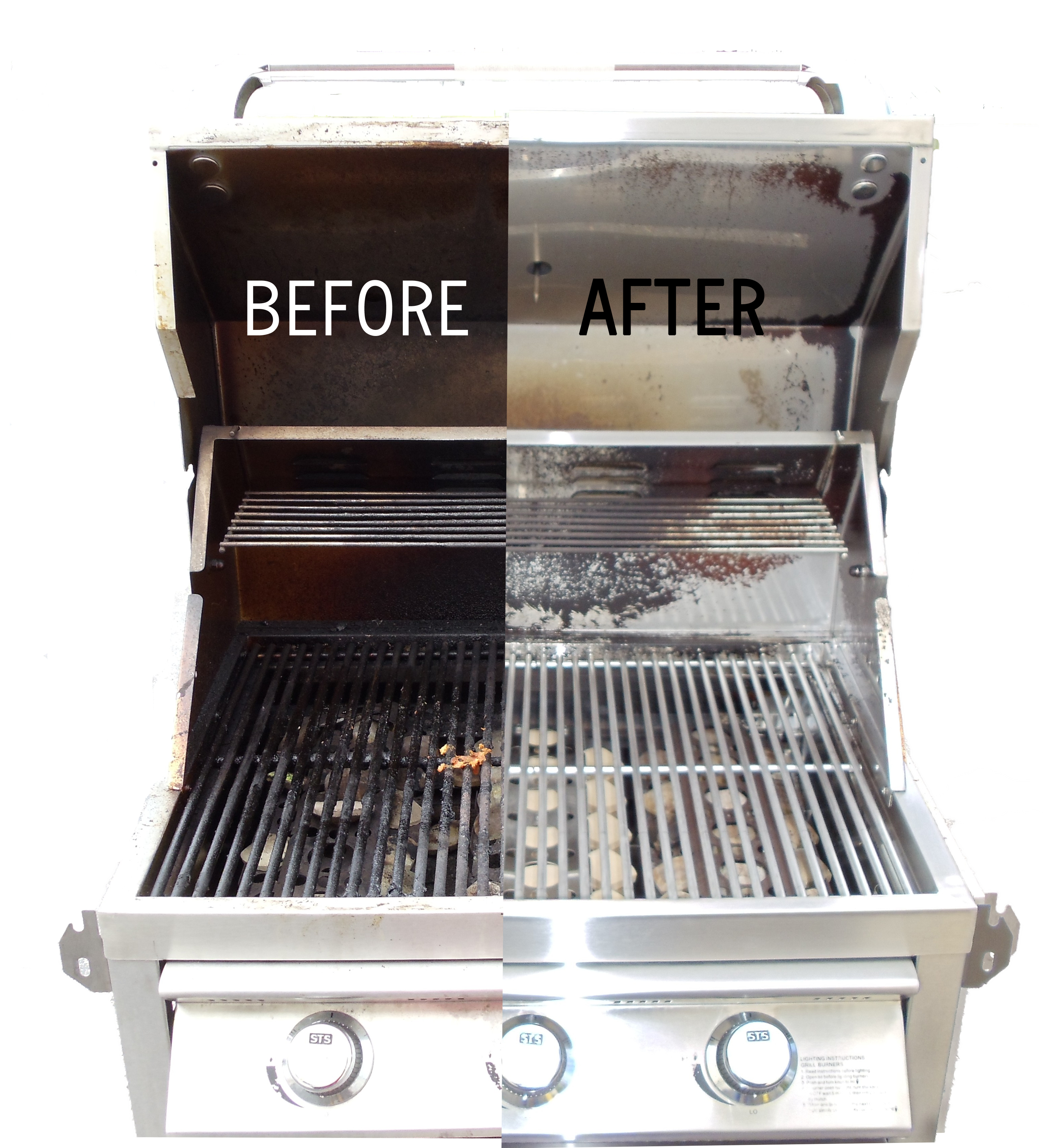
Follow these steps to season grates that release food and resist rust. Read each step before you start.
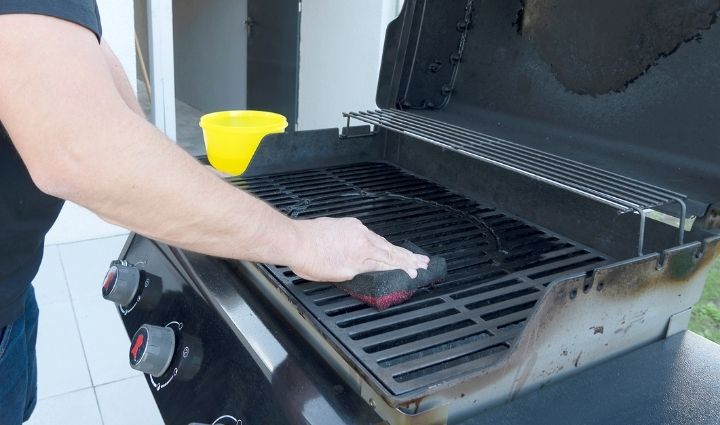
- Clean the grates
- Turn off the grill and let grates cool a bit.
- Remove loose debris with a brush or scraper.
- For heavy buildup, soak grates in warm soapy water and scrub.
- Dry the grates completely
- Wipe with a dry towel.
- Heat the grill on high for 10 minutes to burn off moisture.
- Preheat the grill
- Heat the grill to medium-high, about 400°F to 450°F.
- Leave the lid open if your grill runs hot to avoid flare-ups.
- Apply the oil
- Dip a clean cloth or paper towel in oil.
- Use tongs or a glove to wipe a thin, even coat on each grate bar.
- Do not puddle oil. Thin coats are safer and more even.
- Bake the coating
- Close the lid and heat for 30 minutes at medium-high.
- Let the oil polymerize into a smooth film.
- Repeat if needed
- For new cast iron, repeat oil application and baking 2 to 3 times.
- Each layer deepens the nonstick finish.
These steps show how to season gas grill grates without guesswork. Thin coats and steady heat matter most.
:max_bytes(150000):strip_icc()/__opt__aboutcom__coeus__resources__content_migration__serious_eats__seriouseats.com__2019__06__20190517-grill-grate-vicky-wasik-6-1500x1125-70764edc8f1345acb3a8c5a0c9292b12.jpg)
Personal tips, mistakes to avoid, and troubleshooting
I learned these tips the hard way. I once used too much oil and caused heavy smoke. After that I switched to thin coats and saw better results.
- Common mistakes
- Using too much oil causes sticky build-up and smoke.
- Skipping the cleaning step locks debris into the seasoning.
- Applying oil while grates are cold can pool and drip.
- Quick fixes
- If the finish is sticky, heat the grill and wipe excess oil with a dry cloth.
- If rust appears, scrub gently and re-season immediately.
- Safety tips
- Work in a well-ventilated area.
- Keep a fire extinguisher nearby when working with heat and oil.
These lessons help you avoid setbacks and make how to season gas grill grates easy and safe.
Maintenance schedule and cleaning between seasons
Keep a routine to protect the seasoning and prolong grate life.
- After each cook
- Brush grates while warm to remove food bits.
- Wipe with an oiled cloth if residue builds up.
- Monthly or every few cooks
- Deep clean with warm soapy water if grease builds up.
- Reapply a light oil coat and heat briefly.
- Seasonal care
- Fully strip rust or heavy buildup and repeat the full seasoning cycle.
- Store grates dry in a covered area for winter.
A simple routine makes how to season gas grill grates a one-time learning curve rather than a chore.
Benefits of properly seasoned grates
Seasoning pays off quickly. You will notice these gains.
- Better release
- Food slides off easily without tearing.
- Easier cleaning
- Fewer stuck bits mean less scrubbing.
- Longer grate life
- Oil protects metal from rust and pitting.
- Safer grilling
- Reduced flare-ups and less smoke from stuck grease.
When you master how to season gas grill grates, grilling becomes cleaner and more enjoyable.

Frequently Asked Questions of how to season gas grill grates
How often should I season grill grates?
Season new cast iron grates 2 to 3 times before first use. After that, do a light re-oil every few months or after deep cleaning.
Can I use olive oil to season grates?
Avoid olive oil. It has a low smoke point and can leave sticky residue. Use canola, vegetable, or grapeseed oil instead.
Is seasoning necessary for stainless steel grates?
It is not required but recommended. A light seasoning helps food release and adds a small layer of protection.
How do I remove rust before seasoning?
Scrub rust with a stiff brush or steel wool and mild soap. Rinse, dry fully, then perform the seasoning steps to protect the metal.
Will seasoning prevent all sticking?
No. Seasoning greatly reduces sticking but does not guarantee zero sticking. Preheating and proper oiling of food also help.
Can I use a spray oil for seasoning?
Spray oils can work but may create uneven coating. Use a cloth for a thin, consistent layer when learning how to season gas grill grates.
Conclusion
Seasoning your grates is a simple, high-value habit. Clean well, apply thin coats of high-smoke-point oil, and bake the oil into the metal. Follow a short maintenance routine and re-season when you notice wear or rust. Try the steps on your next grill day and notice less sticking and easier cleanup. If this guide helped, leave a comment, subscribe for more tips, or share your own seasoning story.
