
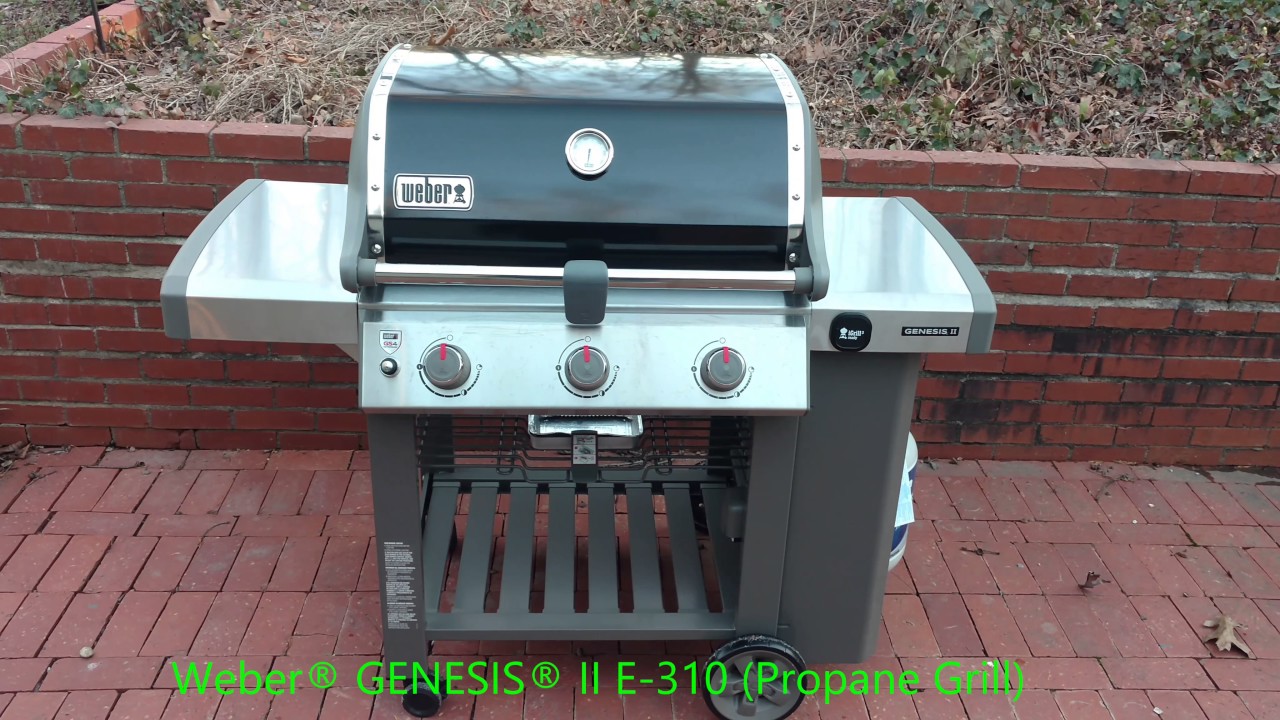
Turn on the propane, open the lid, set a burner to high, press ignite — light it safely and let it preheat.
I have started dozens of Weber grills over the years and I know the small steps that make starting fast, safe, and stress-free. This guide walks you through how to start a Weber gas grill safely, fixes common problems, and shares tips I learned from real cookouts. Read on to get clear, reliable steps and practical advice so every start leads to great food.
Safety first: prep and checks
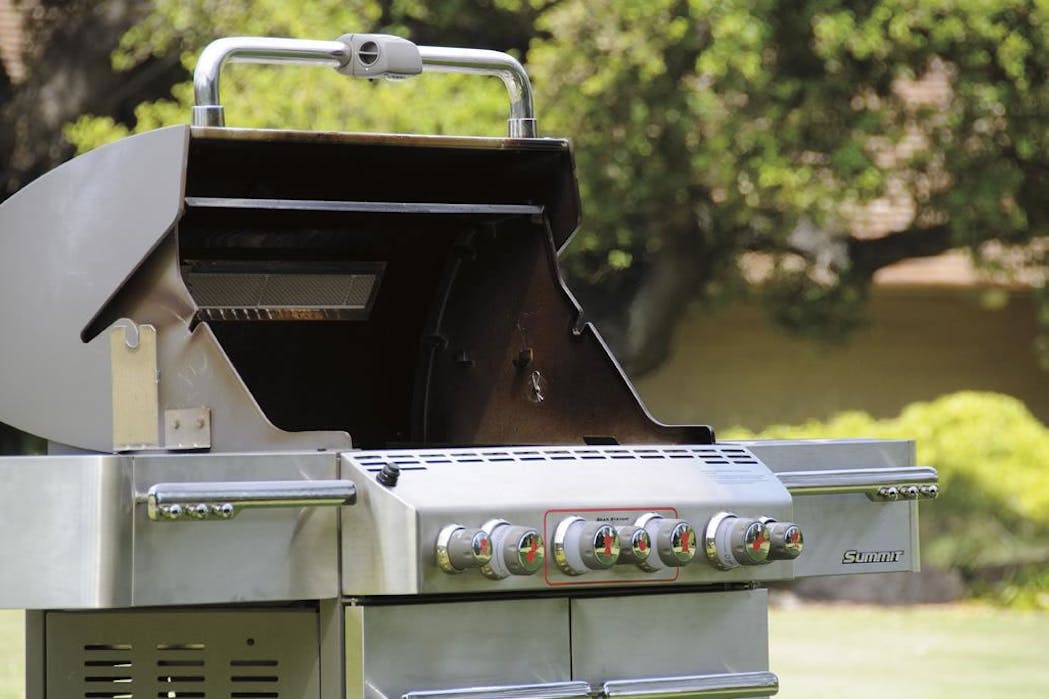
Before you learn how to start a Weber gas grill, make safety your top priority. Start in an open area with at least a few feet of clearance from walls or overhangs. Make sure the grill is on a stable, level surface.
Do these quick safety checks:
- Inspect the propane tank for damage or rust.
- Check the hose and connections for cracks or loose fittings.
- Do a soap-and-water leak test by brushing soapy water on connections and looking for bubbles.
- Keep a fire extinguisher nearby and a phone close for emergencies.
I once ignored a small hiss and had to replace a faulty regulator. That taught me to always do the leak test. These steps may seem basic, but they prevent accidents. After the safety checks, you're ready to learn how to start a Weber gas grill step by step.

Step-by-step: how to start a Weber gas grill
Follow these clear steps to start most Weber gas grills. Adjust minor details for your model, like battery vs. piezo igniters.
-
Prepare the grill
- Ensure the propane tank valve is closed.
- Remove any drips or debris from the grates.
- Open the grill lid; never light a gas grill with the lid closed.
-
Attach and open the tank
- Connect the regulator to the propane tank and hand-tighten.
- Slowly open the tank valve one full turn to pressurize the line.
-
Prime and light
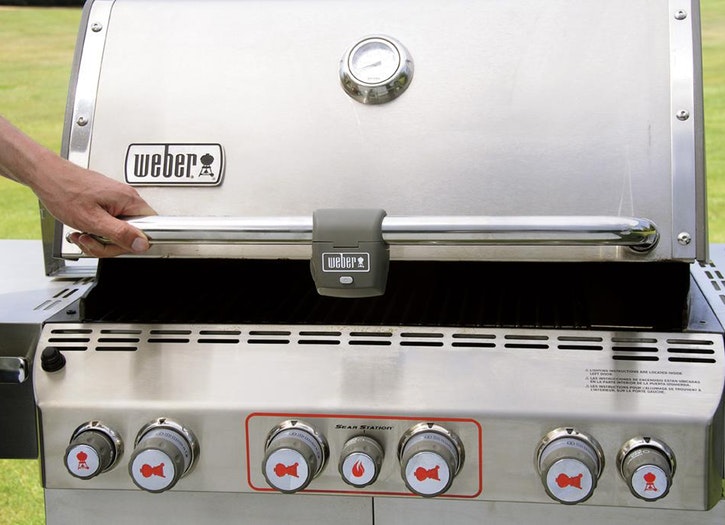
- Turn one main burner knob to the High position.
- Press the ignition button while the burner knob is still turned. If your model has a push-button igniter, press it once or twice until the burner lights.
- If your model requires a match or lighter, hold the flame near the burner while turning the knob to High.
-
Confirm flame and adjust
- Look for a steady blue flame with a hint of yellow. If you see large orange flames or smell raw gas, turn everything off and troubleshoot.
- Once the first burner is lit, turn additional burners on as needed and adjust to the desired heat.
-
Preheat
- Close the lid and preheat for 8–15 minutes depending on target temperature.
- Use the grill thermometer or a handheld probe to confirm heat before adding food.
If a burner does not light, turn everything off and wait 5 minutes for gas to dissipate before trying again. These steps form the core answer to how to start a Weber gas grill safely and reliably.
Troubleshooting common ignition problems
Even with care, issues can happen. Here are quick fixes for common problems when you start a Weber gas grill.
No spark or clicking but no flame
- Check or replace the igniter battery.
- Clean corrosion from the electrode tip and ensure the wire is attached.
- If still no spark, use a long match to light the burner and then replace the igniter.
Smell of gas when starting
- Turn off tank and burners immediately.
- Do a leak test on the regulator, hose, and connections.
- Replace any damaged parts and do not light until leaks are fixed.
Weak or uneven flame
- Clean clogged burner ports with a soft brush and a thin wire if needed.
- Check the tank level; low propane causes weak flame.
- Inspect the venturi tubes for insects or nests and clean them out.
Burner lights then goes out
- The thermocouple or flame sensor may be dirty or misaligned.
- Clean the sensor gently and ensure the flame covers it.
- If problem persists, consider replacing the sensor or calling service.
Regulator lockout after refilling the tank
- Turn tank valve off and open it quickly a couple of times to clear air.
- If the regulator is in lockout, disconnect and reconnect the tank, then open valve slowly.
From my years with a Weber Spirit and a Genesis, I learned that most issues are dust, spider webs, or low propane. Clean parts and fresh gas fix most problems.

Maintenance after starting: care and checks
Proper maintenance keeps future starts smooth. Do these regular tasks after you know how to start a Weber gas grill.
Daily or after each cook
- Scrape grates while still warm with a grill brush.
- Empty drip tray if full.
Monthly or every few months
- Deep clean grates and flavorizer bars or heat shields.
- Check burner alignment and clean burner ports with a soft brush.
- Inspect hose and regulator for cracks or wear.
Seasonal tasks
- Remove and clean control knobs and igniter components.
- Store the grill covered or indoors in harsh weather.
- Replace parts like burners or valves if they show corrosion.
Real tip: I rotate the grate cleaning with a steam clean using a damp cloth after each heavy cook. It keeps porcelain enamel bright and prevents flaking. Regular care reduces ignition problems and improves flavor.

Tips and techniques for best starts and preheating
Small habits make your start predictable and your cook better. Use these tips each time you learn how to start a Weber gas grill.
- Preheat 10–15 minutes for direct searing. Longer for pizza or indirect roasts.
- Create two heat zones by turning one side high and the other low for searing and finishing.
- Use an instant-read thermometer to track grill surface and food temp.
- Keep vents partly open for steady heat; adjust to control temperature.
- Avoid spraying oil directly into flames to prevent flare-ups.
A simple ritual helps: check tank, open lid, light one burner, confirm flame, then add other burners. This routine makes starting consistent and safe. When I follow this ritual, guests notice more consistent sear lines and timing.

Frequently Asked Questions of how to start a weber gas grill
How long should I preheat my Weber gas grill?
Preheat for 8–15 minutes depending on the heat you need. High-heat searing often needs 10–15 minutes; lower temps need less time.
Should I open the lid before lighting the grill?
Yes. Always open the lid before lighting the grill to prevent gas buildup under the lid. This reduces the risk of flare-ups or small explosions.
What do I do if I smell gas after connecting the tank?
Turn off the tank and burners immediately, then perform a soap-and-water leak test on connections. Replace any parts that leak and try again only when it is safe.
Why won’t one of my burners light even after pressing ignite?
Clogged burner ports, a blocked venturi, or a weak igniter are common causes. Clean the ports and check the igniter battery or wiring.
Can I start a Weber gas grill with a match?
Yes, if the igniter fails you can use a long match or lighter. Open the lid, turn one burner to high, and bring the flame close to the burner ports while turning the knob.
How do I know if my propane tank is empty?
A light flame and low heat are common signs. You can also weigh the tank or use a gauge; many tanks have a built-in gauge or you can weigh it on a scale.
Is it safe to start a Weber grill indoors or in a garage?
No. Never operate a gas grill indoors or in a closed area due to carbon monoxide risk and fire hazards. Always use the grill outdoors in open air.
Conclusion
Starting a Weber gas grill is simple when you follow clear safety checks, correct lighting steps, and regular maintenance. Learn how to start a Weber gas grill by opening the lid, checking the tank and connections, lighting one burner, and preheating properly. Use routine cleaning and quick troubleshooting to avoid common issues.
Take action: try the steps today, do the leak test, and create your preheat ritual. If you found this helpful, leave a comment, share your start-up tip, or subscribe for more grilling guides.
