

Keeping your slow cooker parts clean and sterilized is essential for safe food preparation. This guide walks you through proven methods to sterilize your slow cooker’s removable parts effectively. From washing techniques to disinfecting tips, you’ll learn how to maintain your appliance in top condition for healthy cooking.
How to Sterilize Slow Cooker Parts Effectively
Keeping your slow cooker parts clean and sterilized is vital for safe and healthy cooking. Food residue, grease, and bacteria can build up over time, even if your food looks clean. Regular sterilization helps prevent foodborne illnesses and extends the life of your appliance. In this guide, you’ll learn simple, effective methods to sterilize your slow cooker’s removable parts, including the stoneware, lid, and other accessories, using everyday household items and safe practices.
Key Takeaways
- Proper cleaning is the first step: Always wash slow cooker parts thoroughly before sterilizing to remove food residue and grease.
- Use safe disinfectants: Choose food-safe disinfectants or natural options like vinegar and baking soda to sterilize effectively.
- Boiling kills germs: Boiling removable parts in water for a few minutes is a simple and effective sterilization method.
- Dishwasher sterilization: High-temperature dishwasher cycles can sterilize parts, saving time and effort.
- Regular maintenance: Sterilize your slow cooker parts regularly to prevent bacteria buildup and maintain appliance hygiene.
- Safety tips: Always allow parts to cool before handling and ensure they are completely dry before reassembling.
Understanding the Importance of Sterilization
Sterilization goes beyond regular washing. It eliminates bacteria, mold, and germs that can cause food poisoning or spoilage. For slow cookers, which often hold moist, warm environments, proper sterilization is especially important. Regularly sterilizing your parts ensures your meals stay safe and your appliance remains in excellent condition.
Preparation Before Sterilizing
1. Remove All Parts
Start by unplugging the slow cooker. Carefully remove the stoneware, lid, and any other removable accessories. Handle each part with care, especially if they are hot.
2. Wash Off Food Residue
Use warm, soapy water and a non-abrasive sponge or cloth to scrub away any food particles and grease. This step is crucial because sterilization works best on clean surfaces.
- Tip: For stubborn stains, soak the parts in warm soapy water for 10-15 minutes before scrubbing.
Methods to Sterilize Slow Cooker Parts
Method 1: Boiling
Boiling is one of the simplest and most effective ways to sterilize your slow cooker parts. It kills most bacteria, viruses, and fungi quickly.
Steps for Boiling
- Fill a large pot with enough water to fully submerge the parts.
- Place the parts in the water, ensuring they are fully covered.
- Bring the water to a rolling boil over high heat.
- Let the parts boil for 5-10 minutes. For heavily soiled or bacteria-prone parts, extend to 15 minutes.
- Using tongs, carefully remove the parts and place them on a clean towel to air dry.
Tip: Avoid boiling parts with electrical components or non-heat-resistant materials.
Method 2: Dishwasher Cycle
If your dishwasher has a high-temperature sanitizing cycle, it can effectively sterilize your slow cooker parts.
Steps for Dishwasher Sterilization
- Place the cleaned parts on the top rack of the dishwasher.
- Select the hottest, longest cycle with a sanitizing option, if available.
- Run the cycle and allow the parts to air dry completely before handling.
Note: Check your dishwasher’s manual to confirm that your parts are dishwasher safe.
Method 3: Vinegar and Baking Soda Solution
This natural method is safe, eco-friendly, and effective against bacteria and mold.
Steps for Natural Sterilization
- Mix equal parts white vinegar and water in a large basin or sink.
- Add 1-2 tablespoons of baking soda to the solution (it will fizz).
- Submerge the parts completely in the solution.
- Let soak for 15-30 minutes.
- Scrub gently with a soft brush if needed.
- Rinse thoroughly with clean water and dry completely.
Tip: This method is particularly good for sanitizing without harsh chemicals.
Method 4: Using Commercial Disinfectants
For thorough sterilization, especially if you suspect bacterial contamination, commercial disinfectants approved for kitchen use can be effective.
Steps for Using Disinfectants
- Follow the manufacturer’s instructions for dilution and contact time.
- Apply the disinfectant to the parts using a clean cloth or spray bottle.
- Let sit for the recommended time (usually 10 minutes).
- Rinse with clean water to remove any chemical residue.
- Allow to air dry completely.
Safety note: Always ensure the disinfectant is food-safe and rinse thoroughly.
Drying and Reassembling
After sterilization, it’s essential to dry your parts completely to prevent mold or bacterial growth. Use a clean towel or air-dry in a well-ventilated area. Once dry, reassemble your slow cooker carefully, ensuring all parts are correctly fitted.
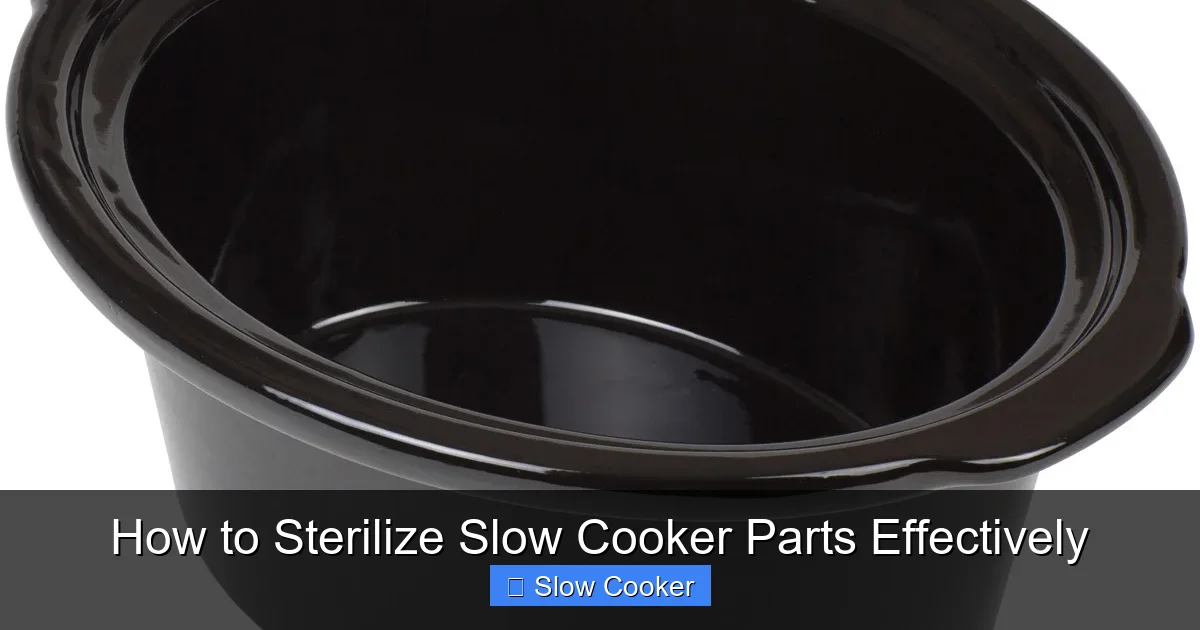
Visual guide about How to Sterilize Slow Cooker Parts Effectively
Image source: breville.co.uk
Regular Maintenance Tips
- Schedule routine sterilization: At least once a month or after preparing particularly messy or raw food.
- Deep clean after each use: Wash and sterilize to keep bacteria at bay.
- Inspect parts regularly: Replace any cracked or damaged components.
Troubleshooting Common Issues
- Residue after sterilization: Ensure thorough washing before sterilizing; consider soaking longer in vinegar solution.
- Parts warping or damage: Avoid boiling or using harsh chemicals on fragile parts. Refer to manufacturer instructions.
- No heat dishwasher cycle: Use natural methods like vinegar and baking soda if your dishwasher lacks high-temperature sanitizing options.
Conclusion
Properly sterilizing your slow cooker parts is simple and essential for safe cooking. Whether you choose boiling, dishwasher cycles, natural solutions, or commercial disinfectants, regular sterilization helps prevent bacteria and keeps your appliance in top shape. Follow these steps consistently to enjoy healthy, delicious meals without worry.
Final Tips
- Always handle hot parts with care, using tongs or gloves.
- Ensure all parts are completely dry before reassembling to avoid mold growth.
- Consult your slow cooker’s user manual for specific cleaning instructions.
