
A food processor is a versatile kitchen appliance that can greatly simplify food preparation tasks. This guide will walk you through everything you need to know, from assembling your food processor and understanding its various blades to mastering essential techniques like chopping, shredding, and pureeing. You’ll learn how to use a food processor safely and efficiently, along with valuable tips for maintenance and troubleshooting common issues, empowering you to create delicious meals with ease.
How to Use a Food Processor
Welcome to the wonderful world of efficient kitchen prep! If you’ve ever stared at a mountain of vegetables needing chopping, or wished you could whip up a batch of hummus in minutes, then your food processor is about to become your new best friend. This incredible appliance is a true game-changer, saving you time and effort on countless cooking tasks.
But maybe you’re new to the food processor, or perhaps you’ve had one for a while and only used it for basic chopping. Whatever your experience level, this comprehensive guide will teach you how to use a food processor step-by-step, covering everything from proper assembly and understanding its various attachments to mastering different techniques for chopping, shredding, slicing, and pureeing. We’ll dive into safety tips, practical examples, and even a bit of troubleshooting to ensure your food processor experience is smooth and successful. Let’s get started and unlock the full potential of this amazing kitchen tool!
Key Takeaways
- Understand the Components: Familiarize yourself with your food processor’s base, bowl, lid, pusher, and various blades (S-blade, shredding, slicing discs) to ensure proper and safe operation.
- Proper Assembly is Crucial: Always assemble the food processor correctly, ensuring the bowl, blade, and lid are securely locked into place before plugging it in to prevent accidents and ensure functionality.
- Choose the Right Blade: Select the appropriate blade or disc for your task – the S-blade for chopping and pureeing, a shredding disc for cheese or vegetables, and a slicing disc for even slices.
- Prepare Ingredients Thoughtfully: Cut ingredients into uniform, manageable pieces to ensure even processing and avoid overfilling the work bowl, which can lead to uneven results or strain the motor.
- Master Pulse vs. Continuous: Use the “pulse” function for controlled chopping and dicing, and “continuous” for smooth purees, nut butters, or mixing dough, paying close attention to texture.
- Prioritize Safety: Always keep fingers away from blades, use the food pusher, and never operate a damaged or improperly assembled food processor. Unplug before cleaning or handling blades.
- Clean and Maintain Regularly: Disassemble and clean your food processor parts immediately after use. Proper cleaning and storage extend the lifespan of your appliance and ensure hygienic operation.
Understanding Your Food Processor
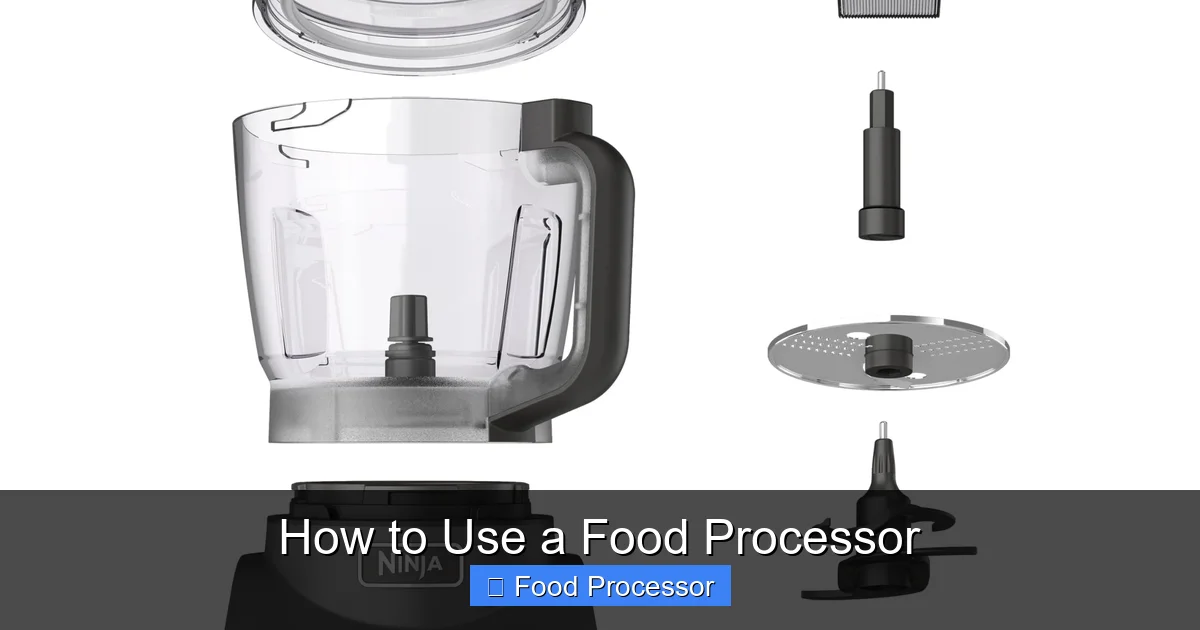
Before we dive into the fun stuff, let’s get acquainted with the different parts of your food processor. Knowing what each component does is key to safe and effective use.
The Power Base
This is the heavy bottom part of your food processor. It houses the motor and the control buttons (usually “On,” “Off,” and “Pulse”). The weight of the base helps keep the food processor stable during operation.
The Work Bowl
This is the transparent bowl that fits onto the power base. It’s where all the magic happens. Work bowls come in various sizes, so it’s a good idea to choose the right size food processor for your typical needs. Most work bowls have a locking mechanism that must be engaged for the appliance to turn on, a crucial safety feature.
The Lid and Feed Tube
The lid covers the work bowl and also has a safety locking mechanism. It usually features a “feed tube” or “chute” where you can add ingredients while the food processor is running, especially when using slicing or shredding discs.
The Food Pusher
This accessory fits into the feed tube. It’s designed to safely push food down towards the spinning blades or discs, keeping your fingers well away from danger. Never use your hand or any other utensil to push food down!
The Blades and Discs
This is where the versatility of the food processor truly shines. Most food processors come with a few standard attachments:
- S-Blade (or Chopping Blade): This is the most commonly used blade. It’s an S-shaped metal blade that sits at the bottom of the work bowl. It’s perfect for chopping, mincing, pureeing, mixing, and even kneading small amounts of dough.
- Shredding Disc (or Grating Disc): This flat disc has raised holes or blades designed to shred ingredients like cheese, carrots, cabbage, or potatoes. It usually has a fine or coarse side.
- Slicing Disc: Another flat disc with a single blade that creates uniform slices of fruits and vegetables, like cucumbers, potatoes, or bell peppers.
- Dough Blade (Plastic S-Blade, optional): Some food processors include a plastic S-blade specifically for mixing and kneading dough, which is gentler on the motor for longer kneading tasks.
Basic Setup and Assembly
Before you can start chopping, you need to assemble your food processor correctly. This is usually straightforward, but proper assembly is vital for safety and functionality. If you’re looking for a visual guide, many resources demonstrate how to assemble a food processor step-by-step.
Step 1: Place the Power Base on a Stable Surface
Ensure your countertop is clean, dry, and flat. The power base is quite heavy, so place it where it won’t be easily knocked over. Make sure the food processor is unplugged at this stage.
Step 2: Attach the Work Bowl
Align the work bowl with the power base. There’s usually a specific way it fits, often requiring a slight twist clockwise until it locks securely into place. You’ll often hear or feel a click. The food processor will not operate if the bowl isn’t locked correctly.
Step 3: Insert the Desired Blade or Disc
For S-Blade:
Carefully place the S-blade onto the spindle in the center of the work bowl. Ensure it sits all the way down. Always handle blades by the plastic hub, not the sharp edges.
For Shredding or Slicing Discs:
First, place the spindle attachment (if your model has a separate one) onto the central shaft of the work bowl. Then, carefully place the chosen disc onto the spindle, ensuring it sits flat and level. The cutting edge should face upwards.
Step 4: Secure the Lid
Place the lid onto the work bowl. Just like the bowl, the lid needs to be aligned and twisted clockwise until it locks into place. Again, you’ll feel or hear a click. The safety mechanism prevents the food processor from running if the lid isn’t properly secured.
Step 5: Insert the Food Pusher
Place the food pusher into the feed tube, but don’t push it down unless you’re actively adding ingredients.
Preparing Your Ingredients for the Food Processor
Proper ingredient preparation is crucial for achieving consistent results and preventing damage to your food processor.
Wash and Dry Thoroughly
Always wash fruits and vegetables before processing. For ingredients that need to be shredded or sliced, it’s often best if they are relatively dry to prevent them from becoming mushy or sticking together.
Cut Ingredients to Manageable Sizes
Think about the size of your feed tube or the work bowl. For chopping, cut larger items (like onions or potatoes) into pieces that are roughly 1-2 inches in size. For slicing or shredding, trim ingredients to fit comfortably into the feed tube. Long, thin items (like carrots or cucumbers) can be inserted whole.
Avoid Overfilling the Work Bowl
Never fill the work bowl above the maximum fill line, if one is indicated, or beyond about two-thirds full, especially for liquid ingredients. Overfilling can lead to uneven processing, leakage, or strain on the motor. If you have a large amount of food, process it in batches.
Operating Your Food Processor Safely
Safety is paramount when using a food processor due to its sharp blades.
Step 1: Plug In the Food Processor
Once fully assembled and with ingredients ready, plug the food processor into a grounded electrical outlet.
Step 2: Add Ingredients to the Work Bowl
For chopping, pureeing, or mixing, add your prepared ingredients directly into the work bowl before securing the lid.
Step 3: Choose Your Processing Method: Pulse vs. Continuous
Your food processor typically has “On” (continuous) and “Pulse” settings.
- Pulse: This is your best friend for most chopping, mincing, and dicing tasks. Press and release the “Pulse” button in short bursts. This gives you more control over the texture and prevents over-processing.
- Continuous (On): Use this setting for longer tasks like pureeing, making nut butters, or kneading dough, where a smooth or thoroughly mixed consistency is desired. Keep an eye on the texture and don’t run the food processor continuously for more than a few minutes without a break, as this can overheat the motor.
Step 4: Use the Food Pusher Safely
When using shredding or slicing discs, or adding ingredients to the work bowl while the food processor is running (via the feed tube), always use the food pusher. Never use your fingers or any other utensil to push food into the feed tube while the food processor is operating.
Step 5: Monitor the Texture
Always keep an eye on your food processor. Processing can happen very quickly! Stop and check the consistency frequently, especially when learning how to use a food processor.
Common Food Processor Tasks (Step-by-Step Examples)
Let’s put your knowledge into practice with some everyday food processor applications.
Chopping Vegetables (Onions, Carrots, Celery)
This is probably the most common use for a food processor. To learn more specifically, check out our guide on how to use a food processor to chop vegetables.
-
Prepare Ingredients:
Cut vegetables like onions, carrots, or celery into 1-2 inch pieces.
-
Assemble:
Place the S-blade in the work bowl and secure the lid.
-
Process:
Add the vegetable pieces to the work bowl. Use the “Pulse” button in short bursts (1-2 seconds each).
-
Check:
Pulse until the desired consistency is reached. For finely chopped, you’ll need more pulses. Be careful not to over-process into a paste!
Mincing Garlic or Herbs
-
Prepare Ingredients:
Peel garlic cloves. Wash and dry fresh herbs.
-
Assemble:
Place the S-blade in the work bowl and secure the lid.
-
Process:
Add garlic or herbs. Use rapid “Pulse” bursts. For very fine mince, you might need to scrape down the sides of the bowl once or twice.
Pureeing Sauces, Soups, or Dips (Hummus, Pesto)
-
Prepare Ingredients:
Ensure ingredients are cooked (for soups) or properly prepped. For smoother results, ingredients like roasted vegetables or chickpeas should be soft.
-
Assemble:
Place the S-blade in the work bowl and secure the lid.
-
Process:
Add ingredients. Use the “On” (continuous) setting. For very smooth purees, run the food processor for a longer duration, scraping down the sides as needed. You can also slowly add liquids (like oil for pesto, or broth for soup) through the feed tube while the food processor is running.
Shredding Cheese or Vegetables (Carrots, Cabbage)
For detailed instructions on shredding, including tips for getting perfect shreds, see our article on the best way to shred cheese in food processor.
-
Prepare Ingredients:
For cheese, ensure it’s firm and cold. Cut blocks of cheese or vegetables (like carrots or cabbage) into pieces that fit easily into the feed tube.
-
Assemble:
Attach the shredding disc to the spindle in the work bowl. Secure the lid.
-
Process:
Turn the food processor to the “On” (continuous) setting. Place the ingredient into the feed tube and use the food pusher to gently guide it down towards the spinning disc.
-
Collect:
The shredded food will collect in the work bowl.
Slicing Fruits or Vegetables (Cucumbers, Potatoes)
-
Prepare Ingredients:
Trim fruits or vegetables to fit the feed tube. Ensure they are firm.
-
Assemble:
Attach the slicing disc to the spindle in the work bowl. Secure the lid.
-
Process:
Turn the food processor to the “On” (continuous) setting. Place the ingredient into the feed tube and use the food pusher to gently guide it down.
-
Collect:
Uniform slices will collect in the work bowl.
Making Dough (Pie Crust, Biscuits)
-
Prepare Ingredients:
Measure out flour, cold butter (cut into cubes), and any other dry ingredients.
-
Assemble:
Use the S-blade (or dough blade if your food processor has one). Secure the lid.
-
Process:
Add dry ingredients, then the cold butter. Pulse until the butter is cut into pea-sized pieces. Then, with the food processor running on “On,” slowly add ice water through the feed tube until the dough just comes together. Be careful not to overmix.
Grinding Nuts or Breadcrumbs
-
Prepare Ingredients:
Use dry, firm nuts. For breadcrumbs, use stale bread cut into chunks.
-
Assemble:
Place the S-blade in the work bowl and secure the lid.
-
Process:
Add nuts or bread chunks. Use the “Pulse” setting in short bursts. Check frequently to avoid turning nuts into butter or bread into a paste.
Tips for Best Results
To truly master how to use a food processor, consider these expert tips:
- Don’t Overprocess: This is the golden rule. A few extra pulses can turn chopped vegetables into mush or finely ground nuts into nut butter. Always err on the side of caution and check frequently.
- Process in Batches: If you have a large quantity, divide it into smaller batches. This ensures even processing and prevents the motor from straining.
- Keep Ingredients Cold (When Applicable): For tasks like making pie crusts or shredding cheese, cold ingredients yield much better results.
- Use the Right Blade: Always select the appropriate blade or disc for the task. Using the S-blade for slicing will give you a chunky mess, not uniform slices.
- Scrape Down the Sides: For some tasks, especially pureeing or making dips, ingredients can stick to the sides of the bowl. Stop the food processor, scrape down the sides with a spatula, and resume processing.
- Clean Immediately: Food residue can dry and become difficult to remove. Clean your food processor right after use.
Cleaning and Maintenance
Proper cleaning extends the life of your food processor and keeps it hygienic.
Step 1: Unplug and Disassemble
Always unplug the food processor from the power outlet before disassembling or cleaning. Carefully remove the lid, then the blade/disc, and finally the work bowl from the base. Be extremely careful when handling blades – they are very sharp!
Step 2: Wash Components
Most food processor parts (work bowl, lid, blades, pusher) are dishwasher-safe, typically on the top rack. However, hand washing with warm, soapy water is often recommended for longevity, especially for blades, and to ensure all nooks and crannies are clean. Use a brush to get into tight spots. Never immerse the power base in water. Wipe it clean with a damp cloth if needed.
Step 3: Dry and Store
Ensure all parts are completely dry before reassembling or storing to prevent mildew and rust. Store blades safely in their designated storage areas or a secure drawer.
Troubleshooting Common Issues
Even with the best intentions, you might run into a snag. Here are a few common food processor problems and solutions:
Food Processor Not Turning On
This is usually a safety lock issue. Double-check that the work bowl and lid are securely locked into place. Most food processors won’t operate unless both are correctly aligned and clicked. Also, ensure the food processor is properly plugged into a working outlet. If the issue persists, you might need to investigate further, and an article like How to Fix a Food Processor That Is Not Turning On could be helpful.
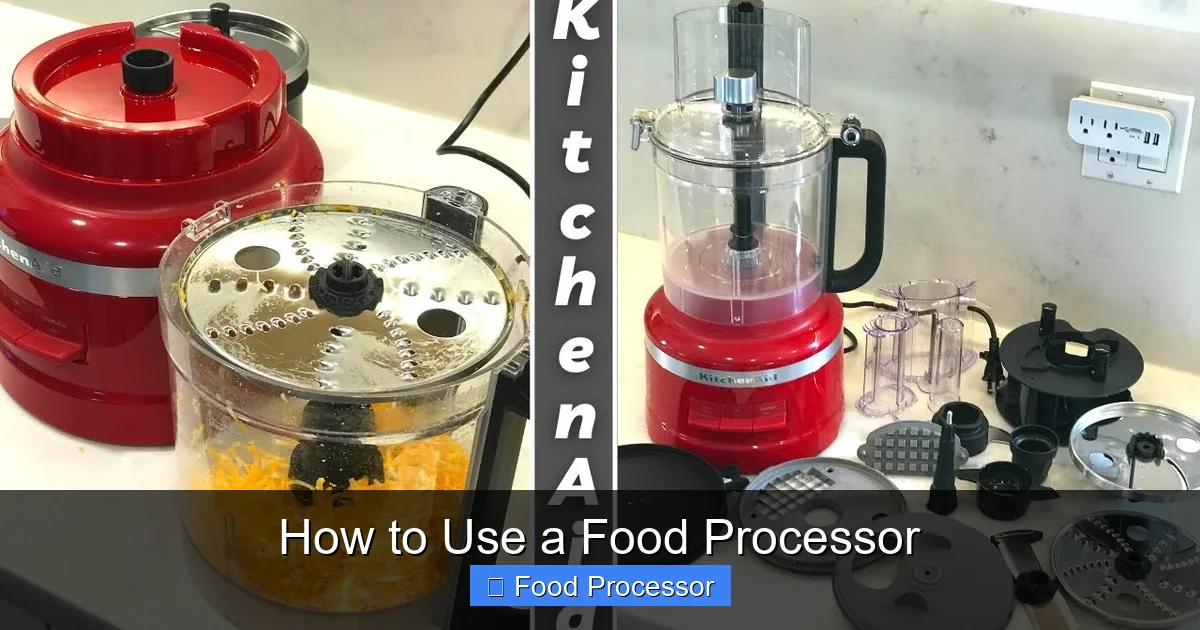
Visual guide about How to Use a Food Processor
Image source: i.ytimg.com
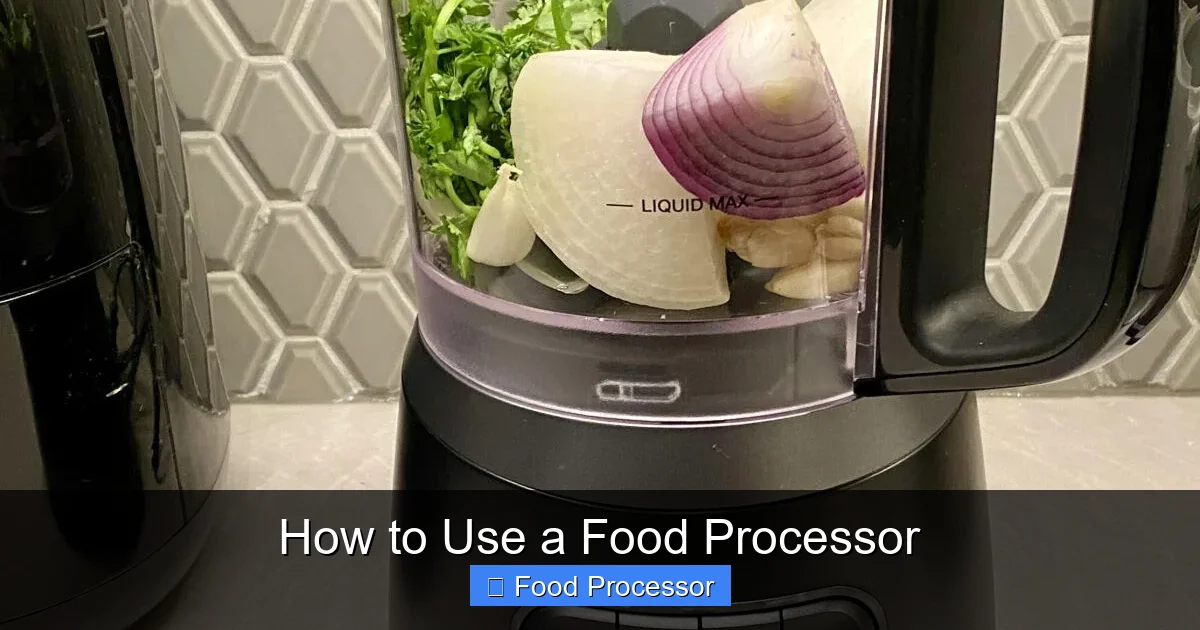
Visual guide about How to Use a Food Processor
Image source: helios-i.mashable.com
Blade Not Spinning
If the motor hums but the blade isn’t turning, the blade might not be properly seated on the spindle, or the work bowl is overloaded. Unplug the unit, check the blade assembly, and remove some ingredients if it’s too full.
Unevenly Processed Food
This often happens because ingredients were not cut to uniform sizes, or the work bowl was overfilled. Cut ingredients into similar-sized pieces and process in smaller batches for better results. Pulsing in shorter bursts also allows for more control.
Food Stuck Under the Blade
Some sticky ingredients, like dates or soft cheese, can get lodged under the S-blade. Stop the food processor, unplug it, carefully remove the blade, and scrape out the stuck food with a spatula.
Conclusion
Congratulations! You’ve just taken a big step towards becoming a food processor pro. By understanding the components, mastering assembly, selecting the right blades, and practicing these techniques, you’re now equipped to tackle a wide array of kitchen tasks with confidence and efficiency.
Remember, the key to becoming comfortable with your food processor is practice. Experiment with different ingredients and recipes. Don’t be afraid to try new things – from quick salsas and pestos to shredded vegetables for salads and delicious doughs, your food processor is a powerful ally. Always prioritize safety, clean your appliance properly, and you’ll enjoy years of effortless food preparation. Happy cooking!
