
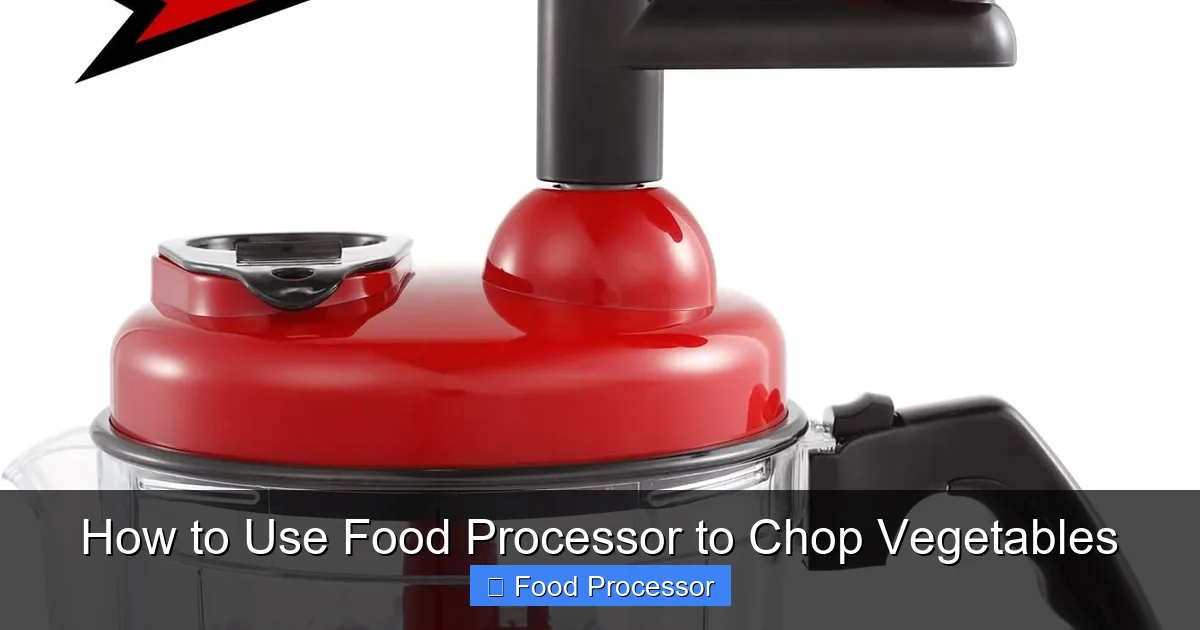
Transform your meal prep with the power of your food processor! This comprehensive guide will walk you through everything you need to know about using your appliance to chop vegetables efficiently and perfectly. You’ll learn essential safety tips, proper assembly, how to prepare various vegetables, and mastering the “pulse” technique to achieve consistent results, saving you valuable time and effort in the kitchen. Get ready to enjoy perfectly chopped ingredients for all your favorite dishes.
How to Use Food Processor to Chop Vegetables
Are you tired of endless chopping and dicing by hand? Do your eyes water every time you tackle an onion? If so, your food processor is about to become your new best friend! This powerful kitchen appliance is a true game-changer, especially when it comes to preparing vegetables. It can take minutes of tedious knife work and condense it into mere seconds, giving you perfectly chopped ingredients for your recipes.
In this comprehensive guide, we’ll walk you through every step of using your food processor to chop vegetables. We’ll cover everything from safe handling and proper assembly to the best techniques for different types of produce. By the end, you’ll feel confident and capable, transforming your meal prep routine from a chore into a breeze. Get ready to save time, reduce effort, and achieve consistently professional results with your handy food processor step-by-step!
Key Takeaways
- Prioritize Safety: Always unplug your food processor before assembly or disassembly, and handle blades with extreme care to prevent injuries.
- Proper Assembly is Key: Ensure all parts, especially the bowl, lid, and blade, are securely locked in place before operating the appliance.
- Prepare Vegetables Correctly: Cut larger vegetables into uniform, manageable pieces (about 1-2 inches) that fit easily into the feed tube or bowl to ensure even chopping.
- Master the “Pulse” Technique: Use short, quick pulses instead of continuous running to gain control over the chop size and prevent over-processing your vegetables into a puree.
- Avoid Overfilling: Process vegetables in small batches to allow the blades to move freely and chop ingredients evenly, preventing uneven results or strain on the motor.
- Scrape Down the Bowl: Periodically stop, unplug, and scrape down the sides of the bowl with a spatula to ensure all pieces are incorporated and chopped uniformly.
- Clean Promptly: Disassemble and wash all removable parts immediately after use to prevent food from drying on, making cleanup much easier.
Understanding Your Food Processor
Before we dive into chopping, let’s quickly review the basic components of a typical food processor. Most models include:
- Motor Base: The heavy bottom part that houses the motor and controls.
- Work Bowl: Sits on the motor base and holds your ingredients.
- Lid: Secures onto the work bowl, often featuring a feed tube.
- Feed Tube and Pusher: Used to add ingredients while the machine is running safely.
- S-Blade (or Chopping Blade): The sharp, S-shaped blade that sits on a spindle inside the work bowl. This is what you’ll primarily use for chopping.
- Other Attachments: Your food processor might come with slicing discs, shredding discs, or dough blades, but for chopping, the S-blade is key.
Familiarizing yourself with these parts is the first step towards confidently using your food processor to chop vegetables.
Step 1: Prioritize Safety First
Safety is paramount when working with any kitchen appliance, especially one with powerful, sharp blades.
Always Unplug Before Handling Blades
This cannot be stressed enough. Before you assemble, disassemble, or clean your food processor, make sure it’s unplugged from the wall socket. Accidental activation can lead to serious injury.
Handle Blades with Extreme Care
The S-blade is incredibly sharp. Always grasp it by the plastic hub in the center, never by the metal blades themselves. Be cautious when inserting, removing, and washing it.
Ensure Proper Assembly
Your food processor has safety mechanisms that prevent it from operating if not correctly assembled. This is a good thing! Always ensure the work bowl, blade, and lid are securely locked into place before plugging it in and turning it on.
Step 2: Assemble Your Food Processor
Proper assembly ensures your appliance works correctly and safely.
Place the Work Bowl on the Motor Base
First, set the work bowl onto the motor base. Twist it gently until it locks into place. You’ll usually hear a click or feel it become secure.
Insert the S-Blade
Carefully place the S-blade onto the spindle inside the work bowl. Make sure it sits firmly at the bottom.
Secure the Lid
Finally, place the lid onto the work bowl and twist it until it locks securely. The feed tube on the lid should be positioned towards the front, ready for use. If you need a visual guide, many manufacturers provide excellent resources, and you can even find how to assemble your food processor step-by-step videos online.
Step 3: Prepare Your Vegetables for Chopping
The way you prep your vegetables before they enter the food processor makes a huge difference in the final result.
Wash and Dry Thoroughly
Always wash your vegetables to remove any dirt or pesticides. Drying them is also important, as excess moisture can lead to a mushy texture, especially with softer vegetables.
Cut into Manageable, Uniform Pieces
This is a critical step for achieving an even chop. Large, irregular pieces will result in some bits being finely minced while others remain chunky.
- Hard Vegetables (Carrots, Potatoes, Celery): Cut these into 1-inch to 2-inch chunks. For carrots, you might even cut them into rounds or sticks first.
- Soft Vegetables (Onions, Bell Peppers, Mushrooms): Cut into quarters or 1-2 inch pieces. For onions, cutting them into eighths often works well.
- Leafy Greens (Spinach, Cabbage): Roughly tear or chop into larger pieces. These often don’t need much pre-chopping.
Remember, the goal is to make sure all pieces are small enough to fit comfortably under the S-blade and can tumble around freely in the work bowl.
Step 4: Load the Work Bowl Correctly
How you load the food processor will impact your chopping results.
Don’t Overfill the Bowl
This is one of the most common mistakes. Overfilling prevents the blades from moving freely and processing ingredients evenly. It can also strain your motor. A good rule of thumb is to fill the bowl no more than two-thirds full, or even half full for very dense or hard vegetables.
Process Similar Textures Together
If you’re chopping a mix of vegetables, try to process similar types together. For example, chop carrots with celery, and onions with bell peppers. Mixing hard and soft vegetables can lead to over-processing the softer ones before the harder ones are adequately chopped.
Use the Feed Tube for Continuous Processing
For certain tasks, like making a large batch of salsa or coleslaw where you want a consistent texture, you can add smaller pieces of vegetables through the feed tube while the machine is running. However, for general chopping, it’s often better to add everything to the bowl and use the pulse function.
Step 5: Master the “Pulse” Technique for Chopping Vegetables
The pulse button is your best friend when using your food processor to chop vegetables. It gives you control, allowing you to achieve precisely the texture you want.
Why Pulse?
Continuous running often leads to over-processing, turning your perfectly good vegetables into a watery puree. Pulsing allows the blades to chop for a very brief moment, then the ingredients settle, giving you a chance to assess the chop size and ensuring even results.
How to Pulse
- Start with Short Bursts: Plug in your food processor. Press and release the “Pulse” button in quick, 1-second bursts.
- Check and Scrape: After 3-5 pulses, stop the machine (unplug if you’re feeling extra cautious, especially when reaching in), remove the lid, and check the consistency. Use a spatula to scrape down any pieces stuck to the sides of the bowl or the lid. This ensures everything gets chopped evenly.
- Repeat Until Desired Consistency: Continue pulsing and checking until your vegetables reach your desired chop size – whether that’s a coarse dice, a fine mince, or somewhere in between.
Remember, it’s always easier to chop more than to un-chop! Err on the side of caution with pulsing.
Step 6: Specific Techniques for Different Vegetables
While the pulse technique is universal, some vegetables benefit from slight adjustments. Knowing the best food processor for soft and hard vegetables can also make a difference.
Chopping Onions
Cut onions into quarters or eighths, depending on their size. Place them in the food processor bowl. Use 5-10 quick pulses, checking after every few, until you reach your desired consistency. For a very fine mince, you might need a few more, but be careful not to create onion juice.
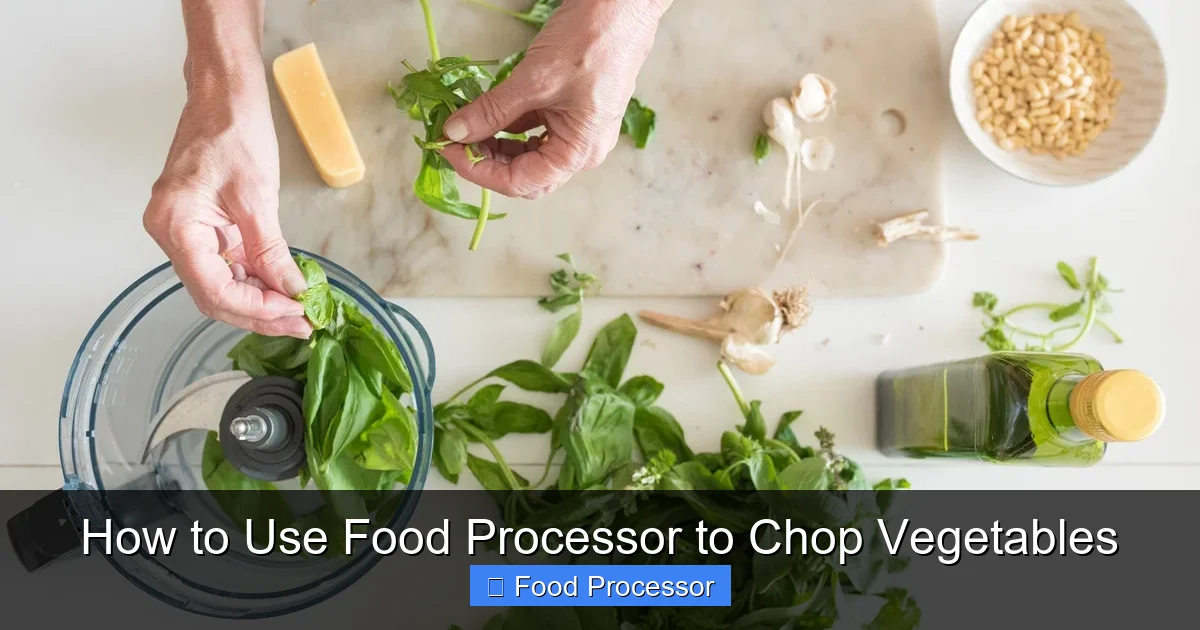
Visual guide about How to Use Food Processor to Chop Vegetables
Image source: recipes.net
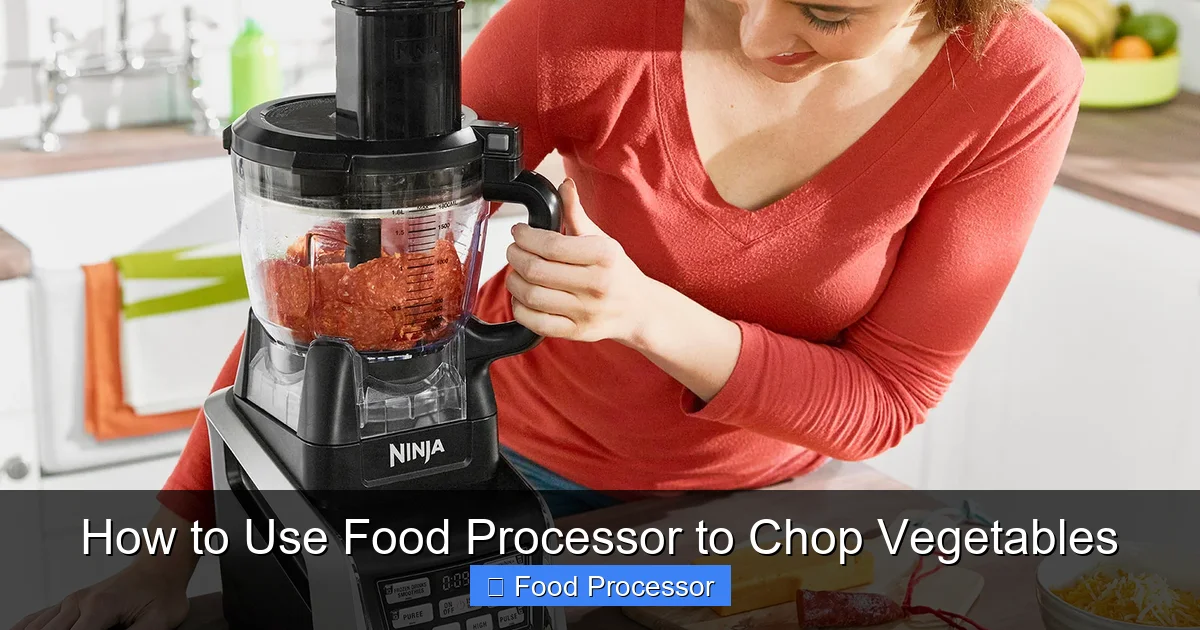
Visual guide about How to Use Food Processor to Chop Vegetables
Image source: storables.com
Visual guide about How to Use Food Processor to Chop Vegetables
Image source: images-na.ssl-images-amazon.com
Chopping Carrots and Celery
These hard vegetables need a bit more power. Cut them into 1-inch pieces. You might use slightly longer pulses (1-2 seconds) or more frequent pulses. Scrape down the bowl often, as these can stick to the sides. Process in smaller batches if you have a lot.
Chopping Bell Peppers
Remove the core and seeds, then cut the pepper into 1-2 inch pieces. Bell peppers are softer than carrots, so they chop quickly. Use short pulses (3-6 pulses usually suffice) to avoid a watery consistency.
Chopping Garlic and Ginger
For a fine mince, often used in pastes or marinades, garlic cloves and peeled ginger chunks work wonderfully. Add a few cloves of garlic or a 1-inch piece of ginger to the bowl. Pulse repeatedly until finely minced. You might need to scrape down the sides once or twice.
Chopping Herbs (Parsley, Cilantro)
For fresh herbs, make sure they are thoroughly washed and dried. Remove thick stems. You can add them whole or roughly chopped. Pulse gently, 3-5 times, until finely chopped. For an extra fine chop, sometimes adding a teaspoon of water can help distribute them more evenly, but be mindful of the added moisture.
Chopping Mushrooms
Quarter or half the mushrooms, depending on their size. Mushrooms contain a lot of water, so use very short, gentle pulses (3-5) to avoid making mushroom mush. You want small pieces, not a paste.
Practical Tips for Best Results
Don’t Run Continuously
As mentioned, continuous running is a recipe for over-processed, mushy vegetables. Use the pulse function exclusively for chopping.
Clean Scrape-Downs Are Crucial
Always use a rubber spatula to scrape down the sides of the bowl between pulses. This ensures that larger pieces stuck to the sides get pushed back into the path of the blade, resulting in a much more even chop.
Process in Batches
If you have a large quantity of vegetables, resist the urge to cram them all in at once. Working in smaller batches (filling the bowl about half to two-thirds) yields much better and more consistent results. It also prevents your motor from overheating.
Chill Soft Vegetables Slightly
For very soft or watery vegetables like tomatoes, chilling them in the refrigerator for 20-30 minutes beforehand can help them maintain their structure better during chopping, leading to less mush.
Use the Right Blade
Always ensure you’re using the S-blade (chopping blade) for this task. Other attachments like slicing or shredding discs are for different purposes.
Consider Your Recipe
Think about what your recipe requires. Do you need a fine mince for a sauce, or a coarse chop for a chunky soup? Adjust your pulsing accordingly. Learning how to get the most out of your food processor truly depends on understanding these nuances.
Troubleshooting Common Issues
Even with the best intentions, you might run into a few snags. Here’s how to troubleshoot them:
Unevenly Chopped Vegetables
Cause: Overfilling the bowl, not scraping down the sides, or inconsistent initial sizing of vegetables.
Solution: Reduce batch size. Always stop and scrape down the sides with a spatula. Ensure vegetables are cut into uniform, smaller pieces before adding to the bowl.
Mushy or Pureed Vegetables
Cause: Over-processing (running continuously or pulsing for too long).
Solution: Rely strictly on the “Pulse” button. Use short, quick bursts and check the consistency frequently. It’s better to under-chop and give a few more pulses than to over-chop.
Food Stuck Under the Blade
Cause: Large or dense pieces getting wedged, or too much food in the bowl.
Solution: Unplug the machine immediately. Carefully remove the blade and dislodge the food. Then, adjust your initial vegetable size or reduce the batch quantity.
Food Processor Not Turning On
Cause: Improper assembly (lid or bowl not locked), not plugged in, or a safety mechanism issue.
Solution: Double-check that all components (bowl, blade, lid) are correctly assembled and locked into place. Ensure it’s plugged into a working outlet. If issues persist, consult your appliance manual.
Step 7: Cleaning Your Food Processor
Proper cleaning ensures longevity and hygiene for your appliance.
Disassemble Promptly
As soon as you’re done, unplug the food processor and disassemble all removable parts: lid, pusher, blade, and work bowl.
Wash Immediately
Wash all removable parts with warm, soapy water. Use a brush for hard-to-reach areas and be extremely careful with the sharp S-blade. Some parts may be dishwasher safe (check your manual), but hand washing is often recommended for longevity, especially for the blade.
Wipe Down the Base
Use a damp cloth to wipe down the motor base. Never submerge the motor base in water.
Dry Thoroughly
Allow all parts to air dry completely or dry them with a towel before reassembling or storing. This prevents water spots and potential mold growth.
Conclusion
Congratulations! You’re now equipped with the knowledge and techniques to confidently use your food processor to chop vegetables like a pro. From perfectly diced onions for your sofrito to finely minced garlic for your marinades, your food processor will save you countless minutes and effort in the kitchen.
Remember the key takeaways: safety first, proper assembly, careful vegetable preparation, and mastering the pulse technique. With a little practice, you’ll be chopping your way to quicker, easier, and more enjoyable meal prep. Happy cooking!
