
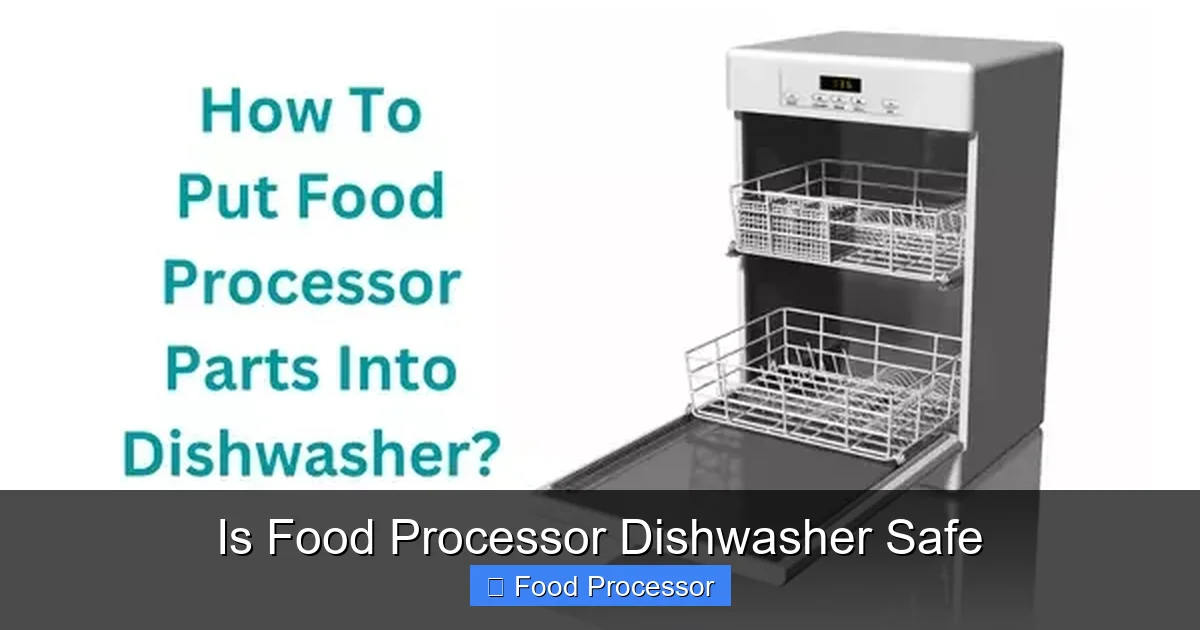
Knowing if your food processor is dishwasher safe is crucial for its longevity and your convenience. While the motor base should never go in the dishwasher, many attachments like bowls, lids, and blades are often safe for the top rack. Always check your user manual for specific care instructions and look for “dishwasher safe” symbols to ensure you’re cleaning your appliance correctly and safely.
Is Food Processor Dishwasher Safe?
Ah, the food processor! It’s a culinary hero, making quick work of chopping, slicing, dicing, and puréeing. But once the culinary magic is done, the less glamorous task of cleaning begins. And for many of us, the question immediately pops into mind: “Is my food processor dishwasher safe?” It’s a common question, and getting the answer right is key to keeping your kitchen companion humming along for years to come.
In this comprehensive guide, we’ll dive deep into the world of food processor cleaning, specifically focusing on what you can and cannot put in your dishwasher. We’ll help you decipher those confusing symbols, understand the risks, and provide step-by-step instructions to ensure your food processor is not just clean, but safely clean. By the end, you’ll be a pro at knowing exactly how to care for your appliance, balancing convenience with careful maintenance.
Key Takeaways
- Always Check the Manual: The absolute first step is to consult your food processor’s user manual. It contains specific care instructions and clearly identifies which parts are dishwasher safe.
- Motor Base is Never Dishwasher Safe: The electrical motor base should never be submerged in water or placed in a dishwasher. Clean it with a damp cloth only.
- Top Rack is Best: For most dishwasher-safe food processor parts (bowls, lids, pushers), the top rack of your dishwasher is the safest place to avoid high heat and potential warping.
- Handle Blades with Care: While many blades and discs are dishwasher safe, they can dull over time. Always place them securely to prevent damage and never touch sharp edges directly.
- Avoid Heated Dry Cycles: High heat from dishwasher drying cycles can warp or crack plastic parts. Opt for air drying or a low-heat setting if available.
- Pre-Rinse to Prevent Stains: Scrape off large food debris and give parts a quick rinse before loading them into the dishwasher to prevent stubborn stains and residue.
- Consider Hand Washing for Longevity: Even if parts are labeled “dishwasher safe,” hand washing can often be gentler, helping to preserve their appearance and functionality over a longer period.
Understanding Dishwasher Safety Symbols
Before you toss anything into the dishwasher, it’s essential to understand what those little symbols on your kitchenware mean. Manufacturers use specific icons to indicate whether a product can withstand the rigors of a dishwasher cycle.
What to Look For
Most commonly, you’ll see a symbol that looks like a dishwasher with dishes or glasses inside, often with water droplets or steam. Sometimes, it might include a temperature indicator.
- “Dishwasher Safe” (General): This typically means the item can withstand normal dishwasher cycles.
- “Top-Rack Dishwasher Safe”: This is a crucial distinction, especially for plastics. It means the item is safe only on the top rack, where the water jets are less intense and the heat is generally lower than on the bottom rack. High heat can warp or melt plastic, making the top rack a safer bet for many food processor parts.
- “Hand Wash Only”: If you see a symbol showing a hand washing an item, or simply no dishwasher symbol at all, assume it needs to be hand washed.
Always prioritize your user manual. While symbols are helpful, the manufacturer’s specific instructions in your food processor manual are the ultimate authority. If in doubt, hand wash.
Which Food Processor Parts ARE Dishwasher Safe?
Good news! Most modern food processors are designed with at least some dishwasher-safe parts to make cleanup easier. However, “dishwasher safe” doesn’t always mean “indestructible.” Let’s break down the common components.

Visual guide about Is Food Processor Dishwasher Safe
Image source: beautifulkitchenguide.com
The Work Bowl (Processing Bowl)
This is the main container where all the magic happens. Most food processor work bowls, typically made from durable BPA-free plastic or sometimes glass, are designed to be dishwasher safe, usually on the top rack. They are built to withstand the heat and detergents, but prolonged exposure to very high temperatures can still cause clouding or minor warping over time. Always place them securely to prevent them from flipping over and filling with water.
The Lid
Similar to the work bowl, the lid and its associated parts (like the feed chute) are generally dishwasher safe. Again, the top rack is the preferred location. Be mindful of any small rubber gaskets or seals on the lid; while often dishwasher safe, hand washing them separately can help maintain their integrity longer.
Blades and Discs
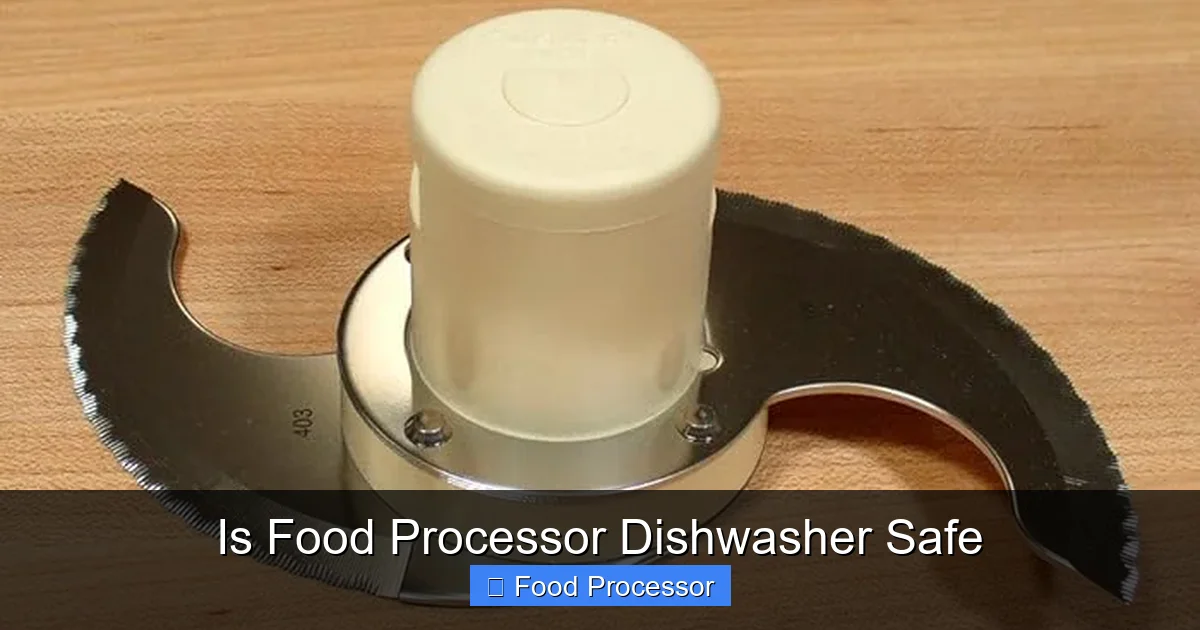
Ah, the sharp stuff! The processing blade (S-blade), slicing discs, shredding discs, and other attachments are often made of stainless steel. Most stainless steel components are dishwasher safe. However, there are a few important considerations:
- Sharpness: Dishwashers can be harsh. The abrasive action of detergents and the high-pressure water can, over time, dull even stainless steel blades. If you want to maintain razor-sharp blades for as long as possible, hand washing is often recommended.
- Placement: Always place blades and discs securely in the top rack, away from other items they might nick or scratch. Ensure they are positioned so water can reach all surfaces for proper cleaning. Be extremely careful when handling them to avoid cuts.
Food Pushers and Small Attachments
The plastic food pusher and any other small, non-electrical attachments like spatula tools or cleaning brushes that come with your food processor are almost always top-rack dishwasher safe. Just make sure they are placed in a way that prevents them from falling through the rack and melting on the heating element.
Which Food Processor Parts ARE NOT Dishwasher Safe?
This section is perhaps even more critical than the last. Putting the wrong part in the dishwasher can lead to damage, malfunction, or even a safety hazard.
Visual guide about Is Food Processor Dishwasher Safe
Image source: images-na.ssl-images-amazon.com
The Motor Base
This is the golden rule of food processor cleaning: The motor base is NEVER dishwasher safe. It contains the electrical motor, wiring, and controls. Submerging it in water or exposing it to high-pressure water jets will cause irreparable electrical damage, create a serious shock hazard, and void your warranty. To clean the motor base, simply wipe it down with a damp cloth, then dry it immediately. If you notice your food processor isn’t working after cleaning, and you suspect water damage, you might need to troubleshoot why your food processor isn’t turning on or spinning its blade.
Parts with Electronic Components
Some advanced food processors might have parts with integrated electronic sensors or digital displays. These are almost always hand wash only. Water can seep into the electronics and cause permanent damage.
Delicate or Decorative Parts
While less common with standard food processors, if any part has delicate plating, painted finishes, or rubber components that aren’t specifically labeled dishwasher safe, it’s best to hand wash them. High heat and harsh detergents can strip finishes, fade colors, or degrade rubber seals.
Parts Not Mentioned in the Manual
If your manual doesn’t explicitly state that a part is dishwasher safe, err on the side of caution and hand wash it. It’s better to spend a few extra minutes cleaning than to risk damaging an expensive appliance.
How to Safely Wash Your Food Processor Parts in the Dishwasher (Step-by-Step)
Once you’ve identified which parts are safe for the dishwasher, following these steps will help ensure a thorough and safe clean.
Step 1: Disassemble Your Food Processor Completely
Before any cleaning can begin, take your food processor apart. Remove the lid, work bowl, S-blade, and any discs or other attachments. The goal is to separate all removable parts from the motor base.
Step 2: Scrape Off Large Food Debris
Don’t just throw parts caked with food into the dishwasher. Large pieces of food can clog your dishwasher’s filter, redeposit on other dishes, and lead to an ineffective clean. Use a spatula or scraper to remove as much leftover food as possible. A quick rinse under the faucet also helps.
Step 3: Load Parts Properly
Top Rack for Most Parts
As we’ve emphasized, the top rack is the safest place for most plastic food processor parts like the work bowl, lid, and pusher. The lower rack’s heating element and more intense water jets can cause plastic to warp or crack. Ensure parts are placed facing downwards or angled to allow water to drain effectively.
Securing Blades and Discs
This is crucial for safety and effective cleaning. Place blades and discs securely in the top rack, often in designated slots if your dishwasher has them, or wedged between tines. Make sure they cannot shift during the wash cycle, which could lead to damage to the dishwasher or the blade itself. Handle them by the non-sharp center or plastic hub.
Avoiding Overcrowding
Give your food processor parts, and all other dishes, enough space. Overcrowding can prevent water and detergent from reaching all surfaces, leading to a less effective clean and potentially leaving food residue behind.
Step 4: Choose the Right Cycle and Detergent
Gentle Cycle (Lower Heat)
If your dishwasher has a “gentle,” “light,” or “eco” cycle, this is often the best choice for food processor plastics. These cycles typically use lower water temperatures and less aggressive spray, reducing the risk of warping or other heat-related damage. Avoid “sanitize” or “heavy-duty” cycles with very high heat for plastic components.
Mild Detergent
Use a standard, high-quality dishwasher detergent. Avoid harsh, abrasive detergents that could scratch or dull plastic surfaces over time.
Step 5: Air Dry or Hand Dry (Avoid Heated Dry)
This is a big one for plastics. The heated dry cycle in many dishwashers can reach very high temperatures, which is the primary culprit for warped plastic parts. Whenever possible, choose the “air dry” setting, open the dishwasher door after the wash cycle to allow natural air drying, or simply remove the parts and hand dry them with a clean towel. This extra step significantly extends the life and appearance of your plastic food processor components. Similarly, it’s generally advised to avoid putting hot food directly into the food processor to prevent thermal shock or warping of the bowl.
Why Some Food Processor Parts Suffer in the Dishwasher
Even when parts are labeled “dishwasher safe,” they can still show signs of wear and tear faster than hand-washed items. Understanding why helps you make informed choices about your cleaning routine.
High Heat Damage (Warping, Cracking)
This is the most common issue. While plastics are designed to be somewhat heat-resistant, prolonged exposure to the intense heat of a dishwasher’s wash and especially dry cycle can cause them to soften, warp, or become brittle over time. A warped work bowl or lid can prevent proper assembly and function, or even create safety gaps.
Harsh Detergents (Discoloration, Dullness)
Dishwasher detergents are formulated to be strong, tackling tough grease and baked-on food. However, these powerful chemicals can be abrasive to plastic surfaces, leading to cloudiness, discoloration, or a dull finish over time. They can also affect the clarity of plastic bowls.
Water Spots and Residue
Hard water can leave mineral deposits on your food processor parts, resulting in unsightly water spots. If detergent isn’t fully rinsed, it can leave a residue, making parts feel gritty or looking cloudy.
Blade Dullness (Abrasion, Corrosion)
As mentioned, the constant friction, high-pressure water, and chemical exposure in a dishwasher can contribute to the dulling of stainless steel blades and discs. While not immediate, this accelerated dulling can shorten the lifespan of your blades’ sharpness, meaning your food processor might not perform as efficiently for tasks like shredding cabbage or slicing vegetables.
Best Practices for Hand Washing (When Dishwasher Isn’t an Option or Preferred)
Sometimes, hand washing is simply the better option for maintaining the longevity and pristine condition of your food processor. This is especially true for delicate parts, blades, or if you notice your dishwasher isn’t doing a thorough job.
Quick Rinse Immediately
The sooner you clean, the easier it is. Immediately after use, rinse all parts under warm running water to remove fresh food residue before it dries and hardens.
Soak Stubborn Residue
For sticky or dried-on food, fill the work bowl with warm, soapy water and let the parts soak for 10-15 minutes. This softens the residue, making it much easier to wipe away.
Use Warm, Soapy Water and a Brush
Using a mild dish soap and warm water, wash all removable parts. A long-handled brush or a small scrubbing brush is invaluable for reaching crevices, especially around the blade assembly and inside the lid. For blades, use the brush to clean carefully around the cutting edges, always brushing away from yourself and keeping your fingers safe.
Thorough Rinsing and Drying
Rinse all parts completely under clean running water to remove all soap residue. Then, dry them thoroughly with a clean towel or let them air dry on a rack. Ensuring parts are completely dry before reassembly or storage prevents water spots and inhibits bacterial growth. Never store a damp food processor.
Troubleshooting Common Dishwasher-Related Issues
Even with the best intentions, you might run into some common problems if you regularly use your dishwasher for food processor parts. Here’s how to address them.
Warped Plastic Parts
Problem: Your work bowl or lid no longer fits snugly, or looks slightly distorted.
Solution: This is almost always due to excessive heat. If the warping is severe, the part may need to be replaced. To prevent this in the future, always use the top rack, opt for a gentler cycle, and avoid the heated dry setting. Sometimes, a slightly warped part might regain some of its original shape if allowed to cool completely at room temperature, but often the damage is permanent.
Dull Blades
Problem: Your food processor blades aren’t as sharp as they used to be, struggling with tasks they once handled easily.
Solution: Dishwashing can contribute to blade dullness. If you notice a significant decrease in performance, consider hand washing blades in the future. For very dull blades, professional sharpening might be an option, but for most home food processor blades, replacement is often more practical. To help prevent this, learn how to fix a food processor blade that isn’t spinning if you suspect residue build-up or damage from improper washing.
Cloudy or Stained Bowls
Problem: Your clear plastic work bowl has developed a cloudy film or stubborn stains, especially from tomato-based sauces or carrots.
Solution: This can be due to hard water, harsh detergents, or baked-on food residue.
- For cloudiness: Try soaking the bowl in a solution of equal parts white vinegar and water for a few hours, then scrub with a non-abrasive sponge.
- For stains: Create a paste of baking soda and a little water, apply it to the stain, let it sit for a while, then scrub gently. Sunlight can also help bleach out some food stains from plastic.
Prevent future stains by rinsing immediately after use and using the top rack with a gentle cycle.
Food Residue After Washing
Problem: Parts come out of the dishwasher with small bits of food still stuck to them.
Solution: This usually indicates improper loading or insufficient pre-rinsing.
- Ensure you’ve scraped off all large debris.
- Don’t overcrowd the dishwasher.
- Make sure parts are positioned so water jets can reach all surfaces (e.g., bowls face down or angled).
- Check your dishwasher’s spray arms for clogs and clean its filter regularly.
Extending the Lifespan of Your Food Processor
Beyond cleaning, a few simple habits can significantly prolong the life and efficiency of your food processor.
- Regular Cleaning: Don’t let food dry and harden on parts. Clean your food processor immediately after each use, whether by hand or dishwasher, to prevent stubborn residue and maintain hygiene.
- Proper Storage: Store your food processor parts in a way that prevents them from getting scratched or damaged. Many food processors come with storage solutions for blades and discs. Ensure the motor base is stored in a dry, safe place away from moisture.
- Gentle Handling: Avoid dropping parts or forcing them together. Over time, rough handling can lead to cracks, chips, or misaligned components.
- Following Manufacturer Instructions: Always adhere to your specific model’s guidelines for use and care. This includes knowing the maximum capacity, avoiding processing overly hard items, and understanding any special assembly requirements.
Conclusion
The question “Is food processor dishwasher safe?” isn’t a simple yes or no. It’s a nuanced answer that depends on the specific part, your food processor’s model, and your chosen cleaning method. By understanding which components are dishwasher friendly (usually the work bowl, lid, and some attachments on the top rack) and which are strictly hand wash only (the critical motor base!), you can enjoy the convenience of your dishwasher without risking damage to your appliance.
Always consult your user manual, pay attention to dishwasher safe symbols, and when in doubt, choose the gentler path of hand washing. A little care goes a long way in ensuring your food processor remains a reliable and efficient helper in your kitchen for many years to come.
