
Yes, but only with care — many food processors are not built for very hot food.
I have worked with kitchen tools and tested appliances for years. I know when a gadget can handle heat and when it becomes a hazard. This article explains is it safe to put hot food in food processor in clear, practical steps. Read on to learn risks, safe methods, real tests, and tips you can use right away.
Why this question matters
People often ask is it safe to put hot food in food processor because hot liquids and steam can cause burns and damage.
Knowing the limits of your machine keeps you and your kitchen safe.
This section lays out the main reasons to think twice before you place hot food into a processor.

Key risks when you ask "is it safe to put hot food in food processor"
When you wonder is it safe to put hot food in food processor, these risks matter most.
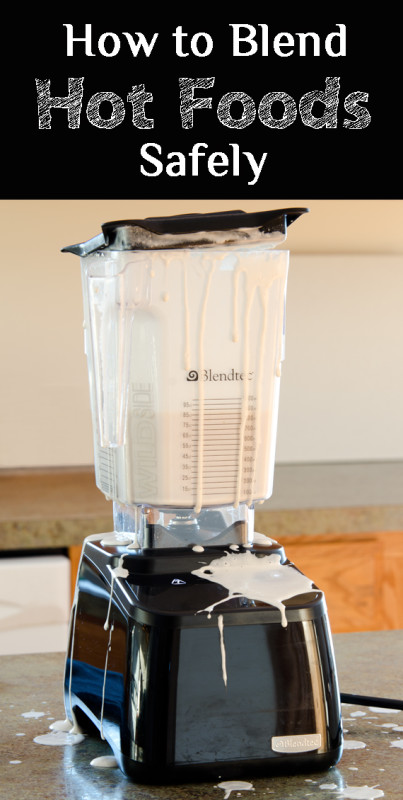
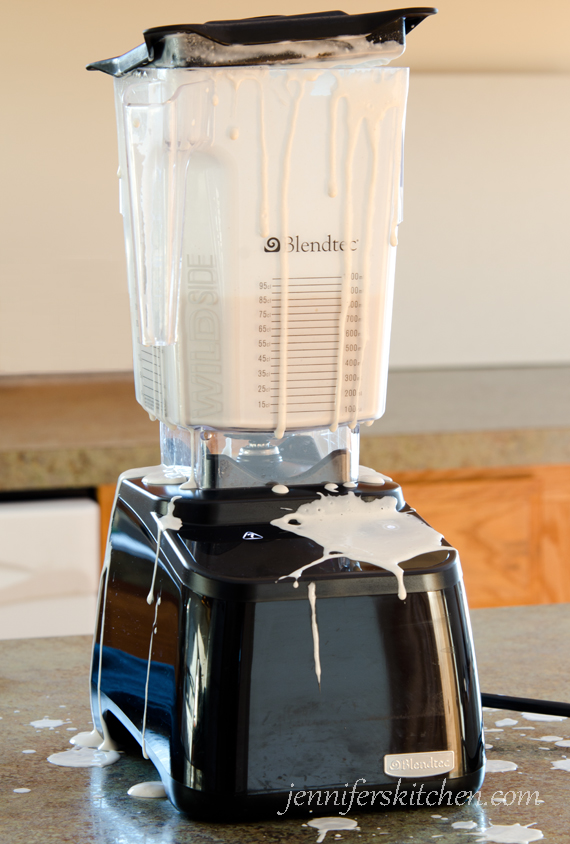
- Lid pop-off and splatter. Steam builds pressure. A sealed lid can lift or burst and send hot food flying.
- Warped or cracked parts. Hot food can deform plastic bowls or lids over time.
- Steam burns. Opening the lid too soon can release a hot steam cloud onto hands and face.
- Suction and vacuum. Hot air contracts as it cools, creating a suction that can pull the lid and cause spillage.
- Blade heat stress. Rapid temperature change can stress metal and plastic where they join.
 processor”
style=”max-width: 100%; height: auto; border: 2px solid black; border-radius: 10px; display: block; margin: 0 auto;”
loading=”lazy”
/>
What actually happens if you put hot food in a food processor
When you put very hot soups or sauces in a processor, steam rises fast. That steam can push against the lid. Pressure builds even if you can’t see it. If the lid is not vented, the pressure finds a release. That release can be sudden. I once watched a lid pop and soup splash onto the counter. No one was hurt, but it was a clear lesson.
Some high-end units and blenders are made for hot liquids. Many food processors are not. Always check the manual. If you ignore precautions, you risk burns and damage.

Safe techniques to use when the question "is it safe to put hot food in food processor" comes up
You can process hot food safely if you follow steps.
- Cool first. Let food drop below steaming temperature before processing whenever possible. Aim for warm, not boiling.
- Work in small batches. Smaller amounts release less steam and are easier to control.
- Vent the lid. If your lid has a vent, open it slowly and step back to avoid steam.
- Pulse, don’t run. Use short pulses to reduce splatter and let steam escape between pulses.
- Use a towel. Place a kitchen towel over the lid while pulsing to catch any splashes.
- Consider an immersion blender. For purees and soups, an immersion blender is often safer and faster.

Cooling tips and timing to decide if "is it safe to put hot food in food processor"
Cooling fast and safe helps answer is it safe to put hot food in food processor.
- Natural cool. Leave food at room temp for 15–30 minutes until steam stops rising.
- Ice bath. Place the pot in a cold water bath and stir to speed cooling.
- Shallow spread. Move hot food into a shallow pan to cool faster and more evenly.
- Stir and test. Stir and touch the surface with a clean spoon. If it’s warm but not steaming, it’s safer to process.
These simple steps reduce steam and pressure. They lower the chance of spills and burns.
:max_bytes(150000):strip_icc()/faw-mini-food-processors-primary-rkilgore-0828-1-ef83ffc1910f4bc29b822ca52c5ee722.jpeg)
Choosing a food processor when you need to know "is it safe to put hot food in food processor"
Not all processors are equal on heat handling. To make a smart choice, check these points.
- Manufacturer recommendations. Always read the manual for hot food guidance.
- Material. Metal and heat-resistant glass bowls handle heat better than thin plastic.
- Lid design. Lids with vents or pour spouts help release steam safely.
- Seals and gaskets. Look for durable seals that resist warping.
- Warranty and specs. Some brands clearly state temperature limits. Pick one with clear ratings.
If your use case often involves hot food, consider a unit designed for hot liquids or use a blender that supports hot blending.
:max_bytes(150000):strip_icc()/Web_1500-SES-GroupShot-RussellKilgore-206-b493c5bdf09c4d03aaf0ebb35400b434.jpg)
Personal tips and real-life experience about "is it safe to put hot food in food processor"
From personal tests and kitchen hours, here is what worked for me.
- I once tried to blitz boiling tomato soup in a mid-range processor. The lid popped and made a big mess. After that I always cool slightly first.
- I now reserve food processors for cool or warm work. For hot soups I use an immersion blender or a high-heat blender with a vented lid.
- When I must use a processor, I process small batches and keep a towel handy. I also pulse slowly and open the lid away from my face.
These small habits cut risk and keep cooking smooth.

Alternatives and when to avoid a food processor for hot food
If you still ask is it safe to put hot food in food processor, consider these alternatives.
- Immersion blender. Safer for hot soups and reduces transfer risk.
- High-heat blender. Some blenders handle hot liquids with vented lids and tamper tools.
- Manual mashing or sieving. For chunky textures, a masher or sieve works without heat risk.
Avoid using a food processor for boiling liquids unless the manual says it is safe.
Frequently Asked Questions of is it safe to put hot food in food processor
Is it okay to put warm food in a food processor?
Yes, warm food is usually fine. Make sure it is not steaming and follow small batches and pulse mode.
Can hot steam break the lid of a food processor?
Steam can force a lid to lift or pop if the lid is not vented or if pressure builds. Open lids slowly and vent carefully.
Will hot food damage the blades or bowl?
Very high heat can warp plastic bowls and weaken seals over time. Metal blades are usually fine, but sudden temperature change may stress parts.
What is safer: food processor or immersion blender for hot soup?
An immersion blender is safer for hot soup because it keeps hot liquid in the pot and reduces transfer and splatter risk.
How long should I cool hot food before processing?
Cool until steam stops rising and the food is warm rather than hot. This often takes 15–30 minutes depending on volume and vessel.
Can I process recently cooked potatoes while they are still hot?
It’s better to let them cool slightly. Hot potatoes can produce steam and sticky dough that clogs the processor.
Conclusion
Handling hot food in a food processor needs care. Many processors are not meant for boiling liquids. Cool food when you can. Use small batches, vent lids, and pulse. If you often work with hot soups, choose a tool made for heat or use an immersion blender. Try the tips here to avoid spills, burns, and damage.
Take action today: check your appliance manual, try a cool-down method next time, and share any hot-processing stories in the comments or subscribe for more kitchen safety tips.
