
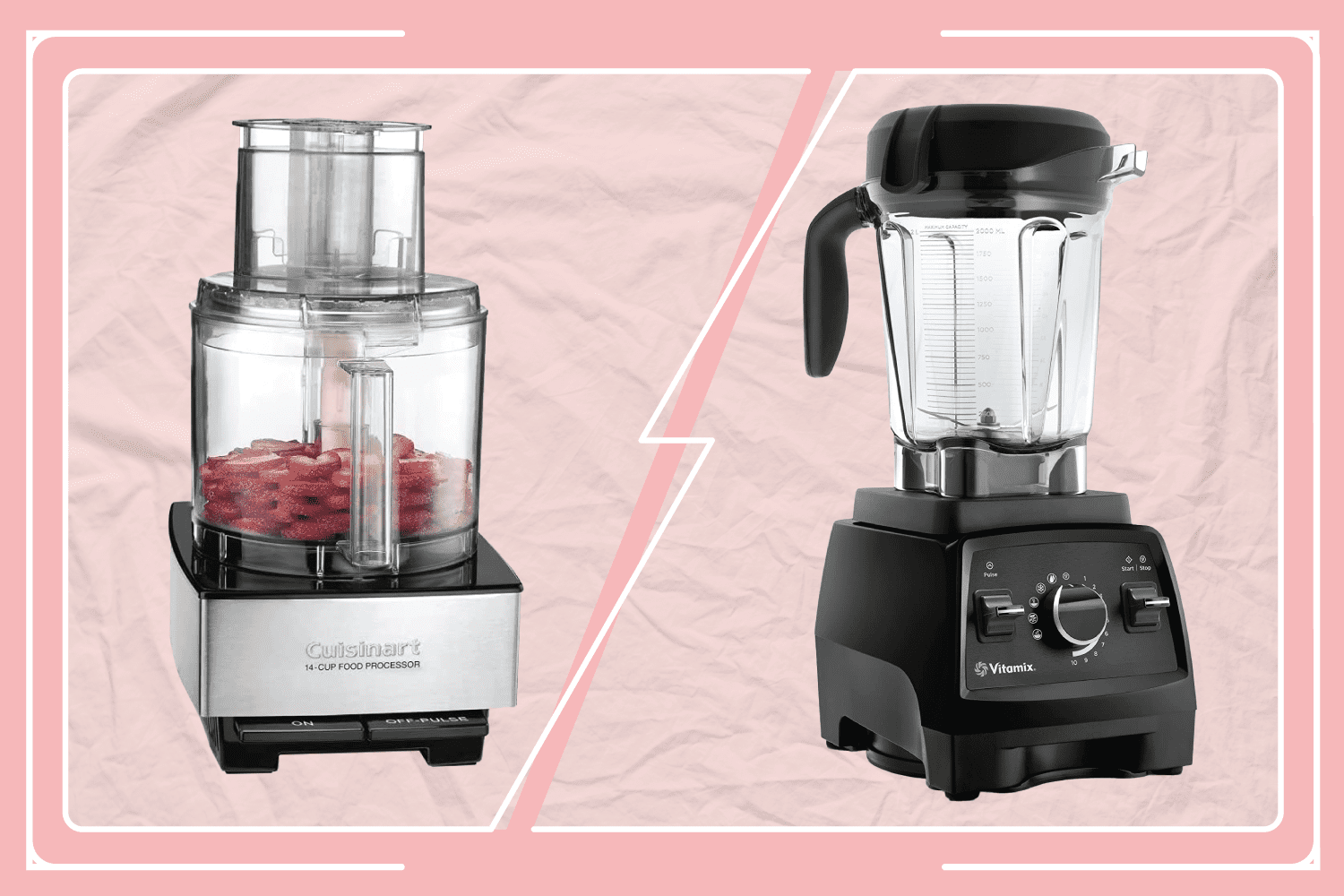
Use a food processor for classic, creamy hummus and a blender for ultra-smooth, lighter blends.
I’ve made hummus for years in both machines. I know the small trade-offs that matter. If you’ve asked, should i use a blender or food processor for hummus, this guide will answer that and more. I’ll walk through texture, time, cleanup, tips, and real tests so you can choose with confidence.
Why the choice matters for hummus
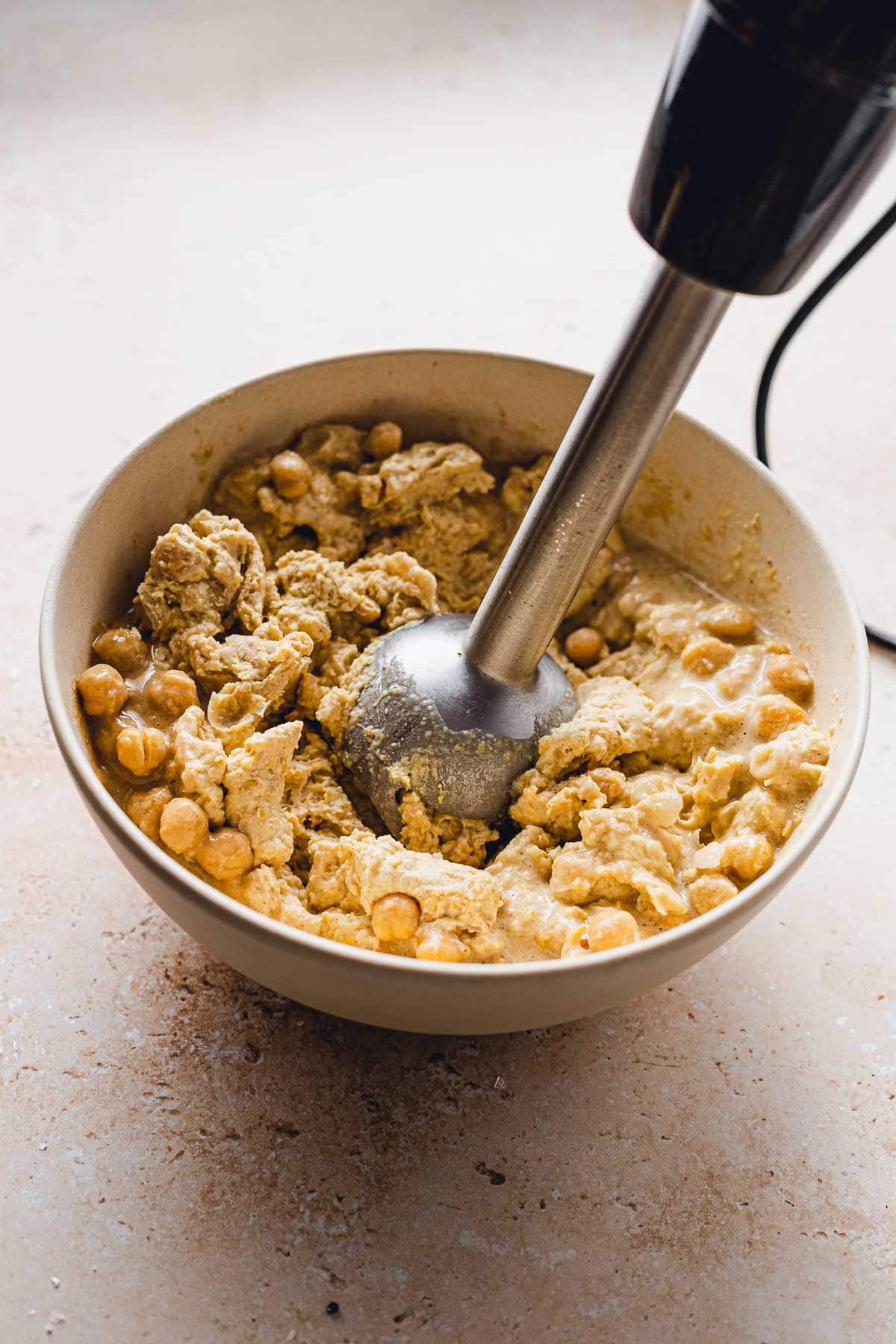
The tool you pick changes texture and mouthfeel. A food processor gives a thick, rustic hummus. A blender can make a very silky hummus, but may need more liquid. When you ask should i use a blender or food processor for hummus, think about texture, time, and cleanup. Small changes in technique make big taste differences.
Blender vs food processor — key technical differences
Both machines chop and blend. But they work differently.
- Motor and speed: Blenders often run faster. High speed can heat and thin hummus quickly.
- Blade shape and motion: Food processors use a wider, slower chopping motion. That preserves more texture.
- Bowl vs jar: Food processors have a wide bowl. Blenders have a narrow jar. The bowl helps lift and fold chickpeas.
- Liquid needs: Blenders need more liquid to create a vortex. Food processors handle thicker mixes with less liquid.
- Batch size and cleanup: Food processors usually handle larger batches. Blenders are faster to rinse out.
When you weigh should i use a blender or food processor for hummus, these facts matter. Choose by how you like texture and how much you want to fuss with water or oil.
Texture, flavor, and consistency: what each tool gives you
Food processors make hummus with a bit more body. The paste is coarse-fine and holds oil well. This leads to a hearty bite and full nutty flavor.
Blenders give a glass-smooth, silky result. The mix can feel lighter and more airy. But that often means adding more liquid or oil. The added liquid can mute flavor if you’re not careful.
If you ask should i use a blender or food processor for hummus to get restaurant-style hummus, both can work. Use a processor for classic texture and a blender for spreadable, smooth dips.
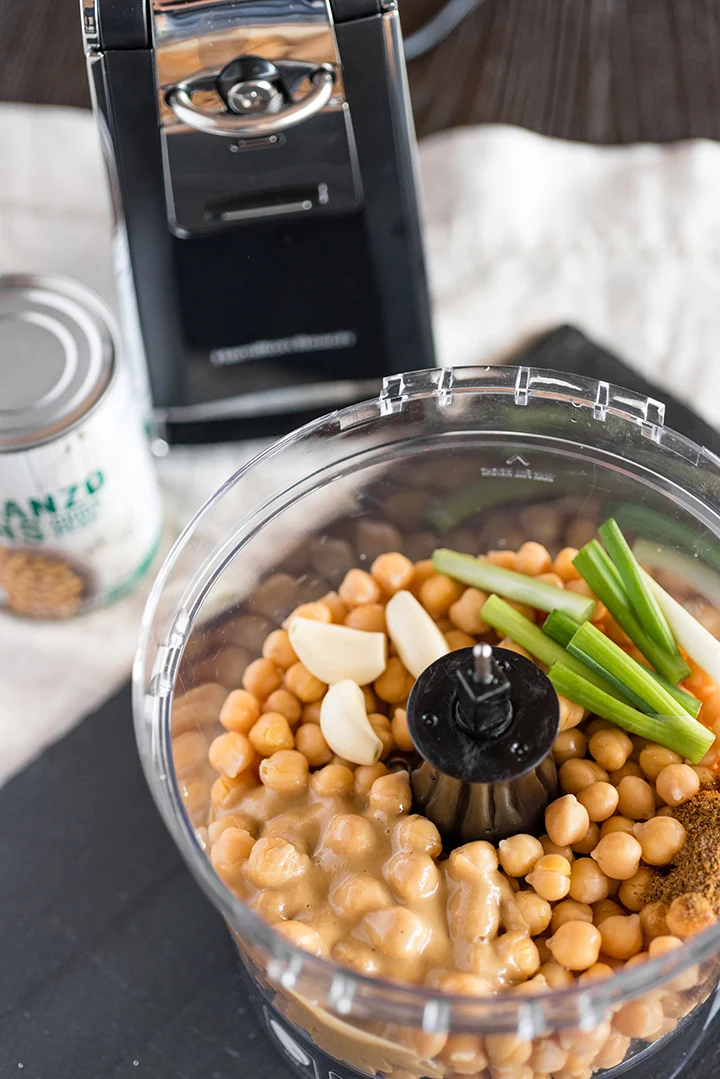
Practical tips: when to pick a blender or a food processor
Think about your goals and kitchen setup.
- Choose a food processor if you want thick hummus that holds shape on a plate.
- Choose a blender if you want ultra-smooth hummus for sandwiches or dips.
- Use the blender only with a strong motor. Weak blenders may leave grit.
- When using a blender, add liquid slowly. Start with a few tablespoons of aquafaba or olive oil.
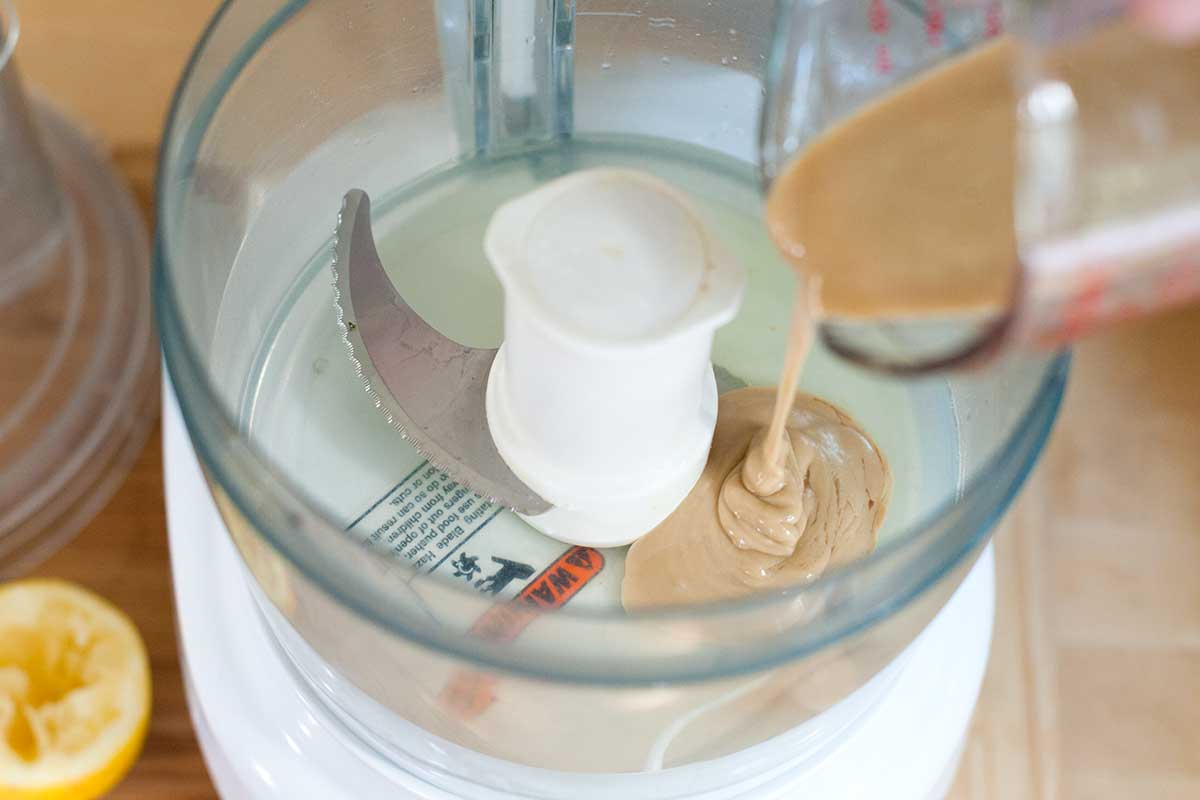
- When using a food processor, scrape the bowl. Pulse, then run to reach a silky texture.
Remember the question should i use a blender or food processor for hummus depends on your taste, time, and gear.
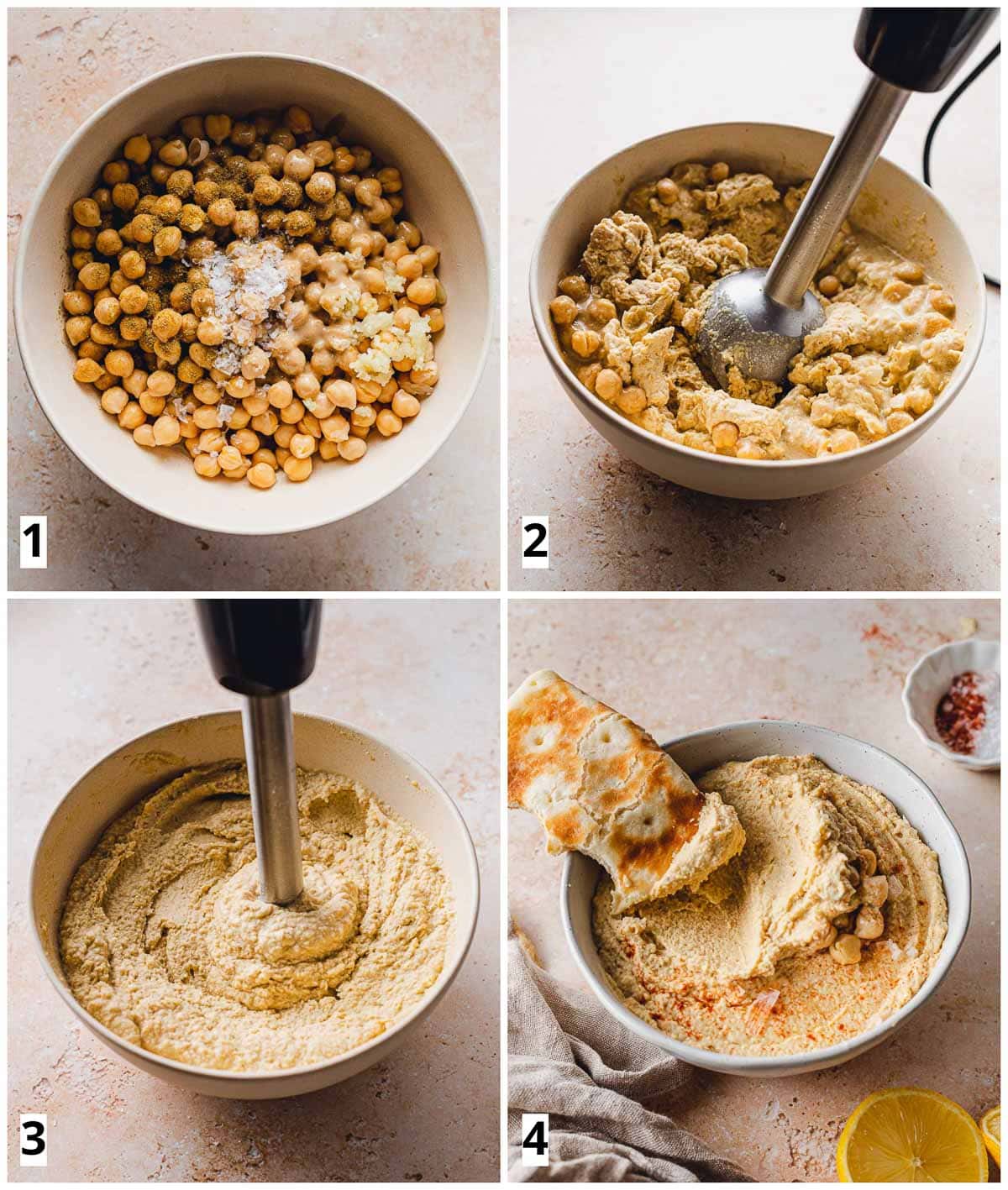
Recipes and step-by-step for each tool
Try both and compare. Here are two simple paths.
Food processor method
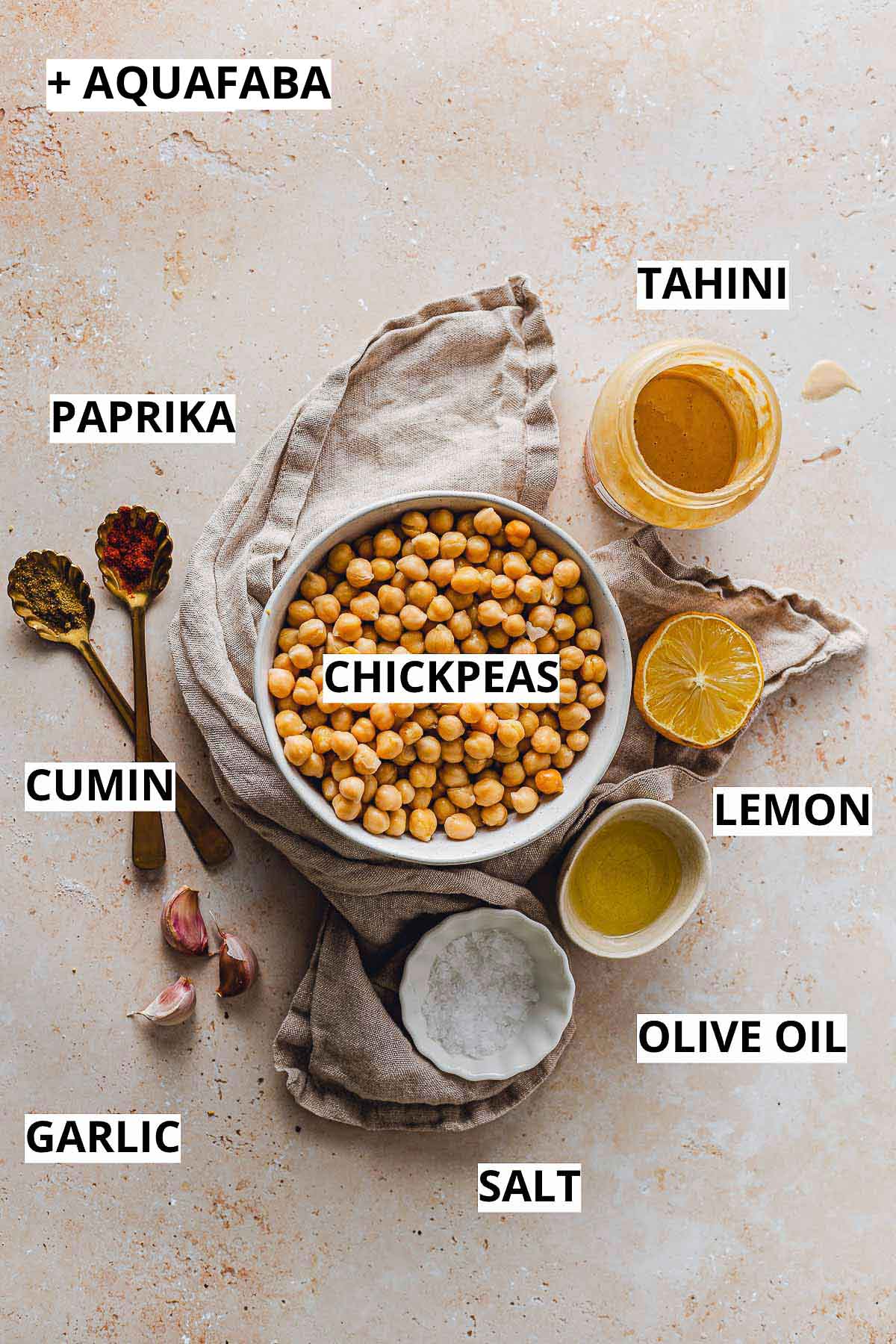
- Add 1 can (15 oz) drained chickpeas, 2 tbsp tahini, 2 tbsp lemon juice, 1 clove garlic, 2 tbsp olive oil, 1/4 tsp salt.
- Pulse to break chickpeas. Scrape sides often.
- Run processor and add 1–2 tbsp aquafaba or water until creamy.
- Adjust salt and lemon. Serve with a drizzle of oil.
Blender method
- Add 1 can (15 oz) drained chickpeas, 3 tbsp tahini, 3 tbsp lemon juice, 1 clove garlic, 3 tbsp olive oil, 1/2 tsp salt, 2–4 tbsp aquafaba or water.
- Blend on low to start, then high for 20–40 seconds.
- Stop and scrape. Add liquid in small amounts to reach the silkiness you want.
- Taste and adjust.
If your search is should i use a blender or food processor for hummus, make both once. You will notice the texture and flavor differences right away.
:max_bytes(150000):strip_icc()/israeli-style-extra-smooth-hummus-recipe-hero-03_1-c5024cd79b3c4867899e96833dd2c251.JPG)
Personal experience, experiments, and mistakes to avoid
I tested both tools many times. At first I used too much water in a blender. The hummus tasted flat. Lesson learned: add liquid slowly. I also once over-processed hummus in a food processor and it became gummy. The fix was to pulse more and stop when it looked slightly coarse.
A trick I love is to peel half the chickpeas for ultra-smooth hummus. It is slow, but worth it for special meals. When friends ask should i use a blender or food processor for hummus, I tell them to try both and note the differences. That hands-on test teaches more than any article.

Frequently Asked Questions of should i use a blender or food processor for hummus
What happens if I use a regular blender for hummus?
A regular blender can make smooth hummus but may need more liquid. If the motor is weak, you might end up with grainy texture. Use short pulses and add liquid slowly.
Can a food processor make completely smooth hummus?
Yes. A food processor can make very smooth hummus if you process long enough and add small amounts of liquid. Scraping and pulsing prevent overworking and gumminess.
Is one tool faster to clean after making hummus?
Blenders are often faster to rinse and dry. Food processors have blades and lids that need more cleaning. Consider cleanup when choosing.
Will the blender heat the hummus?
High-speed blenders can heat hummus slightly due to friction. Keep blending short and pause to cool if needed. Warm hummus can taste different.
Do I need to soak and peel chickpeas for a smoother result?
Soaking and cooking from dried chickpeas, then peeling, gives the smoothest hummus. Canned chickpeas work well too, and peeling a portion can help. It is one of the best upgrades for texture.
Conclusion
Choosing which to use comes down to one clear question: do you want thick and rustic or silky and light? If you want classic hummus that holds its shape, reach for the food processor. If you want very smooth, spreadable hummus and have a strong motor, try the blender. Test both on a small batch to learn what you like most. Try my tips and share your results or questions below — I’d love to hear which method you pick next.
