

Curious about what food processor do chefs use? Professional kitchens demand powerful, durable, and versatile machines. Chefs often rely on brands like Robot Coupe for commercial-grade performance, focusing on robust motors, large capacities, and multiple functions to handle high-volume, diverse tasks efficiently. Understanding their choices helps home cooks invest in quality and efficiency for their own culinary adventures.
What Food Processor Do Chefs Use
Have you ever watched a professional chef at work and marveled at their efficiency? It seems like they can chop, slice, and puree ingredients in the blink of an eye. Part of their secret lies in their tools. Just like a painter needs the right brushes, a chef needs the right kitchen equipment. And when it comes to speed and consistency, the food processor is often their unsung hero.
But what food processor do chefs use? Is it the same one you have on your counter? Not always. Professional kitchens demand machines that can withstand constant, rigorous use. They need tools that are powerful, reliable, and incredibly versatile. In this comprehensive guide, we’re going to pull back the curtain and show you exactly what food processor models and features chefs rely on. You’ll learn about the top brands, the crucial characteristics that set professional models apart, and how you can apply these insights to choose the best food processor for your own kitchen. Whether you’re a budding home cook or a seasoned culinary enthusiast, understanding the pros’ choices will empower you to make smarter decisions and elevate your cooking game.
Key Takeaways
- Professional Preference: Chefs primarily use heavy-duty, commercial-grade food processors designed for exceptional durability and high-volume tasks in demanding kitchen environments.
- Top Brands Dominate: Robot Coupe is the undisputed industry standard for professional kitchens, known for its longevity and performance. Cuisinart and Breville are popular for prosumer and high-end home use, often used by chefs at home or in smaller operations.
- Key Features are Paramount: Power (motor strength), generous capacity (bowl size), versatility (a wide range of attachments), and ease of cleaning are non-negotiable for chefs.
- Durability is Crucial: Commercial food processors feature robust, direct-drive induction motors and sturdy, high-quality construction materials built to withstand constant, rigorous use day after day.
- Versatility Maximizes Efficiency: A variety of blades and discs allows chefs to perform numerous tasks efficiently, from precision slicing and dicing to emulsifying and kneading dough, saving valuable time.
- Investment in Quality: While professional-grade food processors come with a higher price tag, they are considered a long-term investment. They significantly speed up prep time, ensure consistent results, and reduce the need for frequent replacements.
Understanding What Chefs Look For in a Food Processor
Chefs operate in a high-stakes environment where time is money and consistency is king. This means their kitchen tools, especially a vital piece of equipment like a food processor, must meet very specific, demanding criteria. They don’t just pick any machine off the shelf. They look for specific qualities that ensure performance, durability, and efficiency.
Power and Performance
Imagine needing to finely chop pounds of onions, shred large blocks of cheese, or knead multiple batches of dough, all within a short timeframe. A chef’s food processor needs a powerful motor that can handle these heavy-duty tasks without faltering or overheating. It must deliver consistent results, whether it’s a smooth puree or perfectly uniform slices. Home food processors often have universal motors, which are good for intermittent use. Professional models, however, typically feature powerful induction motors, which are designed for continuous operation and have a longer lifespan.
Durability and Build Quality
A commercial kitchen is a tough place. Equipment gets used, abused, and cleaned constantly. Chefs need a food processor that is built like a tank. This means heavy-duty construction, often with metal bases and robust components, that can withstand daily impacts and countless cycles of use. Flimsy plastic parts just won’t cut it in a professional setting. The longer a machine lasts, the better the return on investment for the chef and the restaurant.
Capacity and Size
Chefs frequently prepare food in large batches. A small, 7-cup food processor that might be perfect for a home cook won’t suffice when you need to process ingredients for dozens or even hundreds of servings. Professional food processors come with much larger work bowls, typically ranging from 11 cups up to 20 cups or more, allowing chefs to process greater quantities of ingredients at once, saving precious time.
Versatility and Attachments
A chef’s kitchen is a busy place, and space is often at a premium. They value tools that can perform multiple functions. A versatile food processor comes with a wide array of interchangeable blades and discs. This allows them to chop, mince, slice, shred, grate, julienne, mix, and even knead dough, all with one base unit. This multi-functionality reduces the need for numerous specialized gadgets, streamlining prep work. To truly understand the potential of these machines, it’s worth exploring what are the advantages of a food processor in a professional setting.
Ease of Cleaning and Maintenance
Food safety and hygiene are paramount in any kitchen, especially a professional one. Chefs need food processors that are easy to disassemble and clean thoroughly. Dishwasher-safe parts are a huge bonus, as is a design that minimizes nooks and crannies where food can get trapped. Simple maintenance routines also mean less downtime for the equipment.
The Go-To Food Processor Brands for Chefs
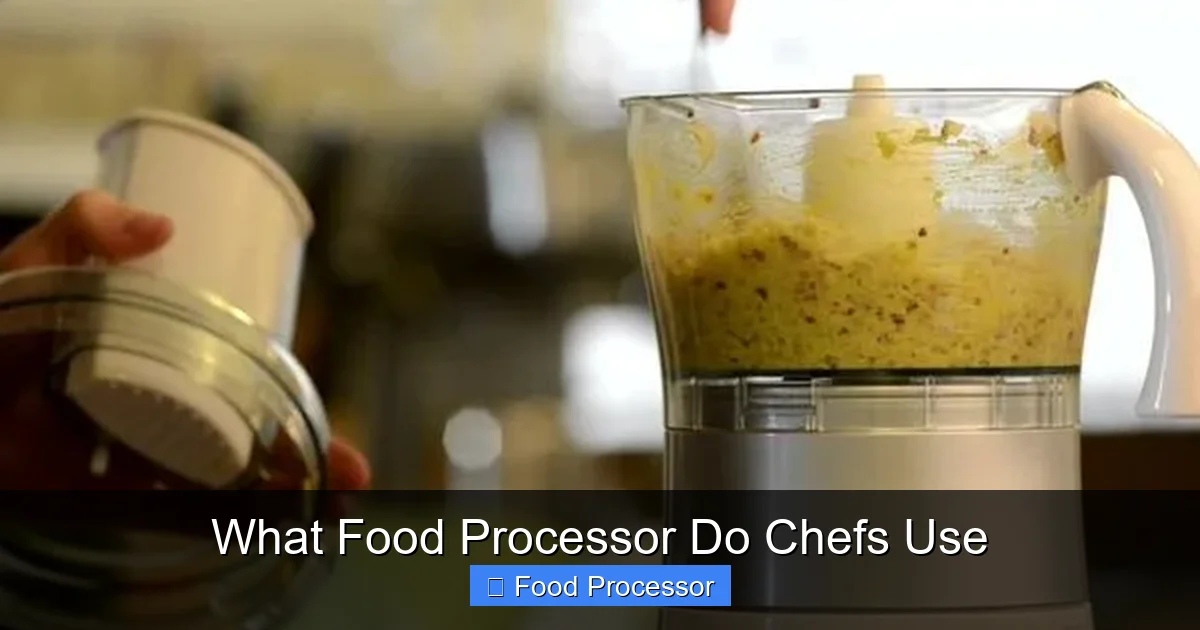
Visual guide about What Food Processor Do Chefs Use
Image source: familyguidecentral.com
When you walk into the back of a professional kitchen, you’ll often see a few familiar names dominating the counter space. These brands have earned their reputation through years of reliable performance.
Robot Coupe: The Undisputed Commercial King
If there’s one brand that stands out when asking what food processor do chefs use, it’s Robot Coupe. This French company is synonymous with professional food preparation equipment. Their food processors are industrial-grade powerhouses designed for continuous, heavy-duty commercial use.
- Why Chefs Love Them: Robot Coupe machines are known for their incredibly powerful, quiet induction motors, robust construction, and wide range of interchangeable discs and blades. They can handle anything from chopping large quantities of vegetables to emulsifying sauces and kneading stiff doughs. They are built to last for decades, making them a significant but worthwhile investment.
- Typical Models: The R2N, R4N, and CL series are commonly found in professional kitchens, offering various capacities and features for different scales of operation.
For anyone needing to equip a busy restaurant or catering service, understanding the features of a best food processor for commercial use will often lead them directly to Robot Coupe.
Cuisinart: The Prosumer Favorite
While Robot Coupe dominates commercial kitchens, Cuisinart holds a strong position in high-end home kitchens and smaller, lighter commercial settings. Many chefs also use Cuisinart models in their personal kitchens.
- Why Chefs Love Them: Cuisinart was a pioneer in bringing the food processor to the home market. Their higher-end models (like the Custom 14-Cup or 11-Cup Pro Classic) offer excellent power, good capacity, and a solid array of attachments. They strike a balance between professional performance and home kitchen practicality. They are durable, reliable, and generally more affordable than true commercial units. Many aspiring chefs or home cooks who follow cooking shows might wonder what food processor do they use on Masterchef, and Cuisinart often makes an appearance.
- Typical Models: The DFP-14BCNY 14-Cup Food Processor is a popular choice for its robust motor and large capacity.
Breville: High-End Home & Light Commercial Use
Breville is another brand that earns high marks for its innovative designs and powerful motors, bridging the gap between home and light commercial use.
- Why Chefs Love Them: Breville food processors, particularly their Sous Chef series, are known for their powerful induction motors, large capacities, and thoughtful features like wide feed chutes and storage cases for accessories. They offer excellent performance, beautiful design, and durability that can stand up to frequent use.
- Typical Models: The Breville Sous Chef 16 Pro is a top contender, offering a powerful motor and impressive versatility.
Waring: A Strong Contender in Commercial Kitchens
Waring is another well-respected name in the commercial kitchen appliance industry. While perhaps not as ubiquitous as Robot Coupe, their food processors are certainly found in professional settings.
- Why Chefs Love Them: Waring offers a range of powerful, durable food processors designed for commercial applications. They focus on robustness and high performance, with models specifically for heavy-duty prep tasks.
- Typical Models: The Waring Commercial WFP14S or WFP16S series are popular for their large capacities and sturdy construction.
Key Features That Make a Food Processor “Chef-Worthy”
Visual guide about What Food Processor Do Chefs Use
Image source: kenonionknives.com
Beyond brand names, specific features define a food processor that a chef would use and trust.
Powerful Induction Motors
As mentioned, induction motors are key. They are generally quieter, more energy-efficient, and have a much longer lifespan than universal motors. Their consistent torque allows them to process tough ingredients without bogging down, which is essential for uniform results.
Large Work Bowls
Chefs need to process large quantities quickly. A food processor with at least an 11-cup capacity, and ideally 14 cups or more, is standard. Look for BPA-free, shatter-resistant materials like Tritan or heavy-duty polycarbonate.
High-Quality Blades and Discs
The effectiveness of a food processor comes down to its blades and discs. Chefs look for:
- Sharp, Durable S-Blade: This is the primary blade for chopping, mixing, pureeing, and kneading. Stainless steel is a must.
- Variety of Slicing Discs: Adjustable slicing discs are highly prized, allowing chefs to choose precise thickness for vegetables, fruits, and cheeses. Separate discs for thin, medium, and thick slices are also common.
- Shredding/Grating Discs: For fine and coarse shredding of cheese, vegetables, and more.
- Specialty Discs: Some professional models offer dicing kits, julienne discs, or even whisking/emulsifying discs for even greater versatility.
Safety Mechanisms
In a busy kitchen, safety is paramount. Professional food processors often feature robust interlocking systems that prevent the machine from operating unless the bowl and lid are correctly assembled. Overload protection also prevents motor burnout.
User-Friendly Controls
While sophisticated, chefs often prefer simple, intuitive controls. Pulse functions are essential for achieving precise textures (e.g., coarse chop versus fine mince). On/off buttons that are easy to clean and clearly marked contribute to efficiency.
How to Choose a Food Processor Like a Professional Chef
So, you want to bring some chef-level efficiency into your own kitchen? Here’s how to approach buying a food processor with a professional mindset. Learning what to consider when buying a food processor is a vital step in this journey.
Step 1: Evaluate Your Cooking Needs and Frequency
Be honest about how you’ll use it.
- Home Cook (Infrequent Use): If you just need to chop nuts occasionally or make a small batch of salsa, a compact or mid-size model (7-9 cups) with a decent motor might be enough.
- Avid Home Cook/Batch Cooker: If you cook frequently, entertain often, or like to meal prep, then a 12-cup to 14-cup model with a powerful motor and a good selection of discs will be a game-changer. This is where you start looking at the high-end Cuisinart or Breville models.
- Serious Home Chef/Small Business: If you’re running a small catering business from home or are truly passionate about advanced culinary techniques, consider investing in a prosumer model (like the Breville Sous Chef Pro) or even a smaller commercial unit (like a compact Robot Coupe) if budget allows.
Step 2: Prioritize Motor Strength and Durability
This is non-negotiable for long-term satisfaction.
- Look for Wattage: Higher wattage generally indicates more power. Aim for at least 600 watts for mid-size home models, and 1000 watts or more for larger, more professional-grade machines.
- Direct-Drive/Induction Motor: This is a sign of a high-quality, durable food processor that will last. It handles tough jobs with ease and typically runs quieter.
- Sturdy Base: A heavy base indicates a quality motor and prevents the machine from “walking” on the counter during operation.
Step 3: Select the Right Capacity
Don’t undersize your food processor. It’s better to have a bit more capacity than you think you need.
- Small Households (1-2 people): 7-9 cups
- Average Households (3-4 people): 11-14 cups
- Large Households/Entertaining: 14 cups or more
Remember, you can always process smaller amounts in a large bowl, but you can’t process large amounts in a small bowl without multiple batches, which wastes time.
Step 4: Look for Versatile Attachments
Consider the tasks you perform most often and ensure the food processor comes with the necessary blades and discs. An adjustable slicing disc is particularly useful. Check if additional accessories are available for purchase later if your needs expand.
Step 5: Consider Ease of Cleaning
Dishwasher-safe parts are a huge convenience. Look for bowls and lids with minimal crevices. A wide feed chute is great for adding ingredients, but also contributes to easier cleaning.
Step 6: Read Reviews and Check Warranty
Even chefs do their research! Look for consistent positive feedback on durability, performance, and customer service. A good warranty (e.g., 5-10 years on the motor) is a strong indicator of manufacturer confidence in their product’s quality.
Maintenance Tips for Your Chef-Grade Food Processor
Even the toughest food processor needs a little love to perform its best and last a long time. Chefs understand that proper maintenance is key to protecting their investment.
Regular Cleaning is Key
After every use, disassemble the food processor and clean all parts promptly. Food can dry and become much harder to remove.
- Wash Blades and Discs Carefully: These are extremely sharp. Use a brush or sponge, and always wash away from your body. Many parts are dishwasher safe, but always check the manufacturer’s instructions.
- Wipe Down the Base: Use a damp cloth to wipe the motor base clean. Never submerge the motor base in water.
- Deep Clean Periodically: For tougher stains or odors, a mixture of baking soda and water or a mild bleach solution can be used (always rinse thoroughly).
Proper Storage
Store blades and discs safely, ideally in a dedicated storage container or their original packaging. This protects both the sharp edges and your hands. Keep the food processor assembled or store the bowl and lid together to prevent losing parts.
Handle Blades with Care
Always lift blades by their plastic hub, not the sharp edge. Be extremely careful when placing them on or removing them from the shaft. Dull blades can be less efficient and potentially more dangerous as they require more force. While sharpening isn’t common for food processor blades, keeping them clean helps maintain their edge.
Ensuring Longevity: Preventing Common Food Processor Issues
While professional-grade food processors are built to last, understanding how to prevent common issues can further extend their lifespan and ensure smooth operation.
Motor Not Starting
Most modern food processors have safety interlocks.
- Check Assembly: Ensure the bowl is correctly locked onto the base and the lid is securely locked onto the bowl. The machine won’t start if these aren’t perfectly aligned.
- Overload Protection: If the motor has been overstrained (e.g., trying to process too much at once), it might have an automatic shut-off. Unplug, wait a few minutes for it to reset, reduce the load, and try again.
Inconsistent Processing
If your food processor isn’t chopping or shredding evenly, consider these points.
- Ingredient Size: Cut ingredients to a uniform size before adding them to the bowl for more even processing. Don’t overload the bowl.
- Blade Placement: Ensure the S-blade is properly seated on the drive shaft. For shredding/slicing discs, ensure they are correctly positioned on their spindle.
- Pulsing Technique: Chefs often use the pulse function in short bursts rather than continuous processing for more control over texture. This prevents over-processing or uneven results.
Leaking Bowl
A common and frustrating issue.
- Don’t Overfill: Never fill the bowl beyond the maximum fill line, especially with liquids.
- Check Seal: Ensure the gasket or seal on the lid is clean and properly seated. A damaged or missing seal will cause leaks.
- Bowl Fit: Confirm the bowl is correctly twisted and locked onto the base.
By understanding these tips, you can not only choose a food processor like a chef but also care for it like one, ensuring it remains a workhorse in your kitchen for years to come.
Conclusion
The question of what food processor do chefs use leads us to a clear answer: they use powerful, durable, and versatile machines designed for the demanding environment of a professional kitchen. Brands like Robot Coupe are at the top of the commercial game, while Cuisinart and Breville provide excellent options for high-end home use and lighter commercial tasks.
When making your own selection, think like a chef. Prioritize motor strength, capacity, and the quality of blades and attachments. Look for sturdy construction that promises longevity, and remember that ease of cleaning and maintenance are crucial for sustained performance.
Investing in a high-quality food processor, whether a commercial powerhouse or a robust prosumer model, is an investment in your culinary efficiency and enjoyment. It will empower you to tackle a wider range of recipes, significantly cut down on prep time, and achieve consistent, professional-level results in your own kitchen. Choose wisely, care for your machine well, and prepare to elevate your cooking to new heights!
