Food processors handle chopping, slicing, and dough; mixer grinders excel at wet grinding and spice blending.
I’ve spent years testing kitchen machines and helping friends pick appliances, so I know the common confusion around what is the difference between food processor and mixer grinder. This article breaks down their design, power, attachments, and ideal uses with clear examples and personal tips, so you can choose the right tool for your kitchen and avoid buying the wrong gadget.

Design and core components
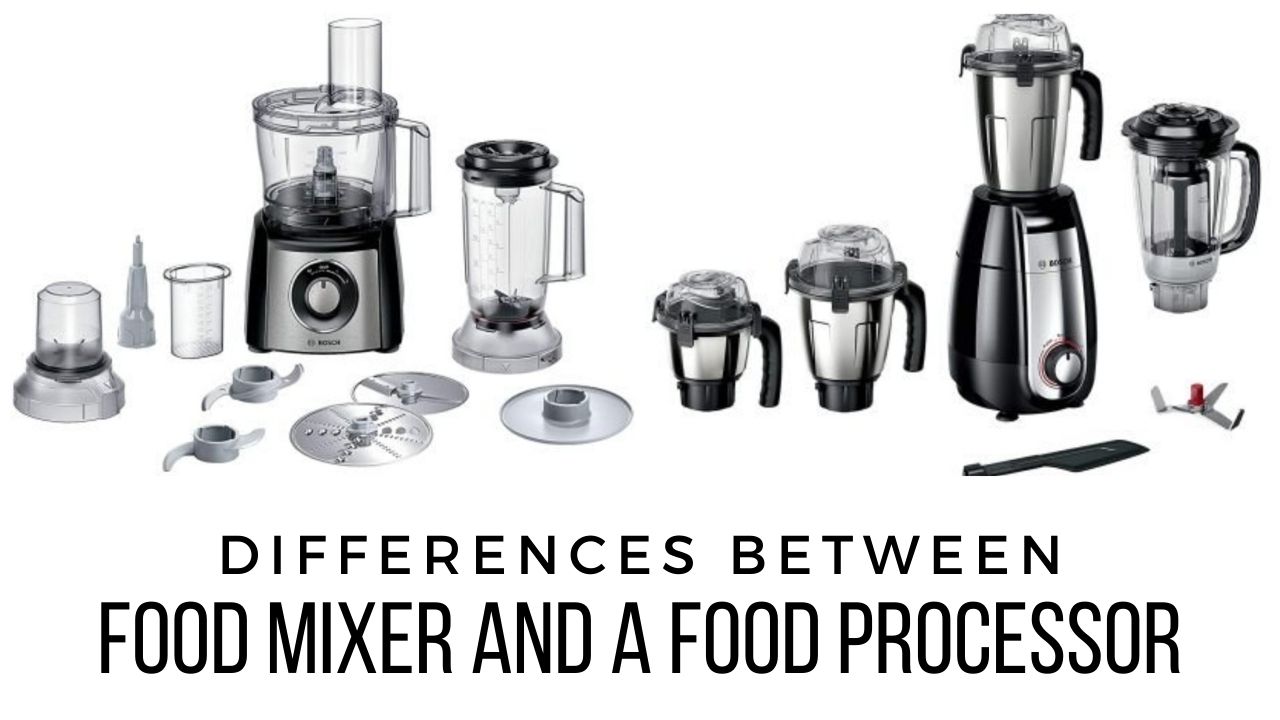
A food processor is built for tasks that change a food’s shape or texture. It has a wide bowl, a feed tube, and multiple blades and discs for slicing, shredding, chopping, and kneading. Most food processors use a flat blade for chopping and a range of discs for slicing or grating.
A mixer grinder is designed mainly for grinding and blending. It comes with narrow jars and high-speed blades that create fine pastes and purees. Mixer grinders are common in households that prepare spice pastes, chutneys, and wet batters.
What is the difference between food processor and mixer grinder shows up first in form factor: bowls and discs versus jars and tapered blades. The food processor shapes and sizes food; the mixer grinder reduces food to a consistent paste or powder. This difference drives which appliance you should buy for specific tasks. For a deeper dive into food processor capabilities, check out our guide on what a food processor is used for.

Performance and typical uses
Food processor uses
- Chopping vegetables quickly for salads and salsas.
- Shredding cheese, slicing potatoes, and making dough.
- Making coarse purees and chunky mixtures.
Mixer grinder uses
- Grinding spices and dry ingredients to powder.
- Making smooth pastes for curries and beverages.
- Blending liquids like smoothies and batters.
If you ask what is the difference between food processor and mixer grinder from a performance view, the processor is versatile for prep work while the mixer grinder focuses on fine grinding and wet processing. In my kitchen, I use a food processor to slice vegetables for a week of meal prep and the mixer grinder to make spice paste fresh each evening.
Key technical differences explained
Power and motor
- Food processors often run at moderate RPMs with torque for dense items.
- Mixer grinders use higher RPMs for fast grinding and fine textures.
Blade and accessory design
- Food processors include a variety of blades and discs for many textures.
- Mixer grinders have fixed blade assemblies made for grinding and blending.
Jar versus bowl
- Food processor bowls are wide and shallow for even chopping.
- Mixer grinder jars are narrow and tall, promoting centrifugal grinding.
Capacity and control
- Food processors typically have larger capacities for batch prep.
- Mixer grinders are efficient for small to medium wet grinding jobs.
When people search what is the difference between food processor and mixer grinder, they often miss how RPM and blade geometry change the result. Higher RPM with narrow jars creates smoother purees; lower RPM with slicing discs keeps pieces intact. If you’re grinding spices frequently, consider models like those in our top spice grinding food processors roundup.

Practical buying guide: choose based on need
Ask these questions before you buy
- Do you prepare large salads, doughs, or sliced vegetables often? Choose a food processor.
- Do you need spice pastes, chutneys, or fine flours regularly? Choose a mixer grinder.
- Do you want one appliance for both tasks? Consider models marketed as combo units, but check attachments and motor strength.
Budget and space tips
- Food processors often cost more and take more counter space.
- Mixer grinders are usually compact and budget-friendly.
Personal tip: I once bought a mid-range combo because I wanted both functions. It worked okay for light chopping and moderate grinding, but it struggled with heavy dough and coarse grating. If you cook frequently and need strong performance, buy the dedicated appliance for your main tasks.

Maintenance, safety, and longevity
Cleaning and care
- Food processors have many parts; clean discs and bowls after each use to avoid odors.
- Mixer grinder jars are easier to wash but watch sealing rings to prevent leaks.
Safety features
- Food processors often have safety locks that prevent the motor from running unless components are secured.
- Mixer grinders may include overload protection to stop the motor under heavy load.
Lifespan considerations
- A well-cared-for food processor lasts several years with moderate use.
- Mixer grinders endure frequent heavy use when used correctly; overheating is the main risk.
What is the difference between food processor and mixer grinder in maintenance is clear: processors require more careful assembly and cleaning, while mixer grinders need attention to blade seals and motor heat. I learned to avoid running a mixer grinder continuously for long periods; short breaks prevent overheating and extend motor life.

Use-case scenarios and real-life examples
Home cook who makes Indian meals daily
- Use a mixer grinder for grinding masalas, wet pastes, and batter.
- Use a food processor when preparing large vegetable mixes or shredding for salads.
Home baker who makes breads and pastries
- Food processor can cut butter into flour and knead small doughs.
- Mixer grinder has limited use for baking unless you need liquid mixing.
Meal-prep enthusiast
- Food processor saves huge time slicing, shredding, and batching.
- Mixer grinder helps with sauces, smoothies, and spice blends.
These scenarios show what is the difference between food processor and mixer grinder based on everyday cooking habits. Choose according to the work you do most often. If you’re comparing top brands, see how Ninja stacks up against Breville in our detailed food processor showdown.
Frequently Asked Questions of what is the difference between food processor and mixer grinder
What tasks can a food processor do that a mixer grinder cannot?
A food processor can slice, shred, and knead dough with specialized discs and blades. Mixer grinders usually cannot create uniform slices or knead effectively.
Can a mixer grinder replace a food processor for chopping?
A mixer grinder can chop but not with the same control or consistency as a food processor. Chopping in a mixer grinder often produces uneven results.
Is a food processor good for grinding spices?
Food processors are not ideal for fine spice powder because their blades and speed do not match the grinder’s design. A mixer grinder gives finer, drier powders for spices.
Which appliance is better for making dough?
A food processor is better for small to medium doughs because of its dough blade and lower speed torque. Mixer grinders are not built to knead dough consistently.
Can I use both appliances together to save time?
Yes, pairing a food processor for prep work and a mixer grinder for pastes and grinding is efficient. Many cooks use both to get the best results.
Conclusion
Knowing what is the difference between food processor and mixer grinder helps you match the tool to your cooking style. Food processors excel at shaping, slicing, and prep work, while mixer grinders deliver fine grinding, pastes, and high-speed blending. Choose based on the tasks you do most, or invest in both if your kitchen demands varied processing.
Take action: list the top five things you prepare weekly, compare them to the use cases above, and pick the appliance that covers most tasks. If you found this helpful, share your kitchen needs below or subscribe for more practical appliance guides.