

Food processing preserves food, improves safety, boosts nutrition, and makes meals convenient.
I write from years of work in food labs and industry projects. I know what is the importance of food processing in our daily life. This article explains the core reasons food processing matters. You will learn benefits, risks, real examples, and practical tips you can use today.

Why food processing matters every day
Food processing turns raw crops into safe, usable foods. It stops microbes that cause illness. It also stretches shelf life so food is less likely to spoil. Understanding what is the importance of food processing in our daily life helps you make better food choices.
Processed foods make modern life possible. They let you buy food that travels long distances. They let communities store food for lean seasons. The way we process food shapes diet, health, and food access.
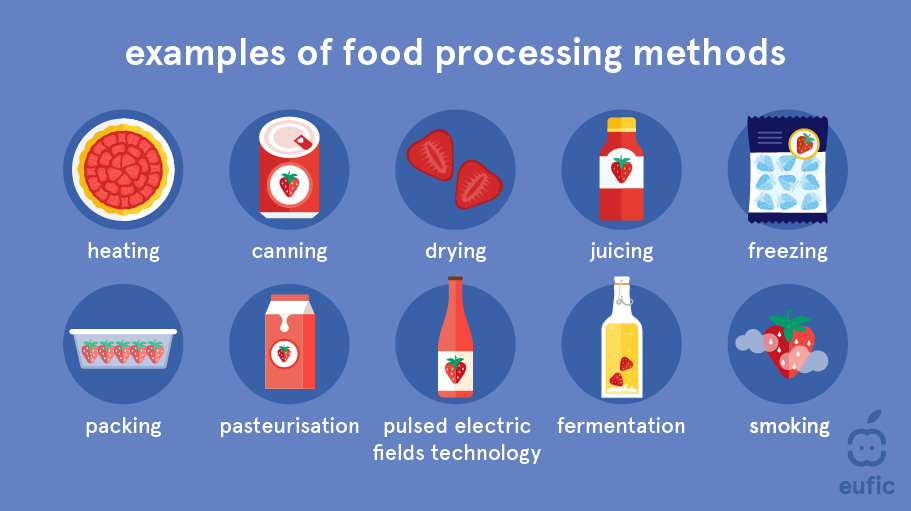
Key benefits of food processing
Food processing delivers many clear benefits. Below are the main ones and how they matter in daily life.
- Safety: Processing kills or reduces harmful bacteria and toxins. This lowers foodborne illness risks.
- Shelf life: Canning, freezing, and drying keep food edible for longer. This reduces waste and saves money.
- Nutrition: Fortification adds vitamins and minerals to common foods. This helps prevent nutrient gaps in populations.
- Convenience: Ready-to-eat and ready-to-cook items save time for busy households. Convenience encourages healthier home meals for many people.
- Cost stability: Processing stabilizes supply and price by preserving harvests. This helps avoid sharp food price swings.
- Variety: Processing enables foods that are not in season to be available year-round. That expands diets and culinary options.
When you think about what is the importance of food processing in our daily life, these benefits show up in almost every meal. They shape what we eat, how we shop, and how we save.

How food processing affects nutrition and safety
Processing can both help and harm nutrition. Some methods remove nutrients. Others help keep or boost them. For example, milling wheat removes some fiber. Fortified flour adds back iron and folic acid. This trade-off is central to understanding what is the importance of food processing in our daily life.
Safety improves with processing. Pasteurization and heat treatment reduce pathogens. Proper canning avoids botulism. Good processing also lowers chemical risks by removing toxins or reducing pesticide residues. For best results, choose minimally processed foods when possible and use processed staples that are fortified or safety-tested. If you’re preparing vegetables at home, learning how to keep vegetables from getting mushy can help maintain both texture and nutrition.

Economic and environmental impacts
Food processing supports jobs and industry. It creates work in farming, factories, logistics, and retail. It also enables export markets and economic growth. This is a big part of what is the importance of food processing in our daily life at the community level.
However, processing uses energy and packaging. That can add waste and emissions. Smart choices can reduce impact. Examples include better packaging design, more efficient plants, and reuse systems. Consumers can help by choosing products with lower waste and by buying local processed goods when feasible.
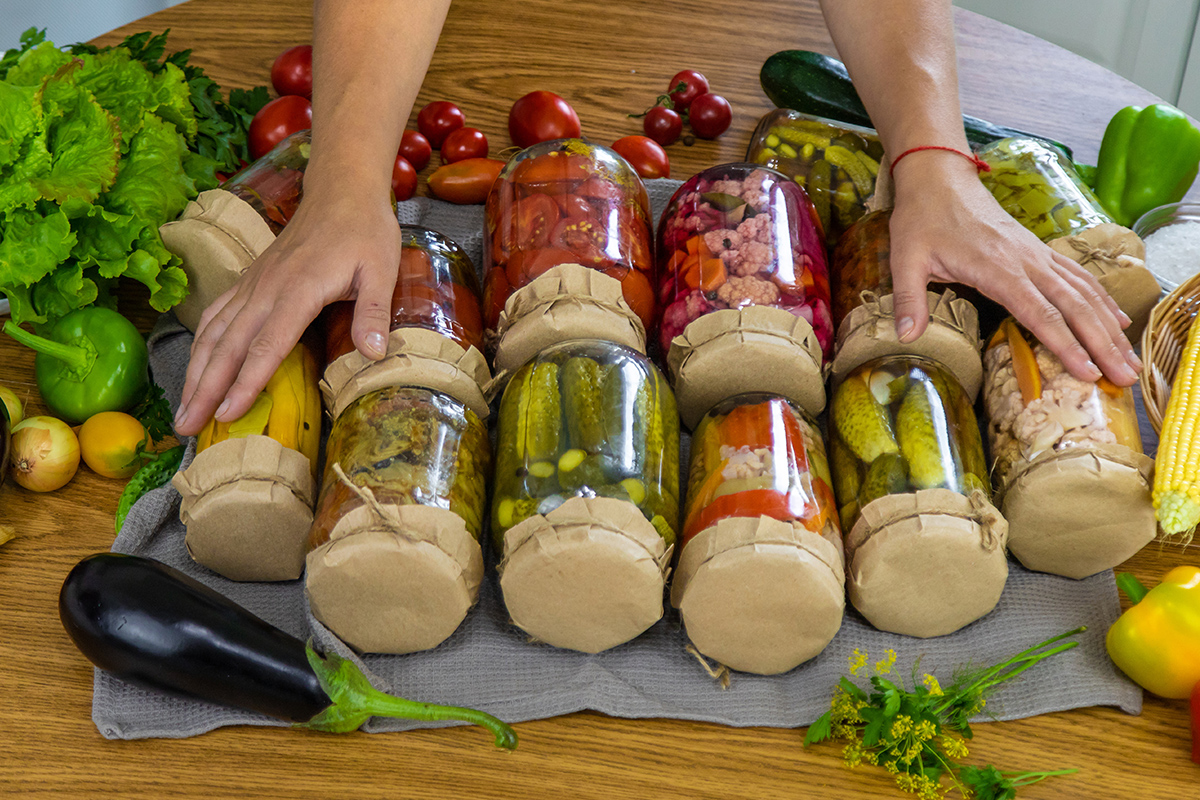
Everyday examples and personal experience
I once worked on a small food plant project. We aimed to extend shelf life of a vegetable mix. Simple changes in blanching and packaging cut waste by half. That taught me how small process shifts boost both nutrition and profit.
Think about items in your kitchen. Bread, milk, canned beans, and frozen vegetables are processed. Each serves a role: convenience, safety, or nutrient supply. Seeing those items as tools makes it easier to use them well. That perspective shows why what is the importance of food processing in our daily life is practical, not just technical. For those using kitchen appliances to process food at home, understanding what a food processor is used for can expand your culinary capabilities.
Challenges and future trends in food processing
There are several challenges to solve. Over-processing can add sugar, salt, or unhealthy fats. That harms health. Packaging waste and energy use are growing concerns. These are part of why critics question what is the importance of food processing in our daily life.
Trends are shifting the field. Clean-label methods, energy-efficient processing, and upcycling food waste are rising. Automation and data tools improve quality and safety. The future aims to keep benefits while cutting negatives. Consumers and industry both shape this path.
Frequently Asked Questions of what is the importance of food processing in our daily life
What does food processing mean for daily meals?
Food processing means turning raw foods into forms that are safe, long-lasting, and convenient. It helps people prepare meals faster and reduces the risk of foodborne illness.
Does food processing reduce nutrients?
Some processes reduce certain nutrients, but others preserve or add nutrients through fortification. Choosing the right processed foods helps maintain a balanced diet.
Is processed food always unhealthy?
No. Processed food ranges from minimally processed items like frozen vegetables to highly processed snacks. Many processed foods are nutritious and safe when chosen wisely.
How does processing improve food safety?
Processing methods such as pasteurization, canning, and sterilization kill harmful microbes. These steps lower the chance of foodborne illness in everyday life.
Can food processing reduce food waste?
Yes. Processing extends shelf life and stabilizes supply. This reduces spoilage at home and across supply chains, cutting waste and saving money.
How can consumers choose better processed foods?
Look for simple ingredient lists, fortified staples, and minimal added sugar or salt. Buying from trusted brands or local processors can also help ensure quality.
Will future processing be more sustainable?
Yes. The industry is moving toward lower-energy methods, reusable packaging, and upcycling waste. These trends aim to keep the benefits of processing while reducing harm.
Conclusion
Food processing shapes how we eat, stay safe, and feed communities. It extends shelf life, improves safety, and adds nutrients when done right. It also supports jobs and makes food more accessible.
Takeaway: learn basic labels, choose minimally processed staples that are fortified, and reduce highly processed items with excess sugar or salt. Your choices matter and can push the industry toward healthier and greener options. Share your experience or questions below, and consider subscribing for more practical food insights.
