
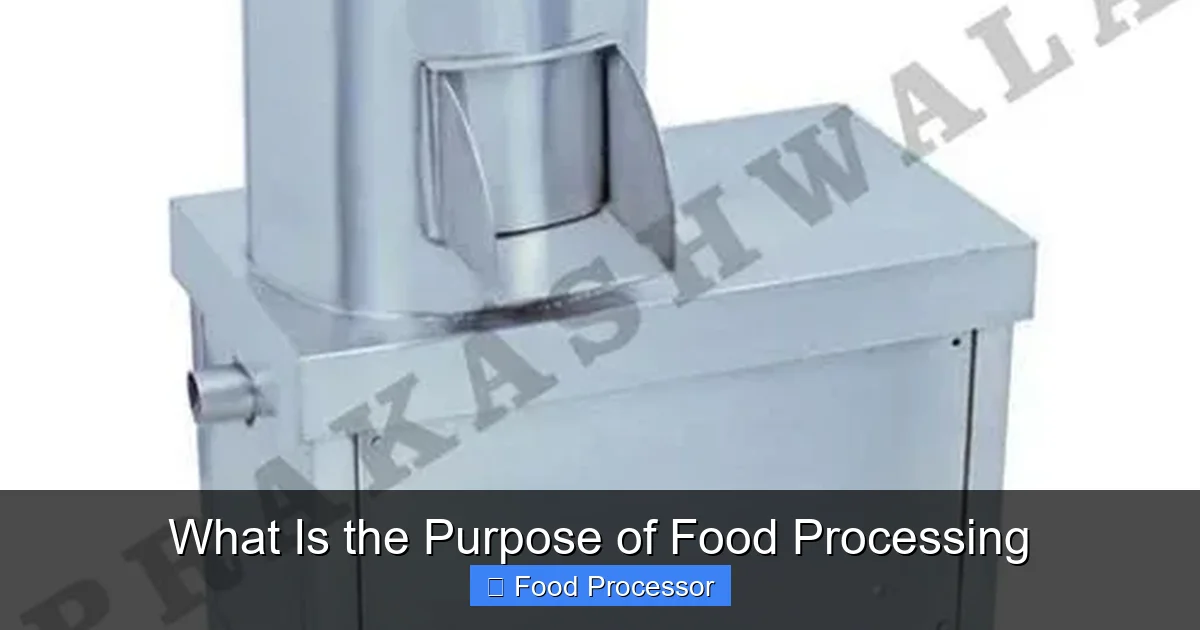
Food processing serves multiple vital purposes, making our food supply safer, more accessible, and more convenient. It involves various techniques, from simple washing to complex manufacturing, all aimed at preserving food, enhancing its quality, and providing nutritional benefits. Understanding the different levels of processing helps us make informed choices about the foods we eat daily, highlighting its role in our modern food system.
What Is the Purpose of Food Processing?
Have you ever stopped to think about the journey your food takes before it lands on your plate? From the farm to your fridge, a lot happens. Much of what we eat has undergone some form of “food processing.” But what exactly is that, and why do we do it? Is it always a bad thing, or does it serve essential roles in our daily lives?
In this comprehensive guide, we’re going to dive deep into the world of food processing. We’ll explore its many purposes, from keeping our food safe to making it more convenient and available year-round. You’ll learn about the different levels of processing and gain a clearer understanding of how it impacts the food we consume. Get ready to uncover the vital functions that food processing plays in our modern world!
Key Takeaways
- Enhanced Food Safety: Food processing is crucial for eliminating harmful microorganisms, toxins, and contaminants, ensuring the food we consume is safe and reduces the risk of foodborne illnesses.
- Extended Shelf Life: Techniques like canning, freezing, drying, and pasteurization prevent spoilage, allowing food to be stored longer and reducing waste.
- Increased Accessibility & Availability: Processing enables food to be transported globally and enjoyed year-round, overcoming seasonal limitations and geographical barriers.
- Improved Nutritional Value: Many processed foods are fortified or enriched with essential vitamins and minerals, addressing common nutrient deficiencies in populations.
- Greater Convenience and Variety: Processing creates a wide array of ready-to-eat or easy-to-prepare products, saving time for consumers and offering diverse culinary options.
- Enhanced Sensory Qualities: Food processing often improves the flavor, texture, and appearance of foods, making them more palatable and appealing.
- Reduced Food Waste: By preserving perishable items and transforming less desirable parts into edible products, processing plays a significant role in minimizing waste across the food supply chain.
Understanding the Core Purpose of Food Processing
At its heart, food processing is about transforming raw ingredients into food products suitable for consumption, storage, and distribution. It involves a wide range of techniques, from simple washing and cutting to complex industrial methods. The primary goal is to add value, improve safety, extend shelf life, and enhance the quality and convenience of food.
What Exactly Is Food Processing?
Simply put, food processing is any action that changes a raw food item from its natural state. This can be as basic as washing fruits, chopping vegetables, or grinding grains. On a larger scale, it includes pasteurizing milk, canning vegetables, freezing meats, or baking bread. The key is that some form of intervention or transformation takes place. It’s an umbrella term covering a vast array of activities.
It’s More Than Just Making Things in a Factory
When people hear “food processing,” they often think of large factories churning out highly processed snacks. While that’s certainly a part of it, the concept is much broader. Think about it: when you bake a cake, you’re processing flour, eggs, and sugar. When you make jam, you’re processing fruit. Even salting meat to preserve it is a form of food processing. It’s a fundamental aspect of how humans have prepared and consumed food for centuries.
Purpose 1: Enhancing Food Safety
One of the most critical reasons for food processing is to make our food safe to eat. Without proper processing, many foods would carry significant risks of contamination and foodborne illnesses.
Eliminating Harmful Microorganisms
Raw foods can naturally contain bacteria, viruses, parasites, or molds that can cause sickness. Processing methods like pasteurization (heating milk or juice), cooking, or sterilization destroy these harmful microorganisms. For example, pasteurized milk is safe to drink because the heating process kills pathogens like E. coli and Salmonella, which could be present in raw milk. This essential step dramatically reduces the risk of serious health issues.
Removing Toxins and Contaminants
Some raw ingredients naturally contain toxins, or they might accumulate contaminants from the environment. Processing can help remove or neutralize these substances. For instance, specific traditional processing methods for cassava remove cyanide compounds, making it safe for consumption. Cleaning and filtering during processing also remove physical contaminants like dirt or small stones.
Extending Shelf Life Through Preservation
Fresh foods spoil quickly due to microbial growth and natural enzymatic reactions. Food processing techniques are designed to slow down or stop these processes. This is perhaps one of the most widely recognized important reasons for food processing.
- Canning: Sealing food in airtight containers after heating kills bacteria and prevents new ones from entering.
- Freezing: Lowering temperatures below freezing stops microbial growth and slows enzymatic activity.
- Drying: Removing water inhibits microbial growth and enzymatic reactions.
- Fermentation: Using beneficial microorganisms to produce acids or alcohol that preserve food (e.g., yogurt, kimchi).
- Salting/Sugaring: These methods draw out moisture, making it difficult for spoilage organisms to thrive.
These preservation methods are vital for maintaining a stable food supply and preventing massive amounts of food waste. They also make it possible to enjoy seasonal produce all year long. You can learn more about the broader concept of food purchasing, processing, and preservation in detail.
Purpose 2: Improving Food Quality and Sensory Appeal
Food processing isn’t just about safety and shelf life; it’s also about making food taste better, look better, and have a more desirable texture.
Enhancing Flavor and Texture
Many processed foods undergo changes that improve their sensory qualities. Roasting coffee beans develops their rich aroma and flavor. Baking bread transforms dough into a light, airy loaf with a crispy crust. Marinating meats tenderizes them and infuses them with flavor. Even chopping and dicing vegetables can make them more palatable and easier to cook. The Maillard reaction advantages in food processing, for example, are crucial for creating those delicious browning and savory flavors in many cooked and processed foods.
Creating New Food Products
Processing allows for the creation of an incredible variety of foods that wouldn’t exist otherwise. Think about cheese, yogurt, bread, pasta, sauces, and countless snack items. These products are born from processing raw ingredients into entirely new forms, offering consumers diverse choices and culinary experiences.
Standardizing Product Quality
Food processing helps ensure consistency in taste, texture, and appearance. When you buy a specific brand of cereal or canned soup, you expect it to taste the same every time. Processing controls allow manufacturers to meet these expectations, which is essential for consumer trust and brand loyalty. This standardization is a key reason why food processing is important for global commerce.
Purpose 3: Increasing Food Availability and Accessibility
Without food processing, our diet would be severely limited by seasonality and geography. Processing plays a huge role in making a wider variety of foods available to more people.
Overcoming Seasonal Limitations
Fresh produce is often seasonal. Processing allows us to “capture” the harvest and make it available throughout the year. Freezing berries in summer means you can enjoy them in winter. Canning tomatoes at their peak ripeness ensures a steady supply of tomato products for sauces and stews. This stabilizes prices and ensures a consistent food supply regardless of the season.
Facilitating Transportation and Distribution
Many raw foods are bulky and perishable, making long-distance transport difficult and expensive. Processing can reduce volume (e.g., concentrated juices, dried fruits) and increase stability (e.g., packaged goods). This makes it possible to ship food across countries and continents, ensuring that people in urban areas or regions with limited agriculture still have access to a diverse diet. It’s a major reason why food processing is important for global food security.
Making Food Affordable
Processing can sometimes make food more affordable. By reducing spoilage and enabling bulk purchasing and efficient distribution, processing helps lower costs. For example, buying frozen vegetables can often be more economical than buying fresh, especially when fresh produce is out of season. It also allows for the use of “ugly” produce that might otherwise go to waste, transforming it into valuable products.
Purpose 4: Boosting Nutritional Value and Convenience
While there’s often concern about the nutritional impact of processed foods, processing also offers significant advantages in enhancing nutrition and providing unparalleled convenience.
Fortification and Enrichment
Many processed foods are fortified or enriched with essential nutrients. Fortification means adding nutrients that weren’t originally present (e.g., adding iodine to salt, vitamin D to milk). Enrichment means restoring nutrients lost during processing (e.g., adding B vitamins and iron back into white flour). These practices have been instrumental in combating widespread nutritional deficiencies and improving public health globally.
Making Food Easier to Prepare (Convenience)
Modern life is busy, and convenience is a major driver for food choices. Processed foods, from pre-cut vegetables to ready-to-eat meals, save time and effort in the kitchen. They allow people to prepare meals quickly, supporting healthier eating habits for those who might otherwise rely on less nutritious fast food. This is particularly true for single servings or quick-prep options.
Reducing Food Waste
Processing helps reduce food waste at various stages. Fruits and vegetables that aren’t aesthetically perfect for fresh sale can be processed into juices, sauces, or jams. Trimmings from meat can be used in sausages or pet food. By converting surplus raw materials into shelf-stable products, processing plays a crucial role in sustainability efforts and optimizing resource use.
The Different Levels of Food Processing
Not all processed foods are created equal. It’s helpful to understand the different categories to make informed choices. The NOVA classification system is often used to group foods by their level of processing.
Minimally Processed Foods
These foods have undergone very little change from their natural state. The processing is mainly to preserve them, make them safe, or make them easier to consume.
- Examples: Washed and pre-cut fruits and vegetables, roasted coffee beans, dried fruits, pasteurized milk, unsalted nuts.
- Purpose: Convenience, slight preservation, ready for direct consumption or cooking.
If you’re wondering how do you know if a food has minimal processing, generally, these foods retain most of their original characteristics and often have very few, if any, added ingredients beyond water, salt, or oil.
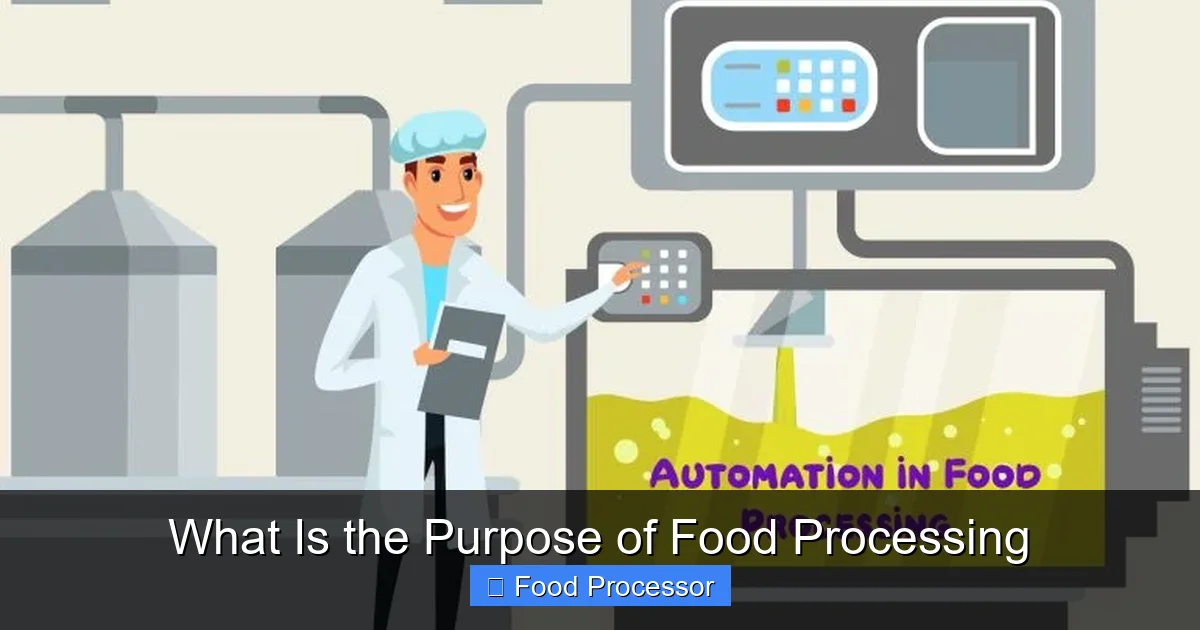
Visual guide about What Is the Purpose of Food Processing
Image source: foodinfotech.com
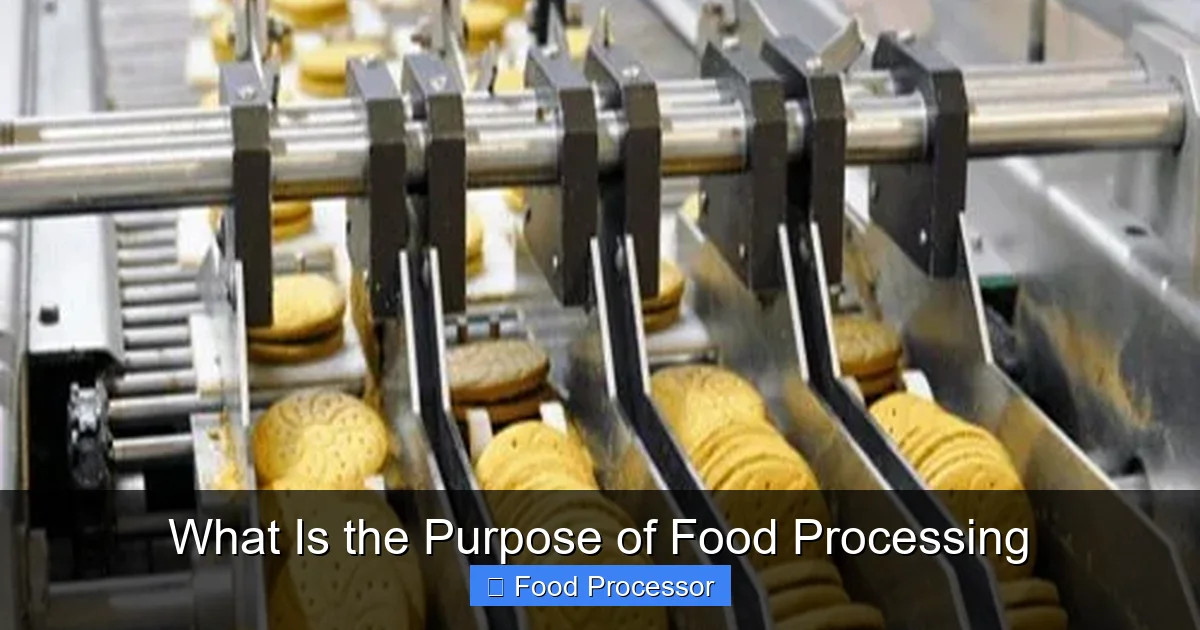
Visual guide about What Is the Purpose of Food Processing
Image source: 5.imimg.com
Processed Culinary Ingredients
These are substances derived directly from minimally processed foods, used in home or restaurant cooking.
- Examples: Vegetable oils (from olives, sunflowers), flours (from grains), sugars (from sugarcane, beets), salt.
- Purpose: To be used as ingredients to prepare meals from scratch.
Processed Foods
These are relatively simple products made by adding salt, sugar, oil, or other processed culinary ingredients to minimally processed foods.
- Examples: Canned vegetables in brine, simple cheeses, freshly baked bread (made with flour, water, salt, yeast), smoked fish.
- Purpose: To increase durability, improve palatability, or create new food items with basic ingredients.
Ultra-Processed Foods (and their considerations)
These are complex formulations made mostly or entirely from substances extracted from foods (oils, starches, proteins), derived from food constituents (hydrogenated fats, modified starches), or synthesized in laboratories (flavor enhancers, colors, emulsifiers). They often contain many additives not commonly used in home cooking.
- Examples: Soft drinks, packaged snacks (chips, cookies), ready-to-eat meals, breakfast cereals, processed meats, most fast food items.
- Purpose: To be highly palatable, convenient, and often inexpensive. Concerns often arise regarding their high caloric density, low nutrient density, and potential links to health issues when consumed in excess.
Practical Tips for Understanding Processed Foods
Navigating the world of processed foods can feel overwhelming. Here are some tips to help you make informed decisions:
Read Food Labels
The ingredient list is your best friend. Look for foods with shorter ingredient lists and ingredients you recognize. Be mindful of added sugars, excessive sodium, and unhealthy fats.
Balance is Key
It’s unrealistic for most people to avoid all processed foods. The key is balance. Prioritize whole, minimally processed foods, and consume ultra-processed foods in moderation.
Consider the “Why” Behind the Processing
Before dismissing a food because it’s “processed,” think about why it was processed. Was it for safety (like pasteurized milk)? For convenience (like frozen vegetables)? Or simply for enhanced flavor (like roasted nuts)? Understanding the purpose can change your perspective.
Addressing Common Concerns and Misconceptions
It’s true that some processed foods have a bad reputation, and for good reason, especially those high in sugar, salt, and unhealthy fats. However, it’s a mistake to paint all food processing with the same brush.
Not All Processed Foods Are “Bad”
As we’ve seen, many essential foods, like bread, cheese, and even baby formula, are processed. Frozen vegetables are processed but often just as nutritious as fresh ones. The distinction lies in the *type* and *extent* of processing, and the overall nutritional profile of the finished product.
The Role of Additives
Additives like preservatives, colorings, and flavor enhancers are often a source of concern. While some individuals may be sensitive to certain additives, many are safe and serve important functions like preventing spoilage, maintaining texture, or enhancing appeal. Regulations exist to ensure their safe use. However, a diet high in foods with many artificial additives might signal a need to balance with more whole foods.
Balancing Benefits and Risks
The purpose of food processing is multifaceted. It offers tremendous benefits in terms of safety, availability, and convenience. Yet, an over-reliance on highly processed foods can have nutritional drawbacks. The goal isn’t to demonize all processing but to understand its role and make choices that support a healthy, balanced diet. Embrace the benefits of processing while being mindful of potential downsides.
Conclusion
Food processing is a fundamental and often invisible force that shapes our modern diet and global food system. From the simple act of washing vegetables to complex industrial operations, its purposes are numerous and essential. It safeguards our health by eliminating pathogens, extends the life of perishable goods, and makes food accessible across seasons and continents. It also offers the convenience that fits our busy lives and can even boost nutritional value through fortification.
Understanding the various levels and importance of food processing empowers you to make more informed decisions about the foods you choose. It’s not about avoiding all processed foods, but rather about appreciating the vital roles they play and distinguishing between minimally processed, nutrient-rich options and ultra-processed foods that should be consumed in moderation. Next time you reach for a packaged item, take a moment to consider the incredible journey it has taken and the many purposes that food processing fulfills.
