
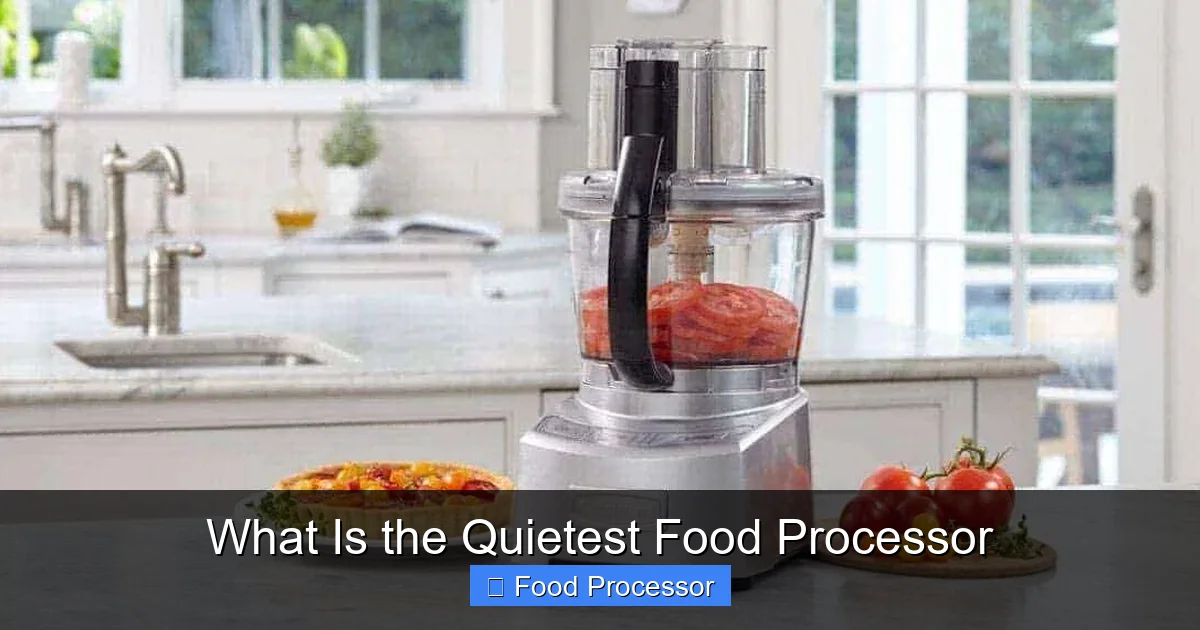
Finding the quietest food processor can transform your kitchen experience, making meal prep less disruptive. This guide will help you understand what makes a food processor quiet, from motor types and housing materials to specific models and brands renowned for low noise levels. Learn how to choose a powerful yet peaceful appliance that fits your cooking needs.
When you’re whipping up a culinary masterpiece, the last thing you want is a kitchen appliance that sounds like a jet engine taking off. Food processors are incredibly useful tools, but let’s face it, they can be noisy. If you’ve ever dreamt of a more peaceful food prep experience, you’re in the right place. This guide is all about helping you discover what is the quietest food processor on the market and how to make an informed choice that brings peace to your kitchen.
We’ll dive into the mechanics of why some food processors are louder than others, explore the features that contribute to a quieter operation, and highlight brands known for their hushed performance. By the end of this guide, you’ll be equipped with all the knowledge you need to select a powerful yet quiet food processor that allows you to chop, slice, shred, and purée without all the racket.
Key Takeaways
- Motor and Design are Crucial: Look for food processors with induction motors and robust, heavy housing materials, as these significantly contribute to quieter operation.
- Decibel Ratings & User Reviews: While not always readily available, a low decibel (dB) rating is a strong indicator. User reviews often provide invaluable real-world feedback on a food processor’s noise level.
- Reputable Brands Matter: Brands like Cuisinart, KitchenAid, and Magimix are frequently cited for producing models with quieter performance due to their engineering and build quality.
- Stability Equals Less Noise: A heavy, stable base with non-slip features helps to absorb vibrations, preventing the appliance from “walking” and reducing overall operational noise.
- Proper Usage and Maintenance: Avoiding overloading, keeping blades sharp, and placing the food processor on a stable, sound-absorbing surface are simple steps to minimize noise during use.
- Consider Beyond Noise: While noise is a key factor, also evaluate capacity, motor power, available attachments, ease of cleaning, and overall durability to ensure the quietest food processor meets all your culinary needs.
Understanding Food Processor Noise: The Science of Sound
Before we can find the quietest food processor, it helps to understand *why* they make noise in the first place. The sound from a food processor primarily comes from two sources: the motor and the vibration it creates.
The Decibel (dB) Scale Explained
Noise is measured in decibels (dB). It’s a logarithmic scale, meaning a small increase in decibels represents a much larger increase in noise intensity. For example, 70 dB is considered loud, like a vacuum cleaner, while 60 dB is more like normal conversation. A quiet food processor would ideally operate in the 60-75 dB range, especially during heavier tasks. Some high-end models might even boast levels below 60 dB.
What Makes a Food Processor Quiet?

Visual guide about What Is the Quietest Food Processor
Image source: soundproofly.com
Several design and engineering choices differentiate a noisy food processor from a truly quiet one. Understanding these factors is key to choosing wisely.
The Heart of the Machine: Motor Type and Power
The motor is the primary source of power and, often, noise.
- Universal Motors: Most common in affordable food processors, these are powerful but tend to be louder, generating a high-pitched whine. They typically use carbon brushes which create friction and noise.
- Induction Motors: Found in higher-end and professional-grade models, induction motors are generally much quieter. They operate without brushes, leading to less friction, less heat, and significantly less noise. They are also known for their durability and consistent power delivery. If you’re looking for the quietest food processor, an induction motor is a feature you absolutely want.
Built for Silence: Housing and Design
The outer casing and internal structure play a huge role in dampening sound.
- Heavy, Robust Construction: Food processors made from heavier, high-quality materials (like cast metal bases instead of lightweight plastic) tend to absorb vibrations better, reducing noise transmission. They literally provide more mass to prevent resonance.
- Sealed Enclosures: A well-sealed motor housing and a tightly fitted bowl and lid can contain much of the motor’s operational noise. Gaps and loose parts allow sound to escape more easily.
Smooth Operator: Blade Design and Stability
Even the blades contribute to the overall sound level.
- Balanced Blades: Unbalanced blades can wobble and vibrate excessively, leading to rattling noises and inefficient processing. High-quality, precisely balanced blades cut through food more smoothly and quietly.
- Secure Blade Attachment: A blade assembly that fits snugly onto the motor shaft minimizes vibration and unnecessary noise during operation.
Grounding the Sound: Base Stability and Vibration Dampening
The stability of the appliance on your countertop is critical for a quiet food processor.
- Heavy Base: A heavier base anchors the food processor firmly, preventing it from “walking” across the counter and reducing vibration-related noise.
- Non-Slip Feet: Rubberized feet or suction cups on the base further enhance stability and absorb vibrations, keeping the unit steady and quiet.
How to Identify a Quiet Food Processor Before You Buy
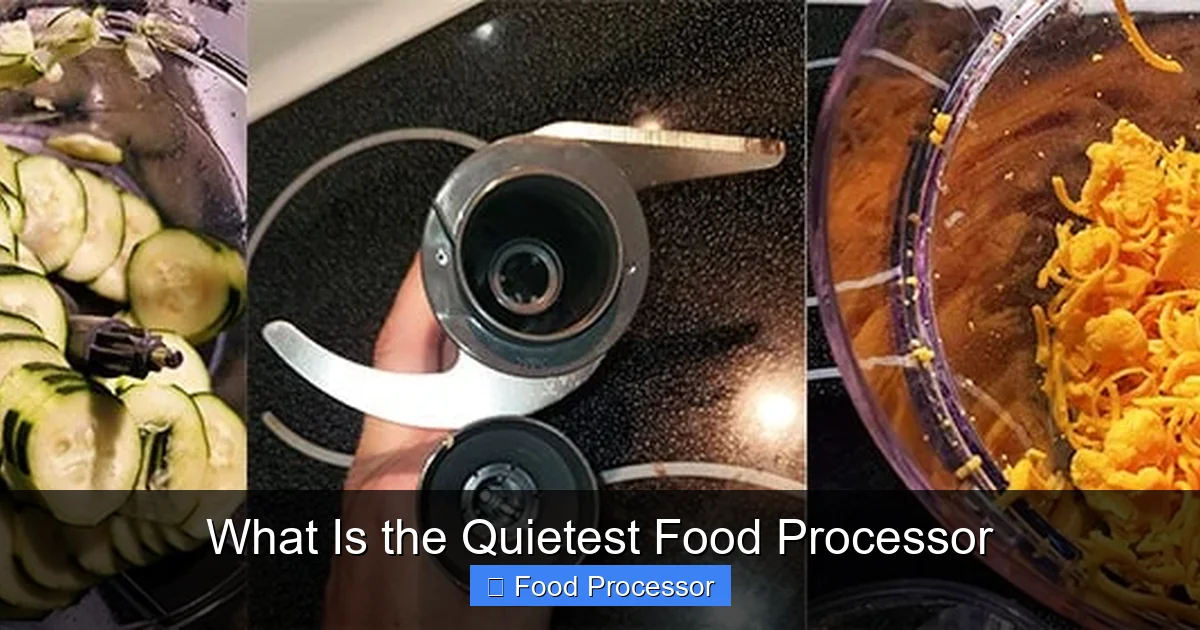
Visual guide about What Is the Quietest Food Processor
Image source: soundproofly.com
Finding the quietest food processor isn’t always as simple as checking a label. Here’s how you can do your research.
Consulting Specifications: Decibel Ratings
Some manufacturers, particularly those focusing on high-end or professional models, might list a decibel (dB) rating in their product specifications. This is the most direct way to compare noise levels. Look for lower numbers – anything below 70 dB is generally considered good for a food processor, with exceptional models dipping into the low 60s. If a rating isn’t provided, don’t worry, there are other ways to assess.
Reading Between the Lines: User Reviews and Testimonials
This is one of the most reliable methods. People are quick to complain about noisy appliances! When reading reviews, specifically look for comments related to noise. Phrases like “surprisingly quiet,” “doesn’t bother me,” or “I can still talk while it’s running” are good signs. Conversely, steer clear of models with repeated complaints about excessive noise or rattling.
Brand Reputation: Companies Known for Quiet Operation
Certain brands have invested more in noise reduction technology and high-quality components. We’ll explore some of these in the next section. Generally, brands known for durability and performance in the premium category often also prioritize quiet operation.
Hands-On Experience: In-Store Demos
If possible, visit a store where food processors are on display. While you might not be able to test them with food, turning one on for a few seconds can give you a rough idea of its motor sound. Pay attention to any high-pitched whines or excessive vibrations.
Top Food Processor Brands Known for Quieter Models
While specific models vary, some brands consistently receive praise for their quieter food processors.
Cuisinart
A household name in food processors, Cuisinart offers a range of models. Their higher-end and larger capacity units often feature powerful induction motors and robust construction that contribute to a quieter operation. While not all Cuisinart models are whisper-quiet, many users report satisfaction with the noise levels of their premium lines.
KitchenAid
Known for their iconic stand mixers, KitchenAid also produces excellent food processors. Their designs often incorporate heavy bases and sturdy materials, which help dampen noise. Many of their models are celebrated for combining powerful performance with relatively quiet use.
Magimix
A French brand, Magimix is often considered the gold standard for quiet and durable food processors. They exclusively use commercial-grade induction motors which are incredibly powerful, energy-efficient, and exceptionally quiet. If you’re seeking the absolute quietest food processor and are willing to invest, Magimix is a top contender.
Breville
Breville offers innovative and well-built kitchen appliances. Their food processors frequently feature direct-drive induction motors and heavy die-cast bases, which significantly reduce operational noise and vibration. They aim for a balance of power, features, and user comfort, including quieter performance.
Specific Features to Look for in a Quiet Food Processor
Beyond brand names, certain design elements are strong indicators of a quiet food processor.
Induction Motors: The Gold Standard
As mentioned, induction motors are your best bet for quiet operation. They run cooler, last longer, and produce a smoother, less abrasive sound compared to universal motors. Always check if a food processor boasts an induction motor if quietness is a priority.
Heavy-Duty Construction and Materials
Prioritize models with heavy bases, preferably made from die-cast metal or a very dense, high-quality plastic. The heavier the unit, the less it will vibrate, and the more sound it will absorb.
Smart Design: Rubber Feet and Suction Cups
These small details make a big difference. Rubber feet or suction cups effectively grip the countertop, preventing the food processor from vibrating excessively and “walking” around during use. This simple feature significantly contributes to a quieter experience.
Sealed Bowls and Secure Lids
A well-designed bowl and lid system that seals tightly helps contain internal motor noise and the sound of food being processed. Look for lids that lock securely into place and bowls that fit snugly onto the base.
Practical Tips to Reduce Food Processor Noise at Home
Even if you don’t own the quietest food processor, there are ways to minimize its sound during use.
Strategic Placement
Place your food processor on a sturdy, flat surface. Avoid placing it near walls or in corners, as these can amplify sound. A kitchen island or a spacious countertop away from reflective surfaces is ideal.
Don’t Overload
Overloading your food processor forces the motor to work harder, generating more strain and noise. Process ingredients in smaller batches to allow the motor to operate more efficiently and quietly.
Keep it Sharp
Dull blades struggle to cut through food, causing the motor to strain and the appliance to vibrate more. Regularly check your blades for sharpness. Sharp blades cut cleanly and quickly, reducing processing time and noise.
Regular Maintenance
Keep your food processor clean and ensure all parts are assembled correctly and securely. Loose parts can rattle, adding to the noise. If you’re ever unsure about assembly, check out a guide on how to assemble a food processor step by step.
Use a Sound-Dampening Mat
Placing a silicone mat, cork mat, or a thick kitchen towel under your food processor can absorb vibrations and significantly reduce the noise transferred to your countertop.
Beyond Noise: Other Considerations When Choosing Your Quiet Food Processor
While quiet operation is important, it’s just one piece of the puzzle. When selecting your ideal appliance, you also need to consider other key factors.
Capacity
Food processors come in various sizes, from mini choppers to large 16-cup models. Think about your typical cooking needs. A larger capacity is great for batch cooking or feeding a family, but it also takes up more counter space. Knowing how to choose the right size food processor is essential for efficiency.
Power
A powerful motor (measured in watts or horsepower) is crucial for handling tough ingredients like dough or hard vegetables. Even the quietest food processor still needs enough power to perform effectively. Generally, 600 watts and above is considered good for most tasks, with 1000+ watts being ideal for heavy-duty work.
Attachments and Accessories
Many food processors come with a range of blades and discs for slicing, shredding, grating, kneading, and more. Consider what tasks you’ll be performing most often and ensure the model you choose has the necessary accessories. The versatility of a food processor is one of the main advantages of using a food processor.
Ease of Cleaning
Removable parts that are dishwasher-safe can save you a lot of time and effort. Look for designs with minimal crevices where food can get trapped.
Durability and Warranty
A higher-quality food processor, especially one designed for quiet operation, often comes with better build quality and a longer warranty. This indicates the manufacturer’s confidence in their product’s longevity.
Price
Quieter food processors, particularly those with induction motors and heavy construction, tend to be more expensive. Set a budget, but be prepared to invest a bit more for a significantly quieter and more durable appliance.
Troubleshooting a Noisy Food Processor You Already Own
If your existing food processor has suddenly become louder, here are a few things to check before deciding to upgrade to the quietest food processor you can find:
Loose Parts
Ensure the bowl, lid, and blade assembly are all securely locked into place. A loose component can cause rattling and increased noise.
Overloading
As mentioned, pushing too many ingredients through at once will strain the motor and make it work harder and louder. Try processing in smaller batches.
Worn Motor or Bearings
If your food processor is old and consistently making a grinding or squealing noise, it might be a sign of a worn motor or bearings. Unfortunately, these repairs can sometimes be as costly as a new unit. If your blade is spinning poorly or not at all, you might also want to investigate why your food processor blade is not spinning, as this can also indicate internal issues.
Conclusion
Finding the quietest food processor is absolutely achievable with the right knowledge and a bit of research. By prioritizing models with induction motors, robust construction, stable bases, and positive user reviews regarding noise, you can significantly reduce the decibel levels in your kitchen.
Remember to consider your overall cooking needs – capacity, power, and accessories – alongside noise levels to find the perfect blend of performance and peaceful operation. Investing in a quality, quiet food processor isn’t just about reducing noise; it’s about enhancing your entire cooking experience, making meal prep a more enjoyable and less disruptive activity for everyone in your home. Happy chopping, slicing, and dicing, quietly!
