
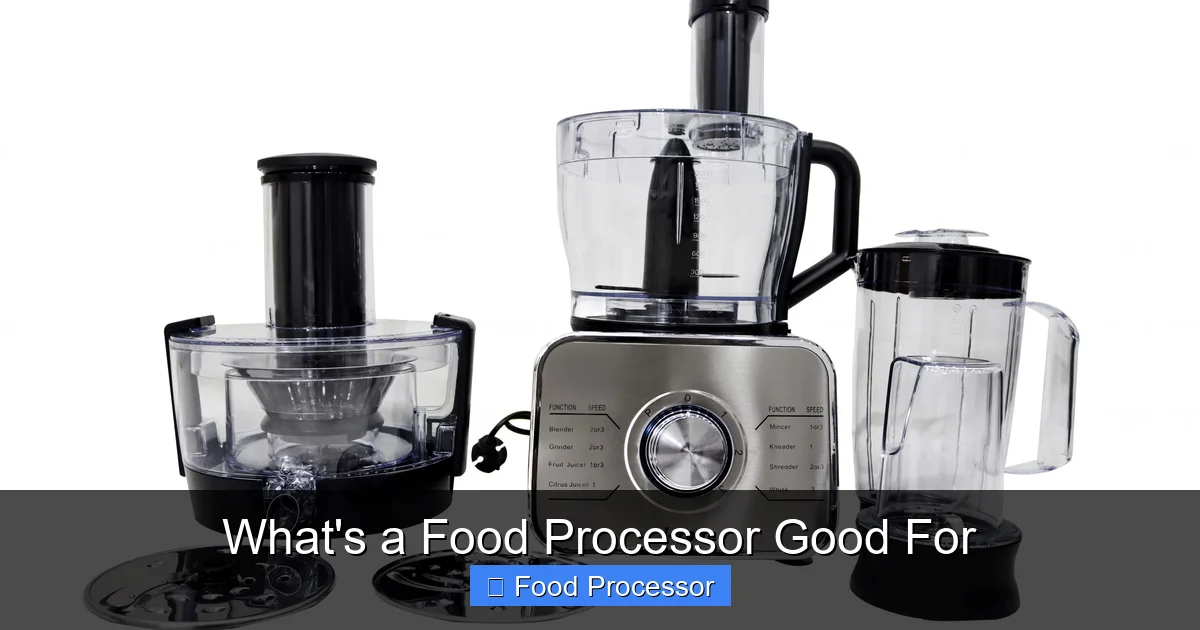
A food processor is an incredibly versatile kitchen appliance designed to simplify numerous cooking tasks, from chopping vegetables to kneading dough. It saves significant time and effort, making meal preparation faster and more efficient. Understanding “what’s a food processor good for” will empower you to tackle complex recipes with ease and unlock new culinary possibilities, transforming your kitchen experience.
What’s a Food Processor Good For
Ever wondered if that kitchen gadget collecting dust in the back of your cupboard is actually a secret weapon for your cooking? We’re talking about the trusty food processor! This powerhouse appliance is so much more than just a fancy chopper. If you’ve been curious about “what’s a food processor good for,” you’ve come to the right place. This guide will take you through all the incredible tasks your food processor can handle, transforming your meal prep from a chore into a joy.
A food processor is a multi-functional kitchen tool equipped with various blades and discs, designed to automate and speed up repetitive tasks like chopping, slicing, shredding, mixing, and pureeing. It’s built to handle both solid and semi-solid foods, making it incredibly versatile. Whether you’re a seasoned chef or a beginner cook, understanding the full potential of your food processor can revolutionize how you approach cooking. Let’s dive in and unlock its full capabilities!
Key Takeaways
- Time-Saving Efficiency: A food processor dramatically reduces manual effort for chopping, slicing, and shredding, cutting down meal prep time significantly.
- Versatility in the Kitchen: Beyond basic chopping, it excels at pureeing, emulsifying, making dough, grinding nuts, and creating various dips and spreads.
- Consistency and Precision: Achieve uniform results in slicing, dicing, and mincing ingredients, which is crucial for professional-looking dishes and even cooking.
- Enhanced Culinary Creativity: With a food processor, you can easily experiment with homemade sauces, nut butters, and specialized flours, expanding your cooking repertoire.
- Dough Making Made Easy: It quickly combines ingredients and kneads dough for bread, pizza, or pastry, saving your arms from strenuous labor.
- Batch Cooking and Meal Prep: Ideal for preparing large quantities of ingredients, making it an invaluable tool for batch cooking and efficient meal planning.
The Core Capabilities of Your Food Processor
Let’s explore the primary functions that make a food processor an indispensable kitchen tool. You’ll be amazed at how many different dishes and ingredients it can handle.
Chopping, Mincing, and Dicing with Ease
This is arguably the most well-known function of a food processor, and for good reason! Say goodbye to tedious knife work and teary eyes from chopping onions. Your food processor can tackle a pile of vegetables in mere seconds.
- How it works: Use the S-blade (also known as the chopping or universal blade). Place ingredients in the work bowl, secure the lid, and pulse until you reach your desired consistency.
- Perfect for:
- Onions, Garlic, and Herbs: Finely mince these aromatics for sauces, stir-fries, and marinades. Pulse just a few times for coarse chops or longer for a fine mince.
- Vegetables for Salads and Soups: Quickly chop carrots, celery, bell peppers, and other hard vegetables for salads, mirepoix, or hearty soups.
- Nuts: Chop nuts for baking, toppings, or savory dishes without the mess of manual chopping.
- Breadcrumbs: Transform stale bread into fresh breadcrumbs in seconds. This is a fantastic way to reduce waste.
- Practical Tip: Don’t overload the bowl. Process ingredients in batches for more even results. Pulsing is key – short bursts give you more control than continuous processing, preventing ingredients from turning into a puree when you just want a chop.
Slicing and Shredding Like a Pro
Many food processors come with reversible slicing and shredding discs that sit on top of the S-blade. These discs can save you an enormous amount of time when preparing large quantities of food.
- How it works: Remove the S-blade and insert the desired slicing or shredding disc onto the central spindle. Place ingredients in the feed tube and use the food pusher to guide them through.
- Perfect for:
- Shredding Cheese: Forget pre-shredded cheese! Your food processor can shred blocks of cheddar, mozzarella, and other semi-hard cheeses in a flash, often yielding better flavor and melt.
- Slicing Vegetables: Uniformly slice potatoes for gratins, cucumbers for salads, or cabbage for coleslaw. Some models even offer different thickness settings. If you’re often preparing ingredients for large salads or meal prep, you might even consider researching the best food processor for slicing vegetables.
- Shredding Cabbage for Slaw: Make homemade coleslaw in minutes.
- Creating Zucchini Noodles or Ribbons: With specific attachments or precise slicing, you can create vegetable “noodles.”
- Practical Tip: For consistent slices, try to cut your ingredients to fit snugly in the feed tube. Apply steady, even pressure with the food pusher.
Pureeing and Blending Smoothly
While a blender excels at liquids, a food processor is fantastic for thicker purees and emulsions, especially those with less liquid content.
- How it works: Use the S-blade. Process until smooth, adding liquids slowly through the feed tube if needed.
- Perfect for:
- Hummus and Dips: Creamy hummus, vibrant pesto, chunky salsas, and smooth spreads like baba ghanoush are all effortless.
- Baby Food: Make healthy, homemade baby food by pureeing cooked fruits and vegetables.
- Smooth Soups: While a blender is often preferred for very hot liquids, a food processor can puree cooked vegetables for creamy soups, especially if you let them cool slightly first.
- Sauces: Create rich tomato sauces, creamy salad dressings, or smooth gravies.
- Practical Tip: When pureeing, start with solid ingredients and gradually add any liquids required by your recipe. This helps the blades catch everything evenly.
Making Dough and Pastry
One of the most surprising and time-saving uses for a food processor is making dough. It takes the hard work out of kneading and mixing.
- How it works: Use the S-blade. Add dry ingredients, then pulse in cold butter (for pastry) or liquids (for bread dough) until just combined or a dough ball forms.
- Perfect for:
- Pie Crusts and Pastry Dough: The cold butter technique is perfect here. The food processor quickly cuts butter into flour without overworking the dough, resulting in flaky crusts.
- Bread Dough: Many yeast bread recipes can be mixed and partially kneaded in a food processor, saving your arms. It’s a fantastic tool to prepare dough for pizzas, focaccia, or even artisanal loaves.
- Cookie Dough: Quickly bring together ingredients for various cookie doughs, especially those with solid fats.
- Practical Tip: For pastry dough, use very cold butter cut into cubes. Pulse briefly to avoid over-processing. For bread dough, add liquids slowly through the feed tube while the machine is running until the dough forms a ball.
Emulsifying Dressings and Sauces
Creating stable emulsions like mayonnaise or vinaigrettes can be tricky by hand, but a food processor makes it a breeze.
- How it works: Use the S-blade. With the machine running, slowly drizzle oil or other liquids through the feed tube into the other ingredients until an emulsion forms.
- Perfect for:
- Mayonnaise: Homemade mayonnaise is far superior to store-bought, and your food processor makes it effortless.
- Vinaigrettes: Quickly emulsify oil, vinegar, and seasonings for a creamy, well-combined dressing.
- Hollandaise Sauce: A traditionally finicky sauce becomes achievable with consistent drizzling.
- Practical Tip: The key to successful emulsification is adding the liquid (usually oil) very slowly in a thin, steady stream while the food processor is running.
Grinding and Milling
Did you know your food processor can act like a mini-mill or grinder for certain ingredients?
- How it works: Use the S-blade. Process dry, hard ingredients until they reach your desired fineness.
- Perfect for:
- Making Oat Flour: Turn rolled oats into fine oat flour for gluten-free baking.
- Grinding Spices: While a spice grinder is ideal for whole spices, a food processor can handle larger quantities of tougher spices like peppercorns (in batches).
- Creating Nut Flours: Make almond flour or other nut flours by processing blanched nuts. Be careful not to over-process, or you’ll end up with nut butter!
- Crushing Cookies/Crackers: Make crumb crusts for cheesecakes or pies.
- Practical Tip: Ensure ingredients are completely dry. Work in batches to avoid overheating the motor and to achieve a more consistent grind.
Whipping Up Nut Butters and Spreads
Making your own nut butter is not only healthier but also incredibly satisfying. Your food processor is the perfect tool for the job.
- How it works: Use the S-blade. Process roasted nuts continuously. Initially, they will chop, then turn into a coarse meal, then a sticky ball, and finally a smooth, creamy butter. This can take 5-10 minutes.
- Perfect for:
- Peanut Butter: Roasted peanuts transform into delicious, homemade peanut butter. If you’re a big fan of this, you might even want to look into the best food processor for peanut butter specifically.
- Almond Butter: Similarly, almonds yield a rich, flavorful almond butter.
- Cashew Butter: Cashews become wonderfully creamy.
- Seed Butters: Experiment with sunflower or pumpkin seed butter for an allergen-friendly option.
- Practical Tip: Be patient! The process takes time, and you might need to scrape down the sides of the bowl a few times. Adding a touch of oil can help with consistency if the nuts are particularly dry.
Making Breadcrumbs and Crumb Toppings
Don’t throw away stale bread! Your food processor can give it a new life as flavorful breadcrumbs or crunchy toppings.
- How it works: Use the S-blade. Tear stale bread into smaller pieces and pulse until you reach your desired consistency, from coarse crumbs to fine meal.
- Perfect for:
- Fresh Breadcrumbs: Ideal for breading cutlets, topping casseroles, or mixing into meatballs.
- Panko-style Crumbs: If you dry your bread first, you can get a lighter, crispier crumb.
- Cookie Crumbs: For pie crusts or dessert toppings.
- Practical Tip: For even crumbs, make sure the bread is uniformly dry. You can toast fresh bread slices in the oven at a low temperature to dry them out before processing.
Creating Delicious Dips and Spreads
From party appetizers to everyday sandwich enhancers, your food processor makes quick work of creamy, flavorful dips and spreads.
- How it works: Use the S-blade. Combine all ingredients and process until smooth or chunky, depending on the recipe.
- Perfect for:
- Pesto: Fresh basil, garlic, pine nuts, Parmesan, and olive oil come together for a vibrant sauce.
- Salsa: Control the chunkiness of your homemade salsa for tacos, chips, or burritos.
- Guacamole: While many prefer chunky guacamole, a quick pulse can speed up the process.
- Bean Dips: Black bean dips, white bean dips, or refried beans can be made extra smooth and creamy.
- Practical Tip: Add harder ingredients first, then softer ones, and finally liquids, to ensure everything processes evenly.
Troubleshooting Common Food Processor Issues
Even with such a versatile tool, you might run into a few common hiccups. Here’s how to handle them:
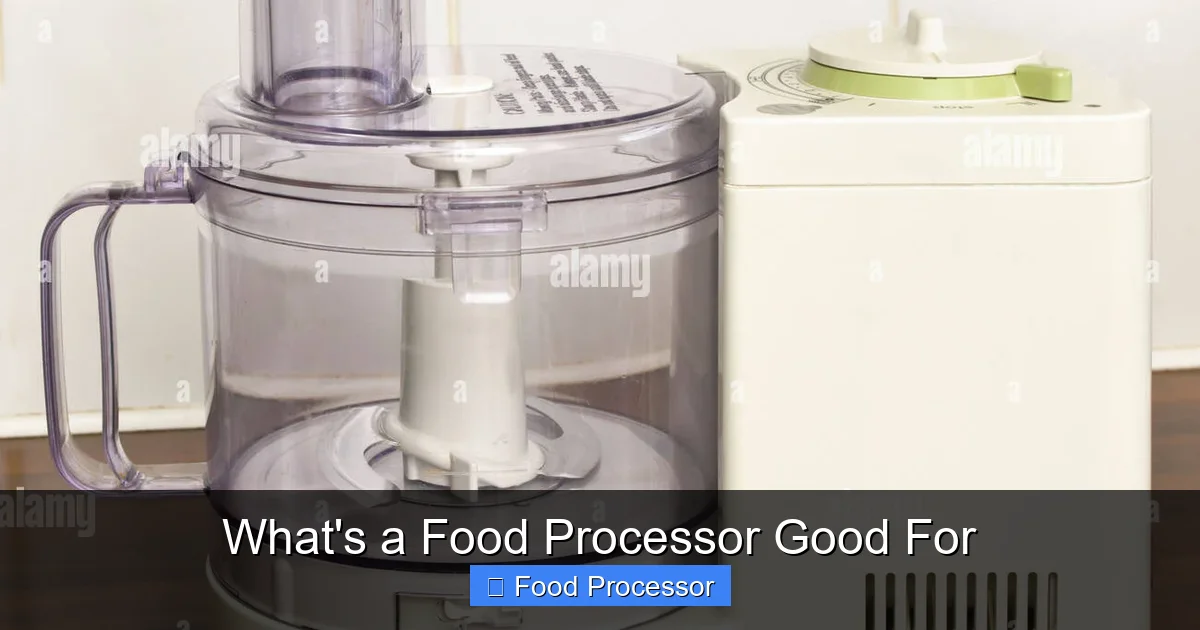
Visual guide about What’s a Food Processor Good For
Image source: c8.alamy.com
Unevenly Processed Ingredients
- Problem: Some pieces are perfectly chopped, while others are still large, or some are pureed while others are barely touched.
- Solution:
- Don’t Overload: Too many ingredients prevent the blades from circulating properly. Process in smaller batches.
- Cut Evenly: Start with ingredients cut into roughly similar sizes.
- Use the Pulse Function: Short bursts give you more control and allow ingredients to fall back towards the blade for more even processing.
- Scrape Down Sides: Periodically stop and scrape down the sides of the bowl to push unprocessed ingredients towards the blades.
Liquid Leaking from the Bowl
- Problem: Liquid seeps out between the lid and the bowl, or from the bottom.
- Solution:
- Check Fill Line: Most food processor bowls have a maximum liquid fill line. Do not exceed this.
- Ensure Lid is Secure: Make sure the lid is properly locked into place.
- Inspect Gaskets/Seals: If liquid is leaking from the bottom, the seal on the S-blade or the bowl itself might be damaged or not correctly seated.
Motor Overheating or Stalling
- Problem: The motor sounds strained, gets hot, or stops working.
- Solution:
- Don’t Overload: Trying to process too much at once, or very hard ingredients, can strain the motor.
- Cut Large Ingredients: Break down larger, harder items into smaller pieces before processing.
- Give it a Break: If the motor seems to be struggling, turn it off, unplug it, and let it cool down for a few minutes.
- Check for Blockages: Ensure no ingredients are jammed around the blade or spindle.
Ingredients Sticking to the Sides
- Problem: Dough or sticky mixtures cling to the sides of the bowl, away from the blades.
- Solution:
- Scrape Regularly: Stop the machine and use a spatula to scrape down the sides, pushing ingredients back towards the blade.
- Add a Little Liquid: For very dry or sticky mixtures (like nut butter), a small amount of oil or water might help create a smoother consistency that moves better.
Understanding these simple fixes will help you get the most out of your food processor and ensure it continues to be a reliable kitchen assistant. For those looking to make the most of their appliance, exploring what are the advantages of a food processor can further highlight its benefits in your daily cooking.
Conclusion
The food processor is truly one of the most versatile and valuable kitchen appliances you can own. From the simplest tasks like chopping an onion to more complex preparations like kneading dough or making homemade nut butter, it streamlines your cooking process and opens up a world of culinary possibilities. Hopefully, this guide has given you a clear answer to “what’s a food processor good for” and inspired you to put yours to good use.
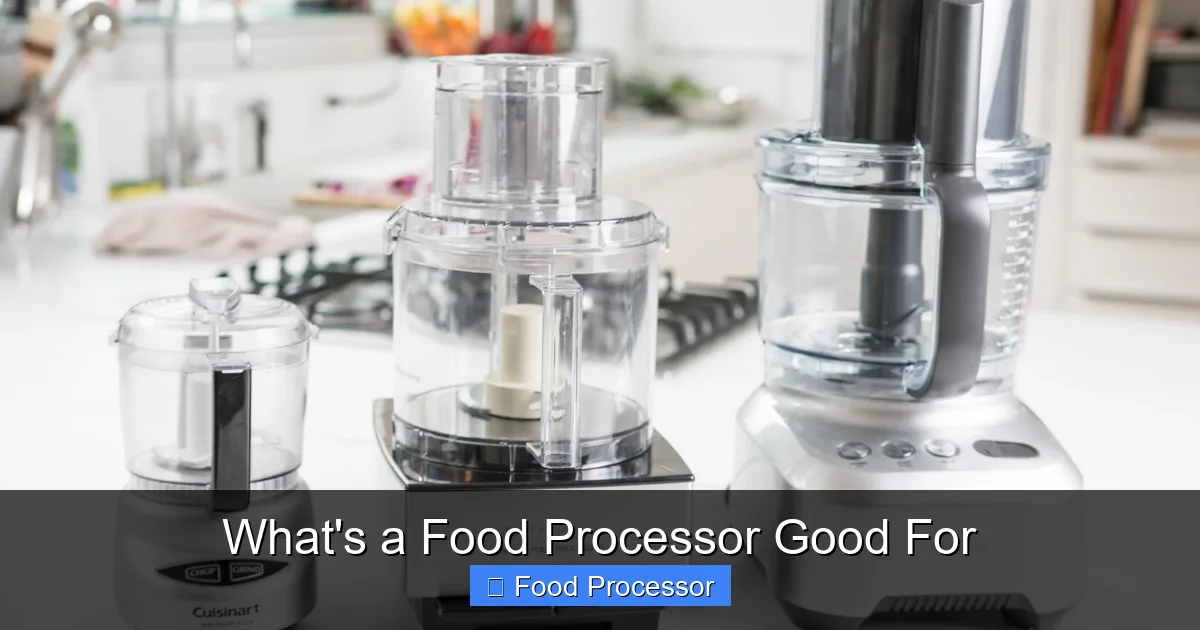
Visual guide about What’s a Food Processor Good For
Image source: storables.com
No more tedious hand-chopping or laborious mixing! Embrace the efficiency and consistency that a good food processor offers. It’s an investment that pays off in saved time, reduced effort, and expanded cooking horizons. Whether you’re making a quick weeknight dinner or preparing a feast for friends, your food processor is ready to be your most reliable kitchen assistant. If you’re new to the world of food processors, understanding which food processor is best for meal prep beginners can be a great starting point for enhancing your kitchen efficiency.
