

Use simple hand tools and smart techniques to chop, blend, and mix without a food processor.
I’ve cooked for years without a food processor, and I can show you practical, tested ways to get the same results by hand or with common kitchen tools. This guide covers exactly what to do if you don't have a food processor, from tools and techniques to recipes, troubleshooting, and buying alternatives. Read on for step-by-step methods, time-saving hacks, and real-life tips that make lack of a food processor feel like a minor inconvenience rather than a roadblock.

Why you might want to know what to do if you don't have a food processor
A food processor is handy. But many homes don’t have one. Small kitchens, tight budgets, and simple cooking styles mean people often ask what to do if you don't have a food processor. Knowing alternatives saves time and money. It also helps you cook more often and with less clutter. I’ve done countless meals with no food processor and learned shortcuts that actually improved my skills.

Essential tools that replace a food processor
You can mimic many food processor jobs with easy tools. Here are reliable replacements and what they do best.
- Chef's knife — Good for chopping, mincing, and making pastes when you scrape and press the ingredients.
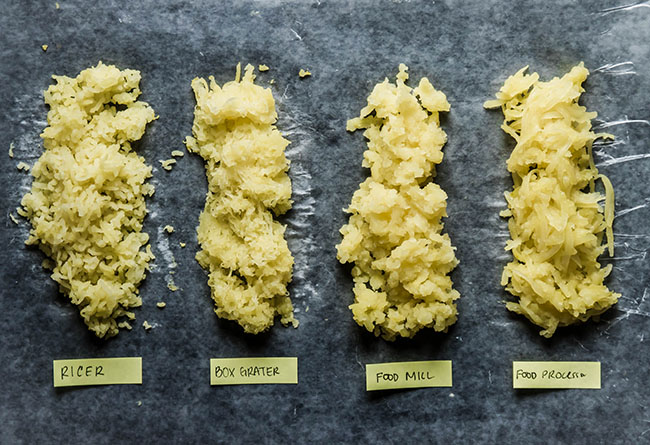
- Box grater — Great for shredding cheese, veggies, and soft fruits quickly.
- Mortar and pestle — Perfect for grinding spices, garlic, and small batches of pesto or guacamole.
- Blender — Works for sauces, smoothies, and some purees; use small batches and pulse.
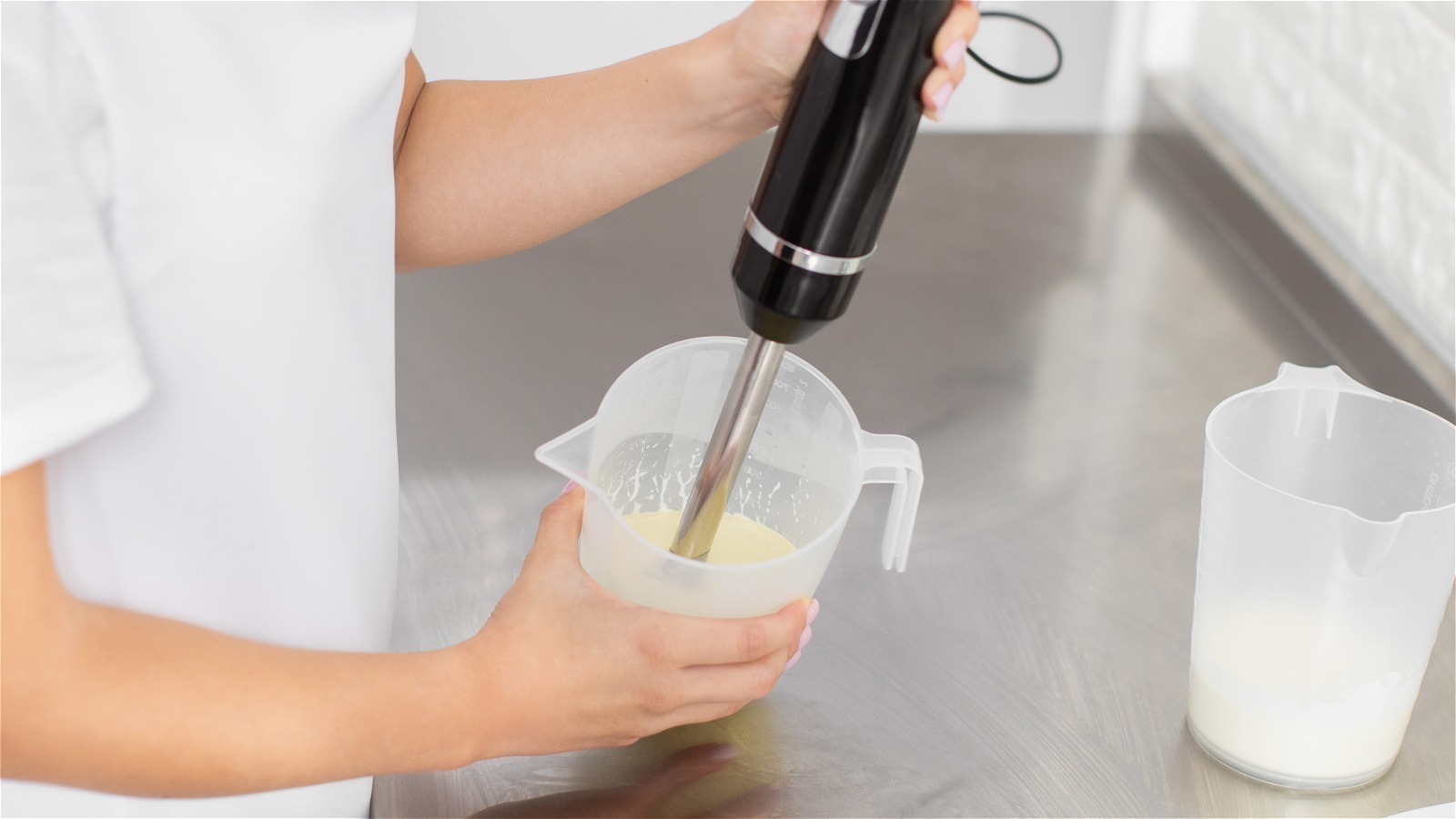
- Immersion blender — Handy for soups, sauces, and emulsions in a deep container.
- Microplane zester — For fine grating and bright citrus flavor without big pieces.
- Rolling pin and sealed bag — Crush nuts, cookies, and crackers into crumbs.
- Cheesecloth or fine sieve — For straining, squeezing, and making nut milk or fine purées.
Each tool has limits, but combined, they cover most food processor tasks. From my experience, a sharp chef’s knife plus one hand tool replaces a lot of machine jobs.
Techniques to mimic a food processor
Knowing the right technique matters more than having a machine. These techniques help you reach the right texture.
- Chop and scrape — Chop ingredients thinly, then gather and rock the knife over them to mince further.
- Pound and press — Use a mortar and pestle or the back of a spoon to make pastes like garlic-ginger or herb blends.
- Pulse with a blender — Run short bursts to avoid over-processing and to keep texture.
- Grate then mash — Grate firm items and then press with a fork or potato masher for even spreadable textures.
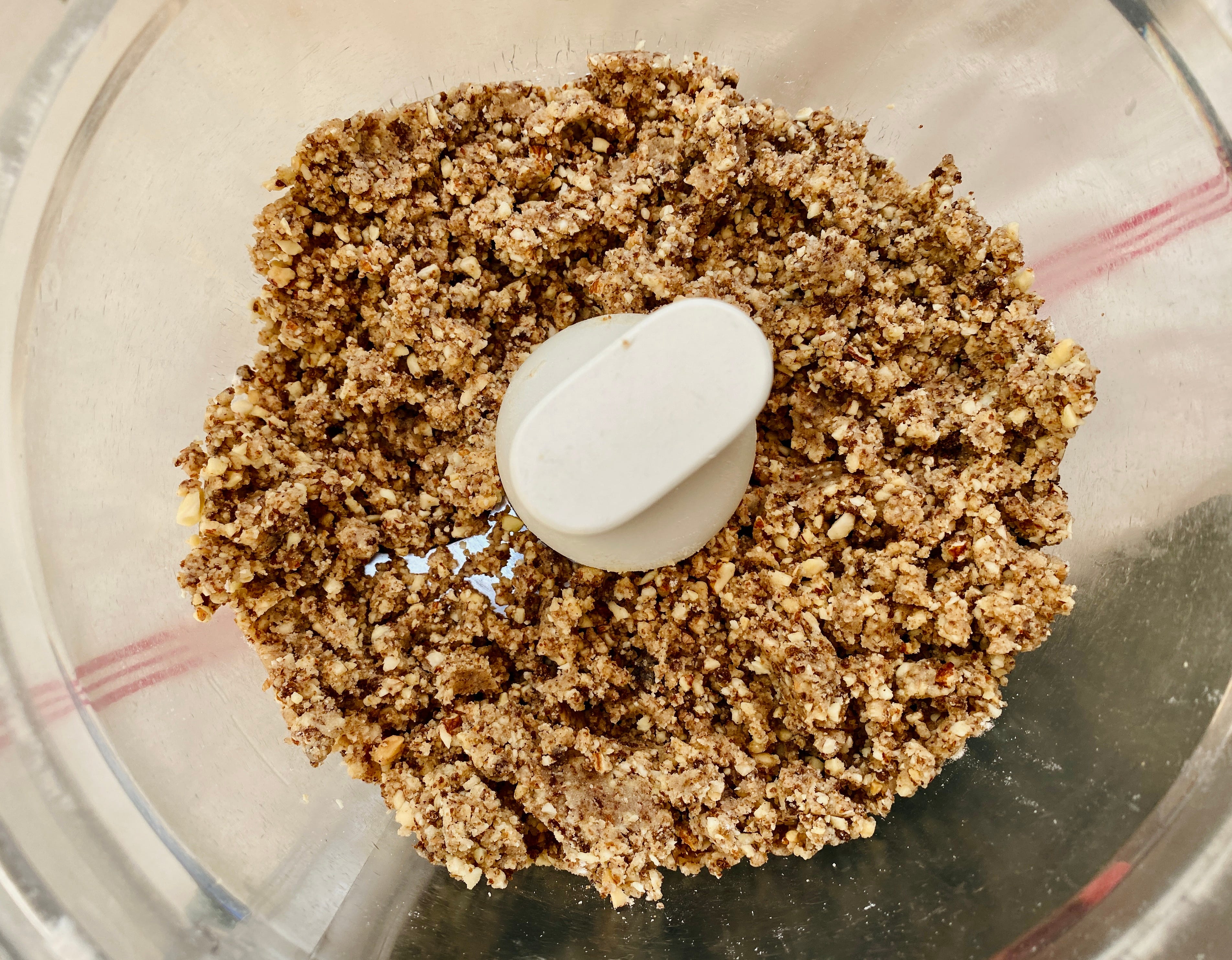
- Layer and pack — For quick nut butter, heat nuts briefly, then jar and mash with a spoon while warm.
- Use a towel to wring — For excess moisture in grated zucchini or cucumber, wrap and squeeze to prevent watery mixtures.
These methods work for sauces, dressings, dips, and doughs. I learned that controlled, short actions give better texture than nonstop blending.

Common recipes and how to make them without a food processor
Here are practical swaps for popular recipes that usually call for a food processor.
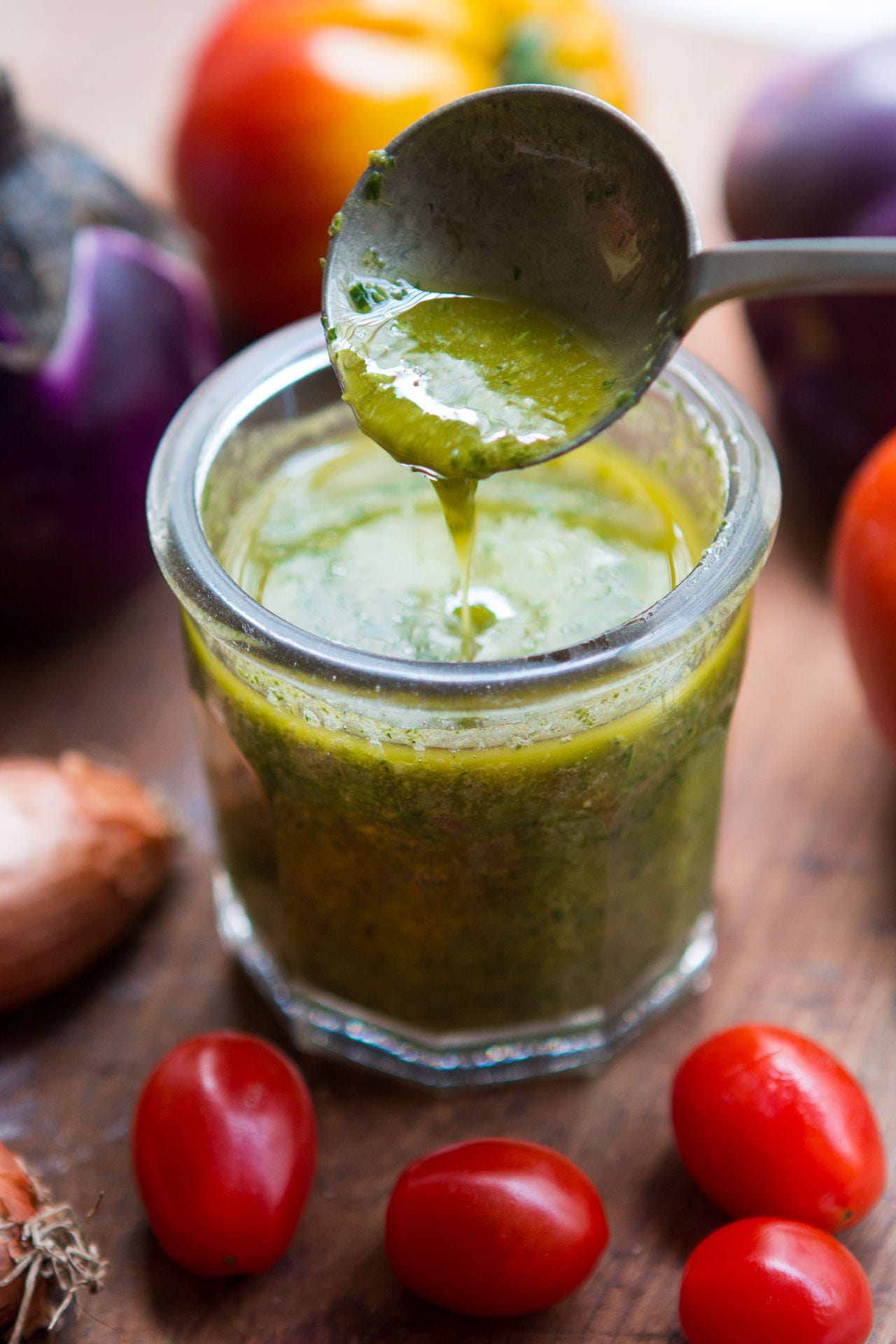
- Pesto — Use a mortar and pestle or finely chop basil, garlic, and nuts, then whisk with oil and cheese.
- Hummus — Blend cooked chickpeas with a fork or potato masher, then whisk with tahini, lemon, and olive oil for a chunkier, rustic hummus.
- Salsa — Finely dice tomatoes, onions, and peppers with a knife. Combine and let rest to marry flavors.
- Nut butter — Roast nuts, then chop finely and press with a wooden spoon or use a high-quality blender in short bursts.
- Cauliflower rice — Grate cauliflower on a box grater or finely chop with a knife.
- Cookie crumbs — Place cookies in a sealed bag and crush with a rolling pin.
- Smoothies and soups — Use a blender or immersion blender in batches for smoothness.
If a recipe says “pulse,” make short, repeated motions or chops instead. I once made almond butter for a week using only a blender and warm air; it took time but tasted great.
Time-saving tips and batch strategies
You can save time even without a food processor. These strategies help you be efficient.
- Prep in batches — Chop herbs, grate cheese, and toast nuts for several meals at once.
- Use heat smartly — Warm nuts and beans slightly to soften them for easier mashing or blending.
- Freeze and thaw — Slightly frozen produce can be easier to grate and handle.
- Use tools for leverage — A rocking motion with the knife saves effort when mincing.
- Clean as you go — Preventing pileups makes manual prep faster and less messy.
From experience, batch prepping once or twice a week cuts daily work by half. It’s my go-to when I don’t have a food processor.
Troubleshooting textures and consistency
Sometimes manual methods need adjustments. Here’s how to fix common texture problems.
- Too chunky — Chop finer or use a mortar and pestle to further break down ingredients.
- Too wet — Drain or squeeze excess moisture from vegetables or add a binder like breadcrumbs.
- Too coarse for spreads — Increase oil or liquid slowly while mashing to reach a smoother texture.
- Not emulsifying — Add liquid in slow steady streams while whisking vigorously to combine oils and solids.
- Burned nuts in a blender — Reduce time and pulse in short bursts to avoid hotspots.
These fixes come from trial and error. I once over-blended a sauce on high and saved it by adding a scoop of starchy water and whisking by hand.
Buying or borrowing alternatives: When to get a food processor
You may still want a food processor. Here’s how to decide and what to consider.
- Frequency — Buy one if you do a lot of prep or baking every week.
- Space and budget — Choose compact models if space or money is tight.
- Multi-function tools — A good blender or stand mixer can reduce the need for a full processor.
- Borrow or rent — Try borrowing from a friend or renting to test if you need one long-term.
If you do buy, look for models with sharp blades, multiple speeds, and dishwasher-safe parts. I bought a small unit after a year of manual prep; it cut time but didn’t replace my knife skills.

Cleaning and safety tips without a food processor
Manual prep can be messy. Keep safety and hygiene a priority.
- Use stable cutting boards — A damp towel under the board prevents slipping.
- Keep knives sharp — Sharp knives are safer and faster.
- Sanitize cutting areas — Clean boards and tools between raw meat and other foods.
- Be cautious with blenders — Secure lids tightly and avoid overfilling.
- Store tools properly — Dry and store mortar, pestle, and graters to prevent rust.
Good habits make manual prep efficient and safe. I always sharpen my knives monthly to speed up tasks and reduce slips.
Frequently Asked Questions of what to do if you don't have a food processor
How can I make hummus without a food processor?
Mash chickpeas with a fork or potato masher, then whisk in tahini, lemon juice, olive oil, and water until smooth. For creamier texture, use a blender in short pulses.
What tool best replaces a food processor for chopping?
A sharp chef’s knife is the best multipurpose replacement for chopping, mincing, and dicing with control. Practice a rocking technique to speed up work.
Can I make nut butter without a food processor?
Yes. Roast nuts, then use a blender, high-speed mixer, or mortar and pestle in short bursts, scraping down sides often until smooth. Warm nuts slightly to help release oils.
Is a blender a good substitute for a food processor?
A blender works for liquids, smoothies, and some purees, but it may struggle with dry or dense mixtures. Use pulse mode and small batches for better control.
How do I make cauliflower rice without a food processor?
Grate cauliflower on a box grater or finely chop with a knife into rice-sized pieces. Squeeze out excess moisture before cooking for firmer texture.
Conclusion
You don’t need a food processor to cook great food. With simple tools, smart techniques, and a bit of practice you can chop, blend, and mix almost anything. Try batch prepping, sharpen your knife skills, and use common kitchen tools creatively to save time and get great results. Give one technique a try this week — and if you found this helpful, leave a comment or subscribe for more practical kitchen tips.
