

Use simple tools—knife, blender, grater, mortar—to mimic a food processor quickly.
I’ve cooked in small kitchens and taught weeknight cooks how to solve real problems. This guide shows exactly what to do if you don't have a food processor. You’ll learn clear swaps, step-by-step methods, safety tips, and recipes that work without one. Read on and you’ll feel confident making sauces, doughs, and chopped mixes with tools you already own.

Quick alternatives when you don’t have a food processor
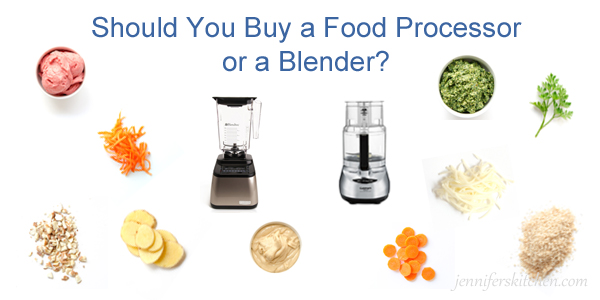
If you wonder what to do if you don't have a food processor, start by using the tools you already own. A sharp chef’s knife is your best friend. A blender can puree many items. An immersion blender works well for soups and sauces. A box grater and a microplane do fine shredding tasks. A mortar and pestle handles pastes and spice grinding.
Practical swaps:
- Knife: Chop vegetables, mince herbs, and make coarse textures.
- Blender: Puree soups, make smoothies, and blend batters in small batches.
- Immersion blender: Smooth soups, emulsify dressings, and make baby food.
- Box grater: Shred cheese, carrots, and hard vegetables.
- Mortar and pestle: Crush garlic, grind nuts, and make small pesto.
- Manual chopper: Quick repeated pulls for small batches.
- Rolling pin + bag: Crush crackers or nuts safely.
These options answer the core of what to do if you don't have a food processor. Each tool gives slightly different texture and speed. Match the tool to the job for the best result.

How to replace common food processor tasks step-by-step
Here are exact steps for common tasks so you can get the same results without a machine.
Chopping vegetables
- Use a sharp chef’s knife and a steady cutting board.
- Cut items into thin strips, then rock the knife to chop small.
- Stop and gather pieces often to keep sizes even.
Pureeing and making dips
- Use a blender for hot or wet mixes in small batches.
- For small amounts, mash cooked veggies in a bowl with a fork or potato masher.
- Use a mortar and pestle for pesto or tapenade to keep texture and flavor.
Making dough for pie crust or pastry
- Use a bowl and two knives or a pastry cutter to cut fat into flour.
- Rub fat into flour with fingertips for a rustic crust.
- Chill dough more often if your hands warm it.
Shredding and grating
- Use a box grater or microplane for cheese, carrots, or chocolate.
- For uniform slices, a mandoline works if you’re comfortable using it.
Grinding nuts and seeds
- Toast nuts first to improve flavor.
- Use a food-safe plastic bag and a rolling pin to crush.
- Or pulse in a blender in short bursts to avoid turning nuts into butter.
These methods show what to do if you don't have a food processor and still want good results. Work slowly at first. Texture gets better with practice.
Tools to keep on hand when you don’t have a food processor
Stocking a few inexpensive items changes everything. These fill the gap when you ask what to do if you don't have a food processor.
Essentials:
- Sharp chef’s knife and paring knife
- Cutting board with grip
- Box grater and microplane
– Immersion blender - Blender (high-speed or standard)
- Mortar and pestle
- Manual hand chopper or vegetable cleaver
- Pastry cutter or two knives for cutting fat
- Rolling pin and sturdy zip-top bags
These tools are small wins for busy cooks. They add speed, safety, and consistent results. I’ve used them for years in tight kitchens.

Time-saving techniques and workflow hacks
When you need to answer what to do if you don't have a food processor fast, your workflow matters. Prep smart. Batch cook when possible. Use the freezer and dry ingredients to speed things.
Smart steps:
- Trim and pre-chop vegetables in one session. Store in airtight containers.
- Use a blender for large liquid batches and a knife for dry chopping.
- Freeze citrus or herbs on baking sheets in small portions for later.
- Pulse in the blender instead of continuous blending to control texture.
- Use chilled tools for pastry work to prevent melting.
Safety tips:
- Stabilize bowls and boards with damp towels.
- Keep fingers clear of mandolines and graters.
- Use short pulses in blenders and let the motor rest to avoid overheating.
These hacks make the alternatives as painless as possible. They reduce cleanup and speed up dinner night.

Personal experiences, mistakes to avoid, and lessons learned
I once tried to blitz raw almonds in an old blender for homemade almond flour. I ended up with paste. That taught me to pulse, pause, and check texture often. I also learned to rotate batches so parts don’t overheat.
Lessons I share from decades of cooking:
- Mistake: Rushing textures. Fix: Pulse and check often.
- Mistake: Using dull knives. Fix: Sharpen knives regularly.
- Mistake: Not chilling dough. Fix: Chill between touches.
- Mistake: Overfilling blenders. Fix: Work in smaller batches.
These small shifts saved time and improved outcomes. They show practical answers to what to do if you don't have a food processor.
Recipes you can make without a food processor
You can make many favorites without a food processor. Here are easy recipes with simple methods.
Hummus without a processor
- Soak and cook chickpeas, or use canned.
- Mash with a potato masher or fork until mostly smooth.
- Stir with tahini, lemon, garlic, and olive oil. Emulsify with an immersion blender if needed.
Pesto made by hand
- Toast pine nuts lightly in a pan.
- Use a mortar and pestle to mash garlic and salt.
- Add basil leaves and nuts, grind to a coarse paste, then stir in oil and cheese.
Salsa fresca
- Finely dice tomatoes, onion, and jalapeño with a knife.
- Mix with lime, salt, and chopped cilantro.
- Let sit 10 minutes to meld flavors.
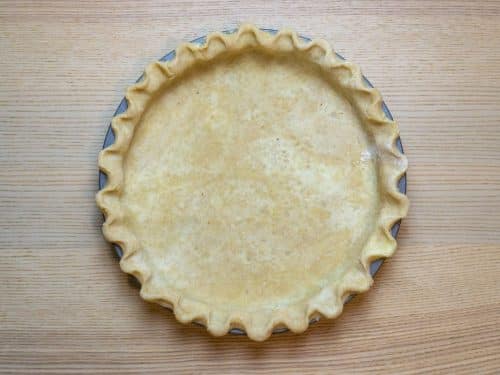
Pie crust by hand
- Cut cold butter into flour with two knives.
- Add ice water a tablespoon at a time and form dough.
- Chill thoroughly before rolling to prevent shrinking.
These show how far you can go without a food processor. Feel free to tweak textures to match your taste.
:max_bytes(150000):strip_icc()/3920154-78d5bd0c89ab4a37b1c94a715d9a8ba5.jpg)
Frequently Asked Questions of what to do if you don t have food processor
What can I use instead of a food processor?
Use a sharp knife, blender, immersion blender, box grater, or mortar and pestle depending on the task. Each tool handles different jobs well.
Can I make dough without a food processor?
Yes. Cut cold fat into flour with a pastry cutter or two knives and chill the dough often. Work quickly to keep fat cold for flaky results.
How do I make smooth purees without a processor?
Blend in a blender or use an immersion blender and strain if needed. For small amounts, mash with a fork or potato masher and then whisk.
Will using a blender change the texture of sauces?
Yes. Blenders often make a smoother, thinner texture than processors. Pulse and add liquid slowly to control thickness.
How can I grind nuts without a food processor?
Place nuts in a sturdy bag and crush with a rolling pin, or pulse in a blender in short bursts. Toast nuts first to boost flavor and reduce moisture.
Is hand chopping faster than a food processor?
Hand chopping can be slower but gives more control over texture. With practice and sharpening, you can chop quickly and evenly.
Conclusion
You now know practical answers for what to do if you don't have a food processor. Use knives, blenders, graters, and mortar-and-pestle methods to match the job. Work in small batches, pulse often, and keep tools chilled when making pastry. Small changes in prep and tool choice give great results.
Try one swap tonight and notice the difference. If this helped, leave a comment with your favorite food-processor-free trick or subscribe for more simple kitchen solutions.
