

Use simple tools: mix by hand, grate or cut fat, chill well, and use a fork, pastry cutter, or blender.
I have baked for years and taught home cooks how to make perfect dough without a food processor. If you wonder what to do if you don’t have a food processor for dough, this guide gives clear options, step-by-step methods, and tips that work for pie crusts, biscuits, pizza, and quick breads. You will learn reliable tricks I use in my own kitchen, avoid common mistakes, and get consistent results with easy tools. Read on to find the best substitute for a food processor and how to get great dough every time.

Why a food processor helps — and why you can skip it
A food processor speeds work. It chops fat fast. It blends flour and fat evenly. But the machine is not required. You can get the same texture with simple tools and good technique. Knowing what to do if you don’t have a food processor for dough will save time and stress. My experience shows that patience and cool hands beat gadgets. You can make flaky pastry and tender biscuits with no processor at all. For more on what a food processor is typically used for, check out this helpful guide.
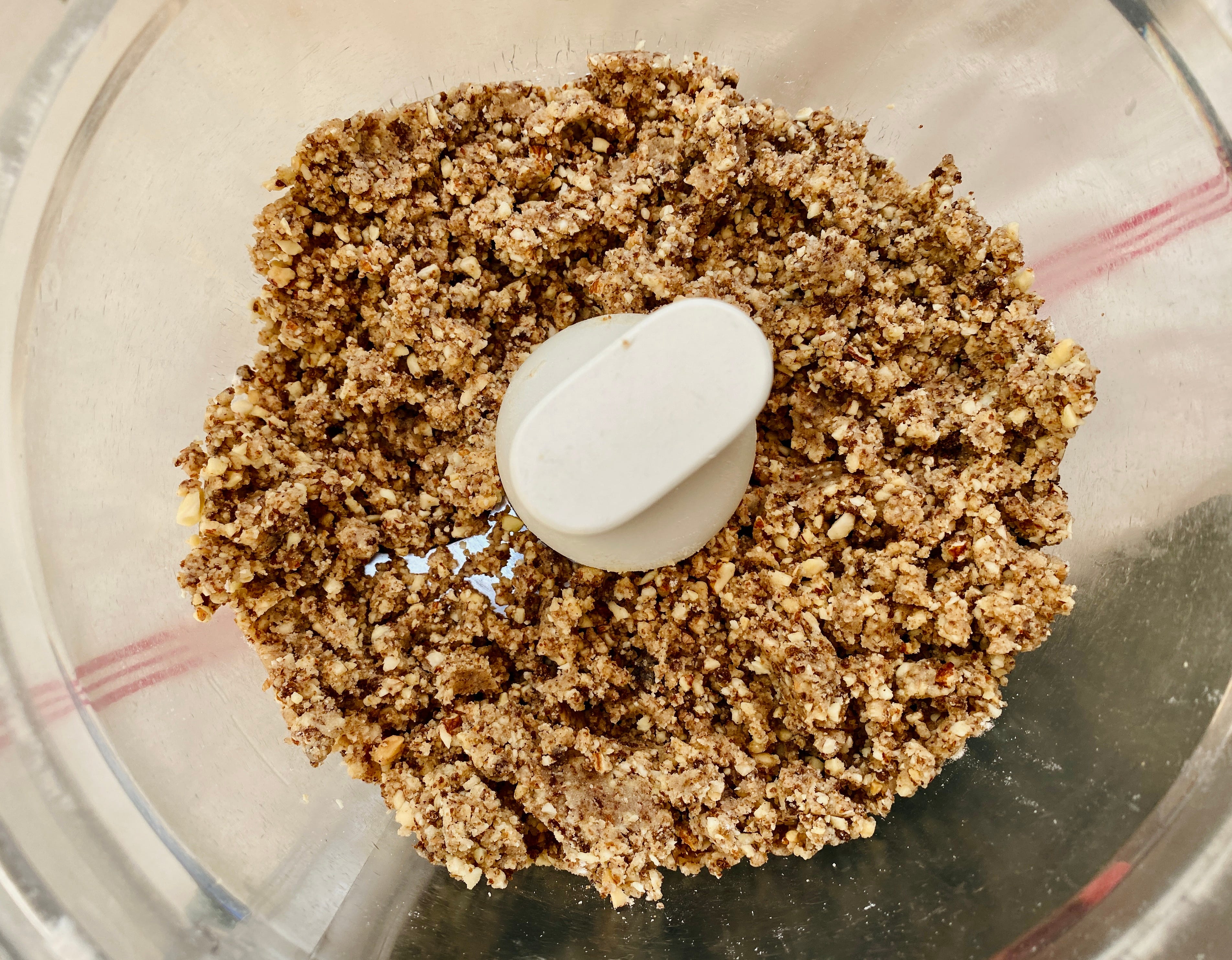
Tools and substitutes to make dough without a food processor
You likely have most of these at home. Each tool works well for different doughs. Pick the one that matches your recipe and comfort level.
- Pastry cutter or pastry blender — easiest for cutting cold butter into flour.
- Two forks — good for quick mixing and cold fat work for small batches.
- Box grater — grate very cold butter on the coarse side to create pea-sized bits fast.
- Cheese grater or microplane — use for very cold butter for flaky pastry.
- Two knives or a bench scraper — use a cross-chop motion to cut fat into flour.
- Stand mixer with paddle — a useful substitute for some doughs but use short pulses.
- Blender (pulse only) — works for small batches and quick pulses, but don’t overmix.
- Rolling pin and plastic bag — great for crushing frozen solid fat or cookies.
- Hands — rubbing fat into flour by hand works but keep everything cold.
- Cold tools and fridge/freezer — chilling helps keep fat solid and flaky.
If you need to know what to do if you don’t have a food processor for dough, start by choosing one of these tools and keep ingredients very cold.

Step-by-step methods for common doughs
Here are clear methods for the most common doughs. Each method assumes you know the recipe proportions. The main idea behind what to do if you don’t have a food processor for dough is to create small, cold fat pieces and avoid warming the mix.
Pie crust and flaky pastry
- Chill the flour and bowl in the fridge for 10–20 minutes.
- Grate cold butter on the coarse side of a box grater.
- Toss grated butter into flour, gently mix with a fork to coat.
- Add ice water by tablespoon until dough holds.
- Fold once or twice, then chill for 30–60 minutes.
Biscuits and scones
- Cut cold butter into small cubes.
- Use a pastry cutter or two knives in a scissor motion to combine with flour until pea-sized bits form.
- Add wet ingredients and mix just until dough comes together.
- Turn onto a floured board and press gently. Cut and bake immediately.
Cookies (shortbread, drop cookies)
- If recipe needs creaming, use a hand mixer or whisk.
- For shortbread, rub butter into flour with fingertips or use a fork for a dryer dough.
- Chill if dough softens, then shape and bake.
Pizza and yeast breads
- Use a stand mixer if available, or mix by hand in a large bowl.
- For kneading by hand, fold and push for 8–10 minutes until smooth.
- Use stretch-and-fold for wet doughs to develop gluten without a processor.
Quick breads and pie doughs that call for pulsing
- Pulse small batches in a blender if needed, but use short bursts.
- Combine quickly and transfer to a bowl to finish by hand.
If you wonder what to do if you don’t have a food processor for dough for any of these recipes, follow these methods and trust the tool that keeps fat cold and your hands light.

Practical tips for texture, temperature, and timing
Small shifts make a big difference. These tips are my go-to rules when I skip a food processor.
- Keep everything cold. Chill butter, flour, and bowls for best flakes.
- Work fast. Warm hands melt butter. Use a bench scraper to speed things.
- Use ice water. Add it slowly by tablespoon to avoid overhydrating.
- Aim for pea-sized fat bits for flaky pastry. Even crumbs for tender shortbread.
- Chill dough before rolling to relax gluten and firm fats.
- Don’t overmix. Stop as soon as dough holds together.
- Use a food scale. Accurate weights reduce guesswork and save time.
- For large batches, grate butter and freeze briefly to keep it cold.
When you ask what to do if you don’t have a food processor for dough, remember cold and control beat speed. These tips preserve texture and simplify your work.
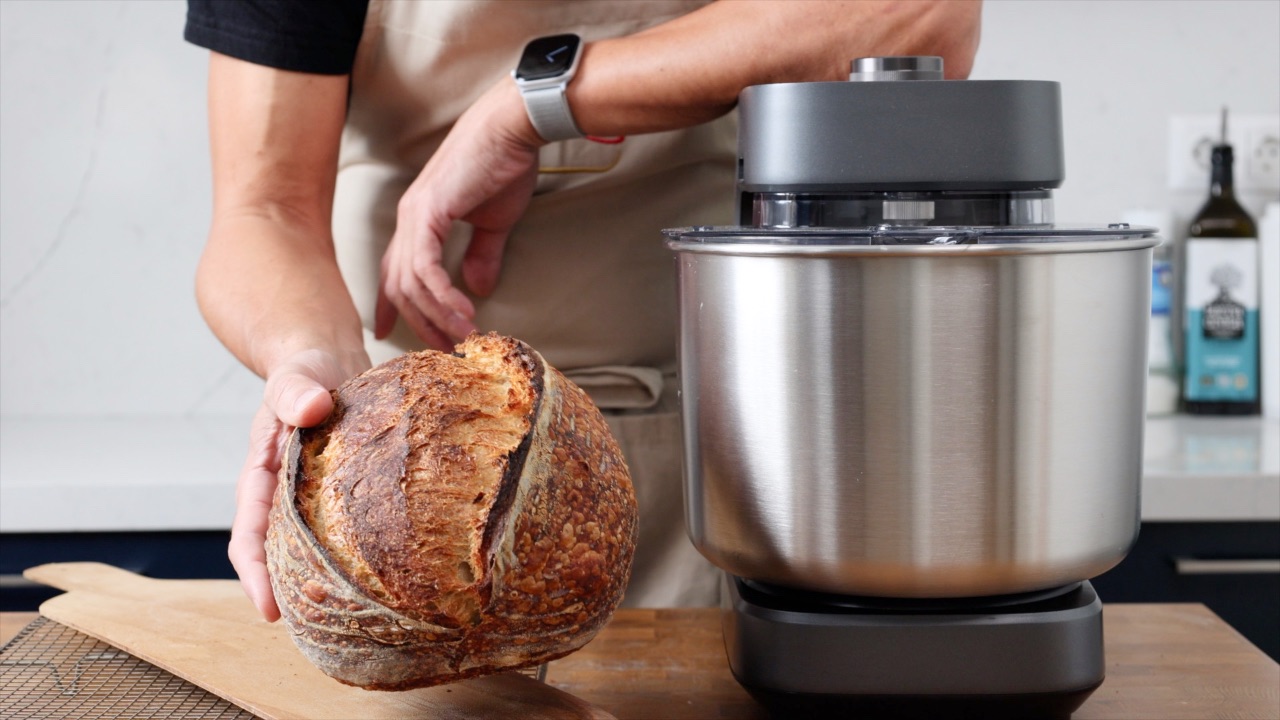
Troubleshooting common issues
Here are fast fixes for common problems you may meet when you skip a processor.
Dough too wet
- Add a tablespoon of flour at a time and gently fold until it firms. Chill for 15 minutes.
Dough tough or elastic
- You overworked it. Wrap and chill for 30 minutes. Trim rolling and handling time next round.
No flakiness in pastry
- Fat melted. Next try grating butter or work faster with chilled tools.
Crumbs but won’t bind
- Add a bit more ice water, one teaspoon at a time. Press gently to test.
Uneven fat distribution
- Use a box grater or grate frozen butter and stir gently to spread pieces.
Knowing what to do if you don’t have a food processor for dough means spotting the issue fast and using one of these fixes. I learned with trial and error that small corrections save a bake.
My real-world experience and lessons learned
I used to reach for a food processor for every pastry. Over time I learned manual methods are often better. Grating cold butter gives more control. Rubbing fat by hand builds a gentle feel for texture. I once ruined a batch by loving the machine too much; the dough turned oily and flat. After that, I tested these hand methods and found equal or better results. The key lesson: tool choice matters less than timing, temperature, and practice. If you’re asking what to do if you don’t have a food processor for dough, start with a grater and a chilled bowl. Trust your hands. For troubleshooting common food processor malfunctions, this guide offers useful insights.
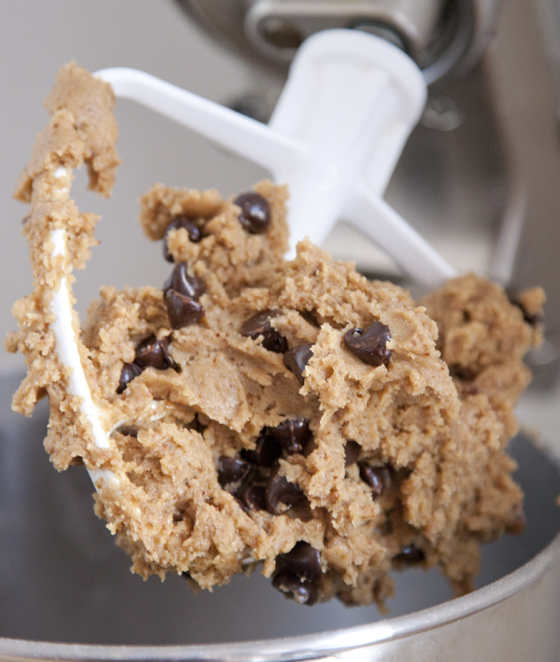
Quick checklist before you start
Use this checklist when you plan to bake without a processor.
- Chill butter, bowl, and flour.
- Choose your tool: grater, pastry cutter, or knives.
- Have ice water ready in a measuring cup.
- Use a clean bench scraper and a towel for quick work.
- Set oven and prepare pans before final mixing.
This checklist covers essentials for what to do if you don’t have a food processor for dough and keeps your bake on track.
Frequently Asked Questions of what to do if you don’t have a food processor for dough
How can I cut butter into flour without a food processor?
Use a pastry cutter, two knives, or a box grater to create small pieces. Keep everything cold and work quickly.
Will grating butter really give flaky pastry?
Yes. Grated butter creates small, cold pieces that melt during baking and make layers. Freeze the grated butter briefly to keep it cold.
Can I use a blender instead of a food processor for dough?
You can, but only in short pulses and for small batches to avoid overheating. Finish by hand to avoid overmixing.
How do I keep dough from getting tough when I mix by hand?
Use light, quick motions and stop as soon as dough holds together. Chill the dough if it warms and avoid overworking.
Is a stand mixer a good substitute for a food processor?
A stand mixer works for many doughs, especially yeast dough and cookie batters. Use the paddle or dough hook and short pulses for pastry.
What is the fastest method for small batches of dough?
Grating very cold butter into the flour is fast and effective for small batches. Mix gently with a fork and add water slowly.
Conclusion
Making dough without a food processor is simple and reliable when you use the right substitutes and steps. Choose a tool that keeps fat cold, work fast, and add water slowly. Practice these methods and your pies, biscuits, and breads will be flaky and tender. Try one method today and note one small change to improve next time. Share your success or questions below, subscribe for more practical baking tips, or leave a comment about your favorite processor-free trick.
