
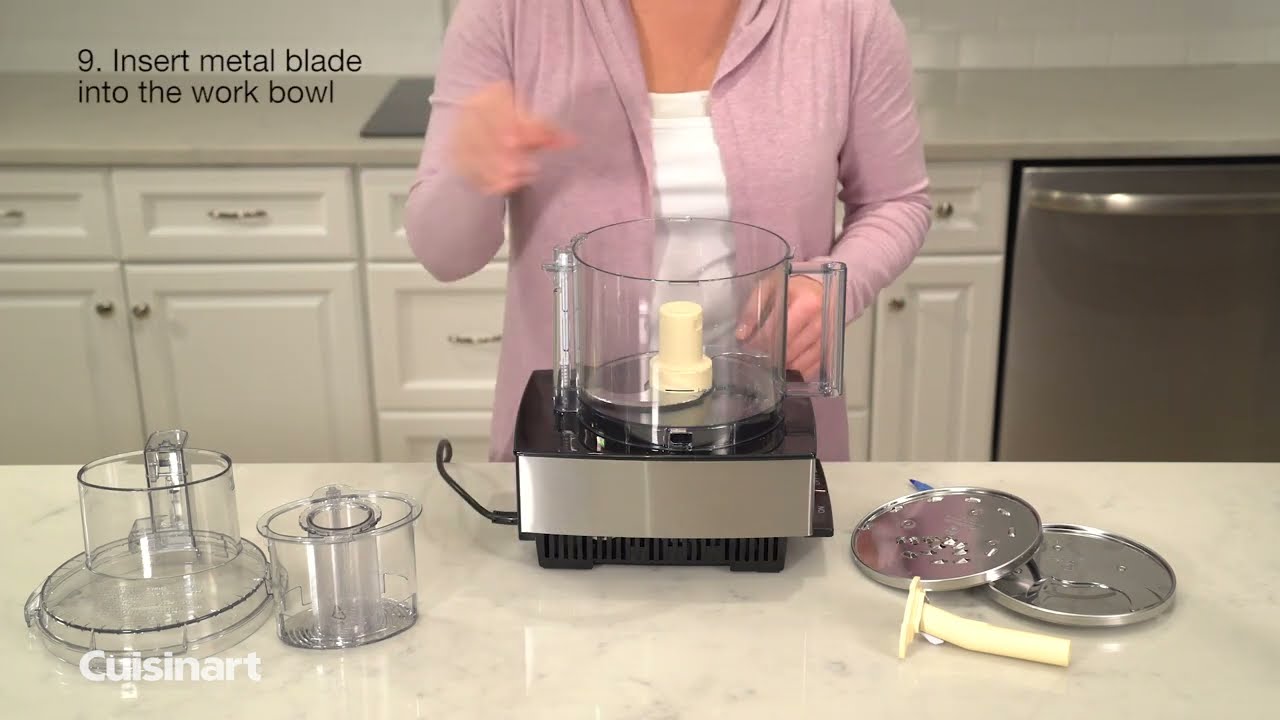
Check the power, locks, and motor; follow a safe, step-by-step troubleshooting routine to fix it.
I’ve spent years repairing small kitchen appliances and helping friends troubleshoot. This guide shows what to do if your food processor won't turn on. I explain simple checks, safe tests, and when to call a pro. Read on for clear, practical steps you can try today.
Why your food processor won't turn on
There are a few common reasons why a food processor won't turn on. The simplest are a tripped breaker, unplugged cord, or a misaligned lid or bowl lock. Slightly harder causes are a faulty power switch, broken motor, or blown internal fuse. Understanding the likely causes makes troubleshooting faster and safer.
Quick safety checklist before you start
Safety first. Unplug the unit before you touch anything inside or under the base. Wear gloves if you open the housing to avoid cuts. Keep children and pets away while you test and repair.
Step-by-step troubleshooting guide
Follow these steps in order. Each step is quick and uses basic tools you likely have at home.
- Verify power source
- Plug a different appliance into the same outlet to confirm the outlet works.
- Check the wall switch and any extension cords.
- Inspect the plug and cord
- Look for frayed wires, bent prongs, or loose connections.
- If the cord is damaged, do not use the processor until the cord is replaced.
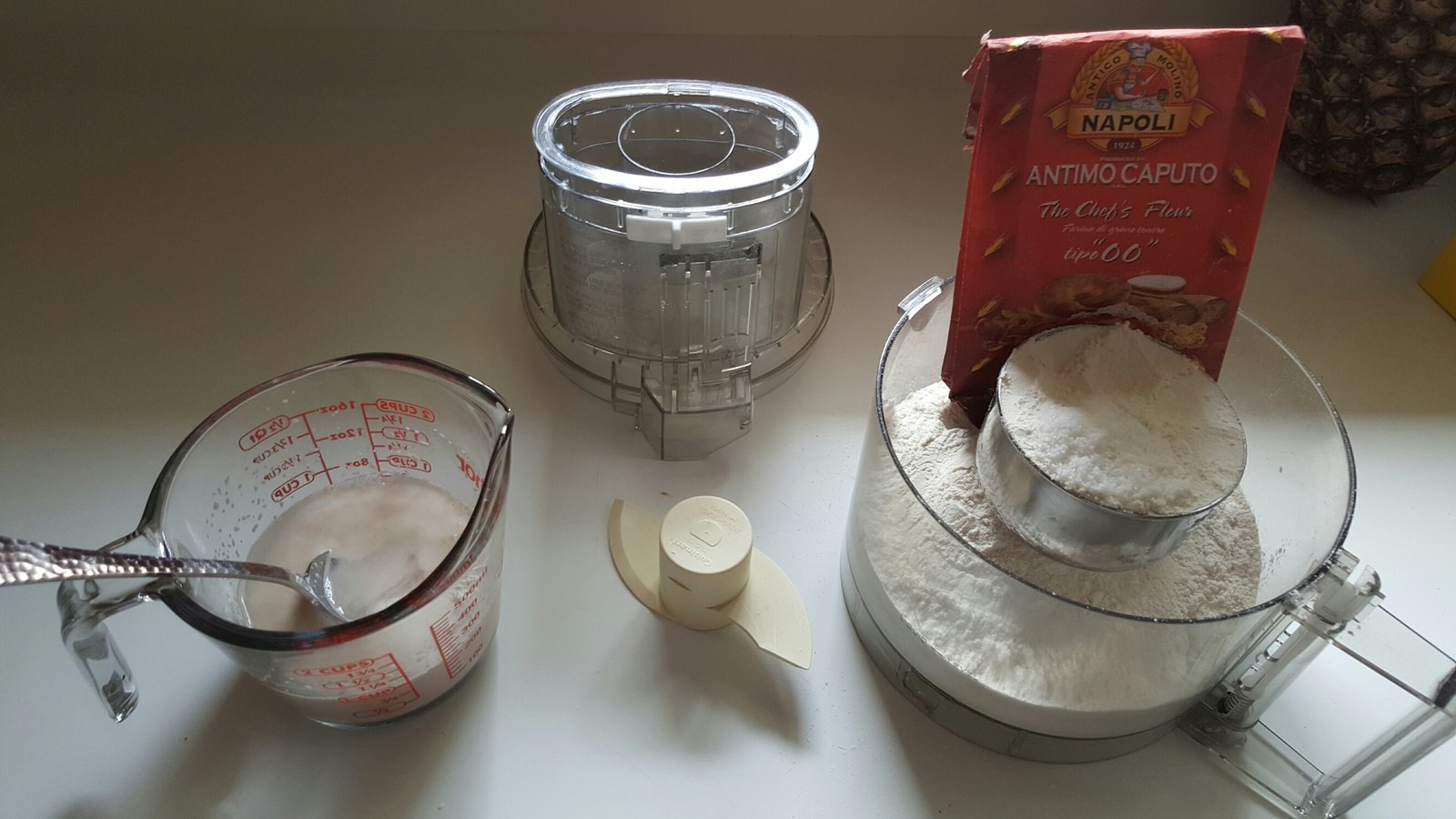
- Check the lid and bowl locks
- Most models refuse to start unless the bowl and lid click into place.
- Remove, reseat, and lock them firmly, then try again.
- Reset thermal protection
- Some motors have an internal thermal cutoff. Let the unit cool for 30–60 minutes and try again.
- If there is a reset button, follow the manual to reset it.
- Test the power switch
- Use a multimeter to check for continuity when the switch is on.
- If the switch fails, it is often a cheap and replaceable part.
- Listen for motor hum or clicks
- A humming motor may indicate a seized motor or bad capacitor.
- Clicking can point to a failing switch or relay.
- Inspect internal fuses and capacitors
- Some models have replaceable internal fuses. Check them visually or with a multimeter.
- Replace blown fuses with the exact spec only.
- Try a different bowl or lid (if you have one)
- Parts from other models of the same brand sometimes work for a simple test.
- This isolates whether the problem is with safety interlocks.
When you work through these steps, you'll quickly see what to do if your food processor won't turn on. If a step feels risky or requires soldering, stop and get professional help.

How to test specific components safely
Here are simple tests you can do without special training.
- Power cord continuity
- Use a multimeter set to continuity. If there’s no beep, the cord is likely bad.
- Switch test
- Remove the housing and test switch pins for continuity in the on position.
- Motor test
- With the plug out, check the motor windings for continuity. Readings far outside the normal range mean a bad motor.
- Capacitor check
- A bulging or leaking capacitor needs replacement. Capacitor testing is best done by a pro.
- Thermal fuse
- A thermal fuse that is open (no continuity) means it has tripped and needs exact replacement.
Work slowly and keep notes. If a component test uses electricity, unplug first. When in doubt, consult an authorized service technician.

When to call a professional or replace the unit
Call a pro if these happen.
- The motor smells burnt or shows smoke.
- Tests show no continuity but you lack tools to continue.
- The cost of parts and labor approaches or exceeds a new machine.
- The appliance is under warranty—contact the manufacturer first.
If the food processor is older, repairs can be costly. I once rebuilt a motor capacitor for a premium model. The fix worked, but the repair cost nearly matched a new unit. Weigh repair versus replace based on age, cost, and how often you use it.

Preventive maintenance to avoid future failures
A bit of care extends life and prevents this question of what to do if your food processor won't turn on.
- Clean after each use
- Keep the motor base dry and free of crumbs and oil.
- Use correct speeds
- Avoid running heavy chopping tasks on high speed for long periods.
- Let it rest
- Allow the motor to cool between long runs.
- Inspect cords and locks regularly
- Replace cracked parts before they cause a failure.
I follow these tips for all my kitchen tools. They reduce surprises and keep things working for years.
Parts, replacement, and cost expectations
Knowing which parts fail most helps decide whether to repair.
- Common replaceable parts
- Power cord, lid switch, bowl interlock, motor capacitor, thermal fuse.
- Typical costs
- Small parts often cost $10–$40. Motors and major electronics can be $80–$200.
- Where to get parts
- Check the manufacturer parts store or reputable appliance parts retailers.
- Warranty and service options
- If under warranty, free repair or replacement may apply. Always check warranty first.
If you need to buy parts, note your model number. That ensures you get the exact fit.
Frequently Asked Questions of what to do if your food processor won't turn on
Why does my food processor blink but not spin?
A blinking light often indicates an electronic fault or lock issue. Try reseating the bowl and lid, and unplug the unit for a minute to reset the electronics.
Can a food processor be repaired at home?
Yes, many simple fixes like replacing a cord or switch can be done at home with basic tools. For motor or complex electronic faults, professional repair is safer.
How long should a food processor motor last?
With regular care, a motor can last many years, often 5–10 years or more depending on use. Heavy daily use shortens its life.
Is it safe to open the processor base?
Only if it is unplugged and you are comfortable with basic hand tools. If you are unsure, have a certified technician open it to avoid injury or voiding warranty.
What if the lid switch looks fine but it still won't start?
Switches can fail internally, or wiring to the switch can be loose. Test for continuity or check wiring connections before assuming the switch is fine.
My food processor hums but blades won't turn. What should I do?
A humming motor usually means the motor is getting power but is stalled. Let it cool, check for jammed blades, and test the capacitor and motor windings.
How do I know when to replace rather than repair?
If repair costs exceed half the price of a new unit, or if multiple major parts fail, replacement is often the smarter choice.
Conclusion
You now have a clear plan for what to do if your food processor won't turn on. Start with safety checks, then move through simple tests for power, locks, and switches. Try easy fixes first, and call a pro for motor or complex electronic problems. Take care of the unit to avoid future issues and save money. If this guide helped, try the steps, leave a comment with your model and symptoms, or subscribe for more kitchen appliance tips.
