

Use a blender, chef’s knife, mortar and pestle, grater, or jar with a rolling pin.
I cook for a living and test tools daily, so I know how to fix recipes when a food processor is missing. This guide shows what to use if i don't have a food processor, with clear swaps, step-by-step tips, and real-life tricks that save time and get great results.

Why you might not have a food processor
Some kitchens simply lack the space or budget for a food processor. Other times it is broken, in use, or you want a simpler clean-up routine. Knowing what to use if i don't have a food processor keeps your cooking on track.
I have run dinner services with only basic tools. I learned quick hacks that work at home. These swaps can match texture and speed if you follow a few smart steps.
Best substitutes for a food processor
Below are reliable tools that replace many food processor tasks. Each tool works best for certain jobs. Pick the right one for your recipe.
- Blender — Great for soups, smoothies, and purees. Use pulse mode for chunkier textures.
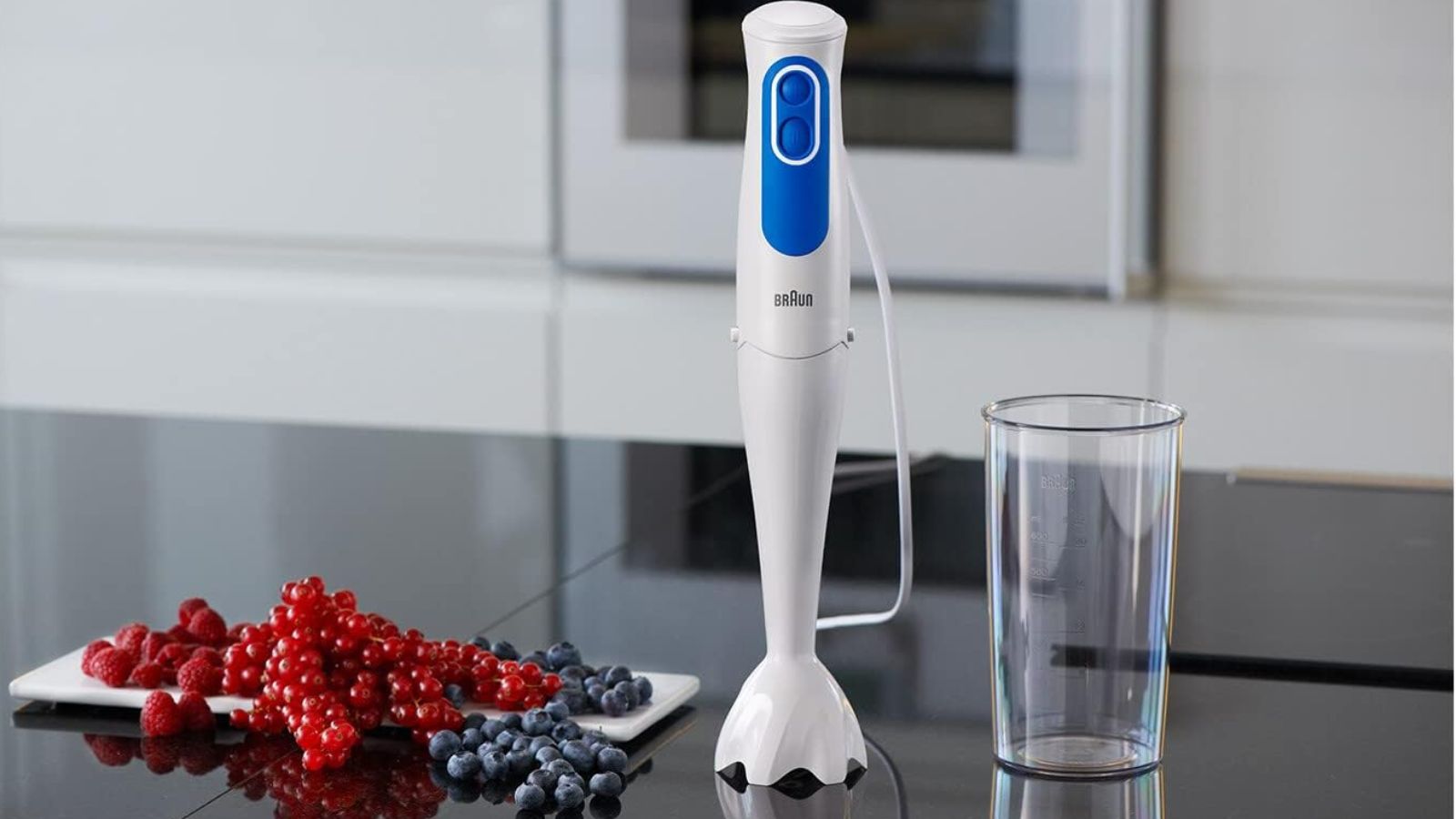
- Immersion blender — Handy for hot soups and small batches. Easy to clean and control.
- Chef’s knife — The most versatile tool. Fine chopping can mimic many processor tasks.
- Box grater or microplane — Perfect for hard cheese, vegetables, and zest.
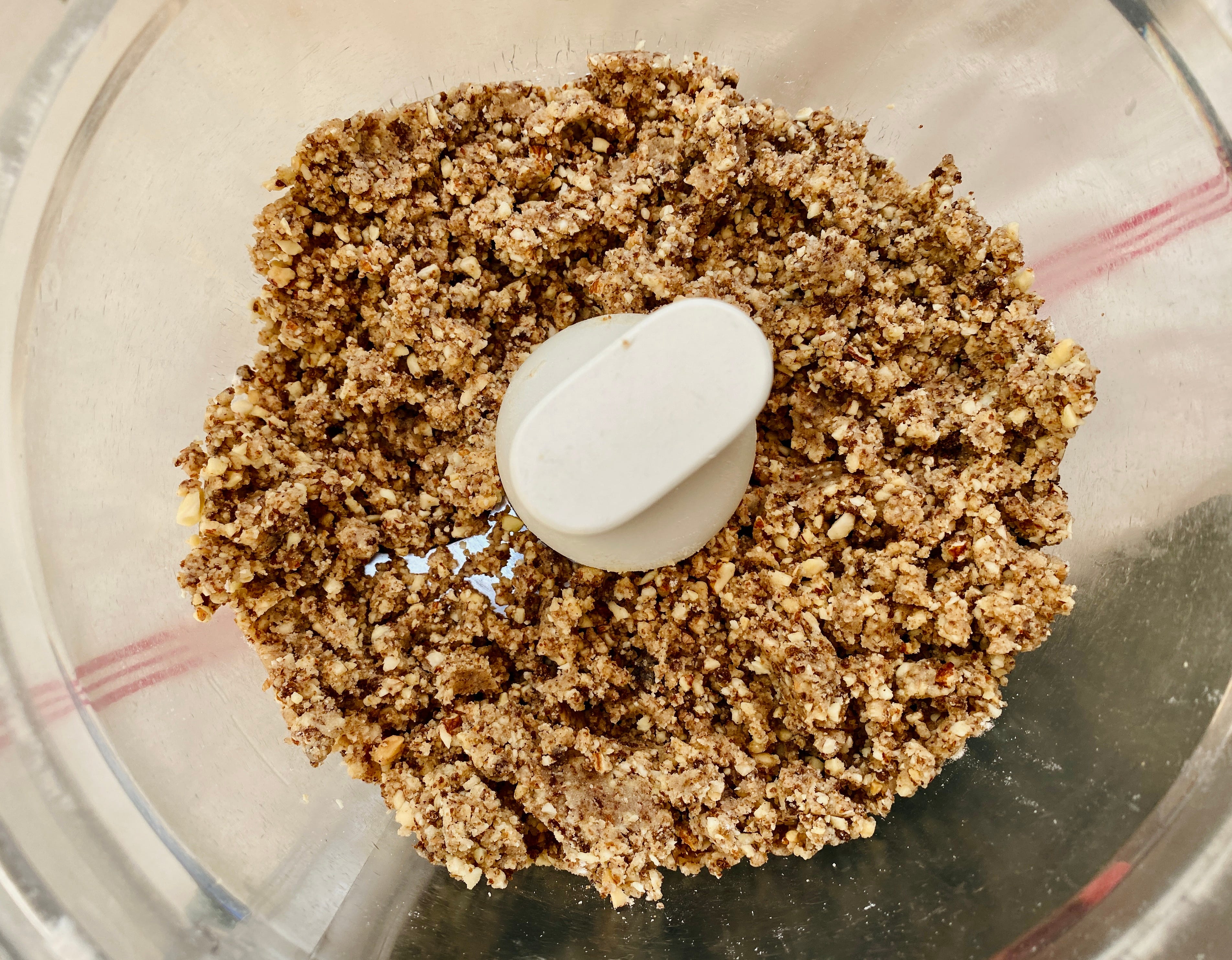
- Mortar and pestle — Ideal for small batches of pesto, spice pastes, and grinding nuts.
- Food mill — Best for smooth purees and sauces without skins or seeds.
- Manual chopper — Small, hand-pull choppers can handle veggies and nuts.
- Rolling pin in a sealed bag or jar — Crush nuts, crackers, or cookies.
- Hand mixer — Can whip and mix batters when a processor is meant for dough.
- Mandoline — For thin, even slices and fine shredding.
I use a blender and knife most. For pesto I reach for a mortar and pestle. For pie crust I finish by hand after cutting fat with a fork.
How to use each tool — steps and tips
Here are simple steps to get the closest result to a food processor for common tasks.
Blender
- Add liquid first, then solids to help flow.
- Use short pulses to avoid overprocessing.
- Stop and scrape the sides to keep texture even.
Immersion blender
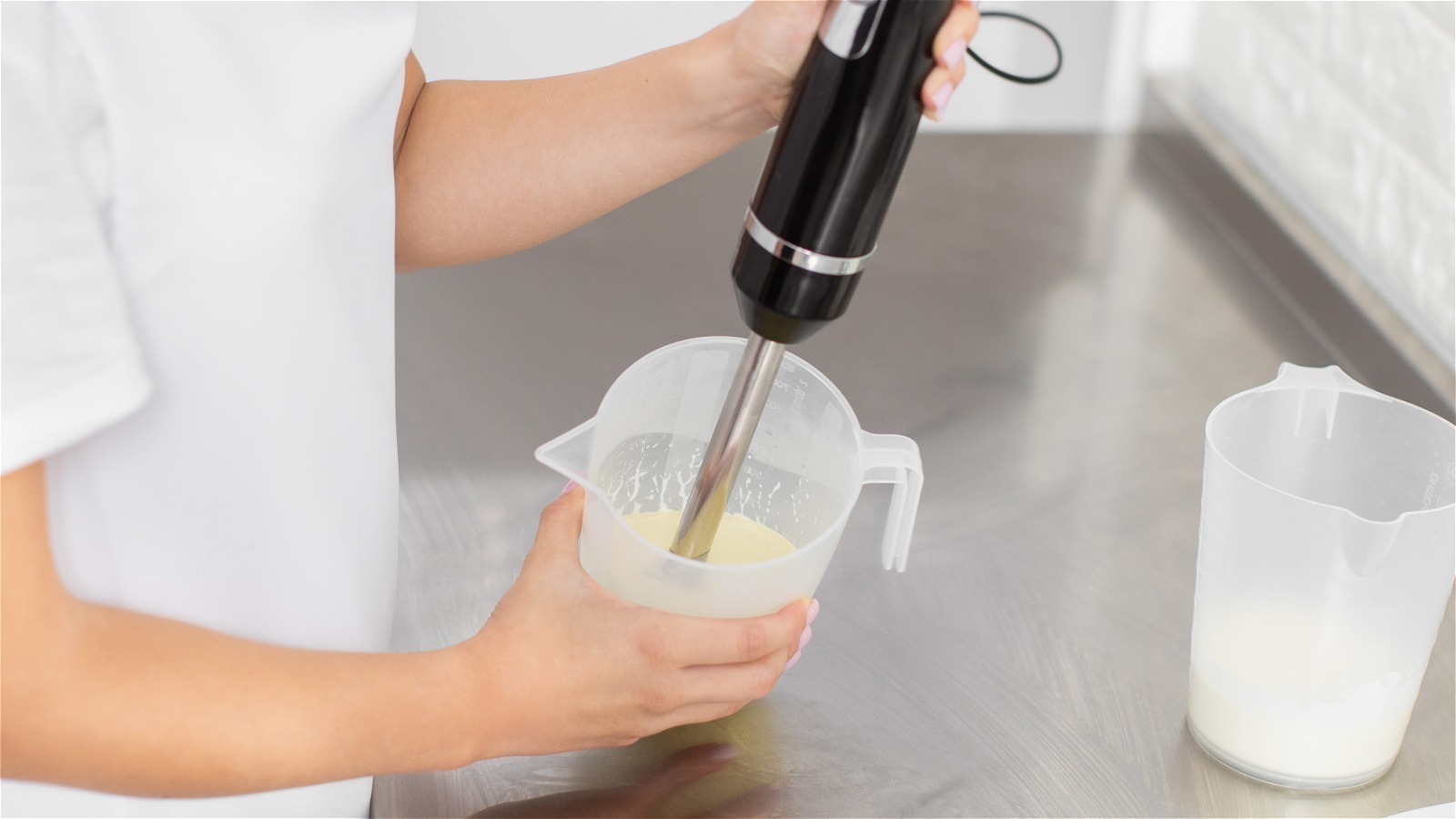
- Work in a tall container for less splash.
- Move the head slowly and pulse for chunkier results.
- Great for pureed soups and dressings.
Chef’s knife
- Cut food into small, even pieces first.
- Use a rocking motion to mince finely.
- Group similar tasks to save time.
Box grater and microplane
- Use a coarse side for shredding vegetables.
- Microplane for very fine textures like garlic or zest.
- Grate into a bowl to keep workspace tidy.
Mortar and pestle
- Pound in short bursts for even texture.
- Add salt to help grind leafy or wet ingredients.
- Clean immediately to avoid smells.
Jar and rolling pin
- Put nuts or crackers in a sealed jar or bag.
- Roll firmly with even pressure to crush.
- Use several passes for finer crumbs.
Hand chopper and manual devices
* Work best in small batches.
- Pulse short times and check texture often.
- Clean nooks well to avoid stuck pieces.
I once made hummus with a blender and a bit more liquid. The result was smooth, though I had to chill it to firm it up a bit. Small changes like that can save a recipe.

Recipe swaps and adaptation ideas
Adapting recipes when you ask what to use if i don't have a food processor is easy with a plan. Here are common recipes and the best swap ideas.
Pesto
- Use a mortar and pestle for a bright, textured pesto.
- Or pulse in a blender with less oil to control texture.
Hummus
- Use a high-speed blender with water or aquafaba. Scrape and blend in stages.
- Alternatively, mash chickpeas with a potato masher for a rustic dip.
Pie crust
- Cut butter into flour with a fork or two knives, then finish with fingertips.
- Chill dough well before rolling.
Breadcrumbs
- Use a jar and rolling pin or a box grater for dry crumbs.
- Toast lightly for crunch.
Salsas and sauces
- Chop by hand for chunkier salsas.
- Use immersion blender for smooth sauces.
Nut butter
- Pulse in a blender or use a sturdy jar and a rolling pin to pre-crush, then blend slowly.
- Expect longer blending times and occasional rests.
Coleslaw
- Shred cabbage on a mandoline or with a knife for even texture.
- Toss by hand to avoid over-working.
These swaps have kept me cooking through busy nights. You will get used to small timing changes and ingredient tweaks.
How to avoid texture problems and get consistent results
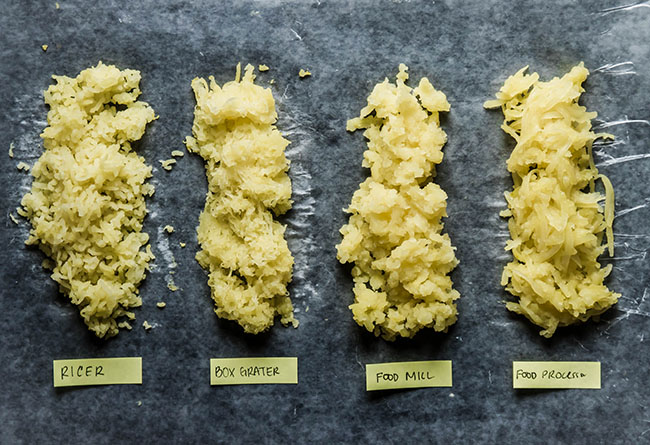
Texture is the main worry when you search what to use if i don't have a food processor. Use these rules to match finish and mouthfeel.
- Start coarse and refine: Chop or pulse less first, then go finer.
- Work in batches: Smaller batches process more evenly in blenders or choppers.
- Use moisture smartly: Add liquid in small amounts to help blending but avoid thinning too much.
- Control heat: Blenders can heat food; pulse and cool when needed.
- Test as you go: Taste and check texture often to stop at the right point.
A few quick tests can save a whole batch. I learned this the hard way when I over-pureed a soup during service.

Maintenance and safety for substitute tools
Keeping tools clean and safe matters more when you use substitutes regularly. Follow these simple rules.
- Clean right away: Food dries fast on blades and mortars.
- Inspect blades: Replace or sharpen dull tools for consistent cuts.
- Use gloves for tough grips: Protect hands when grating or using mandolines.
- Store safely: Keep blades covered and out of reach of children.
- Read limits: Don’t run a blender beyond recommended fill levels.
Good care lengthens tool life. I keep a small towel under a cutting board to prevent slips. It helps with safety and speed.
Frequently Asked Questions of what to use if i don't have a food processor
What can replace a food processor for making pesto?
A mortar and pestle yields the best flavor and texture. A blender or immersion blender works for larger batches but may need less oil and more scraping.
Can I make hummus without a food processor?
Yes. Use a blender with added liquid or mash by hand and whisk to combine. Expect a more rustic texture if you hand-mash.
Is a blender as good as a food processor?
A blender is better for liquids and smooth purees. It can replace a food processor for many tasks but struggles with dry chopping and dough.
How do I make pie crust without a food processor?
Cut cold butter into flour with forks, two knives, or your fingertips until pea-sized. Chill the dough before rolling to keep it flaky.
What tool is best for shredding vegetables without a food processor?
A mandoline or box grater gives even shreds. A sharp chef’s knife also works well and keeps a cleaner texture.
Can I make nut butter without a food processor?
Yes, but it takes patience. Use a high-speed blender or grind in stages, pausing to scrape and rest the motor.
How do I avoid overprocessing with substitutes?
Work in short bursts, check texture often, and use less liquid at first. Stop while the texture is still a bit coarse if you want chunkiness.
Conclusion
You can cook nearly anything even when you ask what to use if i don't have a food processor. Simple tools like a blender, chef’s knife, mortar and pestle, grater, or jar and rolling pin cover most tasks. Try swaps, work in small batches, and taste as you go to keep texture and flavor high.
Take one recipe and try a substitute today. Share your results, subscribe for more tips, or leave a comment about your best food processor-free win.
