
Food processing is a fundamental aspect of our modern food system, often misunderstood. It plays a crucial role in ensuring food safety by eliminating harmful bacteria and preventing spoilage. Beyond preservation, food processing significantly extends shelf life, making nutritious food accessible year-round and reducing waste. It also enhances convenience, improves nutritional value through fortification, and provides the vast variety of foods we enjoy daily, making it indispensable to global food security and dietary needs.
Have you ever wondered why we can enjoy fresh strawberries in winter or why milk lasts for weeks in the fridge? The answer lies in food processing. Often, the term “food processing” conjures images of ultra-processed snacks or unhealthy fast food. However, the reality is far more nuanced and essential to our modern way of life. From the simplest act of washing vegetables to complex manufacturing, food processing encompasses a wide range of techniques that transform raw ingredients into the safe, palatable, and convenient foods we consume daily.
In this comprehensive guide, we’re going to explore the fundamental reasons why food processing is not just beneficial, but truly necessary in today’s world. We’ll dive into how it keeps our food safe, extends its lifespan, boosts nutrition, and provides the convenience and variety we’ve come to expect. Get ready to understand the vital role that food processing plays in your everyday meals.
Key Takeaways
- Food Safety and Preservation: Food processing methods like pasteurization, canning, and freezing are vital for eliminating harmful microorganisms and preventing spoilage, ensuring the food we eat is safe and lasts longer.
- Extended Shelf Life and Reduced Waste: Processing allows foods to be stored for extended periods, making seasonal ingredients available year-round and significantly reducing food waste from farm to table.
- Enhanced Nutritional Value: Many processed foods are fortified with essential vitamins and minerals, addressing common nutrient deficiencies and improving public health. Processing can also make nutrients more bioavailable.
- Convenience and Accessibility: Pre-cut vegetables, ready-to-eat meals, and other convenient processed foods save time and effort, making it easier for busy individuals and those with limited cooking resources to prepare healthy meals.
- Variety and Palatability: Food processing enables the creation of a vast array of diverse food products, enhancing flavors, textures, and choices, which enriches culinary experiences and caters to different tastes.
- Economic Benefits and Global Distribution: Processing adds value to raw agricultural products, supports economies, and allows food to be transported across long distances, ensuring a stable and varied food supply worldwide.
- Addressing Special Dietary Needs: Processed foods can be formulated to meet specific dietary requirements, such as allergen-free, gluten-free, or low-sodium options, making food accessible for individuals with health conditions.
1. Understanding What Food Processing Really Means
Before we delve into the “why,” let’s clarify what we mean by food processing. In its broadest sense, food processing is any operation that takes raw agricultural products and turns them into foods or other forms that are suitable for consumption. This can be as simple as washing, chopping, or cooking, or as complex as pasteurization, fermentation, or canning. The goal of food processing is to prepare raw ingredients for market, ensure their safety, extend their shelf life, and often, improve their taste and texture.
Think about a loaf of bread. It starts as wheat, which is then harvested, milled into flour, mixed with other ingredients, kneaded, proofed, and baked. Each of these steps involves some form of food processing. Even drying fruit or salting meat are ancient forms of food processing. Understanding this broad definition helps us appreciate that not all processed foods are created equal, and many are integral to a healthy diet.
2. Ensuring Food Safety and Preventing Spoilage
One of the most critical reasons we need food processing is to ensure the safety of our food supply. Raw foods can contain harmful bacteria, viruses, and other pathogens that can cause serious illness. Processing methods are designed to eliminate or significantly reduce these risks, making food safe to eat.
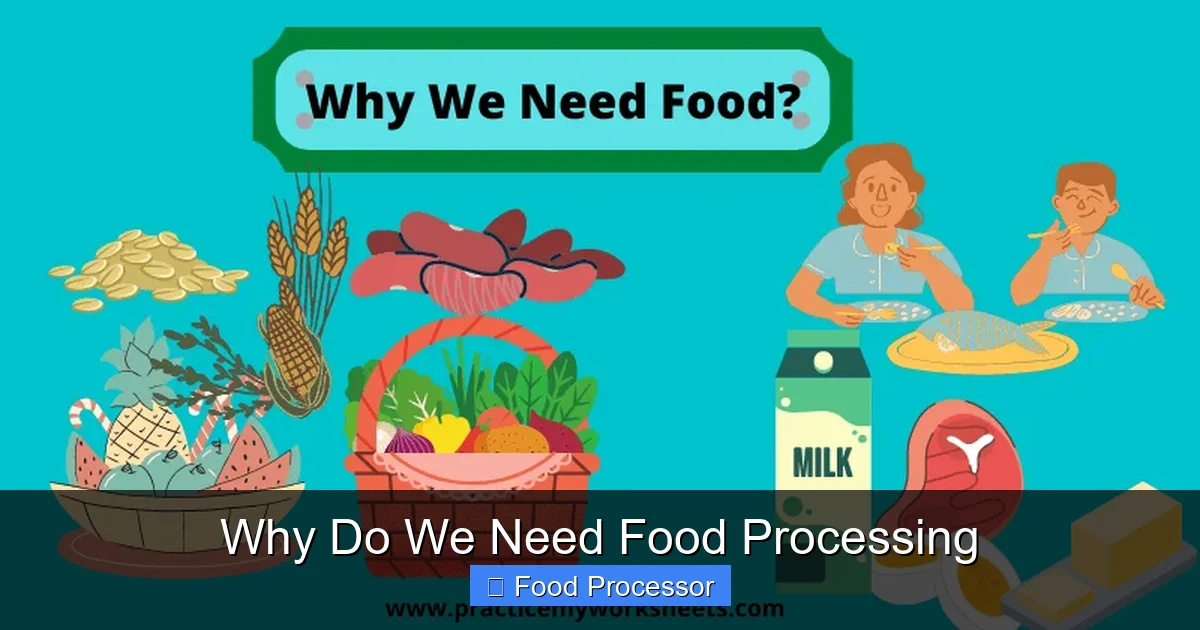
Visual guide about Why Do We Need Food Processing
Image source: practicemyworksheets.com
Eliminating Harmful Microorganisms
Many food processing techniques are specifically aimed at destroying dangerous microorganisms. Pasteurization, for instance, heats liquids like milk and juice to a specific temperature for a set time, killing bacteria like Listeria and E. coli without significantly altering the nutritional value. Sterilization, often used for canned goods, uses even higher temperatures to kill all microorganisms and spores, rendering the food commercially sterile and shelf-stable.
Other methods, such as fermentation, create environments (e.g., acidic conditions in yogurt or sauerkraut) that are hostile to pathogens, while also introducing beneficial microbes. Without these essential processes, the risk of foodborne illnesses would skyrocket, making many foods unsafe for consumption.
Extending Product Shelf Life
Beyond immediate safety, food processing significantly plays a vital role in food preservation. Raw foods are perishable; they spoil quickly due to microbial growth, enzymatic reactions, and oxidation. Processing methods slow down or halt these spoilage mechanisms. Canning, freezing, drying, and vacuum-sealing are all common examples of how food processing extends the shelf life of food, preventing it from going bad before it can be consumed.
This extension of shelf life is crucial for reducing food waste, allowing us to store food for longer, and ensuring that nutritious options are available even when fresh produce is out of season. It transforms highly perishable items into stable products that can be safely stored and distributed globally.
3. Making Food Accessible and Convenient
In our fast-paced lives, convenience is king. Food processing plays an enormous role in providing foods that are quick to prepare, easy to transport, and accessible to everyone, regardless of their location or cooking skills.
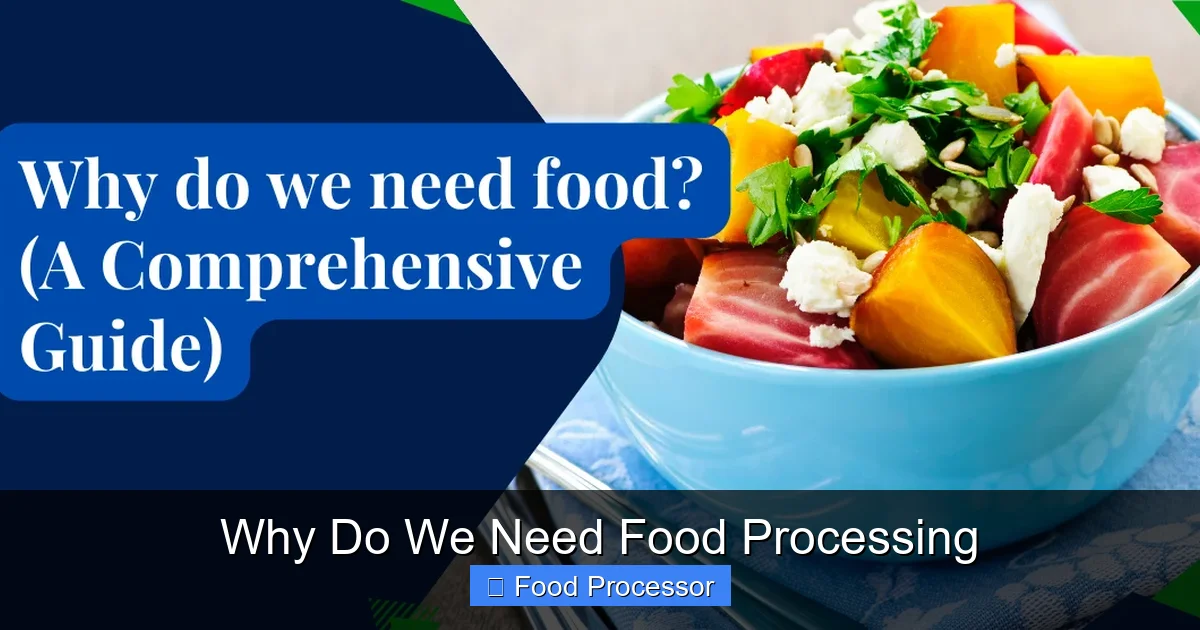
Visual guide about Why Do We Need Food Processing
Image source: insuranceliya.com
Year-Round Availability
Imagine a world where you could only eat fruits and vegetables that are in season locally. Food processing breaks these geographical and seasonal barriers. Freezing peas, canning tomatoes, or drying apricots allow us to enjoy these foods year-round, even if they were harvested months ago or thousands of miles away. This ensures a consistent supply of various foods, contributing to a more balanced diet throughout the year.
This global accessibility means that regions with limited agricultural capabilities can still access a diverse range of foods, enhancing food security for many populations.
Time-Saving Solutions
Modern life often leaves little time for elaborate meal preparation. Processed foods, such as pre-cut vegetables, instant oatmeal, ready-made sauces, and frozen meals, offer invaluable time-saving solutions. These products reduce the amount of chopping, mixing, and cooking required, making it easier for individuals and families to prepare nutritious meals quickly. For busy professionals, parents, or those with physical limitations, these convenient options are often the difference between a home-cooked meal and relying on less healthy alternatives.
Food processing truly offers advantages that cater to diverse lifestyles, making healthy eating more attainable for everyone.
4. Enhancing Nutrition and Fortification
While some ultra-processed foods can be high in unhealthy fats, sugar, and salt, many forms of food processing actually enhance the nutritional profile of our food. This happens primarily through fortification and by improving the digestibility of nutrients.
Boosting Essential Nutrients
Fortification is a deliberate process where essential vitamins and minerals are added to foods to improve public health. For example, milk is often fortified with Vitamin D, breakfast cereals with iron and B vitamins, and salt with iodine. These interventions have significantly reduced widespread nutritional deficiencies like rickets, anemia, and goiter. Food processing provides the perfect vehicle for delivering these vital nutrients to large populations.
Without such fortification, many people, especially children and those in vulnerable communities, would struggle to meet their daily nutritional requirements. This makes food processing incredibly important for public health initiatives worldwide.
Improving Digestibility
Certain food processing techniques can also make nutrients more bioavailable, meaning our bodies can absorb and utilize them more efficiently. Cooking, for instance, breaks down cell walls in plant foods, releasing nutrients that would otherwise be locked away. Fermentation can break down complex carbohydrates and anti-nutrients (compounds that interfere with nutrient absorption), making the food easier to digest and its nutrients more accessible. These processes are not just about preservation but about optimizing the nutritional benefits we derive from our food.
5. Creating Variety and Improving Palatability
Imagine a world with no cheese, bread, or chocolate. These beloved foods exist thanks to food processing! Processing transforms raw ingredients into a vast array of delicious and diverse products, enriching our culinary experiences.
Developing Diverse Food Products
Food processing is the foundation of culinary innovation. It allows for the creation of new textures, flavors, and forms that simply don’t exist in nature. From turning milk into yogurt, cheese, and ice cream, to transforming grains into pasta, pastries, and cereals, processing expands our dietary options immensely. This diversity caters to various preferences, cultural tastes, and provides endless possibilities for meals and snacks.
These creations not only add enjoyment to our diets but also introduce new ways to consume essential nutrients.
Enhancing Flavors and Textures
Many processing methods are designed to enhance the sensory appeal of food. Roasting nuts, fermenting olives, or developing the complex flavors in cured meats are all examples of how processing improves taste and texture. The Maillard reaction, a chemical process that occurs during cooking, is responsible for the rich brown color and savory flavor in many processed foods like toasted bread, roasted meats, and even coffee. Understanding the Maillard reaction advantages in food processing highlights how these techniques contribute to making food more appealing and enjoyable to eat.
Without these transformations, our meals would be far less varied and exciting.
6. Supporting Economic Stability and Reducing Waste
Food processing is not just about what ends up on our plates; it also has significant economic and environmental implications, particularly in terms of reducing waste and supporting agricultural economies.
Value Addition for Producers
For farmers, selling raw produce can be challenging due to perishability and market fluctuations. Food processing allows them to convert perishable goods into more stable, higher-value products. For example, excess tomatoes can be processed into sauce, juice, or paste, which can be stored and sold over a longer period. This value addition helps farmers stabilize their income, reduces waste at the farm level, and creates jobs in the processing industry, contributing to overall economic stability.
Minimizing Food Loss
Globally, a significant portion of food produced is lost or wasted before it reaches consumers. Food processing is a critical tool in combating this. By preserving foods through canning, freezing, drying, or fermenting, we can significantly extend their usability. This reduces spoilage during transportation and storage, ensuring that more of the food produced actually makes it to our tables, thereby minimizing resource waste and environmental impact.
7. Addressing Special Dietary Needs
In an increasingly diverse population with varying health requirements, food processing plays a vital role in creating tailored food options that might otherwise be unavailable or difficult to prepare at home.
Allergen Management and Customization
For individuals with allergies (e.g., gluten, dairy, nuts) or specific dietary needs (e.g., diabetes, hypertension), processed foods can be life-savers. Manufacturers can create allergen-free versions of common foods, low-sodium options, or sugar-free alternatives. This meticulous control over ingredients and processing environments ensures that people with health conditions or dietary restrictions can safely and conveniently access foods that meet their needs, allowing for a broader and safer diet.
8. Common Concerns and Clarifications
While the benefits of food processing are clear, it’s also important to address common concerns and distinguish between different levels of processing.
Distinguishing Between Minimal and Ultra-Processed Foods
Not all processed foods are the same. Minimally processed foods, like pre-cut vegetables, roasted nuts, or pasteurized milk, retain most of their natural characteristics and nutrients. These are excellent for convenience and health. On the other hand, ultra-processed foods often contain a high number of additives, artificial flavors, and high levels of sugar, salt, and unhealthy fats. These are the foods that warrant moderation. Learning how do you know if a food has minimal processing is key to making informed dietary choices.
The key is to understand the spectrum of food processing and choose wisely, focusing on whole foods and minimally processed options as the foundation of your diet.
The Importance of Informed Choices
Understanding why we need food processing doesn’t mean blindly accepting all processed foods. It means recognizing the immense value of many processing techniques for safety, accessibility, and nutrition, while also being discerning consumers. Reading food labels, understanding ingredients, and differentiating between beneficial processing and excessive processing empowers us to make healthier choices for ourselves and our families.
Conclusion
From the fields to our dinner tables, food processing is an indispensable part of our modern food system. It’s the silent hero that ensures our food is safe to eat, lasts long enough to be enjoyed, offers a wealth of nutrients, and provides the incredible convenience and variety that define contemporary diets. While it’s crucial to be mindful of the types of processed foods we consume, understanding the fundamental reasons behind food processing reveals its vital role in public health, global food security, and our daily culinary experiences. So, the next time you enjoy a piece of bread, a glass of milk, or frozen berries, remember the essential processes that made it all possible.
