
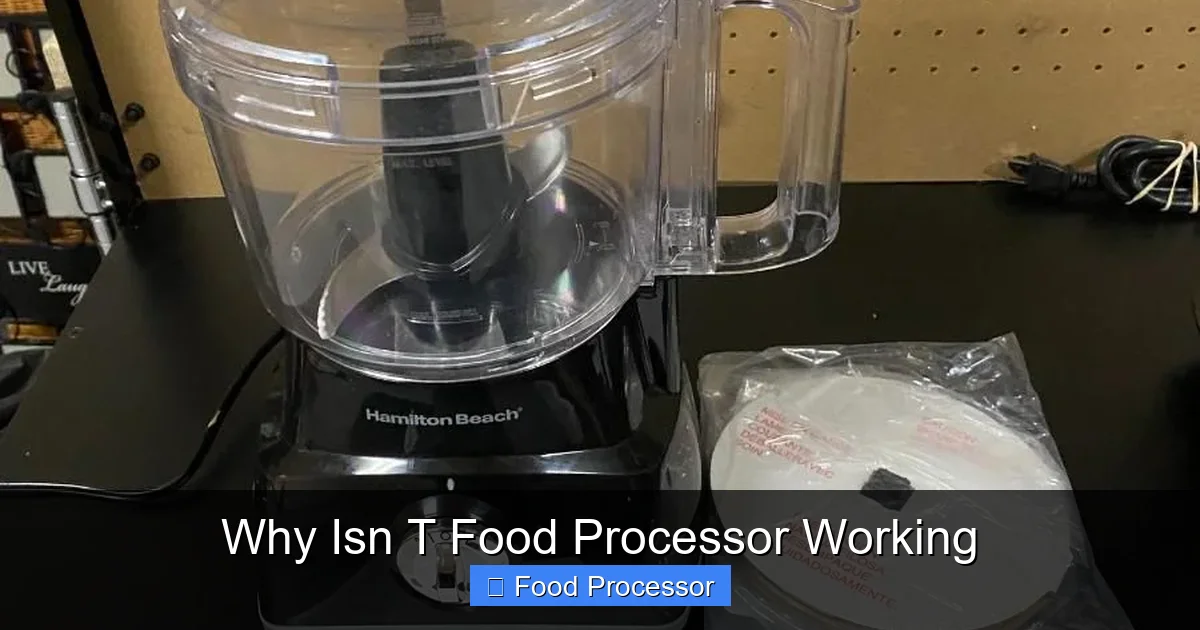
Is your food processor not working as it should? Don’t let a malfunctioning appliance disrupt your meal prep. Most issues can be traced back to simple power problems, incorrect assembly, or an overloaded motor. This comprehensive guide will help you systematically troubleshoot common problems to get your trusty kitchen helper back in action.
Why Isn’t Food Processor Working? A Complete Troubleshooting Guide
There’s nothing quite as frustrating as stepping into the kitchen, ready to whip up a delicious meal, only to find your trusty food processor refusing to cooperate. Whether it won’t turn on, the blade isn’t spinning, or it just suddenly stopped mid-chop, a non-responsive food processor can bring your culinary plans to a grinding halt. But don’t toss it out just yet!
Most issues with a food processor not working aren’t major breakdowns. Often, they’re simple problems that you can troubleshoot and fix right at home with a bit of patience and this guide. We’ll walk you through a systematic approach to diagnose and resolve the most common reasons your food processor isn’t working, from basic power checks to more specific mechanical and electrical concerns. Get ready to put on your detective hat and get your essential kitchen appliance back in prime condition!
Key Takeaways
- Start with the Basics: Always check power supply, cords, and circuit breakers first. Many issues stem from simple electrical disconnections.
- Assembly is Crucial: Food processors have safety interlock systems. Ensure the bowl, lid, and pusher are correctly aligned and locked into place.
- Prevent Overloading: Overfilling the bowl or processing overly hard ingredients can trigger the motor’s overload protection, causing it to stop.
- Blade and Drive System: Inspect the blade for damage or blockage, and ensure it’s properly seated on the drive shaft. A faulty blade or worn drive coupling can prevent spinning.
- Motor Overheat Protection: If the food processor stops suddenly during use, it might be overheated. Unplug it and let it cool down before trying again.
- Know When to Seek Help: For complex electrical issues or internal component failures, it’s best to consult a professional or consider replacement.
I. Initial Checks: The Basics of Power and Safety
Before diving into complex diagnostics, let’s start with the simplest explanations. A significant number of “my food processor isn’t working” complaints can be resolved by checking these fundamental areas.
Check the Power Outlet
It might sound obvious, but a faulty power outlet is a common culprit. Your food processor needs consistent power to function.
- Is it Plugged In? Double-check that the power cord is securely plugged into a working electrical outlet. Sometimes, it can wiggle loose.
- Test the Outlet: Plug another small appliance, like a lamp or a phone charger, into the same outlet. If that appliance doesn’t work either, the problem is with the outlet, not your food processor. Try plugging your food processor into a different, known-working outlet.
Inspect the Power Cord
The cord itself can be damaged, interrupting the power flow to your appliance. A damaged cord is also a safety hazard.
- Look for Visible Damage: Carefully examine the entire length of the power cord for any cuts, frayed wires, kinks, or burn marks.
- Feel for Heat: While the appliance is unplugged, feel the cord. If it feels unusually hot when it’s been plugged in, it could indicate an issue. If you find any damage, do not use the food processor. The cord will need professional repair or replacement.
Reset Circuit Breakers or GFCI Outlets
Modern kitchens often have GFCI (Ground Fault Circuit Interrupter) outlets or circuit breakers that trip to prevent electrical overloads and shocks. If your food processor simply won’t turn on at all, your first steps should be to check the power supply.
- Check Your Breaker Box: If multiple appliances have stopped working, or if the outlet itself isn’t working, check your home’s electrical panel. A tripped breaker will be in the “off” or middle position. Flip it firmly to “off” and then back to “on.”
- Reset GFCI Outlets: GFCI outlets (common near sinks) have “reset” and “test” buttons. If the outlet has tripped, press the “reset” button firmly. If it clicks back into place, try your food processor again.
Ensure Proper Assembly (Safety Locks)
This is arguably the most frequent reason a food processor isn’t working. Food processors are designed with safety in mind, featuring interlock systems that prevent the motor from engaging if components aren’t correctly assembled.
- All Parts Must Be Locked: The bowl must be securely seated on the motor base, the lid must be locked onto the bowl, and sometimes even the pusher must be correctly inserted into the feeder tube. Each brand and model has a slightly different locking mechanism, so refer to your manual.
- Listen for the Click: Many models will “click” into place when properly assembled. If you don’t hear or feel that positive lock, try re-seating the components. We will delve deeper into assembly in the next section, but it’s a critical first check.
II. Assembly is Key: Mastering the Locking Mechanisms
As mentioned, safety interlock systems are paramount. If your food processor isn’t working, even with power, it’s highly likely that one of these locks isn’t engaged. Ensuring you assemble your food processor step by step correctly is paramount.
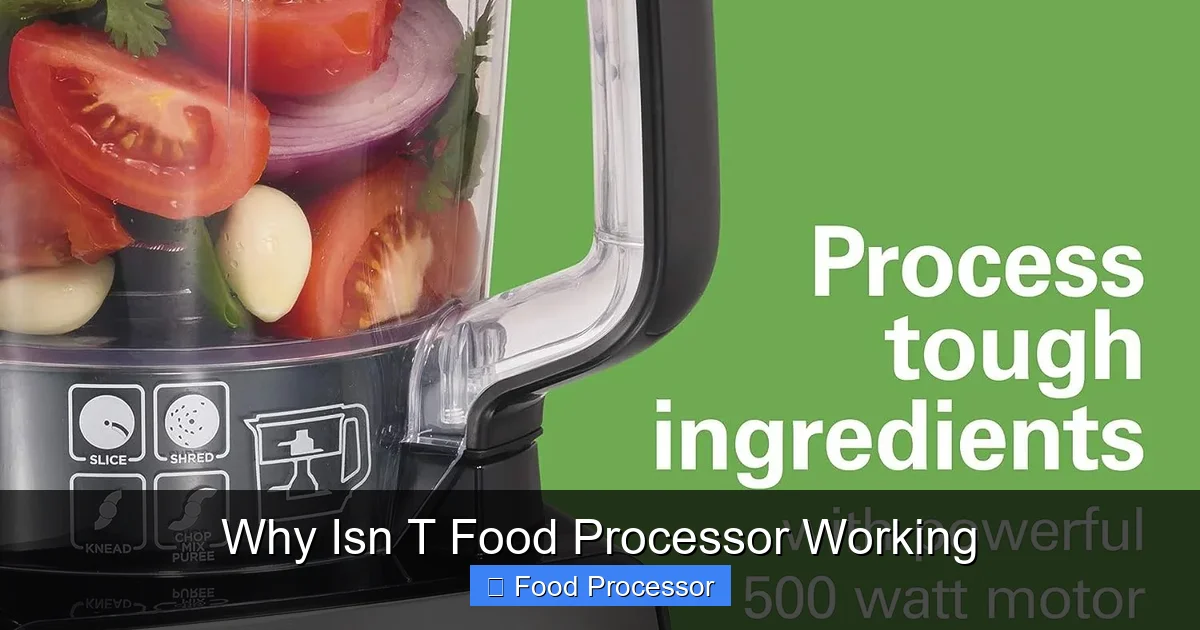
Visual guide about Why Isn T Food Processor Working
Image source: kitchenproductaudit.com
Bowl and Lid Alignment
The motor will not activate if the bowl and lid are not perfectly aligned and locked.
- The Bowl: Place the bowl onto the motor base. You usually need to align a tab or notch on the bottom of the bowl with a slot on the base and then twist the bowl clockwise until it locks securely.
- The Lid: Once the bowl is secure, place the lid on top. The lid also has tabs that need to align with slots on the bowl. Twist the lid clockwise (or sometimes counter-clockwise, depending on the model) until it clicks into its locked position. Look for arrows or indicators on your food processor to guide you.
Pusher/Feeder Tube Engagement
Some food processor models have an additional safety interlock involving the food pusher or the feeder tube.
- Pusher Insertion: Ensure the food pusher (the part you use to push food down the chute) is inserted correctly into the feeder tube opening in the lid. Some units require the pusher to be in place for the motor to engage.
- Feeder Tube Cover: On certain models, if the feeder tube cover or attachment isn’t properly secured, the unit won’t start.
Blade/Disc Attachment
The blades or discs also need to be correctly placed before the unit will operate.
- Proper Seating: Ensure the blade or disc attachment is fully pushed down onto the drive shaft in the center of the bowl. It should sit flush and feel stable. If it’s loose or wobbles excessively, it might not be engaging the motor drive correctly.
- Correct Attachment: Make sure you’re using the correct blade for the task and that it’s oriented correctly. Reversible shredding/slicing discs need to be flipped to the desired side.
Safety Interlock Systems: How They Work
Understanding how these systems work can help you troubleshoot. Inside your food processor, there are small switches that detect if each component (bowl, lid, pusher) is properly in place. If even one switch isn’t activated, the electrical circuit remains open, and the motor won’t receive power. This is why a simple misalignment can make your food processor seem completely dead.
III. Overload Protection and Motor Issues
If your food processor starts and then suddenly stops, or struggles to process ingredients, you might be dealing with an overload situation or a motor issue.
Visual guide about Why Isn T Food Processor Working
Image source: miro.medium.com
Overloading the Bowl
Every food processor has a maximum capacity. Exceeding this can put too much strain on the motor.
- Too Much Food: Trying to process a very large batch of ingredients at once can overwhelm the motor. Always process in smaller batches if necessary.
- Dense Ingredients: Hard, dense foods like frozen fruit, large blocks of cheese, or dough can put extra stress on the motor. Cut them into smaller pieces before processing.
- Motor Strain: If the motor sounds like it’s struggling or slowing down significantly, it’s a sign of overload.
Hard Ingredients and Jamming
Sometimes, it’s not the quantity but the type of ingredient that’s the problem.
- Stuck Blade: A piece of food might be wedged under the blade, preventing it from spinning freely.
- Frozen Solids: Attempting to chop or process extremely hard or frozen items can instantly stop the motor or trigger its thermal protection.
- What to Do: Unplug the unit, remove the lid and blade, and clear any jammed food. Break up large or hard ingredients into smaller pieces before reprocessing.
Motor Overheat Protection
Most modern food processors have a thermal cut-off switch to prevent the motor from overheating and getting damaged. If your food processor stops working mid-task, especially after extended use or processing tough ingredients, this is often the cause.
- Symptoms: The unit might simply stop without warning, or you might notice a burning smell (though this is less common with just thermal cut-off).
- The Fix: Unplug the food processor immediately. Let it cool down for at least 15-30 minutes. Some manufacturers recommend up to an hour. Once cooled, clear any excess food, reassemble properly, and try again. Avoid running it for long periods without breaks, especially with heavy loads.
Signs of Motor Failure
If the above steps don’t resolve the issue, and you hear unusual noises, smell burning, or see smoke, it could indicate a more serious motor problem.
- Burning Smell or Smoke: This is a clear sign of an internal electrical issue or motor burnout. Stop using the appliance immediately and unplug it.
- Grinding Noises: A motor making grinding, screeching, or unusually loud noises suggests internal mechanical wear or damage.
- Intermittent Operation: If the motor only works sometimes or cuts out frequently, it could be a sign of a failing motor or a loose internal connection.
IV. Blade and Drive Shaft Problems
Even if the motor seems to be running, if the blade isn’t doing its job, your food processor isn’t working effectively.
Blade Not Spinning
If your food processor turns on and the motor hums, but the blade remains motionless, you have a specific issue with the drive system. If your food processor blade is not spinning, check for these issues.
- Improper Blade Seating: As mentioned in assembly, ensure the blade is fully pushed onto the drive shaft. It needs to be properly engaged to spin.
- Overload/Jam: A stubborn piece of food might be preventing the blade from rotating. Unplug and carefully remove the blade to clear any obstructions.
- Worn Drive Coupling: This is the plastic or rubber part, usually at the bottom of the blade or the top of the motor shaft, that transmits power from the motor to the blade. If this coupling is stripped, cracked, or worn out, the blade won’t spin even if the motor is running. These parts can often be replaced.
Damaged or Dull Blades
While this won’t prevent the food processor from *working* in terms of turning on, it will severely impact its performance.
- Bent or Chipped Blades: Inspect the blades for any damage. Bent blades can cause imbalance and vibration, while chipped blades are less effective and potentially dangerous.
- Dullness: Over time, blades can become dull, especially if you process hard foods frequently. Dull blades will “smash” food rather than cut it, leaving you with poor results. Sharpening food processor blades is possible but often best done by professionals or by replacing the blade attachment.
Drive Shaft Issues
The drive shaft is the central rod that connects the motor to the blade.
- Bent or Damaged Shaft: A bent drive shaft can cause the blade to wobble or prevent it from seating properly. This usually requires professional repair or replacement of the motor base.
- Internal Disconnection: In rare cases, the internal connection between the motor and the drive shaft could fail. This is a more complex repair.
V. Electrical Component Malfunctions
If you’ve checked all the above and your food processor isn’t working, the problem might lie with internal electrical components. These are generally not DIY fixes and often require professional attention or replacement.
Faulty Switch or Buttons
The “on/off” or “pulse” buttons can wear out or become faulty over time.
- Intermittent Power: If the unit only starts sometimes when you press the button, or if you have to press it multiple times, the switch might be failing.
- No Response: If the buttons yield no response at all, it could be a switch issue or a broader electrical problem.
Internal Wiring
Loose or corroded internal wiring can prevent the appliance from receiving power or operating correctly.
- Symptoms: Similar to a faulty switch, you might experience intermittent power, or the unit might not turn on at all.
- Safety Warning: Do NOT attempt to open your food processor to inspect internal wiring unless you are a qualified electrician. This poses a significant risk of electric shock.
VI. Brand-Specific Considerations
While many issues are universal, some brands might have common quirks or specific troubleshooting steps. For example, if you own a Cuisinart food processor and it’s not working, some issues might be specific to their design, such as their lid interlocking mechanisms or specific drive couplings.
- Consult Your Manual: Always refer to the owner’s manual for your specific brand and model. It often contains troubleshooting charts and diagrams unique to your appliance.
- Online Forums/Support: Many brands have online communities or dedicated support pages where you can find model-specific advice.
VII. When to Call for Professional Help or Consider Replacement
After going through these steps, you should have a good idea of why your food processor isn’t working. But when do you throw in the towel or call in the experts?
- Complex Electrical Issues: If you suspect a problem with the motor, internal wiring, or circuit board, and you’re not an experienced appliance repair technician, it’s safer to seek professional help. Tampering with electrical components can be dangerous.
- Cost of Repair vs. Replacement: Get an estimate for repair. If the cost of repairing an older food processor approaches or exceeds the cost of a new, comparable model, replacement is often the more economical choice. Consider the age of your appliance and its overall condition.
- Safety Concerns: If your food processor is sparking, smoking, or emitting a burning smell, discontinue use immediately. These are serious safety hazards.
- Warranty: Check if your food processor is still under warranty. If it is, contact the manufacturer’s customer service for repair or replacement options.
Conclusion
Having your food processor not working can be a real headache, but with a methodical approach, you can often pinpoint and fix the problem yourself. Remember to always prioritize safety: unplug the appliance before inspecting or manipulating any parts. Start with the simplest checks like power and assembly, then move on to motor and blade issues. By understanding how your food processor operates and what commonly goes wrong, you’ll be better equipped to troubleshoot, extend the life of your appliance, and get back to enjoying the convenience it brings to your kitchen. Happy processing!
