
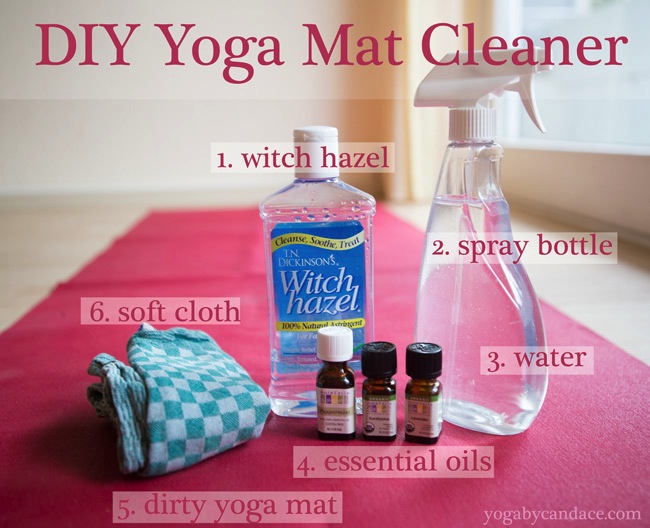
DIY yoga mat cleaner recipe: vinegar, water, and essential oil mix cleans and freshens mats naturally.
I’ve tested dozens of cleaners over years of teaching and practicing yoga. This guide shows safe, effective yoga mat cleaner recipe options, why each ingredient works, and how to choose the right mix for your mat type. Read on for step-by-step recipes, safety tips, and real-world troubleshooting from my studio experience.
Ingredients and why they work
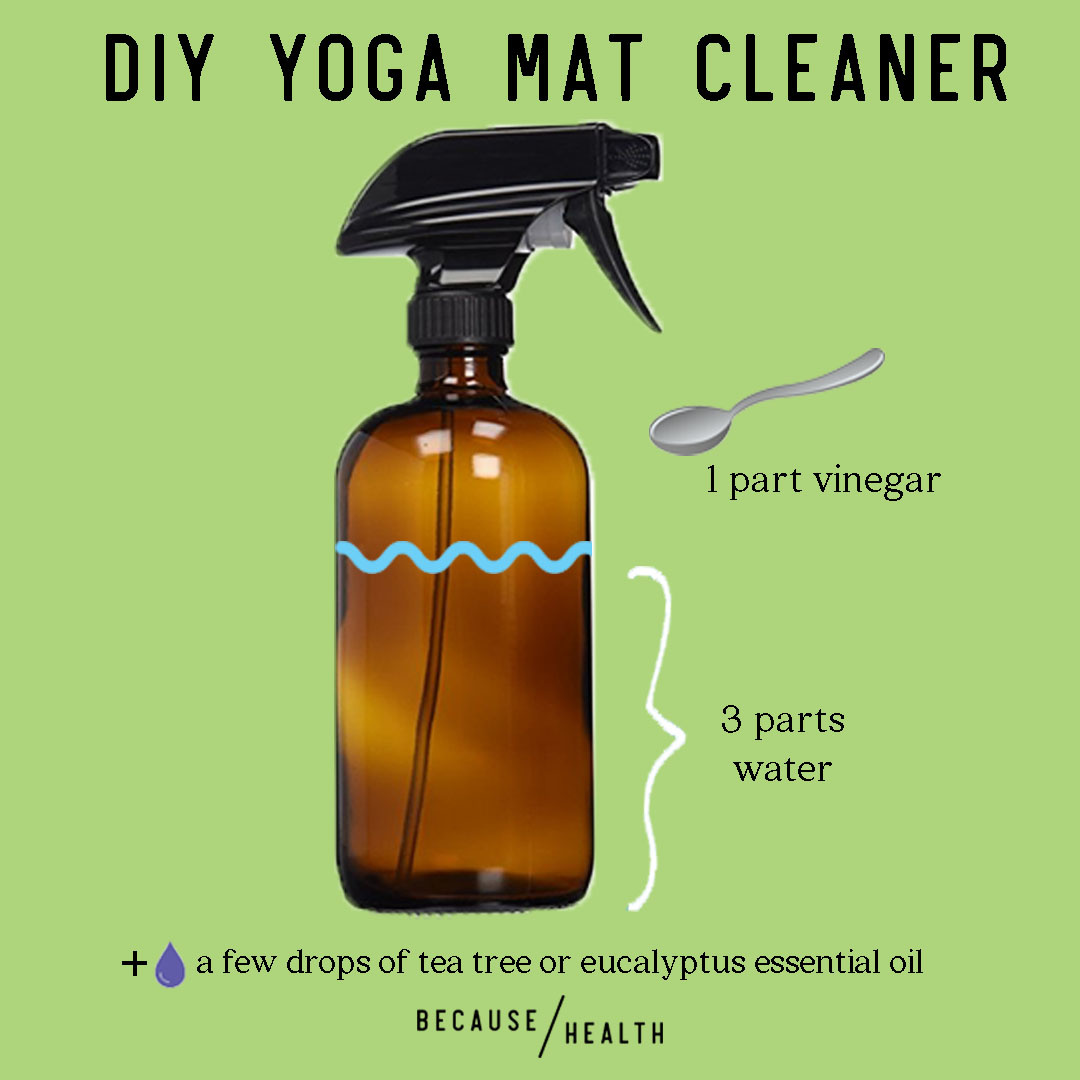
A simple yoga mat cleaner recipe uses mild cleaners that lift oils and sweat without harming the mat. Water thins the mix. Vinegar breaks down grime. Castile soap lifts oils. Rubbing alcohol disinfects fast. Essential oils add scent and antibacterial help.
Common ingredients and their roles
- Water: dilutes concentrated ingredients and makes a spray you can use safely.
- White vinegar: helps cut grease and neutralize odors.
- Castile soap: gentle surfactant that lifts dirt without leaving residue.
- Rubbing alcohol (70% isopropyl): disinfects and evaporates quickly.
- Essential oils: provide fragrance and extra antimicrobial properties when needed.
- Witch hazel: gentle astringent alternative that evaporates quickly.
Why choose a specific yoga mat cleaner recipe
- For daily freshening, a mild vinegar or castile soap recipe works best.
- For gym mats shared by many people, an alcohol-based recipe adds extra disinfection.
- For natural rubber or cork mats, avoid alcohol and high vinegar concentrations to protect fibers.
Three simple yoga mat cleaner recipe variations
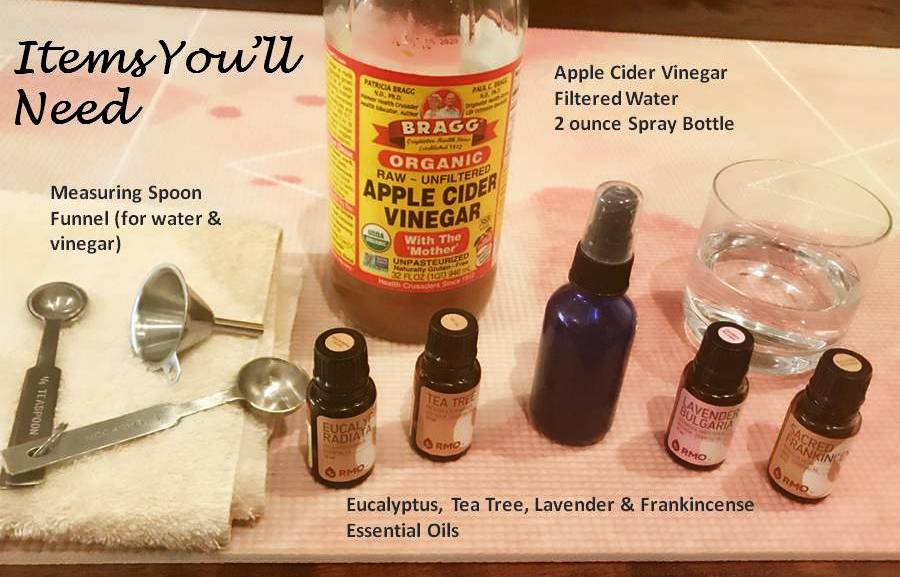
Below are three reliable recipes. Each is quick, cheap, and easy to make at home. Always test on a small corner first.
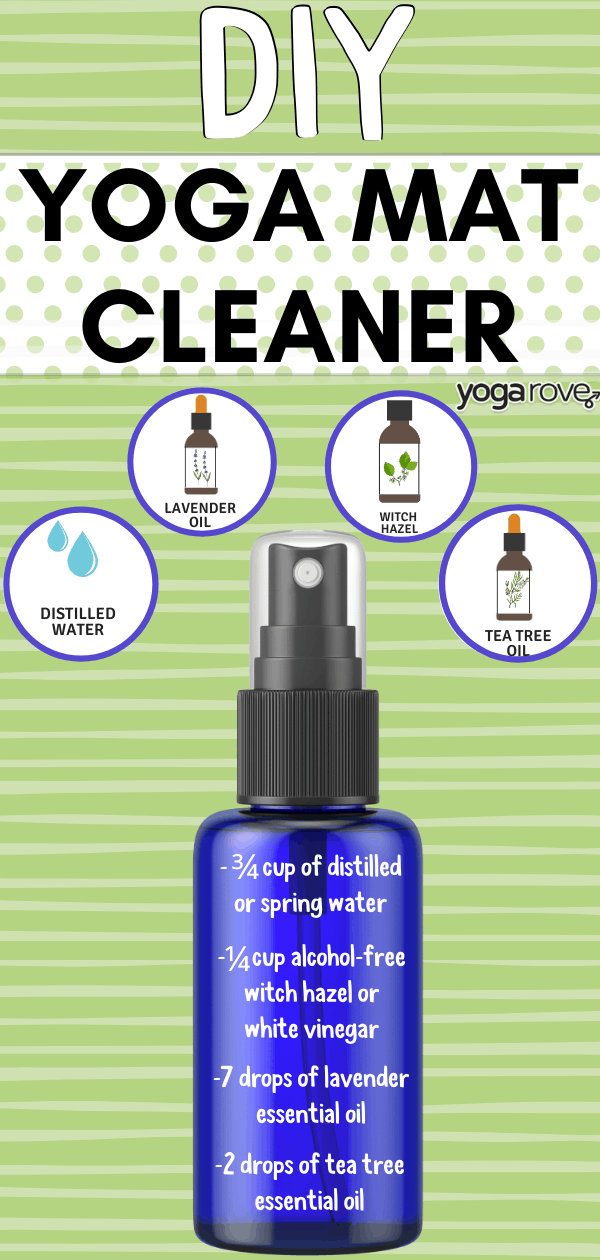
Basic vinegar spray (good for PVC and synthetic mats)
- Ingredients:
- 1 cup distilled or filtered water
- 1/4 cup white vinegar
- 5–10 drops lavender or tea tree essential oil
- How to use:
- Mix in a spray bottle and shake gently.
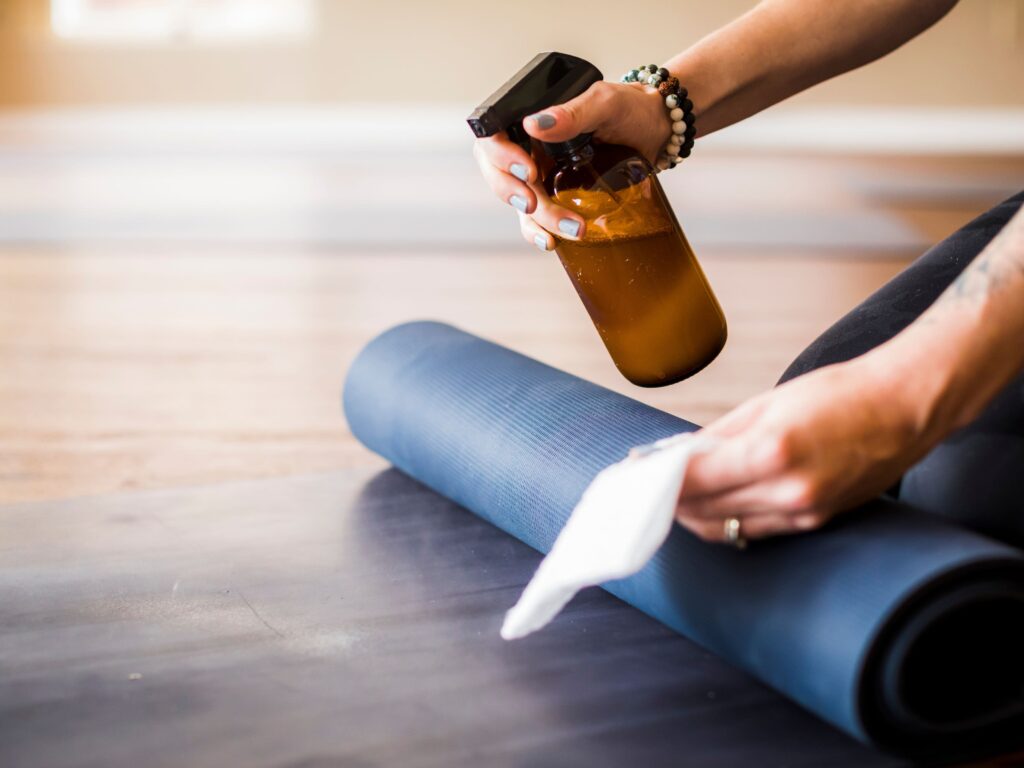
- Spray lightly and wipe with a soft cloth.
- Let air dry flat or hang before rolling.
Gentle castile soap cleaner (best for natural rubber and cork)
- Ingredients:
- 1 cup water
- 1 teaspoon liquid castile soap
- 8–10 drops citrus or eucalyptus essential oil
- How to use:
- Combine in a spray bottle and swirl; do not shake vigorously.
- Spray sparingly and wipe; rinse with a damp cloth if residue appears.
- Air dry away from direct sun.
Quick disinfectant spray (for heavy use spaces)
- Ingredients:
- 1 cup water
- 1/3 cup 70% isopropyl rubbing alcohol
- 5 drops tea tree essential oil
- How to use:
- Mix and spray; wipe after 30–60 seconds.
- This yoga mat cleaner recipe disinfects quickly and dries fast.
- Avoid on natural rubber or cork mats to prevent drying damage.
Tips for making any yoga mat cleaner recipe
- Use distilled water to avoid mineral spots.
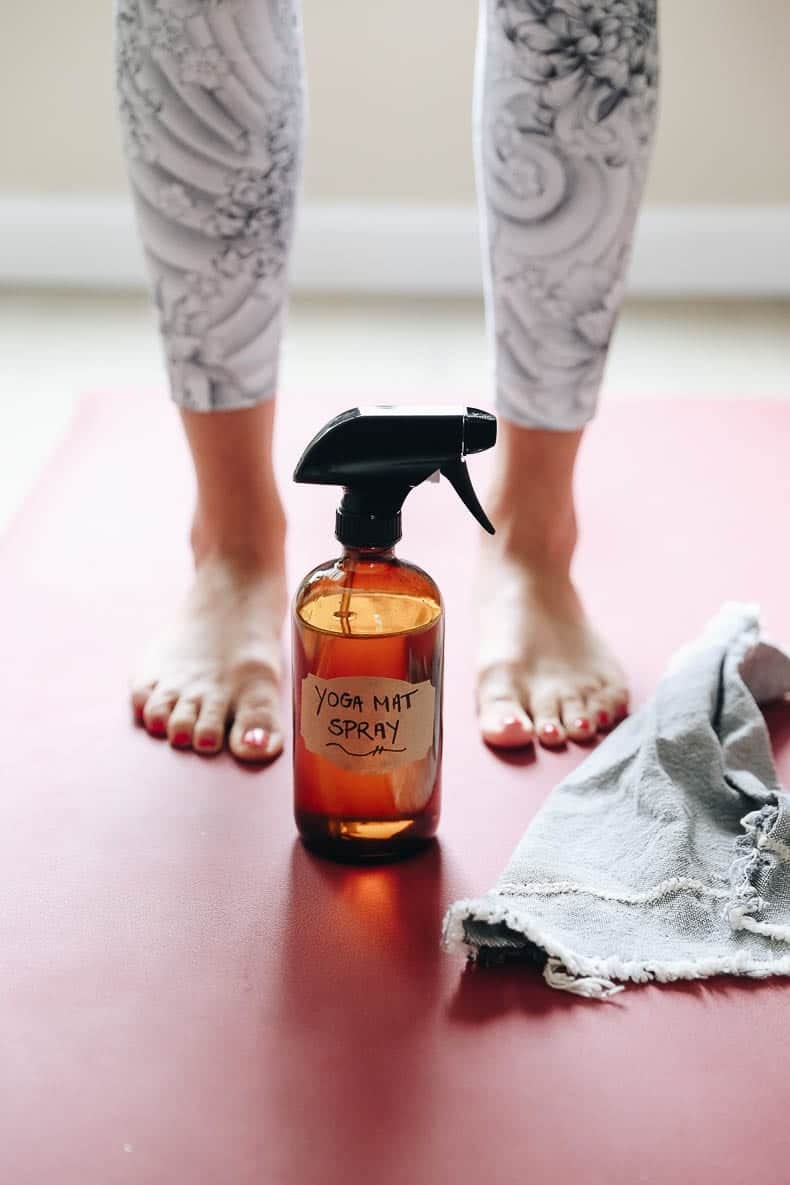
- Label bottles with date and recipe.
- Replace homemade mixes every 2–4 weeks for freshness.
How to clean different mat materials
Different materials need different care. Use the right yoga mat cleaner recipe for best results and to extend mat life.
PVC and synthetic mats
- Use vinegar or alcohol mixes safely.
- Wipe frequently to avoid oil buildup.
- Avoid long soaking and harsh scrubbing.
Natural rubber and TPE mats
- Use the gentle castile soap recipe.
- Avoid high alcohol and strong acids that can dry and crack the material.
- Rinse lightly and dry flat.
Cork mats
- Use mild soap and water only.
- Cork benefits from occasional oiling with a small amount of plant oil; avoid strong cleaners.
- Dry quickly to prevent mold.
Cleaning frequency recommendations
- Daily: quick spray and wipe after sweaty sessions.
- Weekly: deep clean with your chosen yoga mat cleaner recipe and a gentle scrub.
- Monthly: inspect for wear and replace if grip or cushioning decline.
Best practices and precautions
Follow simple rules to keep your mat safe and fresh. These steps ensure your yoga mat cleaner recipe helps rather than harms.
Patch test first
- Always spray a small, hidden section and wait 10–15 minutes.
- Look for color change, texture change, or stickiness.
Avoid sunlight and heat
- Never dry mats in direct sun for long; this causes fading and brittleness.
- Air dry indoors or in shade.
Use soft materials
- Wipe with microfiber cloths or soft sponges.
- Avoid abrasive brushes that damage the top layer.
Mind dilution and concentration
- Strong undiluted vinegar or alcohol can harm some mats.
- Stick to recommended ratios for the yoga mat cleaner recipe.
Store cleaners safely
- Keep out of reach of children and pets.
- Label clearly and note the mixing date.
Storage, shelf life, and sustainability
Make the yoga mat cleaner recipe easy to use and eco-friendly. Proper storage keeps it effective and reduces waste.
Shelf life tips
- Homemade sprays last 2–4 weeks. Discard if cloudy, smelly, or moldy.
- Alcohol-based recipes last longer due to preservative effects.
Sustainable choices
- Reuse glass spray bottles to cut plastic waste.
- Choose plant-based castile soap and biodegradable essential oils.
- Buy bulk ingredients to reduce packaging.
Travel and studio use
- Use small refillable spray bottles for class bags.
- Keep a labeled bottle at the studio for shared use and change regularly.
Personal experience, tips, and troubleshooting
I’ve taught classes for years and tested many yoga mat cleaner recipe options. Here are lessons I learned the hard way.
What I tried and what worked
- Mistake: using straight vinegar to clean every mat. Result: a faded mat edge after months.
- Fix: switch to diluted vinegar or castile soap recipes for natural mats.
- Tip: tea tree oil helps with damp odor but can be strong; use sparingly.
Stubborn stains and odors
- For oil stains: apply a small dab of castile soap, rub gently, then rinse.
- For mildew: use an alcohol-based spray and sun for a short time (not prolonged) to dry.
Studio workflow
- Keep a labeled set of bottles: one alcohol-based for shared mats and one gentle for client-owned natural mats.
- Train staff on patch testing and storage.

Frequently Asked Questions of yoga mat cleaner recipe
What is the safest yoga mat cleaner recipe for natural rubber mats?
Use a mild castile soap mixed with water and a few drops of essential oil. Avoid alcohol and high vinegar concentrations to protect the rubber.
Can I use bleach or strong disinfectants on my yoga mat?
No. Bleach and harsh disinfectants can break down mat materials and erase color. Stick to diluted alcohol or gentle soap solutions.
How often should I deep clean my yoga mat?
Deep clean every 2–4 weeks depending on use and sweat level. Daily light wiping helps reduce the need for frequent deep cleans.
Will essential oils damage my mat?
Used sparingly, essential oils are safe and add antimicrobial benefits and scent. Too much oil can leave residue, so limit to 5–10 drops per cup of solution.
Can I pour the yoga mat cleaner recipe directly on the mat?
It’s better to spray lightly and wipe rather than pouring. Excess liquid can soak into layers and take too long to dry.
Conclusion
Choose a yoga mat cleaner recipe that matches your mat type and cleaning needs. Simple mixes with water, vinegar, or castile soap cover most use cases, while alcohol-based recipes offer quick disinfection for shared spaces. Test first, wipe gently, and store solutions properly to extend the life of your mat. Start with one of the recipes above this week, label your bottle, and see how much longer your mat stays fresh and grippy. Leave a comment with your favorite recipe or cleaning tip and subscribe for more practical, tried-and-tested yoga care advice.
