

Cooking meat in a slow cooker is convenient and tasty, but safety is key. In this guide, you’ll learn how to prepare, cook, and handle meat properly to ensure every meal is safe and flavorful. Follow our simple steps for consistent, delicious results.
How to Cook Meat Safely in a Slow Cooker Every Time
Cooking meat in a slow cooker is an easy way to prepare delicious meals with minimal effort. However, safety should always come first to prevent foodborne illnesses. In this comprehensive guide, you’ll learn the best practices for selecting, preparing, cooking, and handling meat safely in a slow cooker. Whether you’re a beginner or looking to improve your slow cooking skills, these tips will help you achieve perfect, safe results every time.
Key Takeaways
- Use the right cut of meat: Select cuts suitable for slow cooking to ensure tenderness and safety.
- Maintain proper temperature: Keep meat at safe internal temperatures during cooking to prevent bacteria growth.
- Thaw meat safely: Always thaw frozen meat in the refrigerator or microwave before adding to the slow cooker.
- Don’t overfill the slow cooker: Leave enough space for heat circulation to cook meat evenly.
- Use a food thermometer: Check internal temperature to confirm meat is fully cooked and safe to eat.
- Handle raw meat properly: Wash hands and utensils thoroughly to prevent cross-contamination.
- Cook for the right time: Follow recommended cooking times based on meat type and size for safety and flavor.
Understanding the Basics of Safe Slow Cooking
Slow cookers cook food at low temperatures over several hours, making them ideal for tenderizing tough cuts of meat. But because the cooking process takes time, it’s essential to ensure the meat reaches a safe internal temperature. Bacteria like Salmonella and E. coli can thrive if meat isn’t cooked properly, leading to food poisoning. By following proper procedures, you can enjoy tasty, safe meals with confidence.
Step 1: Choosing the Right Meat
Select Suitable Cuts
Not all cuts of meat are ideal for slow cooking. Tougher cuts like beef chuck roast, pork shoulder, chicken thighs, and brisket work best because they become tender over long cooking times. These cuts also tend to be more affordable and flavorful when cooked slowly.
Buy Fresh, Quality Meat
Always choose fresh meat from reputable sources. Check for a bright color, firm texture, and no unpleasant odors. Fresh, high-quality meat cooks more evenly and is safer to eat.
Step 2: Preparing Meat Safely
Thaw Meat Properly
If your meat is frozen, never cook it directly from frozen in the slow cooker. Thaw it safely in the refrigerator, microwave, or cold water. This ensures even cooking and prevents bacteria from multiplying.
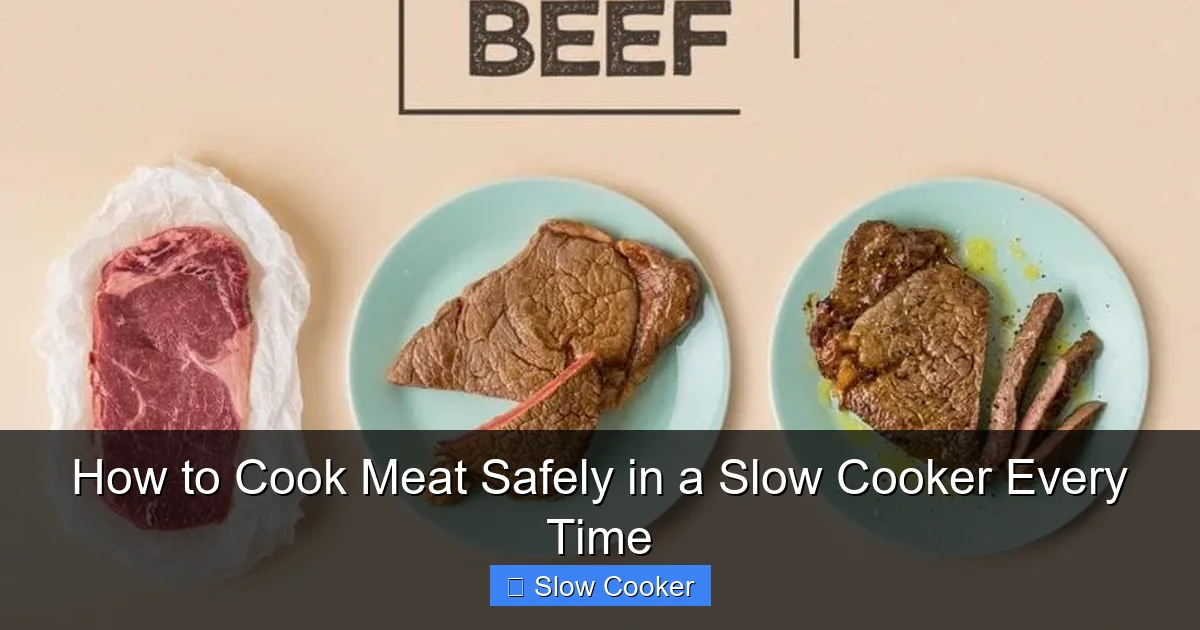
Visual guide about How to Cook Meat Safely in a Slow Cooker Every Time
Image source: gousto.gurucloud.co.uk
Handle Raw Meat Carefully
Wash your hands thoroughly with soap before and after handling raw meat. Use separate cutting boards and utensils to avoid cross-contamination. Clean all surfaces after preparation.
Step 3: Preparing the Slow Cooker
Preheat Your Slow Cooker
Some slow cookers have a preheat setting. Preheating helps start the cooking process quickly and reduces the time meat spends in the temperature danger zone (40°F-140°F), where bacteria grow rapidly.
Layering Ingredients
Place denser vegetables or aromatics at the bottom, then add meat on top. Avoid overfilling; leave some space for heat circulation. This ensures even cooking and proper safety.
Step 4: Cooking the Meat
Set the Correct Temperature and Time
Slow cookers usually have low and high settings. Use the high setting for faster cooking or the low setting for tender, flavorful results. Follow recommended cooking times based on the type and size of meat.
Use a Food Thermometer
Check the internal temperature of the meat with a reliable food thermometer. For safety, meat must reach specific temperatures:
- Beef, pork, lamb, veal: 145°F (63°C) with a 3-minute rest
- Chicken and turkey: 165°F (74°C)
- Ground meats: 160°F (71°C)
Insert the thermometer into the thickest part of the meat for an accurate reading.
Step 5: Handling and Serving
Keep Hot or Cold
Serve the cooked meat immediately or keep it hot (above 140°F) until serving. If you need to store leftovers, refrigerate within two hours in airtight containers.
Reheat Safely
Reheat leftovers to at least 165°F (74°C) before serving again. Use a microwave or stovetop, stirring to ensure even heat distribution.
Additional Tips for Safe Slow Cooking
- Avoid Overfilling: Fill the slow cooker no more than 2/3 full to ensure proper heat circulation and thorough cooking.
- Plan for Cooking Times: Check recipes for recommended cooking durations, especially for larger cuts.
- Don’t Remove the Lid: Opening the lid frequently drops the temperature and extends cooking time, risking unsafe conditions.
- Use a Reliable Thermometer: Always verify meat is cooked to safe temperatures, not just rely on cooking time.
Troubleshooting Common Issues
Meat Not Fully Cooked
If the meat isn’t tender or hasn’t reached the proper temperature, continue cooking on high or low as needed. Always verify with a thermometer before serving.
Uneven Cooking
Ensure ingredients are layered properly, and avoid overstuffing the slow cooker. Stirring is generally not recommended but can help if the cooker has a stirring feature.
Conclusion
Cooking meat safely in a slow cooker is straightforward once you understand the key safety principles. Select quality cuts, handle raw meat with care, ensure proper thawing, and always verify internal temperatures. Follow these guidelines, and you’ll enjoy delicious, tender, and safe slow-cooked meat every time.
Enjoy Your Safe and Delicious Slow-Cooked Meat!
With these tips, you can confidently prepare meals that are both tasty and safe. Remember, good food safety practices protect your health and ensure your slow cooker becomes your favorite kitchen helper.
