

Using a slow cooker for one-pot dinners is an easy way to make flavorful, hassle-free meals. In this guide, you’ll learn how to prepare ingredients, set your slow cooker, and troubleshoot common issues to create perfect dinners every time.
Key Takeaways
- Choose the right recipe: Select meals suited for slow cooking, like stews, soups, or casseroles.
- Prep ingredients properly: chop vegetables, brown meats, and measure spices in advance for smooth cooking.
- Layer ingredients correctly: place hearty, dense items at the bottom and delicate items on top to ensure even cooking.
- Set the right temperature and time: follow recipe guidelines for low or high settings and recommended cooking durations.
- Avoid overfilling: fill your slow cooker no more than 2/3 full to allow proper heat circulation.
- Use a slow cooker liner or clean thoroughly: for easy cleanup and maintaining your appliance.
- Troubleshoot common issues: adjust cooking times, check lid seal, or add liquids if meals are too dry or undercooked.
How to Use a Slow Cooker for One Pot Dinners
Slow cookers are fantastic tools for making one-pot dinners that are flavorful, tender, and require minimal effort. Whether you’re a busy professional, a parent, or someone who loves easy cooking, mastering your slow cooker can transform weeknight meals. In this guide, you’ll learn how to choose recipes, prepare ingredients, set your slow cooker correctly, and troubleshoot common problems to ensure perfect results every time.
Understanding Your Slow Cooker
Before diving into recipes, it’s essential to understand your slow cooker. Most models have two main settings: low and high. Low typically cooks at about 200°F (93°C), while high is around 300°F (149°C). Some slow cookers also have a keep warm setting, which is useful for holding food after cooking.
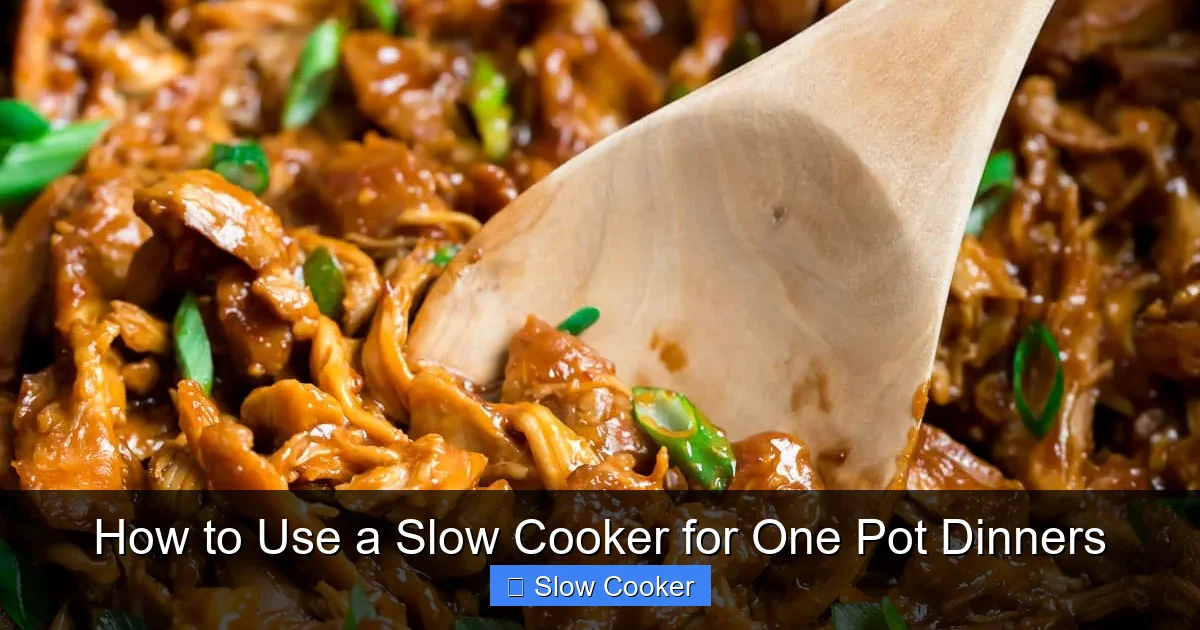
Visual guide about How to Use a Slow Cooker for One Pot Dinners
Image source: wellplated.com
Time settings vary, but most recipes fall into these general guidelines:
- Low: 6-8 hours for hearty dishes
- High: 3-4 hours for quicker meals
Always consult your user manual for specific instructions related to your model.
Step 1: Choose the Right One Pot Dinner Recipe
Pick recipes suitable for slow cooking
Some dishes are perfect for slow cookers, like:
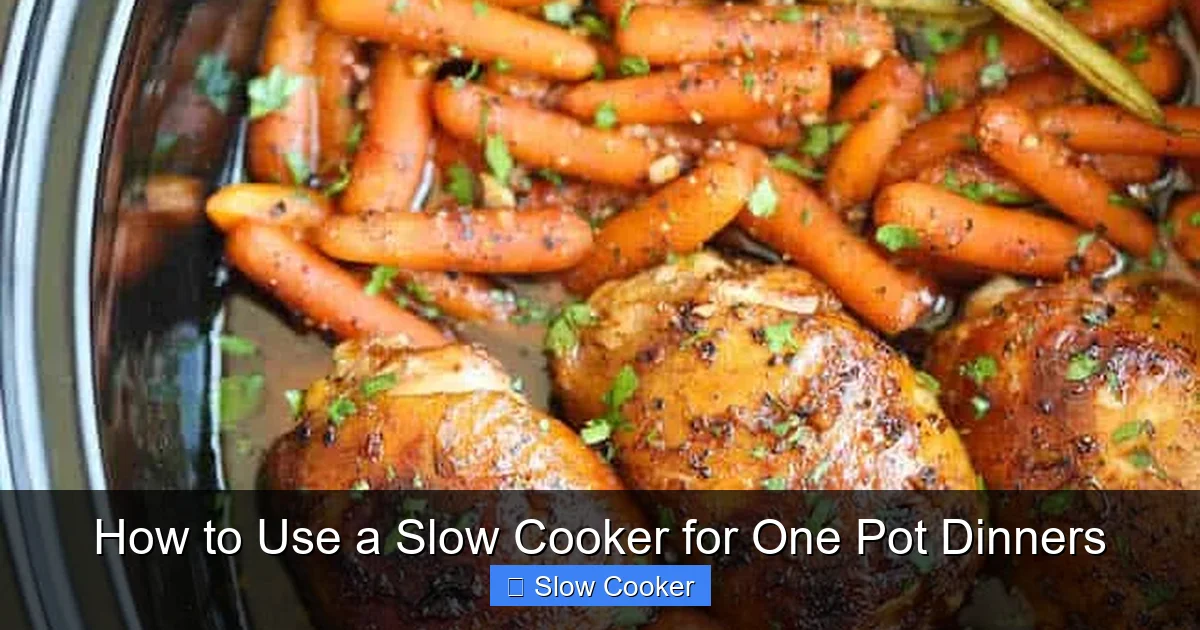
Visual guide about How to Use a Slow Cooker for One Pot Dinners
Image source: overthebigmoon.com
- Beef stew
- Chicken and rice casseroles
- Vegetable soups
- Chili
- Pot roasts
Look for recipes that require minimal prep and can cook for several hours without supervision. Avoid recipes with ingredients that cook quickly or require added freshness at the end, like pasta or delicate greens, unless the recipe specifies when to add them.
Step 2: Prepare Your Ingredients
Chop, season, and pre-cook as needed
Proper preparation ensures your meal turns out flavorful and evenly cooked:
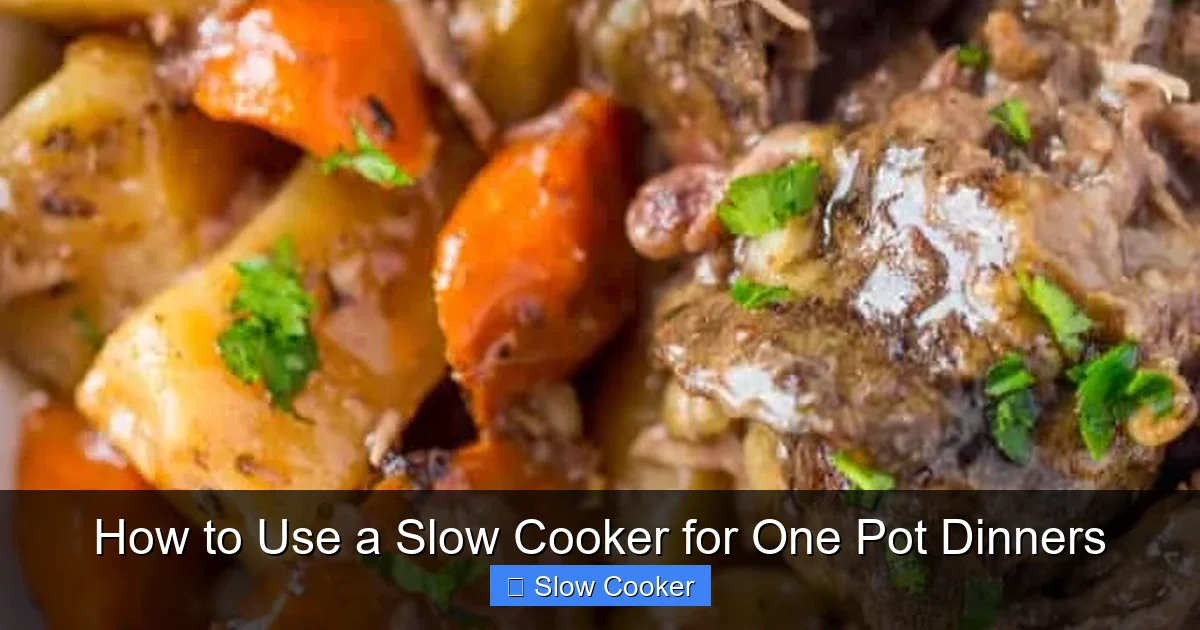
Visual guide about How to Use a Slow Cooker for One Pot Dinners
Image source: dinnerthendessert.com
- Chop vegetables: carrots, onions, peppers, and potatoes should be cut into uniform pieces.
- Brown meats: for more flavor, brown beef or chicken in a skillet before adding to the slow cooker. This step adds depth to your dish.
- Measure spices and liquids: pre-measure everything to streamline the process.
Tip: Keep ingredients organized in bowls or prep trays to make assembly quick and easy.
Step 3: Layer Ingredients Correctly
Build your dish in the right order
Layering is key for even cooking:
- Bottom layer: dense, tough ingredients like root vegetables or large chunks of meat.
- Middle layer: items that need moderate cooking, like beans or cut vegetables.
- Top layer: delicate ingredients, such as herbs, greens, or quick-cooking items, added towards the end if necessary.
For most stews or casseroles, place meat and root vegetables at the bottom, then add softer vegetables and liquids on top.
Step 4: Set the Temperature and Cooking Time
Follow recipe instructions and adjust as needed
Once ingredients are loaded, cover the slow cooker with the lid and set the temperature:
- Use low for flavors to develop slowly over several hours.
- Use high for faster cooking, especially when you’re short on time.
Set the timer according to your recipe. For example, a beef stew might cook on low for 8 hours, or on high for 4 hours. If you’re unsure, start with the recommended time and check for doneness.
Tip: For best results, avoid lifting the lid during cooking, as it releases heat and extends cooking time.
Step 5: Add Liquids and Seasonings
Ensure the right amount of moisture
Most slow cooker recipes require enough liquid to cover the ingredients slightly. Typical liquids include broth, water, tomato sauce, or wine. Too little liquid can cause burning or uneven cooking, while too much can make the dish watery.
Seasonings like salt, pepper, herbs, and spices should be added during preparation. Taste and adjust seasonings after cooking if possible.
Note: For dishes with rice or pasta, add these ingredients later to prevent overcooking or becoming mushy.
Step 6: Monitor and Finish Cooking
Check for doneness and adjust if necessary
Most slow cooker meals are forgiving. If you find your dish isn’t done after the set time, simply turn it to high or extend the cooking time. Use a meat thermometer to check if meats are cooked to safe temperatures (e.g., 165°F for poultry).
For dishes with vegetables, check that they are tender and flavors melded. If not, give it extra time.
If your dish is too dry, add a bit more broth or water and continue cooking.
Step 7: Serving and Cleanup
Enjoy your delicious one pot dinner
Once cooked, turn off the slow cooker and let it sit for a few minutes before serving. Use a slotted spoon or ladle to serve, especially for stews or soups.
For easy cleanup, consider lining your slow cooker with a slow cooker liner or washing it immediately after use with warm, soapy water.
Additional Tips for Perfect Slow Cooker Dinners
- Don’t overfill: keep the lid at least 1/2 to 2/3 full for optimal heat circulation.
- Layer smartly: dense ingredients at the bottom, delicate at the top.
- Use fresh ingredients: for better flavor and texture.
- Experiment with timings: slow cookers vary; keep notes for future reference.
Troubleshooting Common Issues
Food is undercooked
If your meal isn’t done after the recommended time, check the lid seal, increase the cooking time, or switch to high setting. Ensure you’re using the right amount of liquid and ingredients are layered properly.
Food is too watery
Remove the lid and cook on high for 15-30 minutes to reduce excess moisture. Alternatively, thicken with a slurry of cornstarch and cold water.
Food is dry or burnt
Make sure the slow cooker isn’t overfilled and that ingredients are properly layered. Add more liquids if needed and check for a proper lid seal.
Conclusion
Using a slow cooker for one-pot dinners is a simple, effective way to enjoy delicious, home-cooked meals with minimal effort. By choosing suitable recipes, preparing ingredients properly, and understanding your appliance, you can create flavorful dishes that save time and energy. Experiment with different ingredients and timings to find what works best for your taste. Happy slow cooking!
