

Yes, you can use a food processor for coffee beans in a pinch, but it’s important to manage your expectations regarding grind consistency. While it’s not ideal for all brewing methods, a food processor can deliver acceptable results for coarser grinds suitable for French press or cold brew. Always use short, controlled pulses and check consistency often to prevent overheating and ensure the best flavor from your freshly ground beans.
Can You Use Food Processor for Coffee Beans?
Coffee lovers, we’ve all been there. You’re craving a fresh cup, you have whole beans ready, but your dedicated coffee grinder decides to take a day off, or perhaps you just don’t own one. Panic sets in! You look around your kitchen and spot your trusty food processor. A question pops into your head: can you use a food processor to grind coffee beans?
The short answer is yes, you absolutely can use a food processor for coffee beans in a pinch. It’s a convenient workaround when you don’t have a specialized coffee grinder. However, it’s crucial to understand that a food processor won’t deliver the same precise, consistent grind you’d get from a dedicated coffee grinder, especially a burr grinder. This guide will walk you through exactly how to use your food processor to grind coffee beans, what to expect, and how to get the best possible results. By the end, you’ll know if grinding coffee beans in a food processor is the right emergency solution for your morning brew.
Key Takeaways
- Feasibility: A food processor *can* grind coffee beans, especially as a last resort, but it won’t achieve the uniform consistency of a dedicated coffee grinder.
- Technique is Key: Use short, controlled pulses instead of continuous blending. This prevents overheating the beans and helps achieve a more even, albeit imperfect, grind.
- Grind Inconsistency: Expect a less uniform grind with a mix of coarse and fine particles. This is generally acceptable for brewing methods like French press but unsuitable for espresso.
- Flavor Impact: Continuous processing can generate heat, which “cooks” the beans and can lead to a bitter, burnt taste. Keep the machine cool by pulsing and resting.
- Cleaning is Crucial: Thoroughly clean your food processor before and after grinding coffee beans to prevent flavor contamination from previous foods and preserve the coffee’s fresh taste.
- Manage Expectations: While a food processor is a viable temporary solution, it is not a long-term replacement for a burr grinder, which offers superior control and consistency for optimal coffee flavor.
- Small Batches Only: To get the best results and protect your appliance, always grind small quantities of coffee beans at a time. This allows the blades to work more effectively.
Why Grind Your Own Coffee Beans?
Before we dive into the “how-to,” let’s quickly touch on why grinding your own coffee beans is such a popular practice. Freshly ground coffee makes a noticeable difference in taste and aroma. Coffee beans start to lose their flavor and aroma minutes after being ground, as they expose more surface area to oxygen. Grinding right before brewing locks in those delicious oils and volatile compounds, giving you a richer, more vibrant cup. So, even if you’re using a food processor, you’re still ahead of the game compared to pre-ground coffee that has been sitting on a shelf.
Understanding Food Processors for Coffee Grinding
Food processors are incredibly versatile kitchen tools, designed to chop, slice, shred, and purée a wide variety of ingredients. They typically come with S-shaped blades that spin at high speeds. While these blades are excellent for many tasks, they “chop” rather than “grind” coffee beans. Dedicated coffee grinders, especially burr grinders, crush beans uniformly between two abrasive surfaces, creating an even particle size. A food processor, on the other hand, will produce a more inconsistent grind, with some very fine particles and some coarser chunks. This inconsistency is the main trade-off when you use a food processor for coffee beans.
Before You Begin: Preparation and Safety
Safety and cleanliness are paramount when using any kitchen appliance, especially when dealing with food items like coffee beans that absorb flavors easily.
Gather Your Equipment
- Your food processor with its standard S-blade.
- Whole coffee beans.
- A measuring scoop or scale.
- An airtight container for storing ground coffee (optional, but recommended if you grind more than needed).
- A fine-mesh sieve (optional, for refining your grind).
Ensure Cleanliness
This is a critical step! Coffee beans easily absorb residual flavors from your food processor. Imagine your morning brew tasting like last night’s garlic hummus or onions. Not ideal!
- Wash Thoroughly: Before you even think about putting coffee beans in, make sure the food processor bowl and blade are spotlessly clean and completely dry.
- Eliminate Odors: If your food processor has strong lingering odors, try running a handful of plain white rice through it for a minute or two, then discard the rice and wash again. This can help absorb stubborn smells.
Safety First
Always follow the manufacturer’s safety guidelines for your food processor. Make sure the lid is securely locked in place before operating the machine. Keep your hands clear of the blades at all times, especially when assembling or disassembling the unit.
Visual guide about Can You Use Food Processor for Coffee Beans
Image source: typescoffee.com
Visual guide about Can You Use Food Processor for Coffee Beans
Image source: typescoffee.com
Step-by-Step Guide: How to Grind Coffee Beans in a Food Processor
Now, let’s get to the nitty-gritty of how to get those whole beans ready for brewing using your food processor.
Step 1: Prepare Your Food Processor
As mentioned, cleanliness is key. Ensure your food processor is clean, dry, and assembled correctly. The standard S-blade (also known as the universal or chopping blade) is what you’ll use for grinding coffee beans.
Visual guide about Can You Use Food Processor for Coffee Beans
Image source: typescoffee.com
Step 2: Measure Your Coffee Beans
It’s best to grind only the amount of coffee you need for immediate brewing. This helps maintain freshness. A good rule of thumb is about 1-2 tablespoons of whole beans per 6 ounces of water, depending on your preferred strength. Remember, you’ll be working in small batches to achieve the best results when you use a food processor for coffee beans.
Step 3: Add Beans to the Food Processor
This is where “small batches” becomes important. Do not overfill the food processor bowl. Overfilling will prevent the blades from effectively reaching all the beans, leading to an even more inconsistent grind and potentially straining your machine. For most standard food processors, a quarter to a half cup of beans at a time is a good starting point.
- Small Quantities are Best: A handful of beans, roughly 1/4 to 1/2 cup, is ideal for each grinding session. This allows the beans to move freely and ensures the blades can chop them more uniformly.
Step 4: Pulse the Beans
This is the most critical step for success. The “pulse” function is your best friend when grinding coffee beans in a food processor. You want to use short, quick bursts, rather than a continuous run. This technique mimics the action of a blade grinder to some extent and helps prevent overheating.
-
Short, Controlled Pulses
Press the pulse button for 1-2 seconds, then release. Repeat this action. The idea is to let the blades chop the beans and then allow them to settle slightly before the next pulse. This helps to distribute the beans evenly within the bowl.
-
Check Consistency Regularly
After about 5-10 pulses, stop the machine, remove the lid (carefully!), and check the grind consistency. You might need to tap the sides of the bowl or stir the beans with a spoon to bring larger chunks from the bottom to the top where the blades can reach them. Replace the lid securely before continuing to pulse.
Step 5: Achieve Your Desired Grind
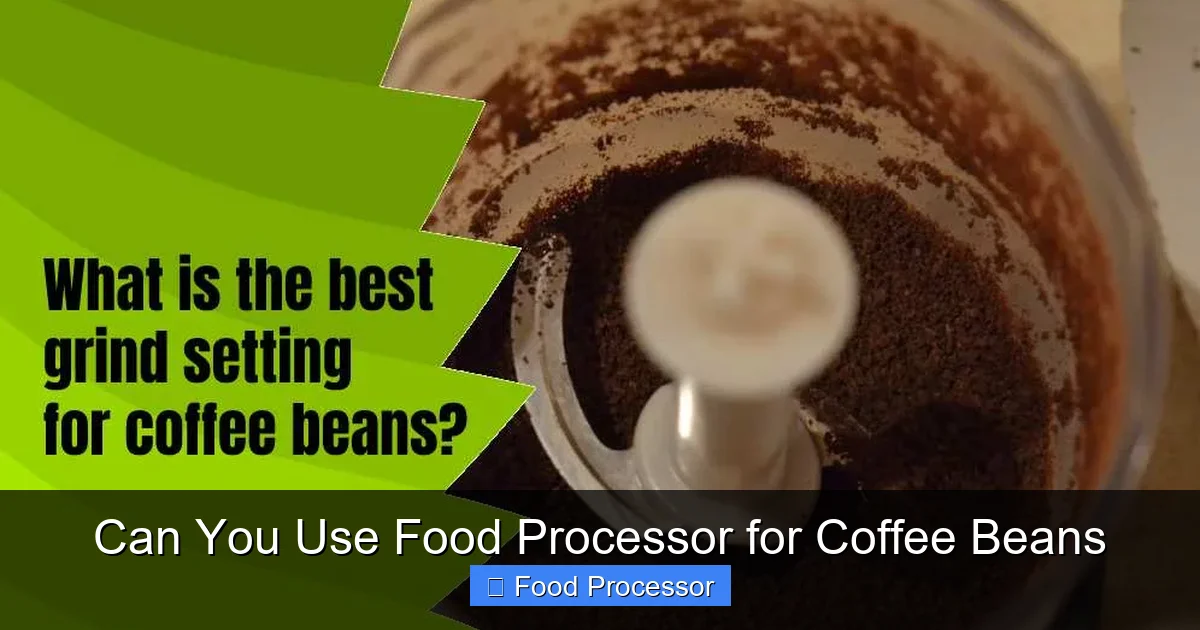
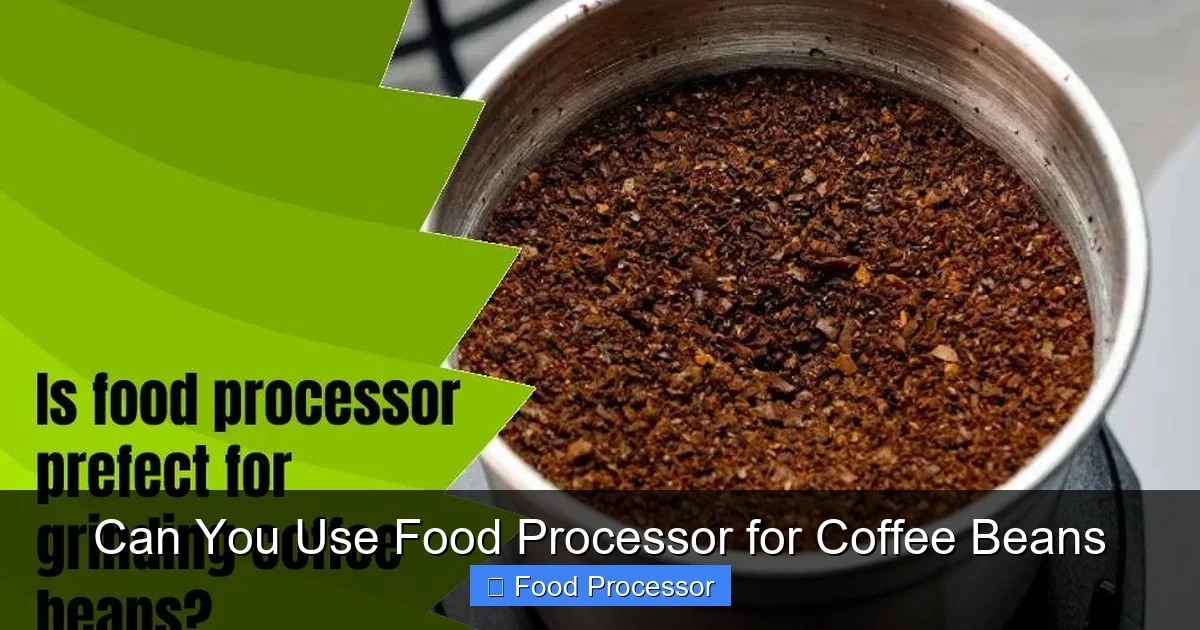
The length of time you pulse will determine the coarseness of your grind. Keep in mind that a food processor will produce a less uniform grind than a dedicated grinder. You’ll likely see a mix of particle sizes. Here’s what to aim for based on common brewing methods:
-
Coarse Grind (French Press, Cold Brew)
For French press or cold brew, you need a coarse, consistent grind, similar to sea salt or breadcrumbs. Pulse until most of the beans are broken down into visible chunks, but avoid over-processing. This is generally the easiest grind to achieve with a food processor for coffee beans.
-
Medium Grind (Drip Coffee Makers)
A medium grind resembles regular sand. This is suitable for automatic drip coffee makers. You’ll need more pulses than for a coarse grind, but be careful not to turn it into a fine powder. This can be tricky to get right with a food processor, as you’ll have more “fines” (very small particles) mixed in.
-
Fine Grind (Espresso – *Proceed with Caution*)
A fine grind, like sugar or table salt, is needed for espresso machines. Achieving this consistency evenly with a food processor is very difficult and generally not recommended. The inconsistent grind can lead to uneven extraction, resulting in bitter or sour espresso, and the fine particles might clog your machine. If espresso is your priority, a dedicated burr grinder is essential. If you absolutely must try, be prepared for a less-than-ideal result and clean your espresso machine thoroughly afterward.
Step 6: Empty and Store Your Ground Coffee
Once you’ve reached your desired (or closest possible) grind, carefully remove the blade and empty the ground coffee into your brewing device or an airtight container. If you have a fine-mesh sieve, you can sift the ground coffee to remove some of the finer “dust” and larger chunks, which might help improve consistency, especially for pour-over or drip methods. However, this is an extra step and might not be worth the effort for an emergency grind.
Tips for Best Results When You Use a Food Processor for Coffee Beans
To maximize your chances of a decent cup, here are some practical tips:
- Don’t Overfill: We can’t stress this enough! Small batches allow for better bean movement and more effective chopping.
- Work in Small Batches: Grind only what you need for your immediate brew. If you need more, clean out the bowl and grind a fresh small batch.
- Avoid Overheating: Continuous processing generates heat, which can “cook” your beans and impart a burnt flavor. Use short pulses and give the machine brief rests between pulsing sessions, especially if you’re trying to get a finer grind. Knowing how long you can leave a food processor running continuously is helpful here; for coffee beans, aim for much shorter bursts.
- Shake or Tap the Bowl: After a few pulses, turn off the food processor and gently shake or tap the bowl. This helps to redistribute the beans, ensuring more even exposure to the blades.
- Consider a Sieve: For a slightly more uniform result, pass your ground coffee through a fine-mesh sieve. This will separate the larger chunks from the fine powder, allowing you to use the more consistent middle-ground.
- Use Fresh Beans: The fresher the whole beans, the better your coffee will taste, regardless of how you grind them.
- Understand Grind Inconsistency: Accept that the grind will not be perfectly uniform. Adjust your brewing method accordingly; for instance, a coarser, more inconsistent grind will do better in a French press, which tolerates larger particles and longer steeping times.
Drawbacks and Limitations
While a food processor can get the job done, it’s important to be aware of its limitations:
- Inconsistent Grind: This is the biggest drawback. The blades chop rather than crush, resulting in a mix of fine powder and large chunks. This inconsistency can lead to uneven extraction during brewing, where some parts of the coffee are over-extracted (bitter) and others are under-extracted (sour or weak).
- Heat Generation: The high-speed blades can generate heat, especially with continuous processing. Heat can degrade the delicate oils in coffee beans, leading to a duller, more bitter flavor.
- Noise: Grinding hard coffee beans in a food processor can be quite noisy.
- Lack of Fine Grind: Achieving a truly fine, uniform grind suitable for espresso or Turkish coffee is virtually impossible.
- Flavor Contamination: If not thoroughly cleaned, residual flavors from previous food items can transfer to your coffee, ruining its taste.
When to Consider an Alternative
If you find yourself frequently using your food processor for coffee beans, or if you’re consistently disappointed with the results, it might be time to invest in a dedicated coffee grinder. A burr grinder, in particular, offers superior consistency, minimal heat generation, and precise control over grind size, elevating your coffee experience significantly. If you don’t have a food processor or a grinder at all, there are even other methods you can use to grind coffee beans, though they might be more labor-intensive. For those without a food processor, exploring what can you use if you don’t have a food processor for various kitchen tasks might reveal some interesting grinding alternatives too.
Cleaning Your Food Processor After Grinding Coffee
Once you’re done, remember to clean your food processor thoroughly. Even if coffee doesn’t leave strong flavors, coffee oils can build up and become rancid over time, affecting future uses. Disassemble the bowl and blade, wash them with warm soapy water, and ensure they are completely dry before storing. For a basic guide on how to use and care for your appliance, you might find a general article on how to use a food processor step-by-step helpful for future reference.
Conclusion
So, can you use a food processor for coffee beans? Yes, it’s a workable solution when you’re in a pinch and craving that fresh coffee aroma. While it won’t produce the perfect, consistent grind of a specialized coffee grinder, with the right technique—using short pulses, grinding in small batches, and managing your expectations—you can certainly achieve a decent grind suitable for brewing methods like French press or cold brew. Just remember the key takeaways: pulse, clean thoroughly, and understand the limitations. Enjoy your makeshift, but still delicious, freshly brewed cup!
