

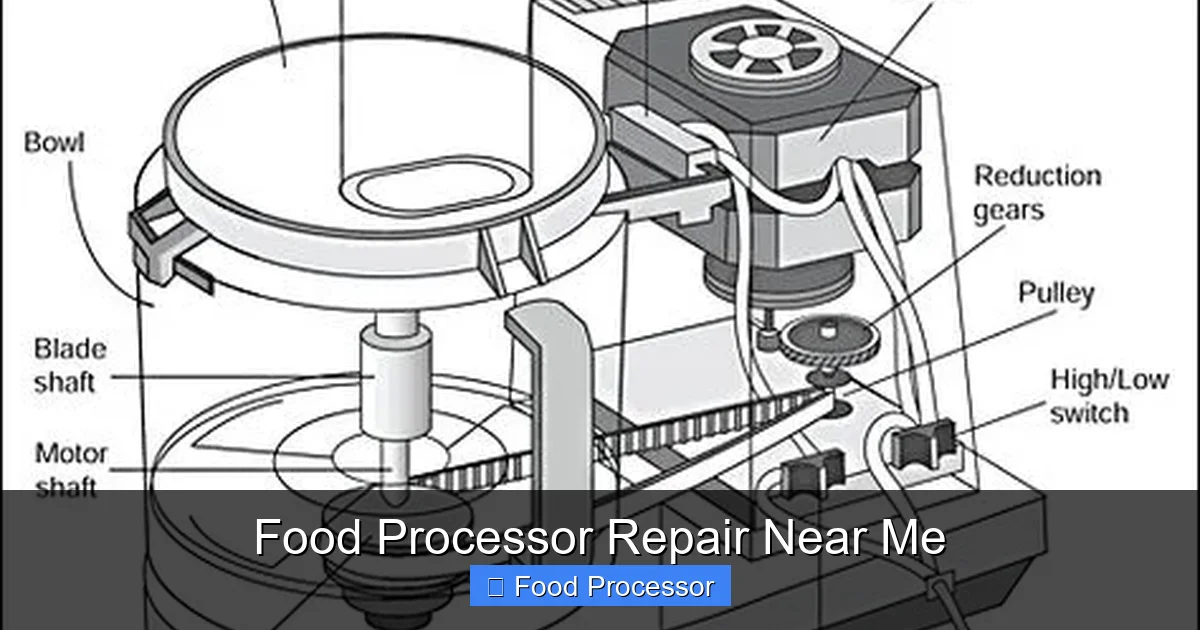
Is your trusty kitchen helper acting up? Before searching for “food processor repair near me” or buying a new one, this guide empowers you with the knowledge to tackle common issues yourself. You’ll learn how to diagnose problems like a non-starting motor, a blade that won’t spin, or a leaky bowl, often saving you time and money. Discover practical troubleshooting steps and understand when a simple fix is possible versus when it’s time to call a professional or consider a replacement.
Food Processor Repair Near Me
There’s nothing quite like the convenience of a food processor in your kitchen. From chopping veggies to pureeing sauces, it’s an indispensable tool. But what happens when your culinary companion decides to take an unexpected break? The thought of searching for “food processor repair near me” or, worse, buying a brand new one can be daunting. The good news is that many common food processor problems can be diagnosed and fixed right at home with a little patience and the right know-how.
This comprehensive guide will walk you through the process of troubleshooting and repairing your food processor. We’ll cover everything from basic checks to more involved fixes, helping you get your appliance back in working order. Our goal is to empower you to handle minor issues yourself, saving you time, money, and the hassle of finding a professional service for a simple problem. Let’s dive in and bring your food processor back to life!
Key Takeaways
- Safety First: Always unplug your food processor before attempting any inspection, cleaning, or repair to prevent electrical shock.
- Common Issues are Often Simple: Many food processor problems, such as failure to start or a blade not spinning, are due to assembly errors, tripped circuits, or minor clogs, which are easy to fix.
- Diagnostic Steps are Crucial: Systematically check power, assembly, and individual components to pinpoint the exact cause of a malfunction before attempting a repair.
- Know Your Limits: For complex electrical issues, motor problems, or if you’re uncomfortable with disassembling appliances, it’s safer and often more cost-effective to consult a professional food processor repair service.
- Regular Maintenance Prevents Repairs: Keeping your food processor clean, assembling it correctly, and not overloading it can significantly extend its lifespan and reduce the need for repairs.
- When to Replace vs. Repair: If repair costs exceed 50% of a new unit’s price, or if the unit is very old and parts are unavailable, investing in a new food processor might be the more practical choice.
Safety First: Always Unplug Before You Start
Before you even think about touching a single screw or inspecting any part of your food processor, the absolute most important step is to ensure it is unplugged from the wall outlet. This prevents accidental startup and eliminates the risk of electrical shock. Your safety is paramount. Once unplugged, you can proceed with confidence.
Gather Your Tools and Supplies
Having the right tools on hand will make the repair process much smoother. You don’t need a full workshop, but a few basic items will be very helpful:
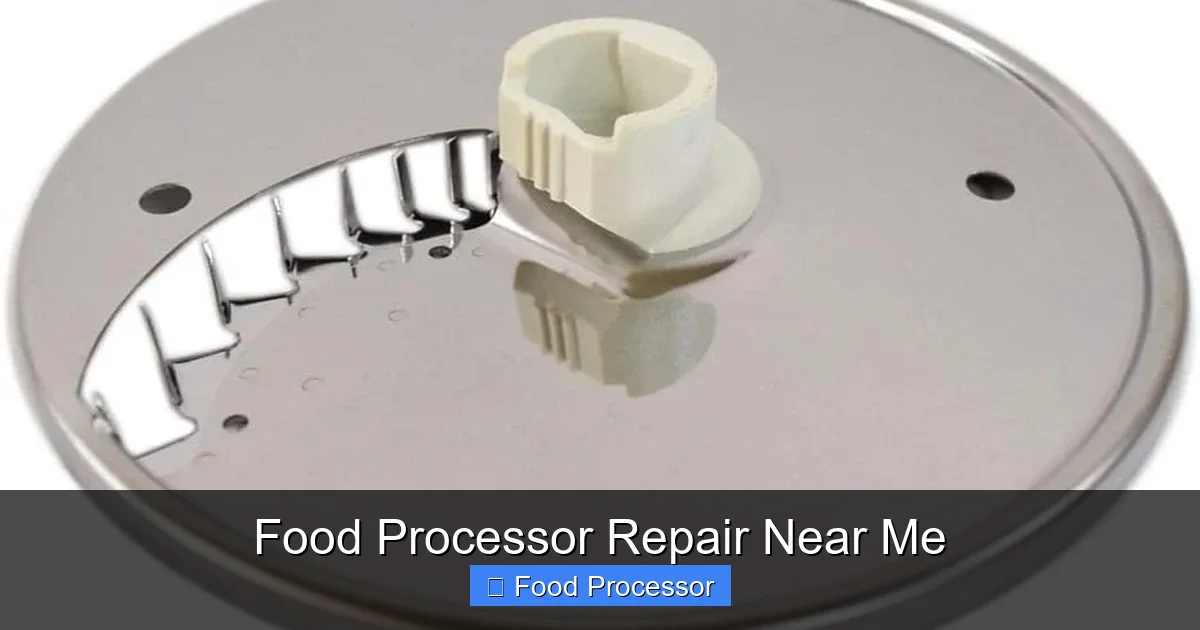
Visual guide about Food Processor Repair Near Me
Image source: images-na.ssl-images-amazon.com
- Screwdriver Set: Philips head and flathead screwdrivers are usually sufficient. Sometimes, specialized security bits might be needed for certain brands.
- Pliers: Needle-nose pliers can be useful for gripping small components.
- Multimeter (Optional but Recommended): For checking electrical continuity and voltage, especially if the unit isn’t powering on.
- Cleaning Supplies: A brush, old toothbrush, and some mild detergent for cleaning stuck food debris.
- Safety Gloves: To protect your hands from sharp blades and internal components.
- Owner’s Manual: This is invaluable! It often contains troubleshooting tips, assembly diagrams, and parts lists specific to your model.
- Work Surface: A clean, well-lit area where you can lay out parts.
Diagnosing Common Food Processor Problems
Let’s break down the most frequent issues food processor owners face and how to approach them. The key to effective food processor repair is systematic diagnosis.
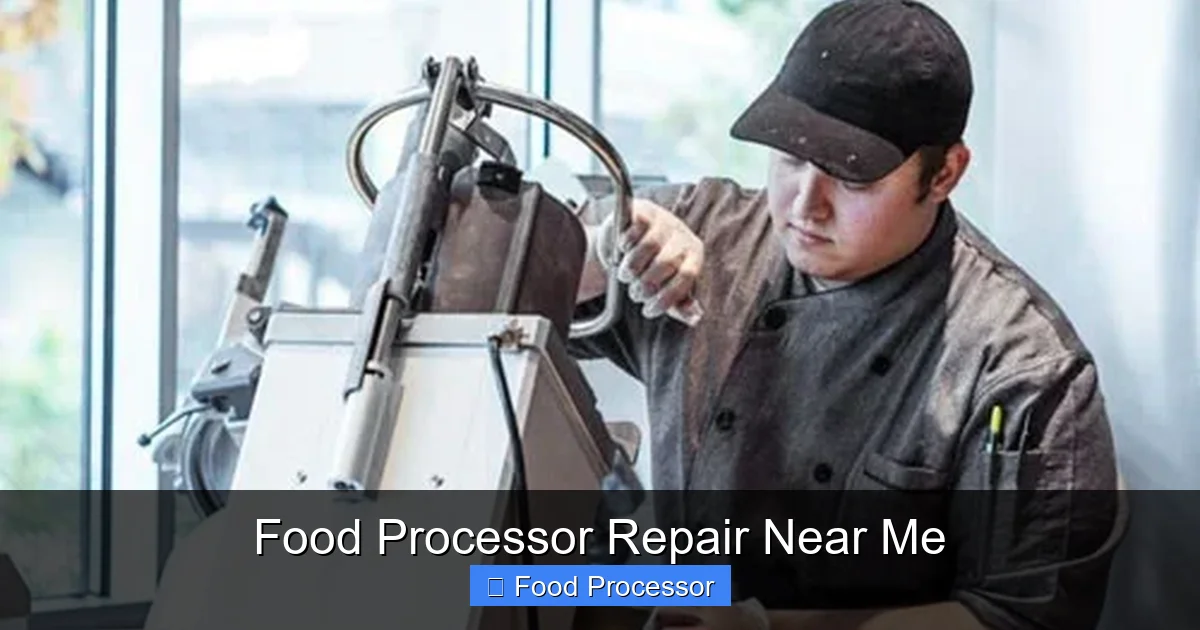
Visual guide about Food Processor Repair Near Me
Image source: assets-global.website-files.com
1. Food Processor Not Turning On
This is arguably the most frustrating problem. You plug it in, press the button, and… nothing. Don’t panic; often, the fix is quite simple.
Check the Power Source and Outlet
- Wall Outlet: Is the outlet live? Plug in another appliance, like a lamp, to confirm it’s working. If not, check your home’s circuit breaker box for a tripped breaker.
- Power Cord: Inspect the power cord for any visible damage, frayed wires, or kinks. A damaged cord needs to be replaced by a professional or with a genuine manufacturer part.
- GFCI Outlet: If plugged into a Ground Fault Circuit Interrupter (GFCI) outlet, try pressing the “Reset” button.
Verify Proper Assembly
Most food processors have safety interlock mechanisms that prevent them from operating unless all parts are correctly assembled. This is a very common reason for a food processor not starting.
- Bowl Alignment: Ensure the work bowl is securely locked onto the motor base. There’s usually a specific rotational motion required.
- Lid Alignment: The lid must be correctly seated and locked into place. Often, a tab on the lid needs to align with a switch on the handle or base.
- Pusher/Feed Chute: Some models require the food pusher to be in place or the feed chute to be covered.
- Blade/Disc Placement: Confirm the blade or disc is properly seated on the drive shaft within the bowl. For more details on this, you might find our guide on how to assemble a food processor step-by-step helpful.
Internal Safety Mechanisms
- Overload Protection: If you’ve overloaded the food processor or used it for an extended period, it might have an internal thermal cutout switch that trips to prevent motor damage. Unplug the unit and let it cool down for 30 minutes to an hour. Then, try plugging it back in and restarting.
2. Food Processor Blade Not Spinning (Motor Hums or Works)
The motor might be running, or you hear a hum, but the blade isn’t turning. This usually points to an issue with the drive mechanism.
Check for Obstructions
- Stuck Food: Large pieces of food can jam the blade. Unplug the unit, remove the bowl and blade, and check for any lodged food beneath the blade or on the drive shaft. Clean thoroughly.
- Overfilling: An overfilled bowl can put too much strain on the motor and prevent the blade from spinning freely.
Inspect the Drive Coupling/Sleeve
The drive coupling connects the motor shaft to the blade assembly. These are often made of plastic or rubber and can wear down or break.
- Base Coupling: Look at the coupling on the motor base. Are the teeth or splines worn, stripped, or broken?
- Blade Coupling: Examine the corresponding part on the bottom of the blade assembly. Is it damaged?
- Replacement: If either coupling is damaged, you’ll likely need to order a replacement part specific to your model. This is a common and relatively inexpensive food processor repair. For more insights into this specific problem, our article on why is my food processor blade not spinning can provide additional context.
3. Food Processor Is Leaking
Leaking can be messy and indicate a problem with the bowl’s seal or the blade’s fit.
Inspect the Work Bowl and Lid
- Cracks: Carefully check the work bowl and lid for any hairline cracks. Even small cracks can cause leaks, especially with liquids.
- Gasket/Seal: Many bowls have a rubber gasket or seal around the bottom where the blade shaft passes through. Over time, these can wear out, crack, or become dislodged. Ensure it’s properly seated. If damaged, a replacement gasket or a new bowl might be needed.
- Blade Seal: The blade itself often has a seal. Make sure it’s intact and properly fitted when the blade is assembled.
Proper Assembly
Again, ensuring the bowl and lid are correctly aligned and locked can prevent leaks. If they’re not sealed tightly, liquid can escape.
4. Unusual Noises or Overheating
Strange noises or excessive heat usually indicate a more serious internal issue, often with the motor.
Loud Noises/Grinding
- Overload: As with the blade not spinning, overloading can strain the motor, causing it to work harder and make louder noises. Reduce the load.
- Worn Bearings: A grinding sound often points to worn motor bearings. This is a complex repair usually requiring professional help or a motor replacement.
- Loose Parts: Sometimes a rattling sound can be a loose screw or a piece of debris inside the housing.
Overheating
- Overuse: Running the food processor continuously for too long without breaks can cause it to overheat. Allow it to cool down.
- Blocked Vents: Check the motor base for blocked ventilation holes. Dust and food debris can accumulate, preventing proper airflow. Clean them carefully with a brush.
- Motor Issues: If overheating persists, it could be a sign of a failing motor or motor brushes. This is a job for a professional food processor repair technician.
5. Intermittent Operation
Your food processor works sometimes, then stops, then starts again. This can be particularly frustrating.
Loose Connections
- Power Cord: A loose connection at the plug or where the cord enters the base can cause intermittent power.
- Internal Wiring: This is harder to diagnose without opening the unit. If you’re comfortable, you might check for loose wires inside, but only if unplugged and you know what you’re doing.
Faulty Safety Switches
The safety interlock switches (for the bowl or lid) can become faulty or sticky over time. They might not always make contact, leading to intermittent power.
- Clean Switches: Sometimes cleaning around the switch mechanism can help.
- Test Continuity: A multimeter can test the continuity of these switches to see if they are functioning reliably. If not, they might need replacement.
Advanced Food Processor Repair Steps (When Needed)
For some issues, you might need to open up the motor base. Remember, this voids warranties and should only be attempted if you’re comfortable with basic appliance repair.
1. Disassembling the Motor Base
- Locate Screws: Turn the unit upside down and look for screws holding the base together. They might be hidden under rubber feet or labels.
- Careful Opening: Gently pry open the housing. Be mindful of internal wiring and components. Take pictures as you go to help with reassembly.
2. Inspecting Internal Components
- Wiring: Look for any loose, burnt, or frayed wires. Reconnect any obvious loose connections.
- Switches: Visually inspect the power switch and safety interlock switches for physical damage or signs of burning.
- Motor Brushes (for some models): If your motor uses carbon brushes, they can wear down. If accessible, check their length and replace if too short.
- Fuses: Some food processors have internal fuses. Use a multimeter to check for continuity across any fuses you find.
3. Replacing Parts
If you’ve identified a faulty part (like a drive coupling, switch, or cord), search online for “food processor repair parts” for your specific brand and model. Many manufacturers offer parts directly, or you can find them through appliance parts retailers. Always use genuine parts or high-quality compatible replacements.
4. Reassembling Your Food Processor
This is where those photos you took come in handy! Carefully put everything back together in reverse order. Ensure all wires are clear of moving parts and that screws are tightened securely but not over-tightened.
When to Call a Professional Food Processor Repair Service or Replace
While DIY food processor repair can save you money, there are times when calling a professional or considering a new unit is the best option.
- Complex Electrical Issues: If you’re dealing with internal wiring problems, motor failure, or a complex control board issue, it’s safer to seek professional help. Electrical work carries risks if not done correctly.
- Lack of Parts: For older or discontinued models, finding replacement parts can be impossible.
- Cost of Repair: If the estimated repair cost (including parts and labor) approaches or exceeds 50% of the price of a new food processor, it often makes more financial sense to buy a new one. This is especially true if your current unit is several years old.
- Under Warranty: If your food processor is still under warranty, attempting DIY repair will likely void it. Contact the manufacturer or retailer for service.
- Personal Comfort: If you’re not comfortable with disassembling appliances or working with electrical components, don’t force it. There are skilled technicians who specialize in food processor repair near me or in your local area.
When considering a replacement, think about what to consider when buying a food processor to ensure your next appliance meets all your needs.
Maintaining Your Food Processor to Prevent Future Repairs
A little preventative maintenance can go a long way in extending the life of your food processor and reducing the need for “food processor repair near me” searches.
- Clean After Every Use: Promptly clean the bowl, lid, and blades. Food particles can dry and harden, leading to blockages or wear on seals.
- Proper Assembly: Always ensure the unit is correctly assembled before use. This prevents strain on the motor and safety switches.
- Don’t Overload: Respect the maximum capacity of your food processor. Overloading stresses the motor and can lead to overheating or blade jamming.
- Avoid Hard Foods: While powerful, some food processors aren’t designed for extremely hard items like unsoaked grains or large ice cubes, which can damage blades or motors.
- Store Properly: Keep your food processor components organized and stored away from potential damage.
Conclusion
Your food processor is a workhorse, and like any appliance, it can sometimes run into trouble. We hope this guide has given you the confidence to tackle common food processor repair issues yourself. From simple power checks to identifying a worn drive coupling, many problems have straightforward solutions that don’t require professional help. Remember to always prioritize safety by unplugging the unit before any inspection or repair.
By understanding the basic workings of your appliance and following systematic troubleshooting steps, you can often save money and keep your food processor performing its best. And if you do find yourself needing a professional, at least you’ll have a better understanding of the problem when you search for “food processor repair near me.” Happy cooking!
