

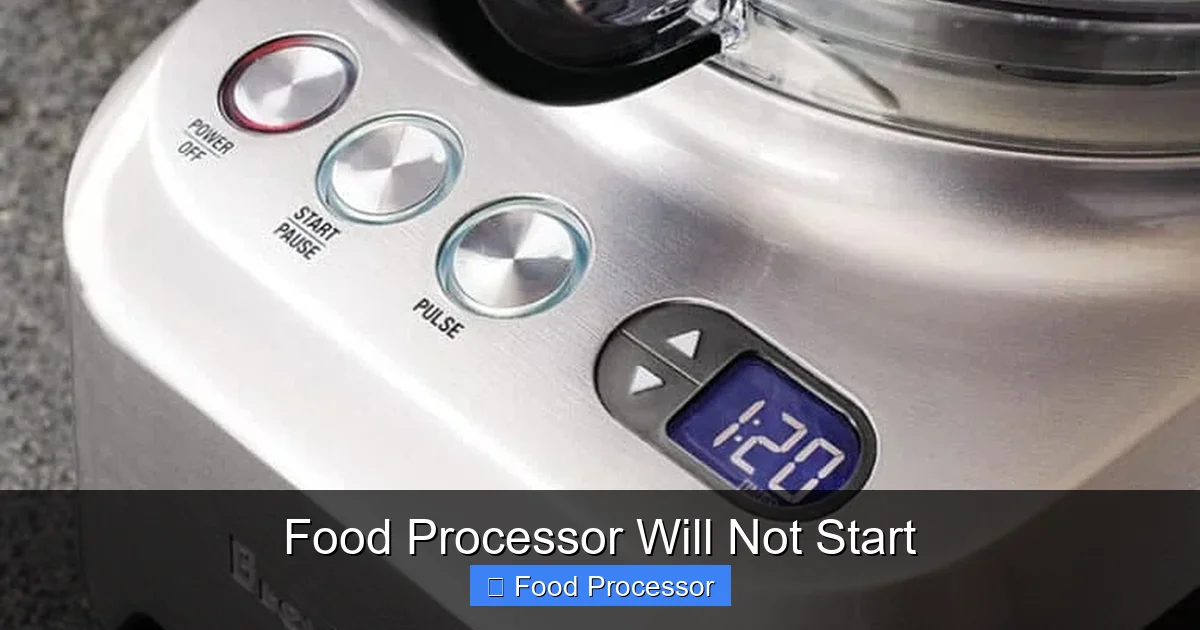
Is your food processor not starting? Don’t fret! Often, the problem lies with power supply issues, improper assembly, or a tripped safety mechanism. This guide offers straightforward steps to diagnose and fix common reasons why your food processor won’t start, helping you get back to blending and chopping in no time.
Food Processor Will Not Start
There’s nothing quite as frustrating as being in the middle of preparing a delicious meal, only for your trusty food processor to suddenly decide it’s not going to cooperate. You plug it in, press the button, and… nothing. No whirring, no grinding, just silence. A food processor will not start for several common reasons, and most of them are surprisingly easy to fix right at home.
Don’t panic and certainly don’t toss it out just yet! This comprehensive guide will walk you through all the steps to diagnose why your food processor isn’t turning on. We’ll cover everything from the simplest power checks to more specific component issues. By the end, you’ll have a clear understanding of how to troubleshoot your appliance and hopefully get it back to its chopping, slicing, and dicing glory. Let’s get your food processor running again!
Key Takeaways
- Always Check the Power Source First: Before anything else, confirm your food processor is plugged into a working outlet and the circuit breaker hasn’t tripped.
- Proper Assembly is Crucial: Most food processors have safety features that prevent operation if the bowl, lid, and blade are not correctly aligned and locked into place.
- Understand Safety Interlock Systems: These mechanisms are designed to protect you, but they are a common reason a food processor will not start if not fully engaged.
- Beware of Overload Protection: If the motor suddenly stopped or refuses to start, it might have overheated or been overloaded, requiring a cool-down period.
- Inspect for Blockages: Sometimes, food debris can jam the blade or motor shaft, preventing the food processor from starting.
- Consider Professional Help for Internal Issues: If basic troubleshooting doesn’t work, internal electrical or motor problems might require a qualified technician or indicate it’s time for a replacement.
Step 1: Check the Power Supply – The First and Easiest Fix
Often, when a food processor will not start, the problem isn’t with the appliance itself but with its power source. This is the simplest place to begin your troubleshooting journey.
Check the Outlet
First, make sure the outlet you’re using is active. It might sound obvious, but sometimes an outlet can stop working without you realizing it. Plug another small appliance, like a phone charger or a lamp, into the same outlet. If that appliance doesn’t work either, you’ve found your culprit.
Inspect the Power Cord
Carefully examine the power cord of your food processor. Look for any visible damage, such as cuts, frayed wires, or bent prongs. A damaged cord can prevent power from reaching the motor. If you find damage, it’s best not to use the appliance and consider replacing the cord or the unit.
Reset the Circuit Breaker or GFCI Outlet
If the outlet isn’t working, check your home’s circuit breaker panel. Sometimes, an appliance can trip a breaker, cutting power to that specific outlet or group of outlets. Flip the tripped breaker back to the “ON” position. If your food processor is plugged into a GFCI (Ground Fault Circuit Interrupter) outlet (often found in kitchens and bathrooms), press the “RESET” button on the outlet itself. This often fixes the issue of a food processor not starting.
Step 2: Ensure Proper Assembly – Safety First!
Modern food processors are designed with safety in mind. They usually won’t start if all components aren’t correctly assembled and locked into place. This is a very common reason why a food processor will not start.
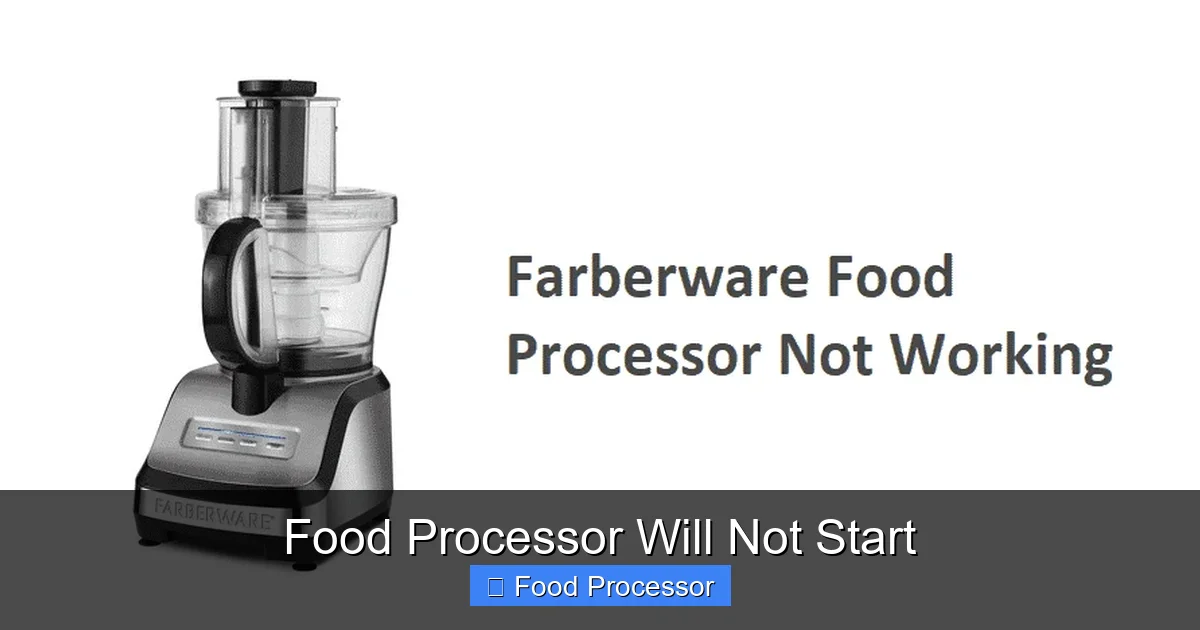
Visual guide about Food Processor Will Not Start
Image source: missvickie.com
Correctly Attach the Bowl
The work bowl must be securely seated on the motor base. Most models require you to place the bowl on the base and then twist it clockwise until it clicks or locks firmly into position. If the bowl isn’t properly engaged, the safety interlock switch won’t activate, and your food processor won’t start.
If you’re unsure about the correct assembly, it’s a good idea to consult your appliance’s manual or refer to a guide like How To Assemble Food Processor Step By Step for detailed instructions specific to your model.
Secure the Lid Properly
Just like the bowl, the lid has a safety mechanism. You need to place the lid on top of the bowl and rotate it until it locks into place. There’s often a tab on the lid that needs to align with a slot on the handle or base. If the lid is even slightly off, the safety switch will remain open, and your food processor will not start.
Install the Blade/Disc Correctly
Ensure the processing blade or slicing/shredding disc is correctly placed on the central spindle inside the bowl before attaching the lid. An improperly seated blade might prevent the lid from locking fully, or it might prevent the motor from engaging even if the lid seems okay.
Step 3: Understand the Safety Interlock Mechanism
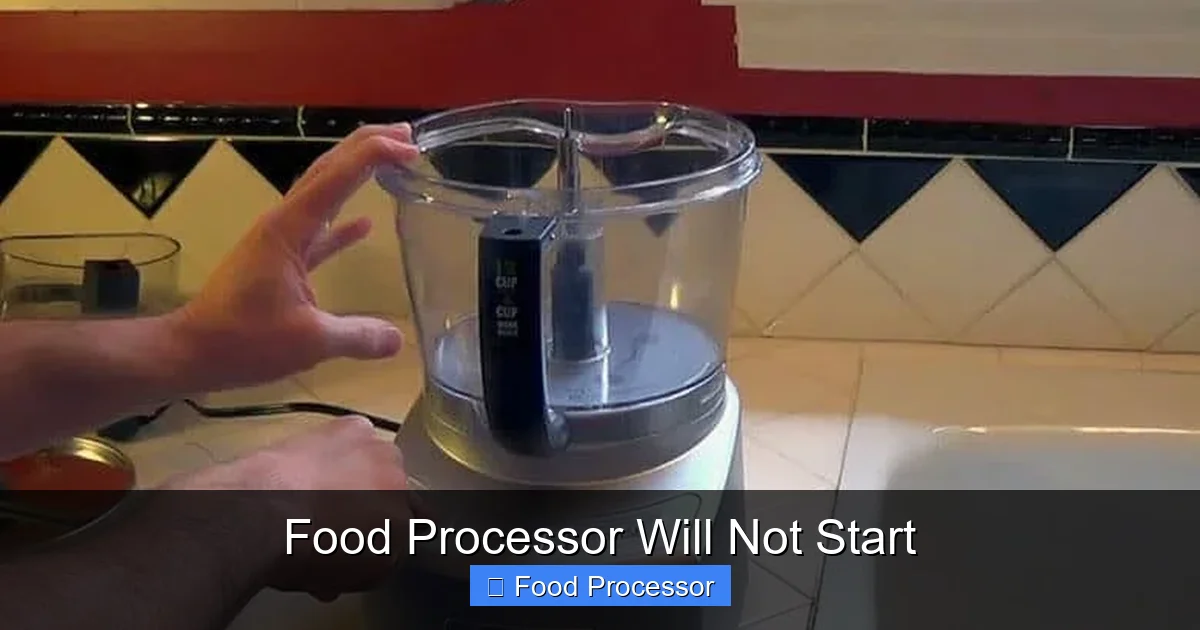
The safety interlock is a critical feature that prevents the motor from running when components are not fully secured. If your food processor will not start, this is a prime suspect after power and basic assembly.
Visual guide about Food Processor Will Not Start
Image source: helloportable.com
Locate and Inspect the Interlocks
Most food processors have two main interlocks: one for the bowl and one for the lid. These are small pins or tabs that depress switches when the components are correctly locked. Over time, these pins can get sticky, dirty, or even slightly bent. Carefully inspect them for any visible obstructions or damage. Make sure nothing is preventing them from fully engaging.
Test the Interlock Engagement
With the food processor unplugged, try assembling and disassembling the bowl and lid a few times. Listen for the distinct “click” that indicates they are locked. If you don’t hear it, or if it feels loose, there might be an issue with the alignment or the interlock mechanism itself. Sometimes, the issue could be with specific brands; for instance, understanding Why Is Cuisinart Food Processor Not Working might involve specific interlock designs unique to those models.
Step 4: Check for Motor Overload Protection
Many food processors have a built-in safety feature that automatically shuts off the motor if it detects it’s working too hard or getting too hot. This is known as overload protection.
Allow the Motor to Cool Down
If your food processor suddenly stopped working mid-task, or if you were processing very tough ingredients for an extended period, the motor might have overheated. Unplug the unit and let it rest for at least 15-30 minutes. This allows the motor to cool down and the thermal cutout switch to reset. After cooling, re-assemble and try starting it again. This is a common reason why a food processor will not start after heavy use.
Reduce Load and Cut Ingredients
To prevent future overload issues, avoid overfilling the work bowl. Process ingredients in smaller batches. Also, cut larger, harder ingredients into smaller, more manageable pieces before adding them to the food processor. This reduces the strain on the motor.
Step 5: Look for Blockages or Jams
Sometimes, food debris can get lodged in places it shouldn’t, preventing the blade from spinning or the motor from engaging. If your food processor will not start, it’s worth a quick check.
Inspect Under the Blade and Around the Spindle
Unplug the food processor. Remove the lid and the blade. Look into the bottom of the work bowl and around the central spindle. Are there any small pieces of food (like seeds, tough fibers, or hard bits) stuck around the spindle or underneath where the blade connects? These can create resistance and prevent the motor from turning over. Clear any obstructions carefully.
Check the Motor Shaft on the Base
After removing the bowl, look at the motor shaft that protrudes from the base. Is it clean? Sometimes, liquid or food can seep down and create a sticky residue that hinders movement. Clean it gently with a damp cloth.
Step 6: Resetting the Food Processor
Some food processors have a manual reset button, especially on the underside of the unit. This is distinct from the circuit breaker and overload protection.
Locate and Press the Reset Button
If your model has a reset button (check your user manual), unplug the food processor, wait a few minutes, and then press the button firmly. After pressing, plug the unit back in and attempt to start it. This can sometimes resolve minor internal electrical glitches that cause a food processor not to start.
Step 7: Advanced Troubleshooting and When to Seek Help
If you’ve gone through all the steps above and your food processor will not start, the problem might be more complex.
Internal Wiring or Switch Issues
The internal wiring, switches, or even the motor itself could be faulty. These issues are typically beyond the scope of a simple DIY fix. Unless you have experience with appliance repair and electrical work, it’s safer not to open the motor housing.
Failed Motor
If the motor makes a humming sound but the blade doesn’t spin, or if there’s no sound at all after checking power, the motor itself might have failed. Motors can burn out, especially after years of heavy use or if consistently overloaded. In some cases, the problem could be related to how the food processor blade is not spinning rather than the entire unit not starting.
Contact Customer Support or a Repair Professional
If your food processor is still under warranty, contact the manufacturer’s customer service. They might offer repair services or a replacement. If it’s out of warranty, weigh the cost of professional repair against the cost of a new food processor. Sometimes, purchasing a new, reliable unit can be more economical than fixing an old one, especially if you’re looking into options for the best food processor for a small kitchen or similar needs.
For more general guidance on addressing issues when a food processor stops working, you might find useful tips in articles like Food Processor Stopped Working How To Fix It, which covers various scenarios beyond just starting issues.
Prevention is Key: Tips to Avoid Future Starting Issues
Preventing your food processor from starting problems in the first place is always better than fixing them. Here are a few tips:
- Read the Manual: Familiarize yourself with your specific model’s assembly instructions and safety features.
- Don’t Overload: Process ingredients in smaller batches and avoid pushing the motor beyond its capacity.
- Pre-Cut Ingredients: Cut hard vegetables or large pieces of meat into smaller chunks to reduce strain on the blade and motor.
- Clean Regularly: Keep the bowl, lid, and base clean, paying special attention to the areas around the safety interlocks and the motor shaft.
- Store Properly: Store your food processor in a dry, safe place where it won’t be easily damaged.
Conclusion
Having your food processor suddenly refuse to start can be a major inconvenience. However, as we’ve explored, many of the reasons why a food processor will not start are simple and can be fixed with a bit of patience and systematic troubleshooting. From checking your power source to ensuring proper assembly and understanding safety interlocks, you now have the tools to diagnose the problem.
Remember to always prioritize safety by unplugging the appliance before any inspection or cleaning. If, after all your efforts, your food processor still doesn’t start, it might be time to consider professional repair or an upgrade. Happy cooking!
