


Preheat the grill, sear hot, then finish over indirect heat for perfect, juicy ribeye.
I’ve grilled hundreds of steaks and I’ll walk you through how to gas grill ribeye with clear steps, real tips, and simple science. You will learn prep, seasoning, searing, temperature targets, resting, and slicing. I explain mistakes I made and how to avoid them. Read on and you’ll gain the confidence to grill restaurant-quality ribeye at home.
Why ribeye works so well on a gas grill
Ribeye has fat and marbling that thrive over direct heat. The fat melts and keeps the meat juicy. A gas grill gives steady heat and quick sears. Learning how to gas grill ribeye helps you get a charred crust and a tender interior every time.

What you need to grill ribeye on gas
Keep tools simple and reliable.
- Instant-read thermometer to check doneness.
- Tongs and a spatula for gentle handling.
- Grill brush for clean grates.
- Oil with a high smoke point, like grapeseed or canola.
- Clean gas supply and a two-zone setup for sear and indirect finish.
When learning how to gas grill ribeye, the right tools save time and reduce mistakes.
Choosing and prepping the steak
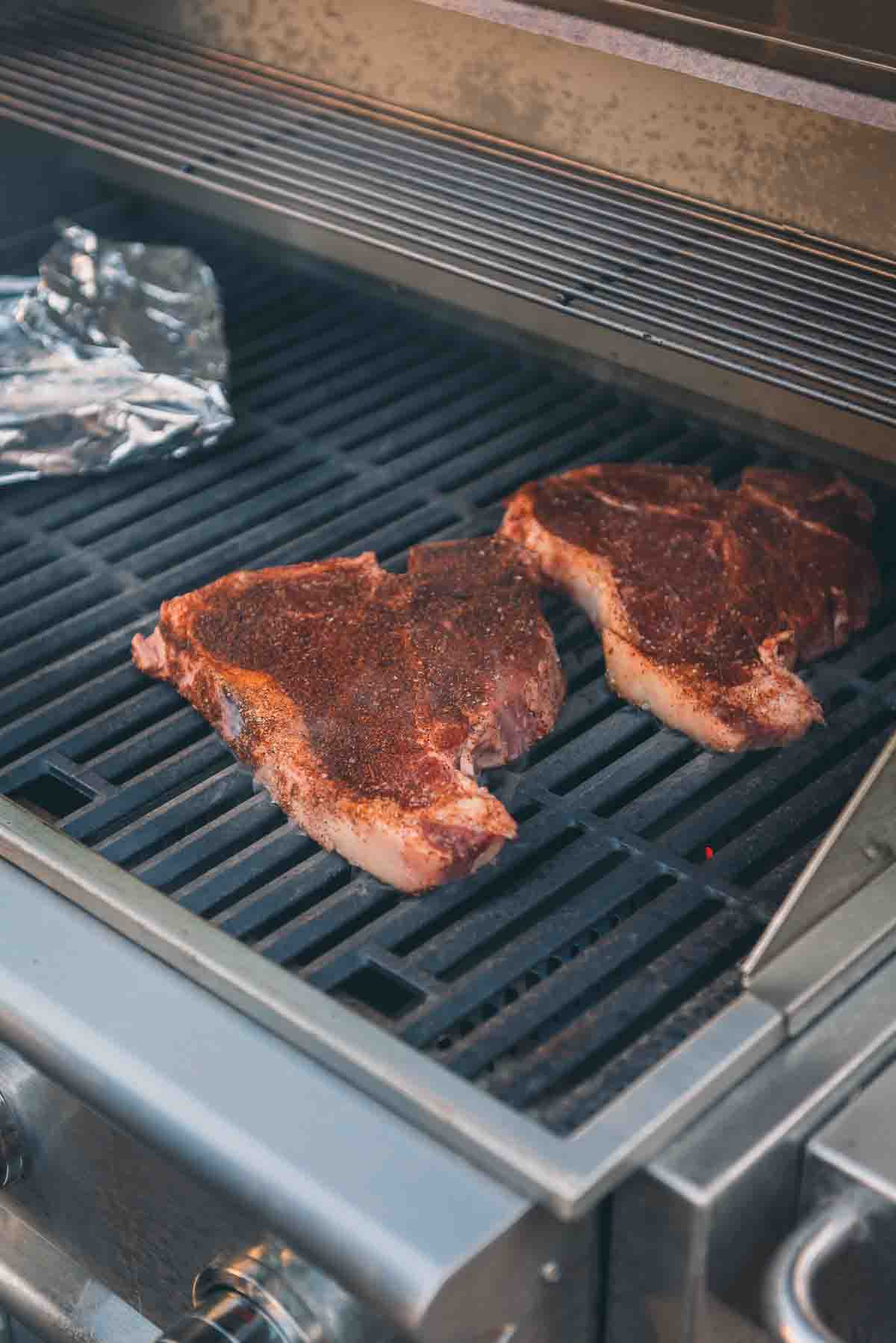
Pick steaks 1 to 1.5 inches thick for easy control. Thicker steaks work too, but adjust cooking times. Bring the ribeye to room temperature for 30 to 45 minutes. Pat the steak dry; surface moisture blocks browning.
Season simply. Salt and pepper highlight beef. Salt 40 minutes before grilling or just before placing on the grill. For how to gas grill ribeye, avoid heavy marinades that mask beef flavor.
Personal tip: I salt too early once and the crust got soft. Now I salt with clear timing and the crust stays crisp.
Setting up your gas grill
You need two heat zones.
- Set one burner to high for searing.
- Set the other side to medium-low for indirect cooking.
- Aim for a sear zone near 500°F and an indirect zone around 350°F.
Preheat for 10 to 15 minutes. When you learn how to gas grill ribeye, consistent preheat yields the best crust and predictable internal temps.

The sear-and-finish method step by step
This is my go-to method for how to gas grill ribeye.
- Oil the steak lightly. Do not oil the grates heavily.
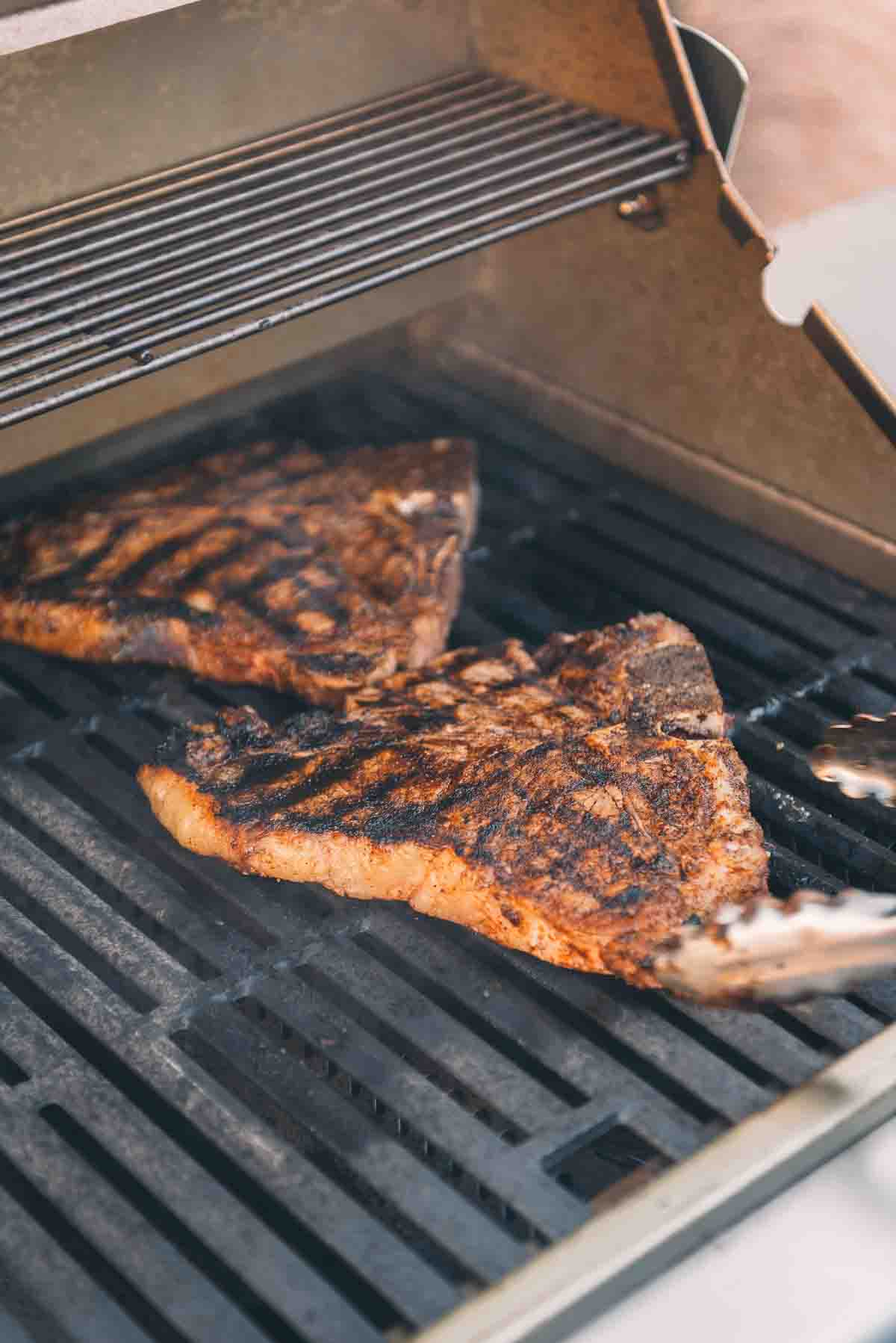
- Place steak on the hot sear zone. Sear 2 to 3 minutes per side with lid open.
- Rotate 45 degrees halfway through a side for crosshatch marks if you like grill marks.
- Move steak to the indirect zone to finish. Close the lid.
- Use an instant-read thermometer for accuracy.
Tip from experience: flip only once or twice. Flipping too much prevents a deep crust.

Target temperatures and timing
Internal temp guides:
- Rare: 120°F to 125°F
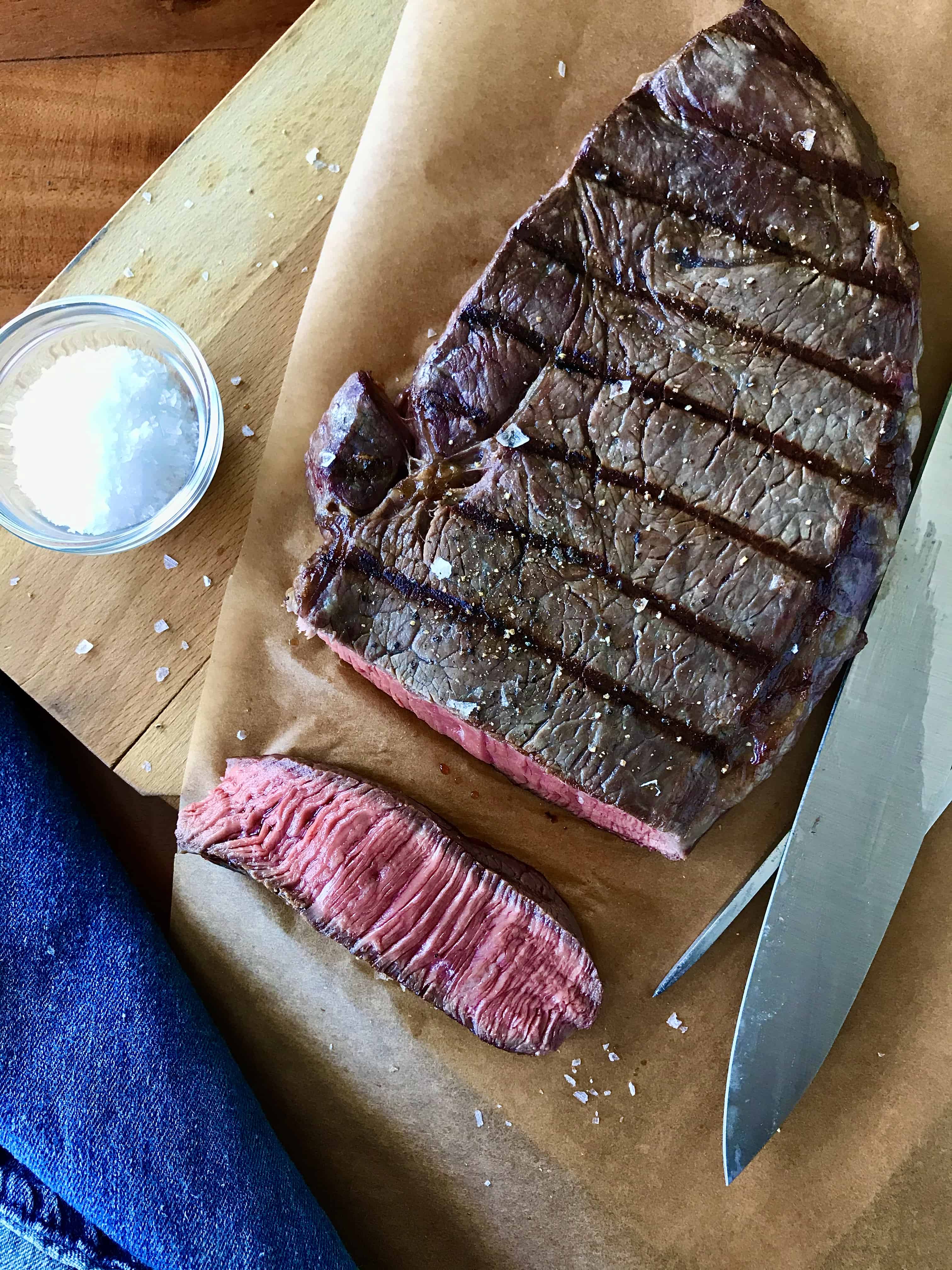
- Medium-rare: 130°F to 135°F
- Medium: 140°F to 145°F
- Medium-well: 150°F to 155°F
After searing, finishing time depends on thickness and heat. A 1-inch ribeye often needs 4 to 7 minutes in the indirect zone for medium-rare. When practicing how to gas grill ribeye, trust the thermometer more than time. Times vary by grill and steak.
:max_bytes(150000):strip_icc()/ALR-7567649-charcoal-grilled-ribeye-steak-recipe-VAT-4x3-789bee6a924a4665998011da2d8b5f36.jpg)
Resting, slicing, and serving
Rest the steak 5 to 10 minutes after removal. Rest lets juices redistribute. Slice against the grain for the most tender bites. Serve simply to enjoy the meat: butter, a squeeze of lemon, or a light herb finish works well.
When I first skipped resting, juice flooded the plate. Now I rest every steak and the texture improves.

Seasoning, flavor variations, and finishing touches
Classic seasoning keeps the ribeye star of the plate. Try these variations:
- Compound butter with garlic and herbs applied while resting.
- Coffee or spice rubs for a bold crust. Pat rub on, don’t make a paste.
- Simple chimichurri or parsley sauce on the side for freshness.
If you want to experiment with how to gas grill ribeye, test one new finishing flavor per cook to learn what you like.
Common mistakes and how to avoid them
Avoid these traps I learned the hard way.
- Overcrowding the grill lowers sear heat. Grill in batches.
- Flipping too often prevents crust formation. Flip once for best results.
- Skipping the thermometer leads to guesswork. Use it every time.
- Salting too early without patience can dry the surface. Time your salt.
These small fixes make learning how to gas grill ribeye fast and rewarding.
Safety, cleanup, and grill care
Follow safety basics.
- Check propane connections before lighting.
- Keep a spray bottle nearby for flare-ups.
- Let coals and grates cool before cleaning.
- Brush grates hot after cooking to remove residue.
Good grill care improves heat control and makes future cooks easier when you return to how to gas grill ribeye.
My personal checklist for perfect ribeye
I run this checklist before every cook.
- Steak at room temp
- Pat dry and season
- Grill preheated with two zones
- Instant-read thermometer ready
- Resting plate and foil ready
Using this checklist helped me move from guesswork to consistent results when learning how to gas grill ribeye.
Frequently Asked Questions of how to gas grill ribeye
How long should I sear a ribeye on a gas grill?
Sear each side 2 to 3 minutes over high heat for a deep crust. Finish in an indirect zone until the internal temperature reaches your target.
Should I oil the steak or the grates?
Lightly oil the steak to prevent sticking. If you oil the grates, use a small amount with a cloth to avoid flare-ups.
Can I grill frozen ribeye on a gas grill?
It's best to thaw before grilling for even cooking. Cooking from frozen leads to uneven doneness and longer cook times.
How often should I flip the steak?
Flip once or twice total. Minimal flipping promotes a better crust and steadier cooking.
What is the best internal temperature for medium-rare?
Aim for 130°F to 135°F internal temperature. Remove the steak a few degrees early and let it rest to reach the final temp.
Is it okay to use a marinade on ribeye?
Bold marinades can mask natural beef flavor. Use light marinades or rubs. For how to gas grill ribeye, simple salt and pepper are often best.
How do I prevent flare-ups when grilling ribeye?
Trim excessive fat and use an indirect zone to finish. Keep a spray bottle handy and move the steak if flames flare up.
Conclusion
You now have a clear, practical path for how to gas grill ribeye. Start with room-temp steaks, a hot sear, and an indirect finish. Use a thermometer, rest the meat, and slice against the grain. Try one new technique each cook and learn what your grill prefers. Now get your grill ready, pick a good ribeye, and put these steps into practice — then tell me how it turned out or ask for more tips.
