
Using a slow cooker for small batch cooking is a great way to prepare fresh, homemade meals without wasting ingredients. This guide walks you through the process, from selecting the right cooker to cooking tips, making it simple to enjoy delicious small portions anytime.
Key Takeaways
- Choose the right size: Select a slow cooker that fits your small batch needs to prevent overcooking or wastage.
- Adjust cooking times: Smaller portions often cook faster; reduce the cooking time to prevent overcooking.
- Use proper ingredients: Opt for fresh, quality ingredients and consider pre-cut vegetables or pre-cooked grains for speed.
- Layer ingredients wisely: Place denser ingredients at the bottom and delicate ones on top for even cooking.
- Monitor and adapt: Keep an eye on your dish during cooking and make adjustments as needed.
- Clean and maintain: Regularly clean your slow cooker to keep it in good condition and ensure safety.
Introduction
If you’re someone who loves homemade meals but wants to avoid wasting ingredients or cooking large portions, using a slow cooker for small batch cooking is a game-changer. Slow cookers are versatile, user-friendly, and perfect for preparing small amounts of food with minimal effort. Whether you’re cooking for one or two people, this guide will teach you how to use your slow cooker effectively for small batches, including tips for timing, ingredients, and troubleshooting common issues.
Step 1: Choosing the Right Slow Cooker for Small Batches
Understand Size Options
Slow cookers come in various sizes, typically ranging from 1.5-quart to 8-quart models. For small batch cooking, a 1.5 to 3-quart slow cooker is ideal. These smaller models are perfect for single servings or small portions and prevent overfilling.
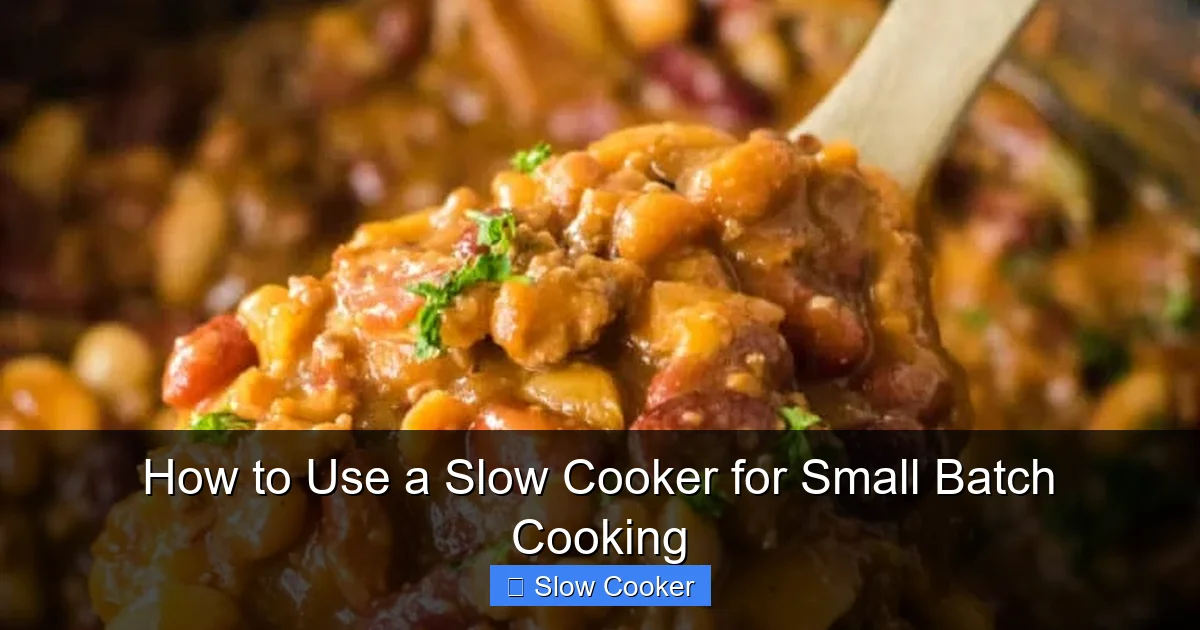
Visual guide about How to Use a Slow Cooker for Small Batch Cooking
Image source: simplystacie.net
Consider Features
- Removable stoneware: Easier cleaning and versatile use.
- Programmable settings: Allows for precise control over cooking time and temperature.
- Cook-and-keep-warm functions: Keeps your meal warm without overcooking.
Step 2: Preparing Ingredients for Small Batch Cooking
Plan Your Recipes
Choose recipes specifically suited for small portions. Soups, stews, chili, shredded chicken, and sauces are excellent options. Adjust recipes to fit the size of your slow cooker.
Prep Ingredients
- Wash, peel, and chop vegetables into small, uniform pieces for even cooking.
- Use pre-cooked grains or beans to save time.
- Cut meat into small pieces or use pre-cooked options.
Step 3: Loading Your Slow Cooker Correctly
Layer Ingredients Properly
Place denser ingredients like root vegetables or raw meats at the bottom. Lighter or delicate ingredients, like leafy greens or pre-cooked foods, should go on top. This ensures even cooking and prevents overcooking delicate items.
Don’t Overfill or Underfill
For small batch cooking, fill your slow cooker about halfway or up to two-thirds full. This provides enough space for heat circulation and proper cooking.
Step 4: Adjusting Cooking Times and Temperatures
Reduce Cooking Time
Small portions cook faster. Start checking your food about 1-2 hours earlier than the original recipe’s suggested time. Use a food thermometer to ensure proper doneness.
Use Low or Warm Settings
For small batches, the low setting is often sufficient. It prevents overcooking and helps develop flavors. The warm setting can keep food at serving temperature if needed.
Step 5: Monitoring and Fine-Tuning During Cooking
Regular Checks
Open the lid sparingly to prevent heat loss. Check the texture and temperature periodically. Adjust cooking time if necessary.
Adding Liquids
Use less liquid than in traditional recipes since small batches tend to evaporate less. Keep an eye on consistency and add more broth or water if needed.
Step 6: Serving and Storing Small Batch Meals
Serving Tips
Use small bowls or containers for serving. If making multiple small batches, store leftovers in individual portions for easy reheating.
Proper Storage
- Let food cool before refrigerating.
- Store in airtight containers to maintain freshness.
- Label with date and contents for quick identification.
Practical Tips and Tricks
- Pre-cut ingredients: Save time by using pre-chopped vegetables or pre-cooked proteins.
- Batch prep: Prepare ingredients in advance and store them in the fridge or freezer for quick assembly.
- Use smaller utensils: Smaller spoons and ladles make serving small portions easier.
- Experiment with recipes: Adjust seasonings and ingredients to suit your taste and portion size.
Troubleshooting Common Issues
Food Not Cooking Evenly
Ensure ingredients are evenly layered. Avoid overstuffing or underfilling the slow cooker. Check that the lid fits tightly to retain heat.
Food Overcooking
Start checking early, especially with small batches. Reduce cooking time and use the low setting when possible.
Inconsistent Results
Use a reliable thermometer to check internal temperatures. Adjust cooking times based on the size and type of ingredients.
Conclusion
Using a slow cooker for small batch cooking is a simple and efficient way to enjoy homemade meals without waste. By choosing the right size, prepping ingredients properly, and adjusting cooking times, you can create delicious, perfectly cooked small portions every time. With a little practice, slow cooking for small batches becomes a quick, convenient, and satisfying part of your meal prep routine.
Additional Tips
- Keep your slow cooker clean for best results and longevity.
- Experiment with recipes to find your favorites for small batches.
- Invest in a small slow cooker if you regularly cook small portions to maximize convenience.
