

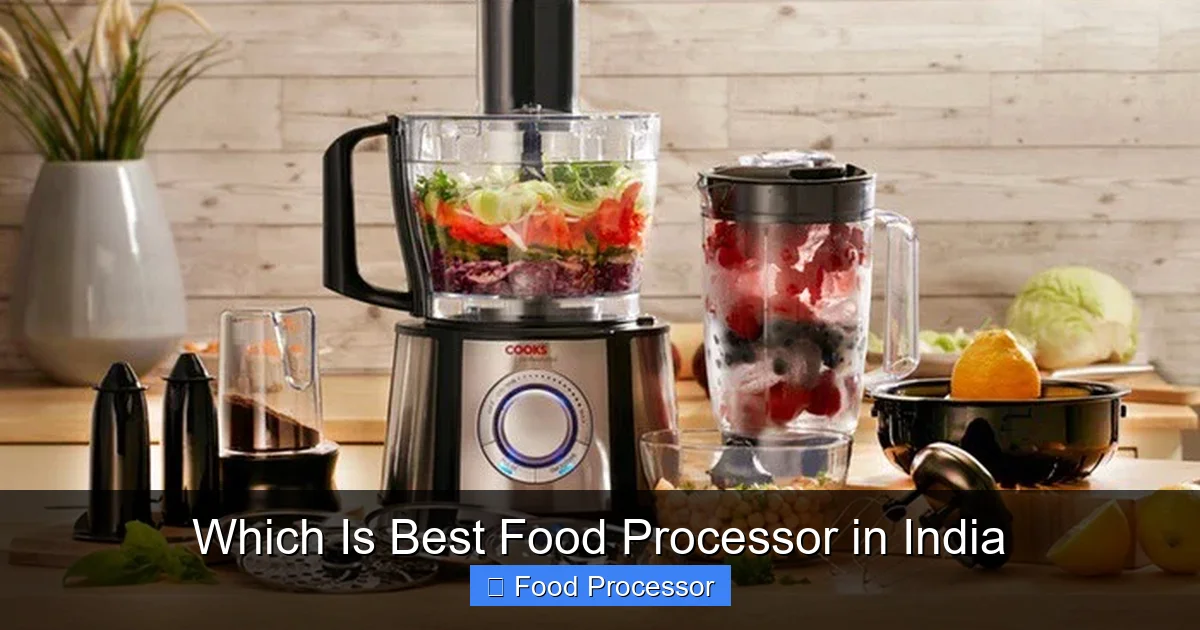
Choosing the best food processor in India can truly transform your cooking experience, making daily tasks like chopping, grinding, and kneading significantly easier and faster. This comprehensive guide helps you navigate the myriad of options available, focusing on essential features like motor power, bowl capacity, and versatile attachments crucial for the diverse needs of Indian kitchens. Learn how to identify a reliable food processor that truly fits your specific culinary requirements, budget, and lifestyle, ensuring you make a smart investment for your home.
Which Is Best Food Processor in India
Welcome to the ultimate guide on finding the best food processor in India! If you’ve landed here, chances are you’re tired of spending hours chopping, grinding, and kneading by hand. You’re ready to embrace the convenience and efficiency that a modern food processor brings to your kitchen. And you’re in the right place!
Indian cooking is vibrant, flavourful, and often involves a lot of prep work. From finely chopping vegetables for curries, kneading dough for soft rotis, to grinding fresh spices and making chutneys, a good food processor can be an absolute game-changer. But with so many options available in the Indian market, how do you pick the one that’s just right for you?
This comprehensive guide will walk you through everything you need to know. We’ll help you understand your specific needs, explore key features, compare popular brands, and share practical tips to make an informed decision. By the end of this article, you’ll feel confident in choosing the best food processor in India for your home. Let’s get started!
Key Takeaways
- Assess Your Needs First: Before looking at models, identify your primary cooking tasks (e.g., daily chopping, dough kneading, spice grinding, baking) and family size to determine the ideal motor power, bowl capacity, and attachments required for your food processor.
- Motor Power is Crucial for Indian Cooking: Look for food processors with higher wattage (750W to 1000W+) as they can handle tough Indian ingredients like grinding dals, spices, and kneading dense roti dough without strain or overheating.
- Versatile Attachments are Key: Ensure the food processor comes with essential blades and discs for chopping, slicing, shredding, kneading, and ideally, a juicer and grinder attachments, which are highly valued in Indian kitchens.
- Consider a Food Processor & Mixer Grinder Combo: For Indian households, a combo unit often offers the best of both worlds – the versatility of a food processor and the efficiency of a mixer grinder for chutneys and masalas.
- Prioritize Durability and After-Sales Service: Opt for reputed brands known for their robust build quality and excellent customer support network in India, as this ensures longevity and easy access to service or spare parts.
- Don’t Overlook Safety and Ease of Cleaning: Features like safety locks, overload protection, and dishwasher-safe, easily detachable parts are important for safe and convenient everyday use.
- Read Reviews and Set a Budget: Compare features and prices across different brands, read user reviews, and set a realistic budget to find a high-value food processor that meets your expectations.
Step 1: Understand Your Cooking Habits and Needs
Before you even start looking at specific models, take a moment to think about how you cook and what you typically prepare in your kitchen. This fundamental step will guide your choices regarding motor power, capacity, and the types of attachments you’ll need.
For the Everyday Cook
If you cook daily for a small to medium-sized family, you’ll likely need a food processor that can handle regular chopping of onions, tomatoes, and vegetables, prepare purees, and perhaps knead dough. A versatile machine that makes quick work of these tasks without being overly complex is ideal. You’ll want something reliable and easy to clean.
For the Baking Enthusiast
Are you someone who loves to bake cakes, cookies, or bread? Then your food processor will need to excel at kneading dough consistently, creaming butter, and mixing batters. Look for models with robust dough blades and a strong motor that can handle dense mixtures without straining.
For Large Families or Frequent Entertaining
If you have a large family or frequently host guests, a food processor with a larger bowl capacity is non-negotiable. You’ll need it to process bigger batches of ingredients at once, saving you time and effort. High wattage is also crucial to ensure it can handle the workload without overheating.
For Small Kitchens or Singles
Living in a compact space or cooking primarily for yourself? A smaller, more compact food processor or a mini chopper might be sufficient. These take up less counter space and are perfect for processing smaller quantities of ingredients. However, make sure it still has enough power for your basic needs.
Step 2: Key Features to Look for in a Food Processor in India
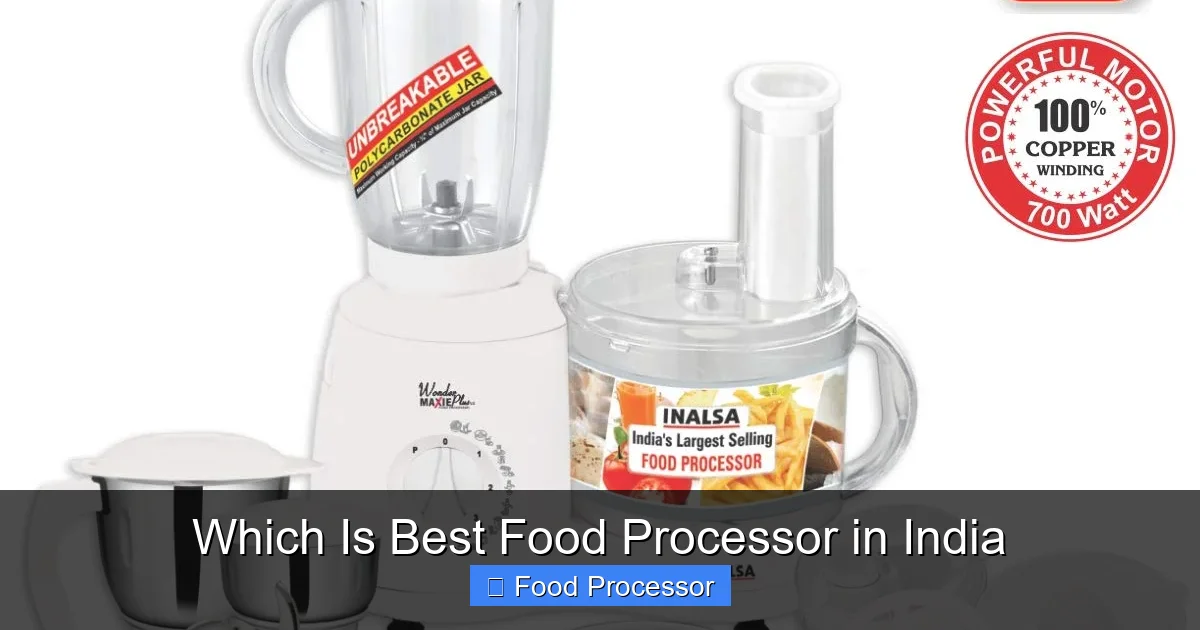
Visual guide about Which Is Best Food Processor in India
Image source: images-na.ssl-images-amazon.com
Once you know your needs, it’s time to dive into the technical aspects. These features are particularly important for Indian cooking conditions and preferences.
Motor Power (Wattage)
This is arguably the most critical factor for a food processor in India. Indian cooking often involves tough ingredients. We grind whole spices, make thick pastes, and knead dense dough for rotis or pooris.
- 500-750 Watts: Good for basic chopping, slicing, and light grinding. Suitable for small families or occasional use.
- 750-1000 Watts: This is the sweet spot for most Indian households. It can handle heavy-duty tasks like kneading atta for roti dough, grinding harder spices, and making larger batches of purees or curries. If you want the best food processor for roti dough, aim for this wattage range.
- 1000+ Watts: Excellent for very heavy usage, commercial purposes, or if you frequently process extremely tough ingredients. These are typically more expensive but offer unparalleled performance and durability.
A higher wattage motor means more power, less strain on the motor, and a longer lifespan for your appliance.
Bowl Capacity
The capacity of the work bowl determines how much food you can process at one go.
- 1-2 Litres: Ideal for singles, couples, or very small families. Perfect for everyday chopping.
- 2.5-3.5 Litres: The most common and versatile size for average Indian families (3-5 people). It allows for decent batch processing without being too bulky.
- 4+ Litres: Best for large families, those who cook in bulk, or entertain frequently.
Consider both the main processing bowl and any smaller grinding or chutney jars that come with the unit.
Blades and Attachments
This is where a food processor truly shines in versatility. Make sure the model you choose offers a good array of attachments relevant to Indian cooking.
- S-Blade (Chopping Blade): Standard for chopping, mincing, pureeing.
- Slicing Discs: Essential for uniformly slicing vegetables like potatoes, cucumbers, and onions.
- Shredding Discs: Great for grating cheese, cabbage, carrots, and more. If you frequently shred cheese, look for models designed for shredding cheese smoothly.
- Dough Blade: Specifically designed for kneading dough without overworking it. A must-have for roti and bread makers.
- Whisking/Emulsifying Disc: For whipping cream, eggs, or making mayonnaise.
- Grinding Jar: A separate, smaller jar for grinding dry spices, coffee beans, or making coarse pastes. This is often included in food processor mixer grinder combos. If you frequently make fresh masalas, look for the best food processor for grinding spices at home.
- Juicer Attachment: Many Indian food processors come with centrifugal or citrus juicer attachments, which can be a great bonus.
Build Quality and Durability
A food processor is an investment, so you want it to last. Look for:
- Sturdy Body: Often made of ABS plastic or stainless steel.
- High-Quality Blades: Stainless steel blades are durable and rust-resistant.
- Robust Motor Housing: Prevents vibrations and ensures stability during operation.
Safety Features
Safety is paramount, especially in a busy kitchen.
- Safety Lock System: The appliance won’t start unless all parts are correctly assembled and locked.
- Overload Protection: Prevents the motor from burning out if overloaded or jammed.
- Non-Skid Feet: Ensures the machine stays stable on the countertop.
Ease of Cleaning
Nobody wants to spend more time cleaning than cooking. Look for:
- Detachable Parts: Easily removable components simplify cleaning.
- Dishwasher-Safe Parts: A huge convenience if you have a dishwasher.
- Smooth Surfaces: Less nooks and crannies mean easier wiping.
Brand Reputation and After-Sales Service
In India, good after-sales service and easily available spare parts are crucial. Stick to well-known brands that have a wide service network across the country. Reading user reviews about service experiences can be very helpful.
Price and Warranty
Food processors in India range from a few thousand rupees to upwards of ₹20,000. Set a budget and try to find the best features within that range. A longer warranty period (e.g., 2-5 years on the product, 5-7 years on the motor) indicates the manufacturer’s confidence in their product.
Step 3: Types of Food Processors Available in India
Visual guide about Which Is Best Food Processor in India
Image source: jaxtr.com
Understanding the different categories can help you narrow down your choices.
Full-Size Food Processors
These are dedicated food processors with a large work bowl and a wide array of attachments for various tasks like chopping, slicing, shredding, and kneading. They are powerful and versatile, ideal for comprehensive kitchen prep.
Compact Food Processors
Smaller in size and capacity, these are perfect for small kitchens, singles, or couples who need basic chopping and processing. They take up less counter space and are generally more affordable. If you have limited kitchen space, consider the best food processor for small kitchen needs.
Mixer Grinder Food Processor Combos
This is a very popular category in India. These appliances combine the functions of a traditional mixer grinder (for wet and dry grinding, making chutneys) with the capabilities of a food processor (chopping, slicing, kneading). They come with multiple jars of varying sizes for grinding, blending, and a main processing bowl with food processor blades. This type of unit offers excellent value and versatility for Indian cooking. Many users find a food processor and blender combo to be an ideal solution for their daily kitchen needs.
Mini Choppers
While not full-fledged food processors, mini choppers are excellent for quick, small-batch tasks like chopping garlic, ginger, onions, or chilies. They are super compact and very affordable, a great addition even if you have a larger food processor.
Step 4: Top Brands to Consider in India
Several brands offer excellent food processors and mixer grinder food processor combos in India. Here are some of the most popular and reliable ones:
Philips
A household name in India, Philips offers a wide range of kitchen appliances known for their reliability and innovative features. Their food processors often come with powerful motors and a good selection of attachments.
Bajaj
Another trusted Indian brand, Bajaj provides robust and affordable food processors. They are known for their durability and good service network, making them a practical choice for many homes.
Prestige
Prestige is a popular brand for kitchenware and appliances. Their food processors are often well-designed, with user-friendly features and competitive pricing.
Bosch
Known for its German engineering, Bosch offers premium food processors that are powerful, efficient, and built to last. They might be on the higher end of the price spectrum but offer excellent performance.
Morphy Richards
This international brand has a strong presence in India, offering stylish and feature-rich food processors that combine aesthetics with performance.
Usha
Usha is a well-established Indian brand with a good range of home appliances. Their food processors are reliable and cater to the specific needs of Indian kitchens.
Step 5: Step-by-Step Guide to Choosing Your Food Processor
Putting it all together, here’s a practical approach to making your final decision:
Step 1: Assess Your Cooking Habits and Needs
As discussed earlier, determine your family size, frequency of cooking, and specific tasks you want the food processor to handle. Are you mainly chopping, kneading, or grinding spices?
Step 2: Determine Your Budget
Set a realistic price range. This will help you filter out models that are either too expensive or too basic for your needs. Remember, a good food processor is an investment.
Step 3: Prioritize Key Features
Based on your needs, decide which features are non-negotiable. For example, if you bake, a powerful dough blade is a must. If you cook for a large family, capacity is key. For Indian cooking, wattage is almost always a top priority.
Step 4: Research Brands and Models
Shortlist 2-3 brands that fit your criteria and reputation. Look at their specific models, compare features, and check for the availability of attachments.
Step 5: Read Reviews and Compare
Online reviews from Indian users (on e-commerce sites like Amazon India, Flipkart, or appliance review blogs) can offer valuable insights into real-world performance, durability, and common issues. Compare the pros and cons of your shortlisted models.
Step 6: Check for After-Sales Support
Before purchasing, confirm the warranty terms and the availability of service centers in your city. Good after-sales support can save you a lot of hassle in the long run.
Practical Tips for Using Your Food Processor
Once you’ve bought your food processor, these tips will help you get the most out of it:
Don’t Overfill
Always adhere to the maximum fill lines. Overfilling can strain the motor, lead to uneven processing, and even cause leaks. Process in batches if necessary.
Cut Food into Even Pieces
For uniform results, cut larger ingredients into roughly similar-sized pieces before adding them to the food processor. This helps the blades work efficiently.
Use the Pulse Function
The pulse button gives you short bursts of power, offering greater control over the texture of your food. It’s perfect for chopping without over-processing and for kneading dough in short intervals.
Clean Immediately
Food residues can dry and become difficult to remove. Clean the bowl, blades, and lid immediately after use. Many parts are dishwasher safe, making this quick and easy.
Understand Your Blades
Each blade and disc has a specific purpose. Familiarize yourself with them to achieve the best results for chopping, slicing, shredding, and kneading. Incorrect blade usage can lead to poor results or damage.
Troubleshooting Common Issues
Even with the best food processor in India, you might encounter minor issues. Here’s how to tackle them:
Food Not Processing Evenly
- Solution: Ensure you’re not overfilling the bowl. Cut ingredients into smaller, more uniform pieces. Use the pulse function in short bursts to get an even chop. Sometimes, adding a little liquid can help ingredients circulate better.
Motor Overheating
- Solution: This usually happens when the motor is overloaded or used continuously for too long. Check if you’re processing too much food at once or using tough ingredients that require more power than your unit can comfortably provide. Let the motor cool down before restarting. Always respect the appliance’s maximum run time specified in the manual.
Dough Not Kneading Properly
- Solution: Ensure you are using the correct dough blade. Add flour and water gradually, typically in a 2:1 or 3:1 ratio, adjusting as needed. The dough should form a ball that cleans the sides of the bowl. If it’s too sticky, add more flour; if too dry, add a tiny bit of water.
Leaking from the Bowl
- Solution: Most often, this is due to improper assembly. Ensure the bowl, lid, and blade are correctly aligned and locked into place. Check if the seal or gasket on the lid is clean and properly seated. Avoid filling liquid ingredients beyond the maximum liquid fill line.
Conclusion
Choosing the best food processor in India doesn’t have to be a daunting task. By carefully considering your cooking habits, prioritizing key features like motor power and attachments, and opting for a reputable brand with good after-sales service, you can find a kitchen companion that truly simplifies your daily chores.
Whether you’re looking to effortlessly chop vegetables, knead perfect roti dough, or grind fresh spices for your curries, a high-quality food processor will prove to be an invaluable asset in your Indian kitchen. Invest wisely, and enjoy more time cooking and less time prepping! Happy cooking!
