


Finding a good food processor is key to effortless meal prep. This guide breaks down everything from understanding your specific cooking needs and ideal size to evaluating motor power, blade types, and essential features. You’ll learn how to compare models, read reviews, and ultimately choose a reliable, efficient appliance that fits both your culinary ambitions and your budget, ensuring you make a smart investment for your kitchen.
Which Is Good Food Processor
Welcome, home chefs and kitchen enthusiasts! Are you tired of endless chopping, dicing, and kneading by hand? A food processor is a game-changer in any kitchen, saving you time and effort on countless tasks. But with so many options out there, how do you know which is good food processor for *you*? It can feel overwhelming to navigate the sea of sizes, features, and price points.
Don’t worry! This comprehensive guide will walk you through everything you need to know to make an informed decision. By the end of this article, you’ll be confident in choosing a reliable, efficient, and versatile food processor that perfectly suits your cooking style and needs. We’ll explore key considerations, practical tips, and common questions to ensure your investment truly enhances your culinary journey. Let’s get started on finding your perfect kitchen companion!
Key Takeaways
- Assess Your Needs First: Before looking at specific models, define what tasks you’ll use the food processor for (chopping, slicing, kneading), how often, and for how many people. This dictates the necessary size and power.
- Size and Capacity Are Crucial: Food processors range from compact (3-5 cups) to full-size (10-14 cups) and even commercial (over 16 cups). Match the bowl capacity to your typical batch sizes and available kitchen space.
- Power and Motor Quality Matter: A higher wattage (e.g., 600W+) generally indicates a more powerful motor, essential for tougher tasks like kneading dough or crushing ice. Look for induction motors for quieter operation and durability.
- Evaluate Blades and Attachments: A versatile food processor comes with a sharp S-blade, slicing discs, grating discs, and sometimes a dough blade. Ensure these are durable, easy to attach, and cover your most frequent cooking needs.
- Prioritize Build Quality and Ease of Cleaning: A good food processor should feel sturdy with durable materials. Look for dishwasher-safe parts and a simple assembly mechanism for hassle-free use and maintenance.
- Check for Essential Features: Consider a wide feed tube for larger produce, simple controls (pulse feature is a must), safety locks, and a stable base. These enhance usability and safety.
- Research Brands and Read Reviews: Reputable brands often offer better support and durability. Always check user reviews for insights into real-world performance, common issues, and longevity before making your final decision.
Step 1: Understand Your Cooking Needs and Habits
Before you even think about specific models, take a moment to reflect on your personal cooking style and what you expect from a food processor. This foundational step is crucial for identifying which is good food processor for your unique situation.
H3: How Often Do You Cook?
Are you an everyday cook who prepares elaborate meals, or do you mostly whip up quick dinners a few times a week? Frequent users might prioritize durability and a powerful motor, while occasional cooks might be happy with a more basic model.
H3: What Kinds of Tasks Will You Do?
Think about the specific tasks you want your food processor to handle. Do you need to:
- Chop vegetables for stir-fries or soups?
- Slice potatoes for gratins or shred cheese for tacos?
- Puree dips like hummus or baba ghanoush?
- Knead dough for bread or pizza?
- Make nut butter or grind meat?
Different tasks require different levels of power and specific attachments. For example, if you plan to frequently knead dough, you’ll need a powerful motor and a dedicated dough blade. Knowing this upfront helps narrow down your options significantly.
Often, people wonder, why is a food processor better than a blender for certain tasks? The answer lies in its versatility with various blades and discs, making it superior for chopping, slicing, and shredding solids, unlike blenders which excel at liquidizing.
H3: How Many People Do You Cook For?
The size of your household or the number of people you typically cook for directly impacts the ideal bowl capacity. A single person or couple might only need a mini food processor, while a large family or someone who entertains frequently will require a larger model. Consider the batch sizes you usually work with.
Step 2: Determine the Right Size and Capacity
One of the most important factors when deciding which is good food processor is its size. Food processors come in a range of capacities, and choosing the right one prevents frustration later on.
H3: Understanding Food Processor Sizes
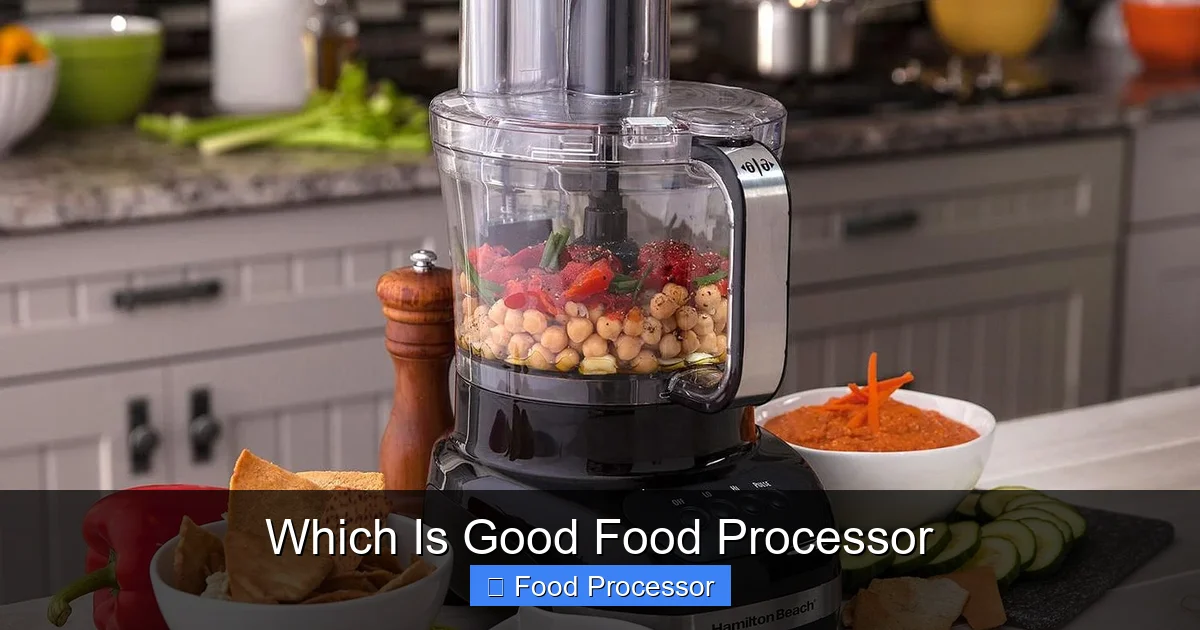
- Mini Food Processors (3-5 cups): Perfect for small tasks like chopping herbs, making dressings, or preparing baby food. They are compact and take up minimal counter space. A good food processor in this category is ideal for single servings or small kitchens.
- Compact/Mid-Size Food Processors (7-9 cups): A great all-rounder for most households of 2-4 people. They can handle everyday tasks like chopping onions, slicing vegetables, and making small batches of dough or purees.
- Full-Size Food Processors (10-14 cups): Ideal for larger families, meal prepping, or those who frequently entertain. These models handle bigger batches of ingredients, knead full loaves of bread dough, and can tackle substantial slicing and shredding jobs. If you’re looking for a good food processor for serious cooking, this is likely your range.
- Commercial Food Processors (16+ cups): Generally too large and expensive for home use, these are designed for professional kitchens.
To help you decide, we have a detailed guide on how to choose the right size food processor, which offers more insights into matching capacity to your needs.
Visual guide about Which Is Good Food Processor
Image source: miro.medium.com
H3: Consider Your Kitchen Space
Don’t forget to measure your available counter and storage space. A large food processor might be amazing, but not if it doesn’t fit under your cabinets or has no designated storage spot. Think about both the unit’s footprint and its height.
Step 3: Evaluate Motor Power and Performance
The motor is the heart of your food processor. A powerful motor ensures efficient processing, especially when dealing with tough ingredients. When assessing which is good food processor, this is a critical aspect.
H3: What Wattage Do You Need?
- Lower Wattage (300-600W): Typically found in mini or smaller mid-size processors. Sufficient for light tasks like chopping, pureeing soft foods, and making dressings.
- Medium Wattage (600-800W): Common in mid to full-size models. Capable of handling most everyday tasks, including slicing firmer vegetables and lighter doughs.
- High Wattage (800W+): Essential for full-size processors that tackle heavy-duty tasks such as kneading stiff dough, grinding meat, or crushing ice. A good food processor for demanding jobs will usually fall into this category.
Don’t just look at wattage in isolation; a well-engineered motor with good torque can sometimes outperform a higher wattage motor from a lesser brand. Consider brand reputation and user reviews.
Visual guide about Which Is Good Food Processor
Image source: cuisinart.com
H3: Direct Drive vs. Belt Drive
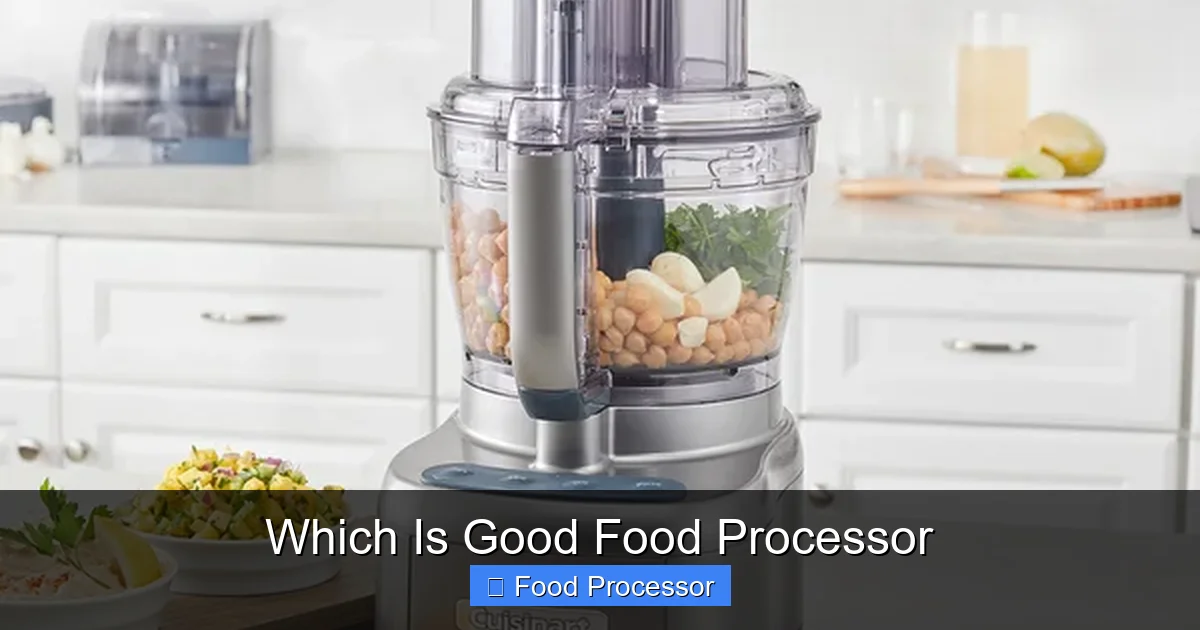
Most high-quality food processors use a direct-drive induction motor. These are generally more durable, quieter, and transfer power more efficiently than belt-drive motors. While direct-drive models might be pricier, they often represent a better long-term investment for a good food processor.
Step 4: Examine Blades and Discs
The versatility of a food processor comes from its array of blades and discs. A good food processor will offer a selection that covers common kitchen tasks.
H3: Essential Blades and Discs
- S-Blade (Chopping Blade): This is the workhorse blade, standard in all food processors. It’s used for chopping, mincing, pureeing, mixing, and even making crumbs. Ensure it’s sharp and made of durable stainless steel.
- Slicing Disc: Essential for uniformly slicing vegetables like cucumbers, potatoes, or carrots. Many models come with reversible discs for thin or thick slices, or adjustable slicing discs for ultimate control.
- Grating/Shredding Disc: Perfect for shredding cheese, vegetables like carrots or cabbage, or even nuts. Like slicing discs, these often come with different grating sizes (fine, medium, coarse).
- Dough Blade: If you plan on baking, a plastic dough blade is a must. It’s designed to mix and knead dough without overworking it, which metal blades can sometimes do.
Some food processors also offer specialized attachments like whisking discs, julienne discs, or even french fry discs. Decide which are most important for your cooking habits.
Step 5: Look for User-Friendly Features and Attachments
Beyond the core function, specific features and design elements can significantly impact how enjoyable and easy your food processor is to use. When considering which is good food processor, don’t overlook these details.
H3: Wide Feed Tube
A wide feed tube (or chute) allows you to process larger pieces of food, like whole potatoes or blocks of cheese, without much pre-cutting. This saves a lot of time and is a highly desirable feature in a good food processor.
H3: Simple Controls and Speed Settings
Most food processors have simple “On,” “Off,” and “Pulse” buttons. The pulse function is vital for better control over texture, preventing over-processing. Some models offer multiple speed settings, which can be useful for delicate tasks or for handling different ingredient consistencies.
H3: Durability and Build Quality
A good food processor should feel sturdy and well-built. Look for robust construction, especially in the motor base and bowl. High-quality plastics should be BPA-free. Metal components should be stainless steel.
H3: Ease of Cleaning and Assembly
No one wants a kitchen appliance that’s a nightmare to clean. Look for models with dishwasher-safe parts. Simple assembly and disassembly are also crucial – you want to be able to assemble your food processor step by step without struggling with tricky locking mechanisms or fiddly parts. A smooth design with minimal crevices will make cleaning much easier.
H3: Safety Features
Modern food processors include safety interlocks that prevent the motor from running unless the bowl and lid are correctly assembled. This is a standard and essential safety feature.
H3: Storage Solutions for Accessories
Many attachments are great, but where do you put them? Some food processors come with clever storage boxes or in-bowl storage solutions for blades and discs, which is a definite plus for organization.
Step 6: Consider Brand Reputation and Reviews
Once you have a good idea of the specifications you need, it’s time to look at actual products. This is where brand reputation and real-world user experiences become invaluable. For general advice on this topic, consider reading our article on what to consider when buying a food processor.
H3: Reputable Brands
Certain brands have built a strong reputation for producing quality kitchen appliances, including food processors. Cuisinart, KitchenAid, Breville, and Hamilton Beach are often cited for their reliability and performance. While a well-known name doesn’t guarantee perfection, it often means better customer support and readily available replacement parts.
H3: Read User Reviews
Online reviews from actual users are a treasure trove of information. Look for consistent feedback regarding:
- Performance: Does it handle tough ingredients well? Does it process evenly?
- Durability: Are there common complaints about parts breaking or the motor failing?
- Ease of Use/Cleaning: Is it simple to operate and clean?
- Noise Level: Is it excessively loud during operation?
- Customer Service: How does the company handle issues or warranty claims?
Pay attention to both positive and negative reviews, looking for patterns. A few isolated complaints might be outliers, but recurring issues should raise a red flag. A good food processor will generally have overwhelmingly positive feedback.
Step 7: Set Your Budget
Food processors range widely in price, from under $50 for basic mini choppers to several hundred dollars for high-end, full-size models.
H3: Finding the Right Balance
Set a realistic budget based on your needs and how often you’ll use the appliance. A cheaper model might seem appealing, but if it breaks quickly or doesn’t perform well, it’s not a good food processor in the long run. Conversely, don’t overspend on features you’ll never use.
Think of a food processor as an investment in your kitchen efficiency. A slightly higher initial cost for a quality model often pays off in durability, performance, and long-term satisfaction. Remember that you’re not just buying a machine; you’re buying convenience and versatility, which are among the significant advantages of a food processor.
Troubleshooting Common Food Processor Purchase Dilemmas
Even with careful research, you might encounter a few dilemmas.
H3: My Food Processor Isn’t Powerful Enough for Dough!
If you find your new food processor struggling with dough, it might be due to insufficient wattage or a smaller capacity than needed for your batch size. For future purchases, prioritize models with at least 800 watts and a dedicated dough blade, preferably with a larger bowl (10 cups or more). Always check reviews specifically mentioning dough performance.
H3: The Attachments Are a Mess to Store!
This is a common complaint. Next time, look for food processors that come with integrated storage solutions for their blades and discs. Some models have caddies or compartments directly within the base, or offer compact external storage cases that keep everything tidy and safe.
H3: It’s Hard to Clean!
If your current model has too many nooks and crannies or non-dishwasher-safe parts, it can be a real hassle. When selecting a good food processor, always check if the bowl, lid, and blades are dishwasher-safe. Look for simpler designs with smooth surfaces and minimal crevices where food can get trapped.
Conclusion: Making Your Final Choice
Choosing which is good food processor doesn’t have to be a daunting task. By systematically considering your personal cooking needs, the ideal size and capacity, motor power, essential attachments, and user-friendly features, you’re well on your way to making an excellent choice. Don’t forget the importance of brand reputation and honest user reviews to validate your decision.
Investing in a high-quality food processor will revolutionize your meal prep, allowing you to chop, slice, shred, and mix with unparalleled ease and speed. It’s an appliance that truly earns its spot on your counter, empowering you to create delicious dishes more efficiently than ever before. Happy cooking, and enjoy your new kitchen powerhouse!
