

Making homemade hummus is a delightful experience, and the right food processor is your secret weapon for achieving that coveted creamy texture. This guide will walk you through everything you need to know, from understanding crucial features like motor power and blade design to practical steps for preparing the perfect batch. You’ll learn how to select the best food processor for hummus and master techniques to create consistently smooth and delicious results every time.
Welcome, hummus lovers! Are you dreaming of creating that perfectly smooth, incredibly creamy, and utterly delicious homemade hummus right in your own kitchen? If so, you’ve come to the right place. The secret to achieving that restaurant-quality texture often lies in one essential kitchen appliance: the food processor.
This comprehensive guide is dedicated to helping you find the absolute best food processor for hummus. We’ll dive deep into what features truly matter, why a powerful motor is non-negotiable, and how to use your chosen machine to whip up batches of hummus that will impress everyone. By the end of this guide, you’ll be an expert in selecting and using a food processor to make hummus that’s always a hit.
Key Takeaways
- Motor Power is Paramount: A powerful motor (at least 600W, ideally 700W+) is essential to break down chickpeas into a super smooth, creamy hummus without straining the machine.
- S-Blade Design is Key: The standard S-shaped chopping blade is the primary tool for hummus. Look for a sharp, durable blade that can efficiently blend ingredients.
- Optimal Bowl Capacity Matters: Choose a work bowl size (typically 8-12 cups) that matches your hummus making frequency and batch size, preventing overflow or the need for multiple batches.
- Texture Comes from Technique: Beyond the food processor itself, achieving silky smooth hummus involves steps like processing tahini and lemon juice first, adding chickpeas gradually, and incorporating ice water or aquafaba.
- Consider Durability and Ease of Cleaning: A robust build quality ensures longevity, while dishwasher-safe parts make cleanup quick and easy, encouraging more frequent hummus making.
- Speed Settings for Control: Look for models with at least a “pulse” function and multiple speed settings (low/high) to give you precise control over the consistency of your hummus.
Why Your Food Processor is Key for Perfect Hummus
Hummus, at its core, is a simple blend of chickpeas, tahini, lemon juice, garlic, and a touch of salt. Yet, the magic is in the texture. It needs to be airy, smooth, and emulsified, not lumpy or grainy. This is where a good food processor shines.
A food processor, with its sharp S-blade and powerful motor, is designed to continuously chop and blend ingredients into a fine, uniform paste. Unlike a blender, which often needs more liquid to create a vortex, a food processor excels at handling thicker mixtures like hummus, requiring less added liquid to achieve the desired consistency. This means your hummus will be rich and flavorful, not watered down.
Understanding What Makes a Food Processor “Best” for Hummus

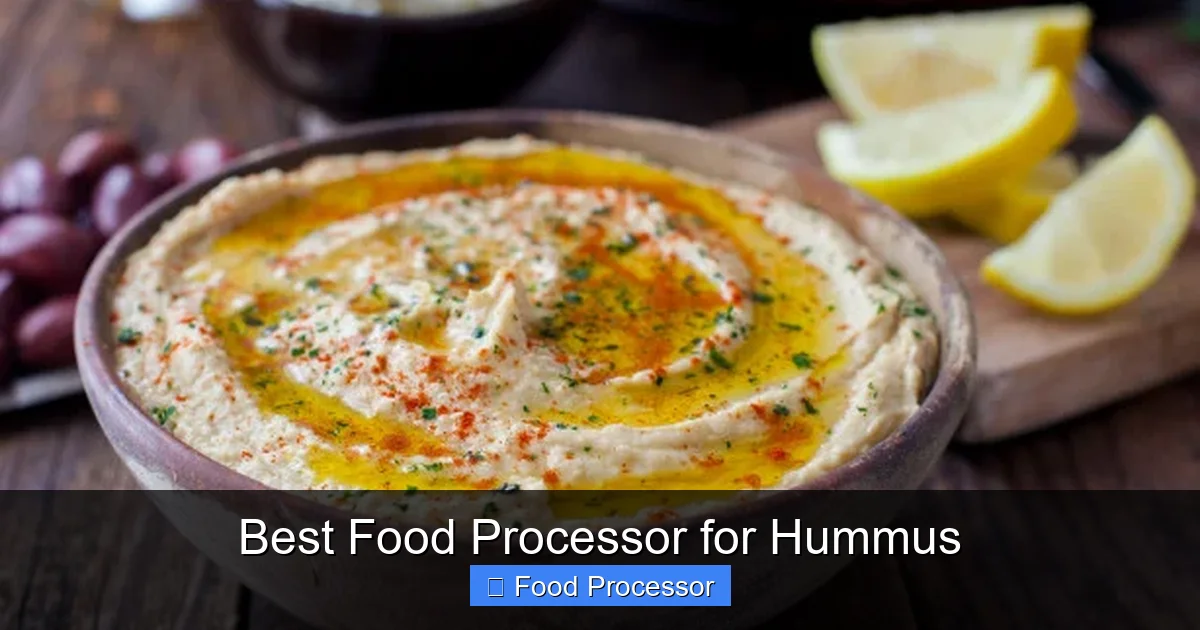
Visual guide about Best Food Processor for Hummus
Image source: img.sndimg.com
When you’re searching for the ideal food processor to make hummus, several key features stand out. These aren’t just fancy add-ons; they directly impact the quality and ease of your hummus-making experience.
Motor Power (Wattage)
This is arguably the most critical factor. Hummus, especially when you’re aiming for that velvety texture, requires a good amount of power to break down chickpeas thoroughly and emulsify them with tahini and other ingredients.
- What to Look For: Aim for a food processor with at least 600 watts (W) of power. For truly effortless processing and a super-smooth result, 700W or higher is ideal. Less powerful machines might struggle, overheat, or leave your hummus grainy.
- Why it Matters: A strong motor ensures the blades can continuously process thick ingredients without bogging down, leading to a much smoother consistency in less time.
Bowl Capacity
The size of the work bowl determines how much hummus you can make in a single batch.
- What to Look For: For most home cooks, an 8-cup to 12-cup capacity is perfect.
- Why it Matters:
- An 8-cup bowl is great for small to medium batches, serving a family or a small gathering. You might find this size ideal if you frequently make hummus for yourself or a small family home use.
- A 10-cup or 12-cup bowl offers more versatility, allowing you to double recipes for parties or meal prep without overflowing the bowl. If you’re often entertaining or doing significant meal prep, a larger capacity is beneficial.
- Mini food processors (3-5 cups) are generally too small for making a decent batch of hummus, though they can be useful for smaller tasks or single servings of dips.
Blade Design and Quality
The standard S-shaped chopping blade (sometimes called a universal blade) is what you’ll use for hummus.
- What to Look For: Ensure the S-blade is made of durable stainless steel and is very sharp. Some higher-end models feature blades with slightly different angles designed for more efficient processing.
- Why it Matters: A sharp, well-designed blade efficiently cuts and blends, reducing processing time and contributing directly to a smoother final product. Dull blades will just push ingredients around, leading to uneven texture.
Speed Settings and Pulse Function
Control over speed is crucial for achieving the perfect hummus consistency.
- What to Look For: A food processor for hummus should have at least a “pulse” function and ideally two or more continuous speed settings (low and high).
- Why it Matters:
- The pulse function allows for short bursts of power, giving you precise control, especially when starting the process or incorporating final ingredients.
- Continuous speeds are essential for the long blending periods needed to get hummus truly smooth.
Stability and Durability
A food processor should feel solid and stable on your countertop.
- What to Look For: A heavy, sturdy base (often with suction cups) and a robust build quality.
- Why it Matters: Hummus is a thick mixture, and a powerful motor can cause a lightweight machine to “walk” across the counter. Durability ensures your investment lasts for years of hummus making and other culinary adventures.
Ease of Cleaning
Let’s be honest, cleaning can be a chore.
- What to Look For: Dishwasher-safe parts (bowl, lid, blade) are a huge bonus. Look for minimal crevices where food can get stuck.
- Why it Matters: Easy cleanup encourages you to use your food processor more often, making homemade hummus a regular part of your diet.
Noise Level
While not directly impacting hummus quality, a quieter food processor can make kitchen tasks more pleasant.
- What to Look For: Some brands prioritize quieter operation. Check user reviews for comments on noise.
- Why it Matters: If you live in an apartment or prefer a less disruptive kitchen experience, a quieter model is a definite plus. You can also look for a best quiet food processor for apartment kitchen to minimize noise.
Recommended Features of the Best Food Processors for Hummus
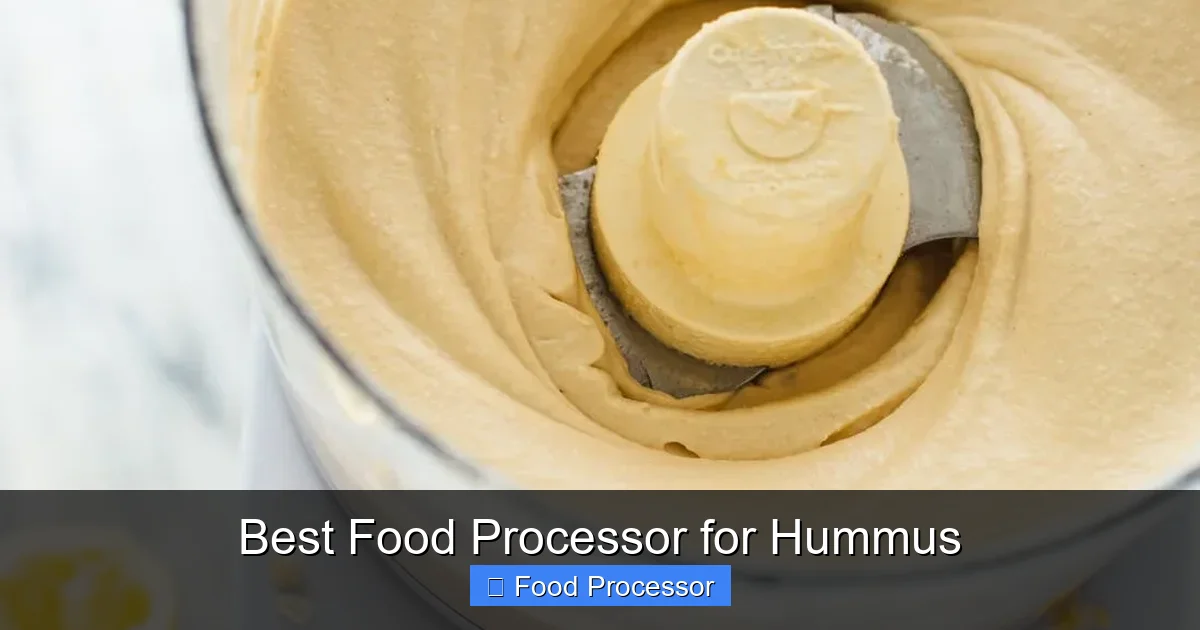
Visual guide about Best Food Processor for Hummus
Image source: jodysbakery.com
Based on the above criteria, here’s a summary of what to prioritize:
- Powerful Motor: 700W+ is ideal for silky smooth results.
- Generous Capacity: 8-12 cups for versatility.
- Sharp S-Blade: Stainless steel and efficient design.
- Multiple Speeds & Pulse: For precise control.
- Sturdy Build: To handle tough jobs without wobbling.
- Easy to Clean: Dishwasher-safe components.
When choosing, remember that a dedicated food processor is generally superior to a blender for hummus due to its design for thicker, less liquid-heavy purees.
How to Make Hummus with Your Food Processor: A Step-by-Step Guide
Now that you know what to look for, let’s put that powerful machine to work! Here’s a simple, effective method for making super smooth hummus.
Step 1: Prep Your Chickpeas
The foundation of great hummus starts with the chickpeas.
- Canned Chickpeas: Drain and rinse them thoroughly under cold water. For the absolute smoothest hummus, some chefs recommend peeling the chickpeas. While optional, this extra step removes the fibrous skins, resulting in an incredibly creamy texture. It’s tedious, but worth it for special occasions!
- Dried Chickpeas: If you’re using dried chickpeas, soak them overnight and then cook them until very tender. Overcooked chickpeas (almost mushy) are easier to process into a smooth paste.
Step 2: Combine Tahini, Lemon Juice, and Garlic
This initial blending step is crucial for emulsification and flavor.
- Add your tahini, fresh lemon juice, a clove or two of garlic (peeled), and a pinch of salt to the food processor bowl.
- Process for 1-2 minutes until the mixture is light, creamy, and pale. The tahini will lighten in color and thicken as it whips with the lemon juice. This emulsification is a secret to smooth hummus.
Step 3: Add Chickpeas and Process
Now it’s time for the star ingredient.
- Add the prepared chickpeas to the tahini mixture in the food processor.
- Process continuously for 3-5 minutes, scraping down the sides of the bowl occasionally with a spatula. The mixture will start thick and pasty.
- Keep processing. The longer you process, the smoother your hummus will become. Don’t be afraid to let your powerful food processor work its magic. This kind of heavy-duty blending is also similar to making nut butter for beginners, which requires a strong motor and continuous processing.
Step 4: Achieve Desired Consistency with Liquid
This is where you control the final texture.
- While the food processor is running, slowly drizzle in 2-4 tablespoons of ice water or reserved aquafaba (the liquid from canned chickpeas).
- Continue to process until your hummus reaches your desired velvety smooth consistency. The ice water helps to lighten the texture and create that airy feel without making it watery.
Step 5: Season and Serve
Taste and adjust for perfection.
- Taste the hummus and adjust seasonings as needed. You might want more salt, lemon juice, or even a touch more garlic.
- Transfer your perfect hummus to a serving bowl, drizzle with olive oil, sprinkle with paprika or sumac, and garnish with fresh parsley. Serve with pita bread, fresh vegetables, or as part of a mezze platter.
Practical Tips for Super Smooth Hummus
Want to take your hummus from great to absolutely exceptional? Here are a few extra tips:
- Peel Those Chickpeas: As mentioned, peeling the outer skin of each chickpea eliminates any fibrous bits, resulting in an unbelievably smooth texture. Yes, it’s a labor of love, but the difference is noticeable.
- Use Good Quality Tahini: Tahini varies greatly in quality. High-quality tahini is smooth, runny, and not bitter. It makes a huge difference in the final taste and texture of your hummus.
- Process Long Enough: Don’t rush it! A common mistake is not processing long enough. Let your powerful food processor run for a good 5-7 minutes, scraping down the sides often, to really break everything down.
- Ice Water or Aquafaba is Key: Adding cold liquid slowly while the machine is running helps to create an emulsion, making the hummus light and fluffy.
- Consider a Touch of Baking Soda: When cooking dried chickpeas, a pinch of baking soda in the cooking water can help them break down even further, leading to a creamier result.
Troubleshooting Common Hummus Issues
Even with the best food processor for hummus, sometimes things don’t go exactly as planned.
Grainy Hummus
- Cause: Insufficient processing time, not enough liquid, or a less powerful motor struggling to break down chickpeas fully.
- Solution: Continue processing for several more minutes, slowly adding a tablespoon or two more of ice water or aquafaba. If your food processor is underpowered, it might take longer, or you might need to process in smaller batches.
Too Thick/Thin Hummus
- Cause: Too little or too much liquid added.
- Solution: If too thick, slowly add more ice water or aquafaba, a tablespoon at a time, while processing, until desired consistency is reached. If too thin, you can try adding a few more cooked chickpeas and processing again, or letting it sit in the fridge for a while, as it often thickens slightly when chilled.
Bitter Taste
- Cause: Often due to poor quality or old tahini. Sometimes too much raw garlic can also contribute.
- Solution: Use fresh, good-quality tahini. If the bitterness persists, try adding a tiny pinch of sugar or honey (seriously!) to balance the flavors, or a bit more lemon juice. You can also roast your garlic before adding it to mellow its bite.
Maintenance and Cleaning Your Food Processor
To ensure your food processor for hummus continues to perform at its best, proper care is essential.
- Immediate Cleanup: Rinse the bowl, lid, and blade immediately after use to prevent food from drying and sticking.
- Dishwasher-Safe Parts: If your parts are dishwasher safe, place them on the top rack.
- Handwashing: If handwashing, use warm soapy water. Be extremely careful with the blade – it’s very sharp! Use a brush for hard-to-reach areas.
- Motor Base: Wipe the motor base with a damp cloth; never immerse it in water.
- Storage: Store your food processor assembled or with parts neatly organized to prevent loss and keep it ready for your next batch of homemade hummus. For those who use their food processor for various tasks like daily chopping at home, regular cleaning ensures hygiene and longevity.
Conclusion
Making truly exceptional, creamy hummus at home is not just possible; it’s incredibly satisfying. The right food processor is your most important tool in this culinary journey. By prioritizing a powerful motor, an appropriate bowl capacity, and a sharp, effective S-blade, you’ll be well on your way to achieving that perfect texture every time.
Remember to take your time with the processing, emulsify your tahini first, and don’t be shy with that ice water or aquafaba. With your chosen best food processor for hummus and these expert tips, you’re now equipped to create batches of this beloved dip that will have everyone asking for your secret recipe. Happy hummus making!
