

Getting your food processor to work efficiently is simpler than you might think. This guide walks you through the essential steps, from correct assembly and safe handling to proper ingredient preparation and effective operation. You’ll learn how to troubleshoot common issues like a food processor that won’t turn on or a blade that isn’t spinning, ensuring you can confidently tackle any recipe. Mastering your food processor means less time in the kitchen and more delicious meals.
How to Get Food Processor to Work
Have you ever stood in your kitchen, ingredients prepped and ready, only to find your trusty food processor stubbornly refuses to spring to life? It’s a common, and often frustrating, experience! A food processor is a kitchen workhorse, designed to make chopping, slicing, shredding, pureeing, and mixing a breeze. But like any appliance, it needs to be set up and operated correctly to perform its magic.
This comprehensive guide is here to demystify your food processor. We’ll walk you through everything you need to know, from the moment you take it out of the box to successfully processing your ingredients. You’ll learn the proper way to assemble it, how to prepare and load your food, operate its controls safely, and even troubleshoot common issues if your food processor decides to play hard to get. Get ready to unlock the full potential of your food processor and make meal prep faster and more enjoyable!
Key Takeaways
- Read Your Manual: Always start by consulting your food processor’s user manual for specific model instructions, as designs can vary.
- Proper Assembly is Crucial: Ensure all parts—bowl, blade, lid, and pusher—are correctly locked into place for the food processor to power on due to safety interlocks.
- Safety First: Never operate your food processor without the lid securely locked, and always use the food pusher, not your hands, for feeding ingredients.
- Prepare Ingredients Adequately: Cut ingredients into uniform, manageable pieces before adding them to the food processor for even processing and to prevent motor strain.
- Don’t Overfill: Adhere to the maximum fill lines indicated on your food processor bowl to avoid overloading the motor and ensure efficient operation.
- Understand Controls: Familiarize yourself with the ‘Pulse’ setting for controlled chopping and ‘On’ for continuous processing, choosing the right function for your task.
- Troubleshoot Common Issues: If your food processor isn’t working, check the power connection, assembly, safety locks, and for any obstructions before assuming a major fault.
Step 1: Unboxing and Familiarizing Yourself with Your Food Processor
Before you can get your food processor to work, you need to understand its basic components. Most food processors, regardless of brand or size, share a similar structure.
1.1 Identify the Main Parts
Typically, a food processor consists of:
- The Base (Motor Housing): This is the heaviest part. It contains the motor and the control buttons (On, Off, Pulse).
- The Work Bowl: This clear bowl fits onto the base. It’s where your ingredients are processed.
- The Blade/Disc: Your food processor usually comes with a multi-purpose S-blade (for chopping, mixing, pureeing) and various discs (for slicing, shredding).
- The Lid: This cover fits securely onto the work bowl. It often has a feed tube.
- The Food Pusher: This fits into the feed tube of the lid, used to push ingredients down towards the blade or disc.
Take a moment to lay out all the parts and get a feel for them. This initial understanding is key to getting your food processor to work smoothly.
1.2 Read Your User Manual
While this guide offers general instructions, every food processor model has its quirks. Your user manual is your best friend. It provides specific details about your model’s safety features, maximum capacities, and recommended uses. Always keep it handy for reference.
Step 2: Essential Safety Precautions
Safety should always be your top priority when using any kitchen appliance, especially one with sharp blades and a powerful motor. Getting your food processor to work safely means preventing accidents before they happen.
2.1 Unplug When Assembling or Disassembling
Before you even think about putting parts together or taking them apart, ensure the food processor is unplugged from the wall outlet. This prevents accidental starts and protects you from the sharp blades.
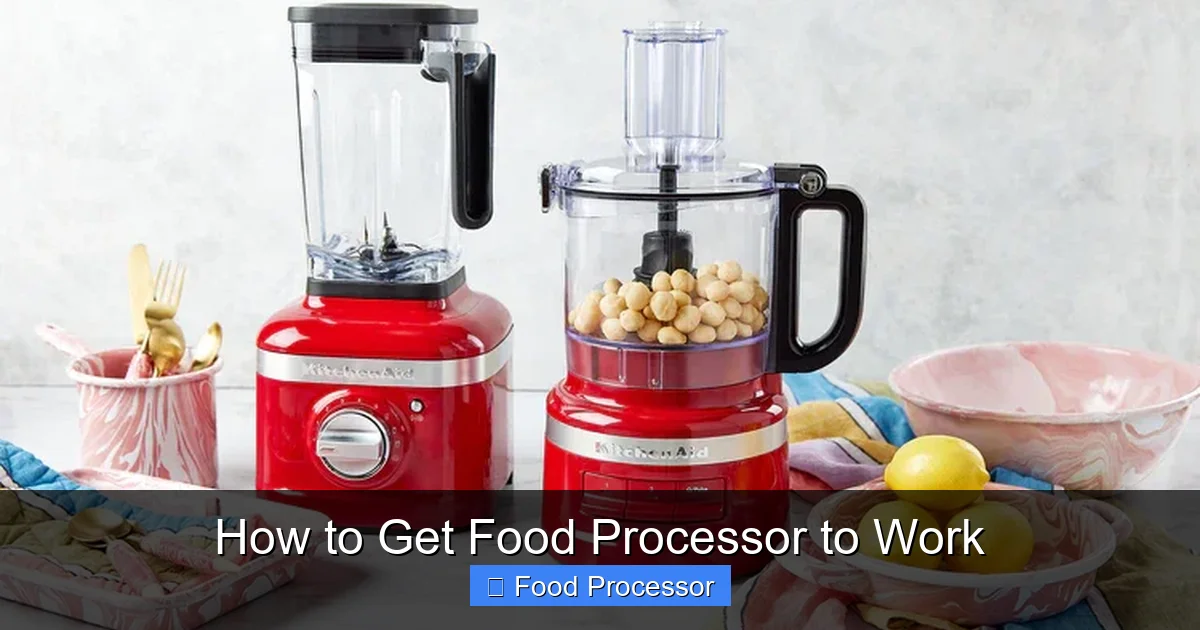
Visual guide about How to Get Food Processor to Work
Image source: wirecutter.guru
2.2 Handle Blades with Extreme Care
Food processor blades are incredibly sharp. Always grasp them by the plastic hub in the center, never by the blade itself. When washing, use a brush or sponge and be very cautious.
2.3 Never Operate Without the Lid Locked
Modern food processors have safety interlocks. They won’t turn on unless the work bowl is properly seated on the base and the lid is securely locked into place. This is a crucial safety feature designed to prevent injuries. Do not try to bypass it. If your food processor isn’t turning on, this is one of the first things to check.
Step 3: Correct Assembly of Your Food Processor
This is where many people encounter their first hurdle when trying to get their food processor to work. Proper assembly is critical for the safety interlocks to engage. If your machine isn’t turning on, incorrect assembly is often the culprit. If you want a more detailed visual guide, you might find an article on how to assemble a food processor step by step very helpful.
3.1 Secure the Work Bowl
Place the work bowl onto the motor base. You’ll usually need to align a tab on the bottom of the bowl with a slot on the base. Once aligned, twist the bowl clockwise until it clicks and locks into place. It should feel stable and not wobble.
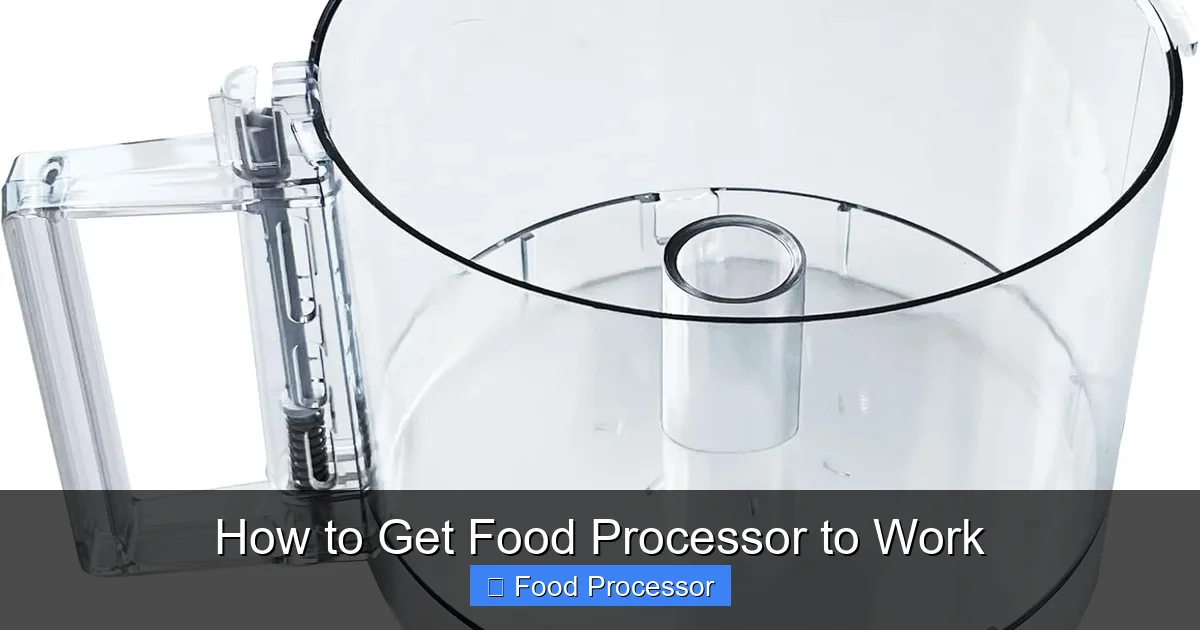
Visual guide about How to Get Food Processor to Work
Image source: m.media-amazon.com
3.2 Attach the Blade or Disc
For the S-Blade:
Carefully place the S-blade onto the drive shaft inside the work bowl. Make sure it sits all the way down. The blade should spin freely when rotated manually.
For Slicing/Shredding Discs:
First, insert the drive adapter (a plastic shaft) onto the drive shaft in the work bowl. Then, place your chosen disc onto the drive adapter. Ensure it’s seated firmly.
3.3 Lock the Lid into Place
Position the lid onto the work bowl. Again, you’ll need to align tabs on the lid with slots on the bowl. Twist the lid clockwise until it locks securely. You’ll often hear a click, and the handle of the lid will align with the handle of the bowl. This action engages the safety interlock, allowing the food processor to power on.
Step 4: Preparing Your Ingredients for Processing
The way you prepare your food before it enters the food processor significantly impacts the outcome and the performance of your machine. This step is vital to get your food processor to work efficiently.
4.1 Cut Ingredients Uniformly
Whether you’re chopping vegetables or pureeing a sauce, cut your ingredients into roughly uniform, manageable pieces. For chopping, aim for pieces no larger than 1-2 inches. This allows the blade to process everything evenly and reduces strain on the motor. For example, if you’re learning how to use a food processor to chop vegetables, uniform pieces are key.
4.2 Don’t Overfill the Work Bowl
Most food processor bowls have a maximum fill line. Never exceed this line. Overfilling can lead to uneven processing, cause the motor to struggle, and potentially damage your appliance. It’s better to process in smaller batches if you have a large quantity of food.
4.3 Consider Ingredient Temperature
For most tasks, room temperature or chilled ingredients work best. Hot liquids or foods can create pressure inside the sealed bowl, potentially causing the lid to pop off. If you must process warm ingredients, allow them to cool slightly and ensure the bowl isn’t overfilled.
Step 5: Operating Your Food Processor
With everything assembled and ingredients prepped, it’s time to actually get your food processor to work!
5.1 Plug In the Food Processor
Once everything is securely locked, plug the power cord into a grounded electrical outlet.
5.2 Add Ingredients to the Work Bowl
For S-Blade Tasks (Chopping, Pureeing, Mixing):
Add your prepped ingredients directly into the work bowl through the main opening. Do not add ingredients through the feed tube when using the S-blade, as they will just sit on top of the blade.
For Slicing/Shredding Discs:
Place ingredients into the feed tube in the lid. Ensure they fit without forcing. For longer items, you might need to cut them to fit the feed tube horizontally.
5.3 Choose Your Speed and Setting
Most food processors have a few basic controls:
- Pulse: This is your most important control. It provides short bursts of power and is ideal for controlled chopping, preventing over-processing, and achieving desired textures. Press and release quickly.
- On/Continuous: This setting keeps the motor running constantly. Use it for pureeing, mixing liquids, or continuous slicing/shredding.
- Off: Stops the motor.
Start with the “Pulse” setting for most chopping tasks. This gives you control over the consistency. For example, if you’re making a chunky salsa, you’ll pulse it a few times. For a smooth hummus, you’ll use the “On” setting for continuous blending.
5.4 Use the Food Pusher (When Applicable)
When using slicing or shredding discs, always use the food pusher to guide ingredients through the feed tube. Never use your fingers, a spatula, or any other utensil. The pusher keeps your hands safely away from the spinning blades.
5.5 Monitor Progress
Watch your ingredients through the clear work bowl. Stop and scrape down the sides with a spatula if needed, ensuring the food processor is unplugged first. This helps ensure even processing.
Step 6: Cleaning and Maintenance for Longevity
To keep your food processor working efficiently for years, proper cleaning and maintenance are essential.
6.1 Disassemble and Unplug
Always unplug the food processor before disassembling. Carefully remove the lid, then the blade/disc, and finally the work bowl.
6.2 Wash Parts Promptly
Wash the work bowl, lid, blade/disc, and food pusher immediately after use. Many parts are top-rack dishwasher safe, but always check your manual. For hand washing, use warm, soapy water and a brush for blades.
6.3 Clean the Base
Wipe the motor base with a damp cloth. Never immerse the motor base in water or any other liquid.
6.4 Store Safely
Store blades and discs carefully in their protective cases or a designated drawer to prevent accidental cuts and keep them sharp.
Troubleshooting: What If Your Food Processor Won’t Work?
Even if you follow all the steps, sometimes your food processor might still give you trouble. Don’t panic! Most issues are simple to resolve.
If the Food Processor Won’t Turn On At All:
-
Check the Power Source:
Is the food processor securely plugged into a working outlet? Try plugging another small appliance into the same outlet to confirm it’s live.
-
Verify Assembly:
This is the most common reason. Double-check that the work bowl is fully locked onto the base, and the lid is fully locked onto the work bowl. Remember, the safety interlock needs both to be engaged. For a deeper dive, check out our guide on how to fix a food processor that is not turning on.
-
Thermal Overload Protector:
If you’ve been running the food processor for a long time or processing very tough ingredients, the motor might have overheated. Many food processors have a thermal overload protector that automatically shuts off the unit. Unplug the food processor and let it cool down for 20-30 minutes before trying again.
If the Blade Isn’t Spinning or the Motor Sounds Strained:
-
Check for Obstructions:
An ingredient might be stuck under the blade or wedged between the blade and the bowl. Unplug the unit, remove the lid and blade, and clear any obstructions. If you’re encountering a specific issue where your food processor blade is not spinning, there are dedicated solutions.
-
Too Many Ingredients:
You might have overfilled the work bowl or added too many tough ingredients at once. Reduce the quantity of ingredients and try again in smaller batches.
-
Ingredients Are Too Large or Hard:
Large or very hard items (like whole nuts or very firm vegetables) can jam the blade. Cut ingredients into smaller, more manageable pieces.
-
Incorrect Blade/Disc:
Ensure you’re using the correct blade for the task. The S-blade is for chopping and mixing, while discs are for slicing and shredding.
If the Food Processor is Leaking:
-
Check Lid and Bowl Seals:
Ensure the lid is properly seated and locked. Inspect the rubber gasket on the lid for any damage or misalignment. Also, check for cracks in the work bowl.
-
Don’t Overfill Liquids:
When processing liquids, never fill above the liquid maximum line, which is typically lower than the solid ingredient fill line.
Conclusion: Master Your Food Processor for Effortless Cooking
Congratulations! You’ve now got all the knowledge to confidently get your food processor to work every single time. From proper assembly and meticulous ingredient prep to safe operation and handy troubleshooting tips, you’re equipped to handle anything your food processor can throw at you – or rather, *into* it!
Remember, practice makes perfect. The more you use your food processor, the more intuitive it will become. It’s a powerful tool that saves time and effort in the kitchen, opening up a world of culinary possibilities. So go ahead, experiment with new recipes, chop those veggies, whip up a pesto, or shred cheese with ease. Your food processor is ready to be your most reliable kitchen assistant. Enjoy the journey to becoming a food processor pro!
