

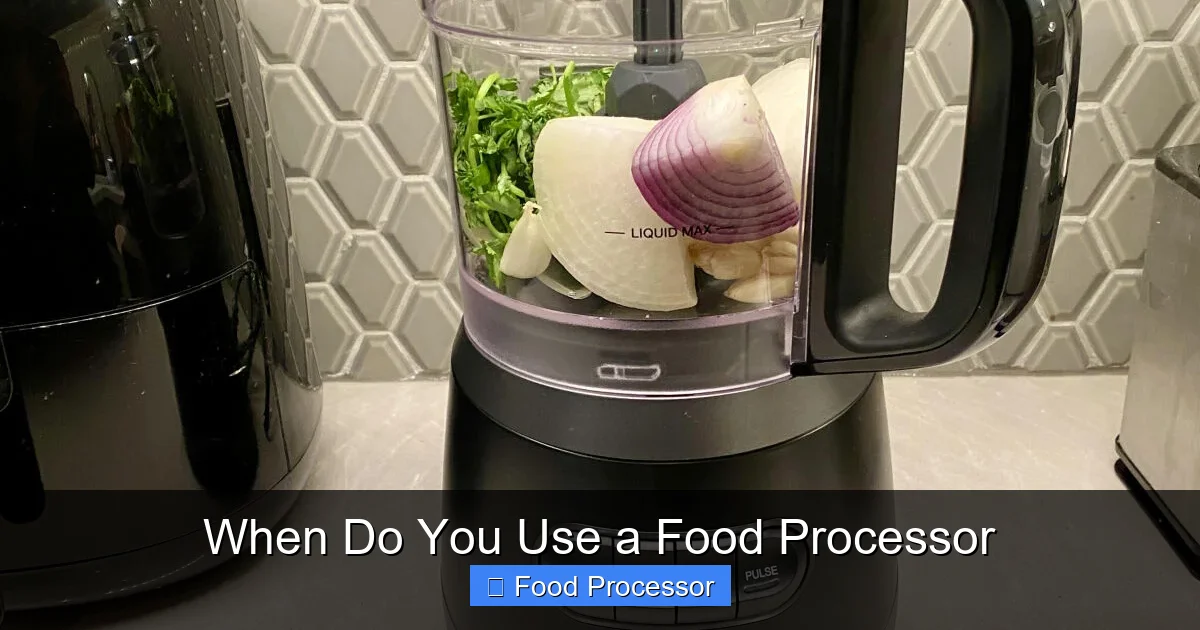
A food processor is a versatile kitchen powerhouse, perfect for tasks that demand precision and speed over manual effort. It excels at quickly chopping vegetables, shredding cheese, pureeing smooth dips like hummus, and even making dough. Understanding its various blades and functions helps you know exactly when to use a food processor to save time and effort, transforming your cooking experience with consistent results.
When Do You Use a Food Processor?
Ever stare at your food processor, wondering if it’s the right tool for the job? You’re not alone! Many home cooks own this fantastic appliance but don’t quite realize its full potential. A food processor is a true kitchen workhorse, designed to make many culinary tasks quicker, easier, and more consistent than doing them by hand.
This guide will unlock the secrets of your food processor. We’ll explore exactly when to use a food processor, highlighting the many ways it can revolutionize your cooking. You’ll learn about its core functions, common uses, and practical tips to get the most out of it. By the end, you’ll confidently reach for your food processor for a wide range of recipes, saving time and effort in the kitchen.
Key Takeaways
- Time-Saving Efficiency: A food processor significantly reduces prep time for repetitive tasks like chopping, mincing, and shredding, making meal preparation faster and easier.
- Versatile Blades: Utilize the S-blade for chopping, pureeing, and mixing, while slicing and shredding discs are perfect for uniform cuts of vegetables and cheese.
- Best for Solids and Semi-Solids: Food processors excel at handling ingredients with more substance, such as nuts, vegetables, cheeses, and dough, offering more control than blenders for thicker mixtures.
- Master the Pulse Button: The pulse function is crucial for achieving desired textures, from coarse chops to fine crumbs, preventing over-processing and maintaining control.
- Ideal for Batches: When preparing larger quantities of ingredients for salads, sauces, or baked goods, a food processor is far more efficient than manual methods.
- Dough and Pastry Perfection: It’s particularly useful for making doughs like pie crusts and cookies, quickly incorporating cold butter without overworking the mixture.
Understanding Your Food Processor: Blades and Attachments
Before diving into specific uses, let’s quickly review the main components of a standard food processor. Knowing these will help you understand *why* certain tasks are suited for this machine.
The S-Blade (Chopping Blade)
This is the most common blade, shaped like an “S,” and sits at the bottom of the work bowl. It’s incredibly versatile. This is your go-to blade for chopping, mincing, pureeing, and mixing.
Slicing and Shredding Discs
These are flat discs that sit at the top of the work bowl, just under the lid. They typically have a sharp edge for slicing and grated holes for shredding. You drop food through the feed tube to use these.
Other Attachments (Dough Blade, Emulsifying Disc, etc.)
Some food processors come with specialized attachments, such as a plastic dough blade (for kneading) or an emulsifying disc (for whipping air into liquids). Refer to your appliance’s manual to see what specific tools your food processor offers.
When Do You Use a Food Processor? Top Applications
Now, let’s get to the heart of the matter. Here are the primary times when reaching for your food processor is the smartest move.
1. Chopping, Mincing, and Dicing Vegetables
This is arguably the most common and beloved use for a food processor. Say goodbye to endless knife work!
Why Use It for Chopping?
A food processor makes quick work of chopping onions, garlic, carrots, celery, bell peppers, and other firm vegetables. It provides consistent results, which is excellent for stir-fries, soups, sauces, and salads. If you want to know more about this, read our guide on how to use a food processor to chop vegetables.
How to Do It:
- Prep Your Veggies: Cut larger vegetables into 1-2 inch pieces so they fit easily in the work bowl. Remove any tough cores or stems.
- Use the S-Blade: Place the S-blade in the work bowl. Add your prepared vegetables.
- Pulse for Control: Use the “pulse” button in short bursts (1-2 seconds each). This allows you to control the texture. For a coarse chop, use fewer pulses. For mincing, use more. Stop when you reach your desired consistency. Don’t just hold the button down, or you’ll end up with a puree!
Example: Quickly chop onions, carrots, and celery for a mirepoix base for soup or stew. Mince garlic and ginger for an Asian dish.
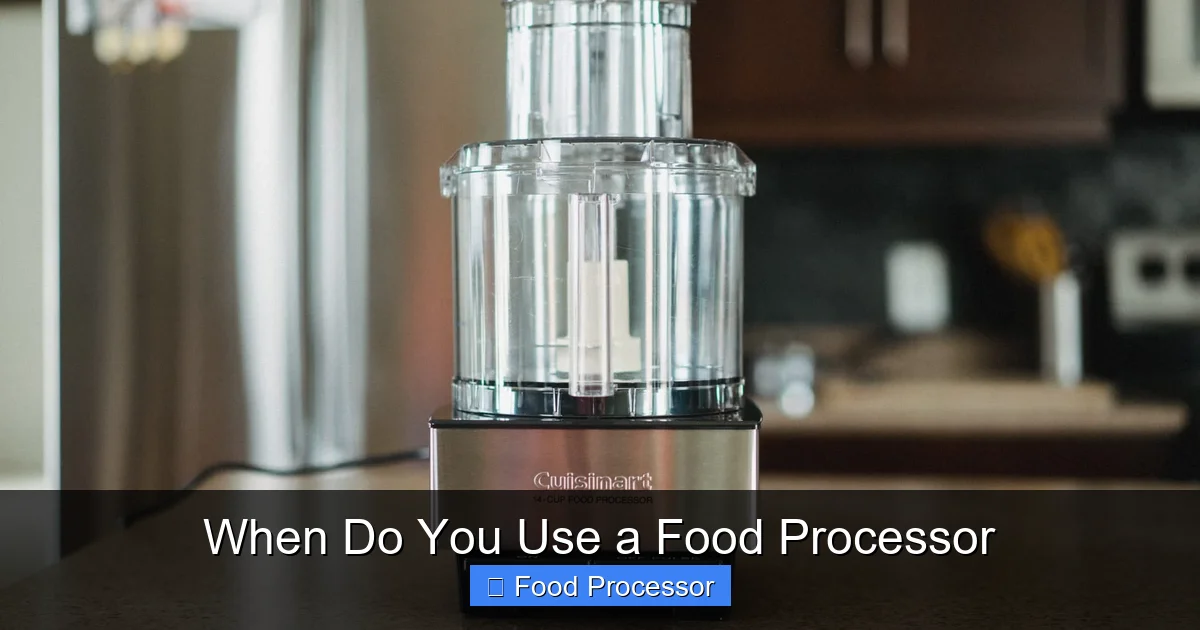
Visual guide about When Do You Use a Food Processor
Image source: storables.com
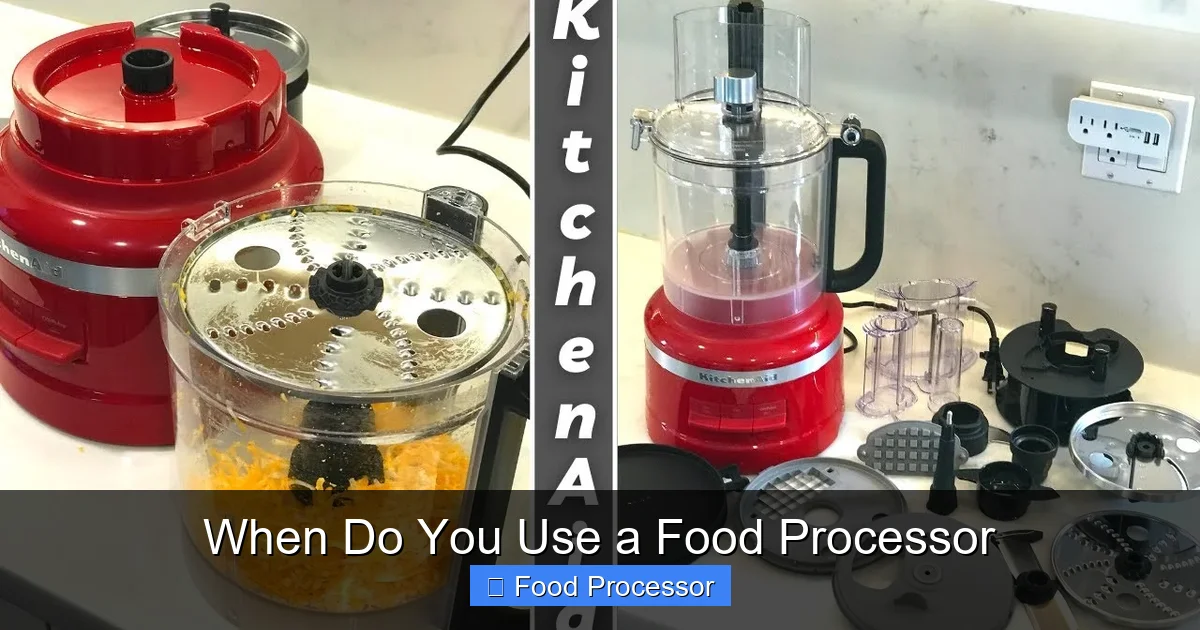
Visual guide about When Do You Use a Food Processor
Image source: i.ytimg.com
2. Shredding and Slicing Hard Cheeses and Vegetables
Forget the box grater! The food processor makes shredding and slicing effortless.
Why Use It for Shredding/Slicing?
It’s perfect for shredding blocks of cheese for tacos, pizzas, or casseroles. It also handles firm vegetables like cabbage for coleslaw, carrots for salads, or potatoes for gratin with remarkable speed and uniformity. For cheese in particular, learn more in our article about using a food processor to shred cheese.
How to Do It:
- Attach the Disc: Choose either the shredding disc or the slicing disc, depending on your needs. Place it on the spindle in the work bowl.
- Prepare Ingredients: Cut ingredients into pieces that fit comfortably into the feed tube. For cheese, ensure it’s firm and cold for the best results.
- Process: Turn on the food processor (usually to a continuous “on” setting for discs). Feed the ingredients through the feed tube using the pusher. Apply even, gentle pressure.
Example: Shred an entire block of cheddar cheese in seconds. Slice cucumbers for a salad or potatoes for au gratin. Shred cabbage for coleslaw or carrots for a quick side dish.
3. Pureeing Soups, Sauces, and Dips
Achieve silky-smooth textures for a variety of culinary creations.
Why Use It for Pureeing?
A food processor can turn cooked vegetables into smooth soups, create creamy dips like hummus or baba ghanoush, and blend ingredients for pestos or sauces. Its wide base and powerful S-blade are excellent for thick, pasty textures.
How to Do It:
- Cool Ingredients: If pureeing hot liquids (like soup), allow them to cool slightly. Very hot liquids can build pressure and potentially explode the lid. Puree in small batches if needed.
- Use the S-Blade: Place the S-blade in the work bowl. Add your ingredients.
- Process Until Smooth: Process continuously until the desired smooth consistency is achieved. You may need to stop and scrape down the sides of the bowl a few times. For thinner purees, you might add a bit of liquid (broth, water, oil).
Example: Make a creamy roasted red pepper and tomato soup. Blend chickpeas, tahini, lemon juice, and garlic for homemade hummus. Create a vibrant basil pesto.
4. Making Doughs and Pie Crusts
This is where a food processor shines for bakers, especially for pastry doughs.
Why Use It for Doughs?
A food processor quickly cuts cold butter or shortening into flour, which is essential for flaky pie crusts, biscuits, and scones. It prevents overworking the dough, keeping it tender. It can also handle some cookie and quick bread doughs. If you don’t have a food processor for this, you might need to check out our article on what to do if you don’t have a food processor for dough.
How to Do It:
- Use S-Blade or Dough Blade: For flaky pastry, use the S-blade. For more intense kneading for certain bread doughs, some processors have a plastic dough blade.
- Cut in Fat: Add flour and cold, cubed butter/fat to the food processor. Pulse until the mixture resembles coarse crumbs with some pea-sized pieces of butter.
- Add Liquid: Drizzle in cold liquid (like ice water) gradually through the feed tube while pulsing until the dough just comes together. Be careful not to over-process.
Example: Quickly make a perfect pie crust for your next fruit pie or quiche. Prepare biscuit dough without getting your hands messy.
5. Grinding Nuts, Seeds, and Breadcrumbs
Transform whole ingredients into flours, meals, or crumbs.
Why Use It for Grinding?
The food processor is fantastic for making nut flours (almond flour), nut butters (peanut butter), ground spices, or fresh breadcrumbs. It provides more control over texture than a blender for these dry, solid ingredients.
How to Do It:
- Use the S-Blade: Ensure the work bowl and blade are completely dry.
- Process Dry Ingredients: Add nuts, seeds, or stale bread cubes to the bowl.
- Pulse and Process: Pulse first, then process continuously until you reach your desired consistency. For nut butters, continue processing past the flour stage; the oils will release, creating a creamy butter. For breadcrumbs, pulse until you have fine, even crumbs.
Example: Make fresh breadcrumbs for topping casseroles or coating chicken. Grind almonds into almond flour for gluten-free baking. Make your own creamy cashew butter.
6. Emulsifying and Whipping
Create smooth, blended sauces and dressings.
Why Use It for Emulsifying?
The food processor’s ability to slowly drizzle liquid through the feed tube while the blades are running makes it ideal for emulsifying. This is perfect for mayonnaise, salad dressings, and vinaigrettes, where oil needs to be incorporated slowly into other ingredients to create a stable emulsion.
How to Do It:
- Use S-Blade or Emulsifying Disc: Place your initial ingredients (egg yolks, mustard, vinegar for mayonnaise) in the bowl with the S-blade. Or, if you have one, use the emulsifying disc.
- Slowly Drizzle Oil: With the food processor running, slowly pour the oil through the feed tube in a thin, steady stream. The machine will do the work of blending it into a smooth, creamy emulsion.
Example: Make homemade mayonnaise in minutes. Whip up a flavorful vinaigrette for your salad.
General Tips for Using Your Food Processor Effectively
To ensure you always get the best results and keep your appliance in top shape, here are some practical tips:
Don’t Overfill the Bowl
Always leave some space at the top, typically up to the max fill line. Overfilling can lead to uneven processing, leakage, and strain on the motor.
Cut Ingredients to Similar Sizes
For even chopping or processing, try to cut your raw ingredients into roughly similar sizes before adding them to the bowl. This helps the blades work efficiently on all pieces.
Use the Pulse Button Liberally
The pulse function is your best friend. It gives you precise control over texture, preventing over-processing. Use short, quick pulses for most chopping tasks.
Add Liquids Slowly (for emulsifying)
When making dressings or mayonnaise, add liquids like oil in a slow, steady stream through the feed tube with the machine running. This ensures proper emulsification.
Chill Ingredients for Shredding/Slicing
When shredding cheese or slicing softer vegetables like zucchini, chilling them beforehand can make them firmer and easier to process, resulting in cleaner cuts.
Clean Immediately
Food processors are easiest to clean right after use. Disassemble the parts and wash them with warm soapy water. Most bowls and blades are top-rack dishwasher safe, but always check your manufacturer’s instructions.
When a Food Processor Might Not Be the Best Choice
While incredibly versatile, there are a few scenarios where another kitchen tool might be more suitable.
Very Small Amounts
For just a clove of garlic or a few sprigs of parsley, a knife and cutting board might actually be faster and less hassle to clean than assembling the food processor.
Large Amounts of Liquid
If your recipe is primarily liquid, like a smoothie or a very thin soup, a blender is usually a better choice. Blenders are designed to handle liquids and create a vortex that pulls solids down into the blades. While a food processor can puree soups, it’s not ideal for large volumes of hot liquid or creating the perfectly smooth texture a high-speed blender can achieve for things like smoothies.
Very Hard or Fibrous Ingredients
Avoid putting extremely hard items like whole coffee beans (unless your specific model is designed for it) or very fibrous strings into a food processor, as it can dull blades or strain the motor. However, many models can grind coffee beans, so if you’re curious, check out our article on can you use a food processor to grind coffee.
Kneading Heavy Bread Dough
While good for quick doughs and pastry, a food processor is typically not designed for heavy, yeasted bread dough that requires extensive kneading. A stand mixer with a dough hook is usually better for this.
What If You Don’t Have a Food Processor?
Don’t worry! While a food processor offers great advantages, many tasks can still be done manually. For chopping, a good knife is your best friend. A box grater works for shredding. For pureeing, a blender or even a potato masher can do the trick. If you’re looking for more alternatives, check out our guide on what to do if you don’t have a food processor.
Conclusion
The food processor is a game-changer for anyone who cooks regularly. Understanding when to use a food processor means less time spent on tedious prep work and more time enjoying the cooking process itself. From quickly chopping vegetables and shredding cheese to making perfect pie crusts and smooth purees, its efficiency and versatility are unmatched.
By mastering the S-blade, experimenting with the slicing and shredding discs, and always utilizing the pulse button, you’ll find countless ways this powerful kitchen tool can simplify your life. So go ahead, plug it in, and let your food processor do the hard work for you. Happy cooking!
