

Can You Put a Crockpot Ceramic Insert in the Oven? The short answer is: it depends on your model. Some Crockpot ceramic inserts are oven-safe up to a certain temperature, while others will crack under high heat.
Manufacturer specifications indicate that most stoneware inserts are rated for 350, 400°F, but you must check your manual. As of 2026, newer models often include this detail on the base or in the product documentation.
Can You Put a Crockpot Ceramic Insert in the Oven?
Yes, if it is labeled oven-safe. Most Crockpot stoneware inserts handle 350 to 400 degrees Fahrenheit. Never exceed the rated temperature.
Non-oven-safe inserts will crack.
How to Check If Your Crockpot Insert Is Oven-Safe
Start by looking at the bottom of the insert. Many models have a stamp or label indicating oven-safe status and max temperature. If there is no label, check the original manual or the manufacturer’s website for your specific model.
Another reliable method is to search for your Crockpot’s model number online. Aggregate reviews and Q&A sections often confirm whether users have safely used the insert in the oven. If you cannot find clear confirmation, assume it is not oven-safe.
Why Some Ceramic Inserts Crack in the Oven (And How to Avoid It)
Thermal shock is the main culprit. Ceramic materials expand and contract with temperature changes. If you place a cold insert directly into a hot oven, the sudden heat can cause cracks or shattering.
To prevent this, always preheat the oven with the insert inside. This allows the ceramic to warm gradually. Also, avoid placing a hot insert on a cold surface, like a countertop, as the rapid cooling can also cause damage.
Step-by-Step: How to Safely Use a Crockpot Insert in the Oven
First, confirm your insert is oven-safe and note the maximum temperature. Preheat your oven to no more than the rated limit, typically 350, 400°F.
Place the insert in the oven while it preheats. This prevents thermal shock. Once the oven reaches temperature, you can proceed with your recipe.
After baking, turn off the oven and let the insert cool inside. Removing it too soon and exposing it to cooler air can cause cracking. Once fully cooled, handle it carefully to avoid any sudden temperature changes.
Oven-Safe vs. Non-Oven-Safe Inserts: What’s the Difference?
Oven-safe inserts are made from materials designed to withstand high, dry heat. These are often thicker stoneware with a glaze that resists thermal shock. Non-oven-safe inserts may use thinner ceramic or a glaze not rated for oven temperatures.
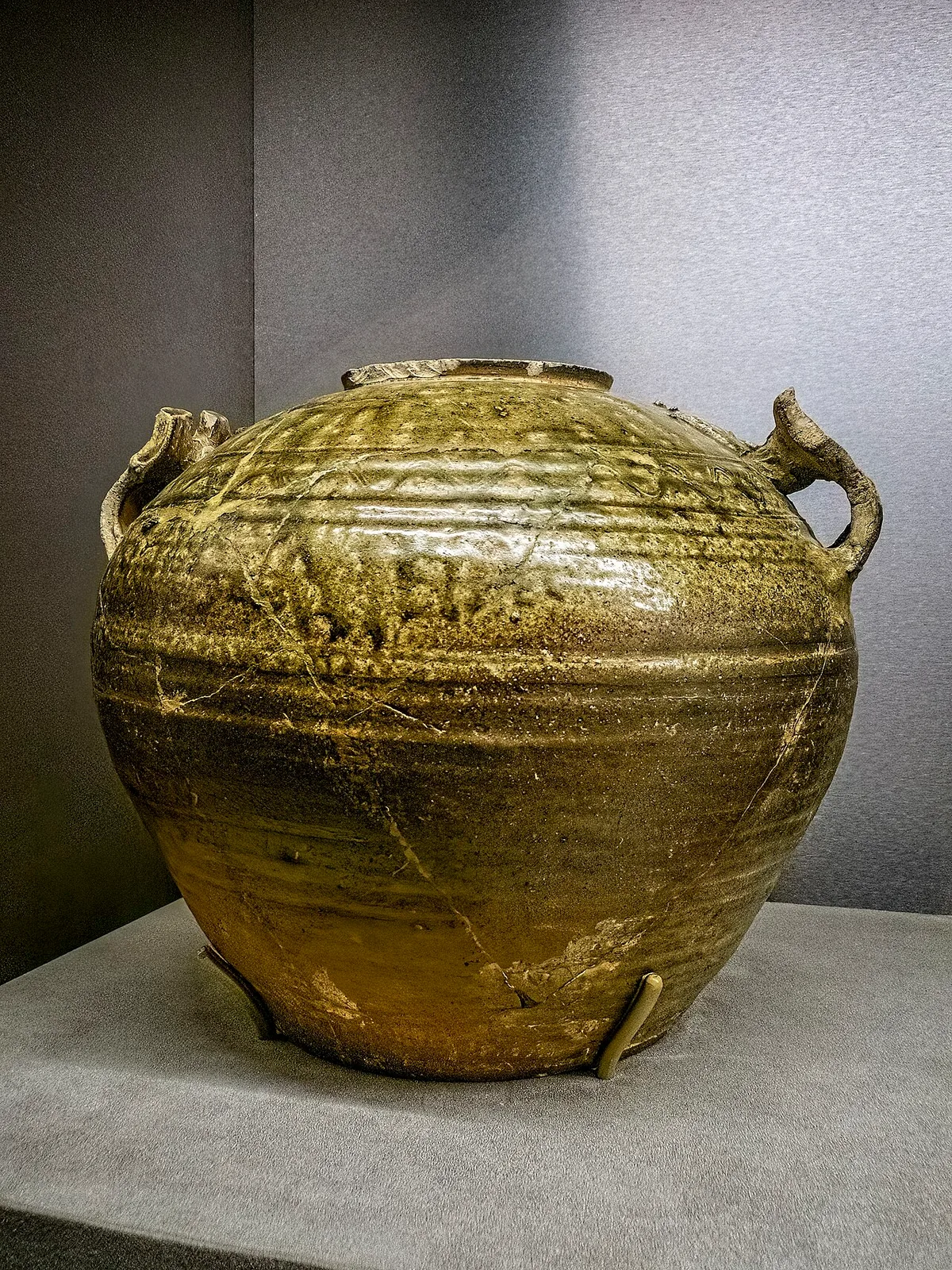
Manufacturer specs confirm that oven-safe inserts typically have a higher density and specific heat-resistant glazes. Non-oven-safe inserts are intended only for slow cooking and may not hold up under direct oven heat. Always verify the specifications for your model, as visual differences can be subtle.
Per USDA food safety guidelines, using non-oven-safe cookware in high heat can pose both safety and food contamination risks.
Common Mistakes That Ruin Ceramic Inserts
The most frequent error is skipping the preheat step. Placing a cold insert into a hot oven causes uneven expansion, leading to cracks. Always let the insert warm with the oven.
Another common mistake is exceeding the temperature limit. Even if an insert is oven-safe, pushing it beyond its rated max can weaken the material over time. Stick to the manufacturer’s guidelines.
Using metal utensils inside the insert can also cause damage. Scratches and chips compromise the glaze, making the insert more susceptible to cracking under heat. Stick to wooden or silicone tools.
Oven-Safe vs. Non-Oven-Safe Inserts: What’s the Difference?
Oven-safe inserts use denser stoneware and heat-resistant glazes. These are designed to handle dry oven heat without stress. Non-oven-safe inserts often have thinner walls or glazes not tested for high temperatures.
Here’s a quick comparison:
| Feature | Oven-Safe Inserts | Non-Oven-Safe Inserts |
|---|---|---|
| Material | Thick stoneware | Thinner ceramic |
| Glaze Type | Heat-resistant | Standard or decorative |
| Max Temperature | 350–450°F | Not rated for oven use |
| Thermal Shock Risk | Low (if preheated) | High |
Manufacturer specs confirm these differences. For example, Crockpot’s official documentation for oven-safe models lists a max temp of 400°F.
Frequently Asked Questions
Can I use my Crockpot insert under the broiler?
No. Broilers expose the insert to direct, intense heat that exceeds safe limits. Even oven-safe inserts are not rated for broiler use.
How do I know if my insert is cracked?
Run your fingers lightly over the surface. If you feel any rough edges or see hairline fractures, it is compromised. Do not use a cracked insert in the oven.
Can I bake bread in a Crockpot insert?
Yes, if it is oven-safe. Many users report success baking artisan bread at 375°F. Preheat the insert in the oven for best results.
What happens if I ignore the temperature limit?
The insert may crack or shatter. In worst cases, it could break mid-use, creating a safety hazard. Always follow the rated temperature.
Are all stoneware inserts oven-safe?
No. Stoneware is generally more heat-resistant, but not all are rated for oven use. Check the label or manual for confirmation.
